REVIEW · KATHMANDU
Kathmandu: 15-Day Everest Base Camp Trek with Guide
Book on GetYourGuide →Operated by Outshine Adventure Pvt Ltd · Bookable on GetYourGuide
One breathless start: it’s Everest, but it begins in Kathmandu. You get a real ramp-up: temple sights on Day 2, a flight to Lukla, then a steady climb with planned altitude breathing room. What makes this trip stand out for your time and comfort is the small-group feel and the licensed English-speaking Sherpa guide running the show from Day 1.
I like that the itinerary is built around how your body actually adapts. You get a dedicated rest day in Namche plus a climb toward Everest viewpoints before going higher. I also love how the route keeps you connected to daily Sherpa life, from monasteries like Tengboche to villages along the way. One drawback to consider: meals during the trek are not included, so you’ll want to budget for breakfast, lunch, and dinner on trail.
In This Review
- Key highlights you’ll care about
- Value check: what the $675 covers (and what it doesn’t)
- Day 1–2 in Kathmandu: transfer, temple circuit, and getting ready
- Day 3–5: Lukla to Namche Bazar, plus the acclimatization rhythm
- Day 6–8: Tengboche monastery, Sherpa villages, and Chhukung Valley
- Day 9–11: Lobuche, Gorakshep, Kalapathar, and the approach to Everest Base Camp
- Day 12–14: returning to Namche and Lukla, then flying back to Kathmandu
- Small-group pace, guesthouses, and logistics that protect your trip
- Who this trek is best for (and who should reconsider)
- Should you book Outshine Adventure’s Everest Base Camp Trek?
- FAQ
- How many days is the Kathmandu: 15-Day Everest Base Camp Trek with Guide?
- Is airport pickup included?
- What language is the guide?
- What accommodation is provided?
- Are meals during the trek included?
- Are flights to Lukla included in the price?
- Are porters included?
- What permits are included?
- What gear is included if I need it?
- What is the cancellation policy?
- Is this trek suitable for wheelchair users?
Key highlights you’ll care about
- Trek structure that respects acclimatization, including a Namche rest day and viewpoint hike
- Kathmandu in a private-car circuit (Durbar Square, Swayambhunath, Boudhanath, Pashupatinath) before the mountains
- A licensed English-speaking Sherpa guide, with names like Kale Prakash and Kali showing up in guide stories
- Best-available guesthouses during the trek instead of roughing it across the board
- Big view payoff routes, including Kalapathar and the Gorakshep approach area
- Flex for gear needs, since a down-filled jacket and sleeping bag are provided if needed
Value check: what the $675 covers (and what it doesn’t)
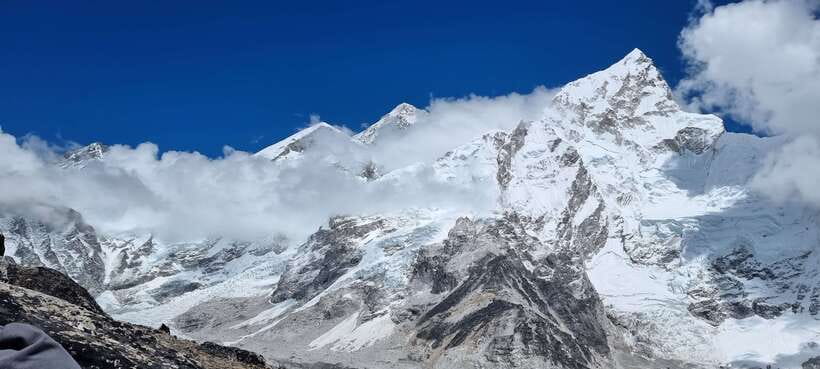
At $675 per person, this trek can feel like a fair deal if you compare it to what you’d pay for the big pieces in Nepal: guide time, permits, and in-country ground support. The package includes airport/hotel pickup and drop-off in a private car, three nights in Kathmandu in standard accommodation, a private guided city tour, and guesthouse stays during the trek. It also covers Everest National Park permits plus TIMS (trekking permit), which matters because you don’t want permit headaches halfway up the Khumbu.
There are two budget items you should plan for in advance. Airfare to and from Lukla is not included (it’s listed as Kathmandu/Ramechhap to Lukla and back), and meals during the trek are not included (breakfast, lunch, and dinner). Also, porters aren’t included, though they’re optional and shared with two people if you add them.
If you’re thinking, “Do I really need a porter?” the honest answer is: it depends on your pack weight and your altitude comfort. Even if you’re fit, the long walking days add up once you’re dealing with thin air.
You can also read our reviews of more tours and experiences in Kathmandu.
Day 1–2 in Kathmandu: transfer, temple circuit, and getting ready
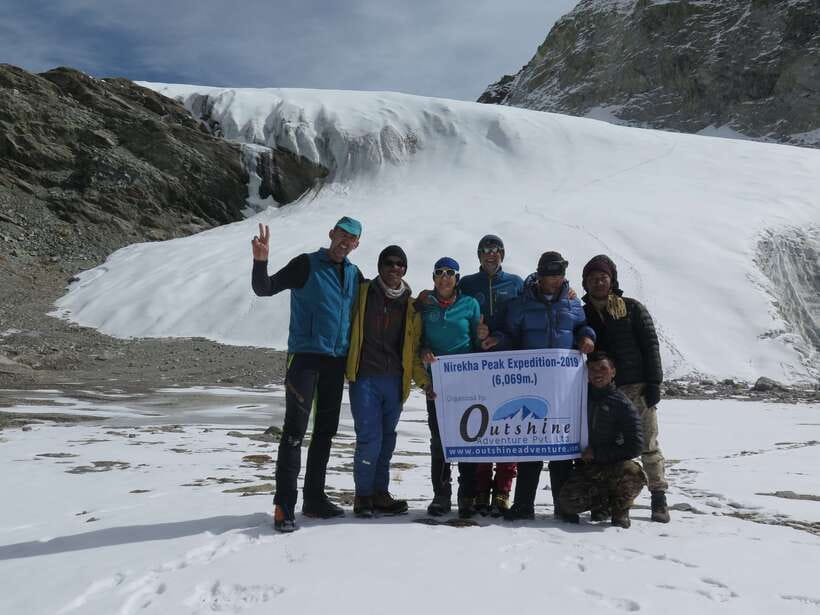
Day 1 is refreshingly simple. You land at Kathmandu Airport, then you get a private transfer to your hotel. After that, your guide gives you the key trek info you need before the flight to Lukla—think logistics, timing, and what to expect on the trail.
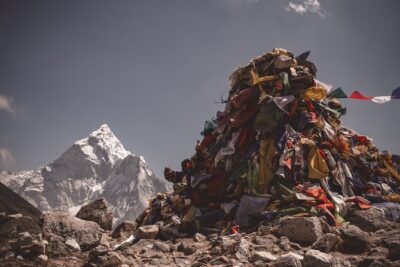
Day 2 is your Kathmandu reset day, done in a private car with an expert guide. The route covers Kathmandu Durbar Square, Swayambhunath, Boudhanath, and Pashupatinath (the cremation temple area). This isn’t just check-the-box sightseeing. It’s a practical way to understand the spiritual landscape you’ll be moving through on the trek. Even later, when you see monasteries and prayer flags up in the Khumbu, the sights on Day 2 help it all connect.
A small caution: Kathmandu walking can be uneven and crowded, so wear the same practical shoes you’ll use trekking in mind. You’ll be happier on the early days if you’re not nursing sore feet right before the flight.
Day 3–5: Lukla to Namche Bazar, plus the acclimatization rhythm
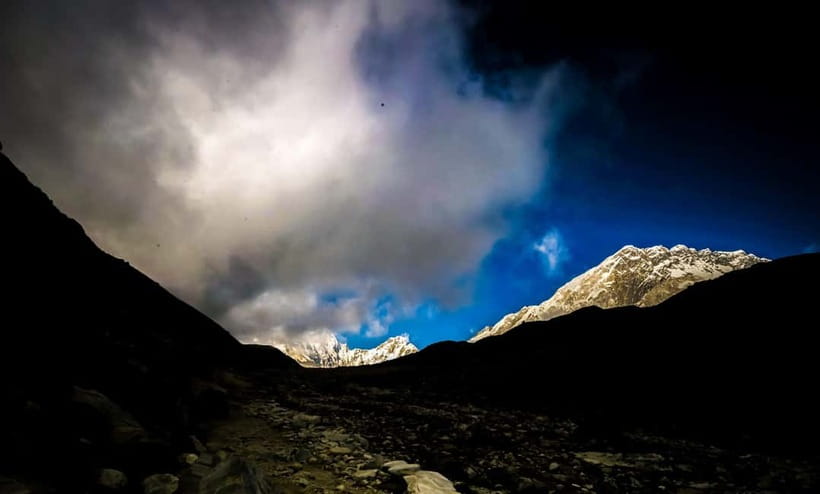
On Day 3 you fly from Kathmandu to Lukla. After landing, you begin with an easier trek to the upper region of Phakding for the night. This “warm-up leg” is important: it helps you get your legs moving before you start gaining real altitude.
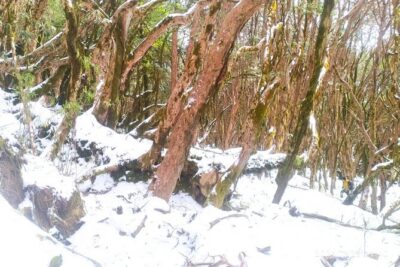
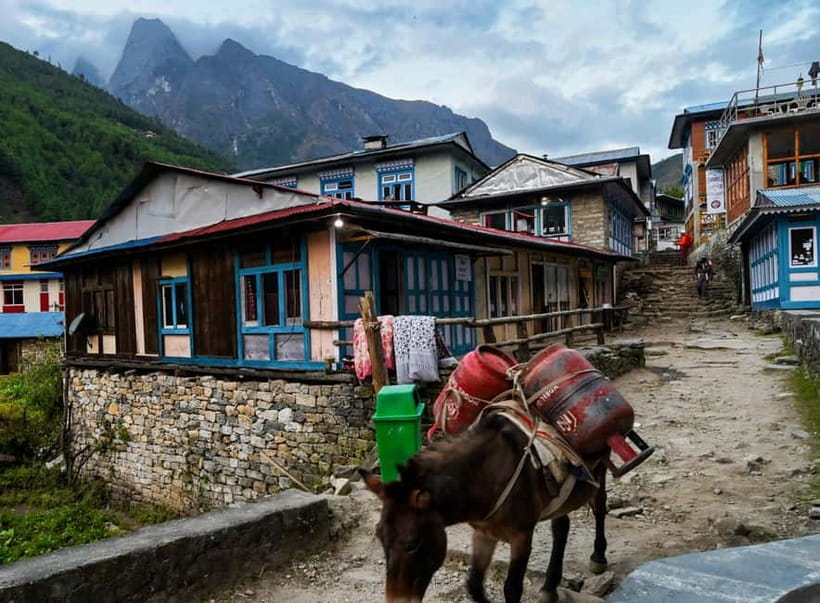
From there, Day 4 is your big climb to Namche Bazar, following the Dudh Koshi valley. You move upward through rhododendron forests and open into that Everest region view people dream about. Namche isn’t just a rest stop. It’s a hub where you’ll feel the trekking economy, the Sherpa presence, and the pace shift from easy trekking to serious altitude hiking.
Day 5 is a full rest/acclimatization day in Namche. You hike up to Hotel Syangboche (around 3,850 meters) as part of the acclimatization plan. The smart trick here is that you’re not just “sitting for a day.” You’re using the day to help your body adapt while still sleeping back at Namche.
If you’re the type to push hard and skip rest days, this is where the itinerary’s discipline pays off. Altitude doesn’t care about willpower.
Day 6–8: Tengboche monastery, Sherpa villages, and Chhukung Valley
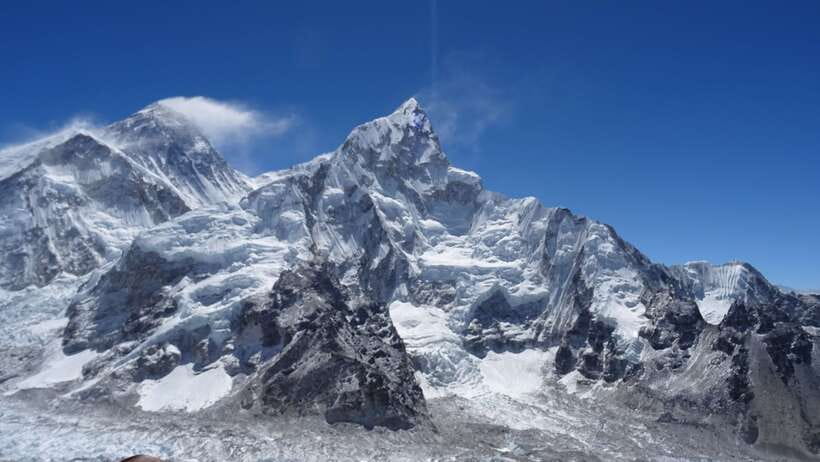
Day 6 takes you to Tengboche, a section that feels like a transition from trekking steps to spiritual mountain living. You pass through high altitudes and chilly conditions, and after about two hours of climbing you reach Thyangboche Monastery (around 3,867 meters), resting on a ridge. This is one of the clearest places on the trek to understand the culture you’re walking through, not just the peaks you’re chasing.
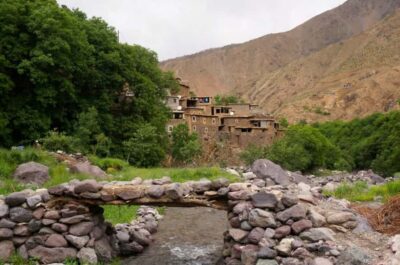
Day 7 moves you onward to Dingboche. The route runs through Imja Khola, Pangboche, and Pheriche, then continues toward the Khumbu glacier area before reaching Dingboche. This is where you get a closer look at how Sherpa communities live along the trail corridor—villages that feel both rooted and used to hosting trekkers.
Day 8 is a day trip: Chhukung Valley and back to Dingboche. Chhukung is often described as a top hike, and in practical terms, it’s a “time on your feet” day that rewards you with bigger mountain views. The reason I like this structure is simple: you get extra scenery without adding another full night at higher altitude.
Day 9–11: Lobuche, Gorakshep, Kalapathar, and the approach to Everest Base Camp
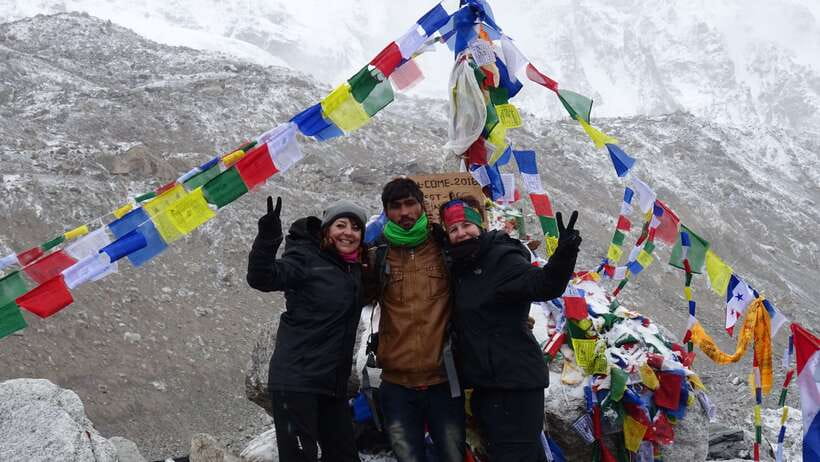
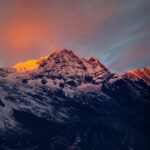
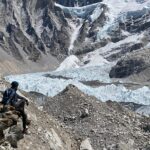
Day 9 brings you to Lobuche, where you rest and take in the mountain design of nature—rock, ice, and sharp edges that look close enough to touch. It’s also a psychological day. You start feeling that the trek is no longer “getting you there.” It’s getting you near the main moment.
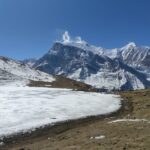
Day 10 shifts you to Gorakshep, at the edge of a frozen lake area. This is your departure point zone toward Everest Base Camp, and it’s your night before the most famous early start. The trade-off is that Gorakshep nights can feel colder and more exposed, so keep your layers organized and easy to grab.
Day 11 is an early morning hike to Kalapathar and then back toward Pheriche. Kalapathar is one of the best spots for that big “wow” moment. The practical advice: start slowly, keep breathing steady, and don’t sprint for views. The best photos usually come from calm effort, not panic pace.
Day 12–14: returning to Namche and Lukla, then flying back to Kathmandu
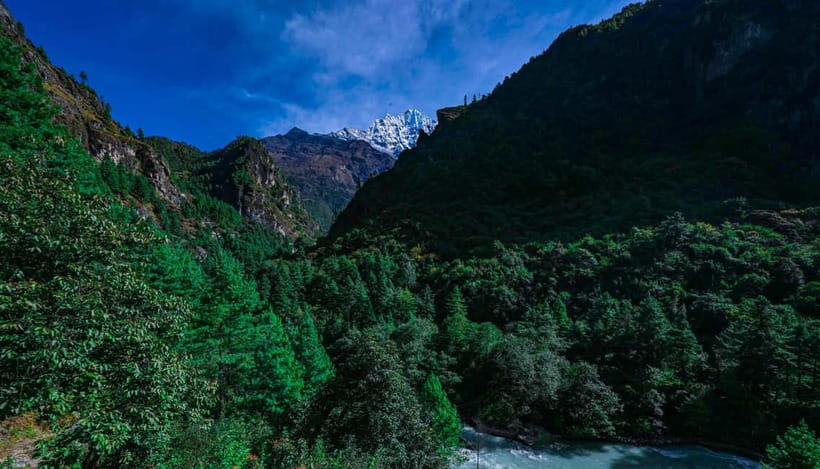
Day 12 is your descent back to Namche Bazar. The route stops again in Namche, helping you re-adjust while your body works its way back down. Even though descending sounds easier, your legs still do work. Expect your quads to complain.
Day 13 is a longer trek back to Lukla. It’s a day that can feel emotionally loaded—part relief, part “I’m actually done with the hardest part,” and part fatigue. It’s also a reminder that Everest trekking is as much about endurance as it is about scenery.
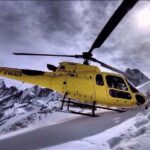
Day 14 is flight time back to Kathmandu. You stay in a Kathmandu hotel that night and use the day to recover before the final transfer.
Small-group pace, guesthouses, and logistics that protect your trip
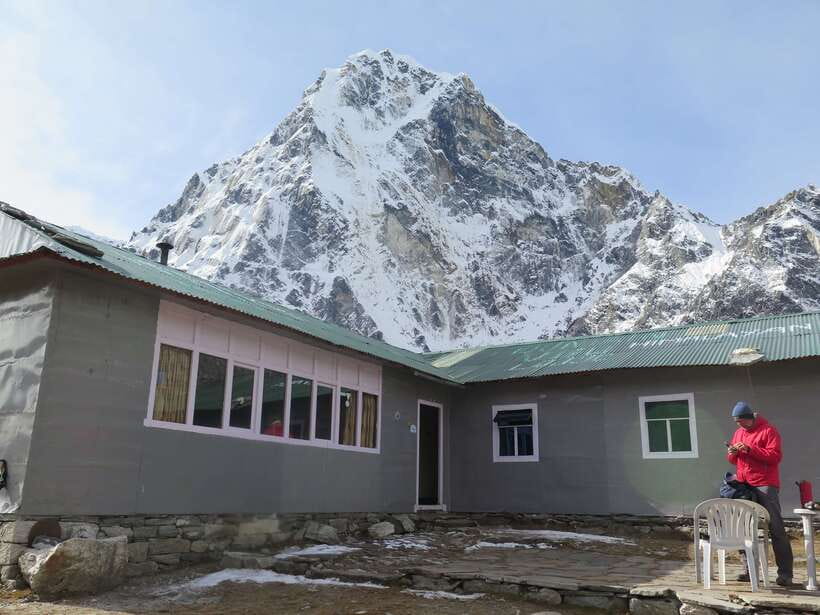
A key part of this experience is the way it’s run. The trip emphasizes tailored itineraries and small groups, which often means less waiting at decision points and a better match between hiking pace and group needs. You’ll be traveling with a licensed English-speaking Sherpa guide, and that’s more than a title. On a trek, communication affects pacing, safety choices, and how quickly you can handle small issues before they turn into bigger ones.
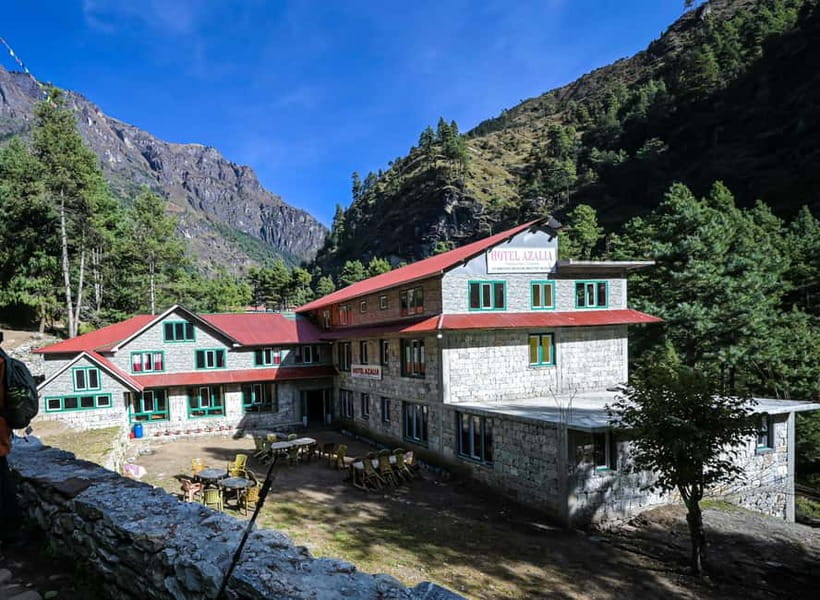
Accommodation is set up in two phases. You get three nights in Kathmandu at a standard hotel, then you use best available guesthouses during the trek. That mix is practical: Kathmandu gives you real beds and hot showers when available, while mountain guesthouses keep you close to the trail corridor.
If you’re worried about cold gear, the package lists a down-filled jacket and sleeping bag if needed. That can reduce your packing stress. Just note the basics you still need to bring, like comfortable shoes and sunglasses. Also, alcoholic and other drinks aren’t included, so plan for that if you like to unwind.
One real-world note from the guide stories: health can happen. Names that come up include Kale Prakash for extra care when someone got sick, plus Kumar and Santos for kindness and on-the-ground help. That doesn’t guarantee smooth weather, but it suggests the team takes care when the unexpected hits.
Who this trek is best for (and who should reconsider)
This trip is built for hikers who can handle several days of uphill walking and early starts. It’s also designed for different fitness levels in the sense that the itinerary includes rest/acclimatization structure and a guide to manage pacing. Still, it’s not suitable for wheelchair users.
If you’re comfortable booking your flight timing for Lukla (since airfare is not included), and you can budget for meals during the trek, this package can be a strong way to do Everest Base Camp without trying to DIY it. It’s also a good choice if you care about culture as much as views—because the route spends real time near monasteries and Sherpa villages, not just passing through.
Should you book Outshine Adventure’s Everest Base Camp Trek?
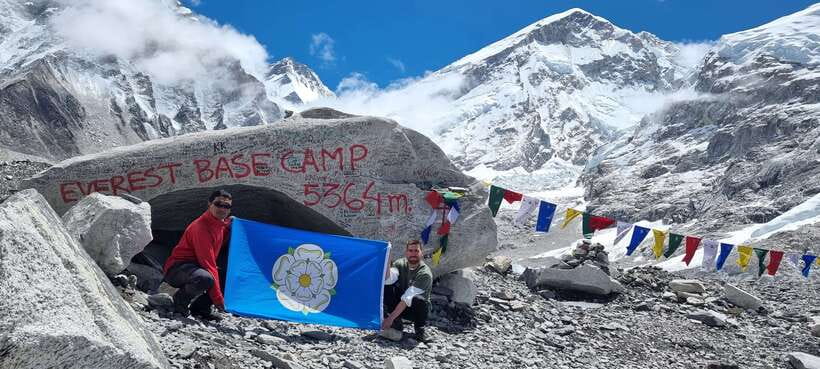
I’d book this if you want a guided Everest Base Camp trek with permits handled, small-group pacing, and a Kathmandu start that actually prepares you. The value is strongest when you’re okay with the two main add-ons: Lukla flights (not included) and meals during the trek (not included). If you can plan for those costs up front, the rest of the structure looks solid.
I’d hesitate if you want a fully “all-inclusive” meal plan, or if you need wheelchair accessibility. And if you hate cold nights, make sure you’ll use the provided sleeping bag/jacket options and come with proper layering instincts.
If your goal is Everest Base Camp with a guide who speaks English and keeps the hike realistic, this itinerary is set up the way you want: climb smart, rest with purpose, and then enjoy the payoff days near Kalapathar and the approach zones.
FAQ
How many days is the Kathmandu: 15-Day Everest Base Camp Trek with Guide?
The trek lasts 15 days.
Is airport pickup included?
Yes. The package includes airport/hotel pick-up and drop-off in a private car in Kathmandu.
What language is the guide?
The guide is an English-speaking Sherpa guide.
What accommodation is provided?
You get standard hotel accommodation in Kathmandu for 3 nights, and best available guest houses during the trek.
Are meals during the trek included?
No. Breakfast, lunch, and dinner during the trek are not included.
Are flights to Lukla included in the price?
No. Airfare from Kathmandu (Ramechhap) to Lukla and back is not included, though optional services can reserve flights on request.
Are porters included?
Porters are not included by default. Porters are optional and shared with two people if you add the service.
What permits are included?
You get Everest National Park permits and TIMS (trekking permits) included.
What gear is included if I need it?
A down-filled jacket and sleeping bag are provided if needed.
What is the cancellation policy?
You can cancel up to 7 days in advance for a full refund.
Is this trek suitable for wheelchair users?
No. It is not suitable for wheelchair users.