REVIEW · LUANG NAMTHA
The Wild Explorer – 3 days forest trek with homestay and camping
Book on Viator →Operated by The Hiker · Bookable on Viator
Jungle mornings in Laos start fast. The Wild Explorer pairs a serious Nam Ha National Protected Area hike with hands-on survival skills, then rewards you with camp views over a mountain stream. I love that the day is built around real trail time—about seven hours a day—and that meals come from forest ingredients, cooked the local way with guide support. One thing to weigh: this is a difficult trek, so the wrong footwear or underestimating the hills can turn it from fun challenge into misery.
Another big win is the practical setup. You get core camping gear like a sleeping bag, mattress, mosquito net, and tent, plus meals are handled from lunch through the hike. Still, wildlife sightings aren’t something you can bank on, and weather can make the trails slippery—so pack smart and go in with the right expectations.
In This Review
- Key highlights worth packing for
- Nam Ha National Protected Area: where your hike actually happens
- The daily walk: 7 hours of jungle effort (in the best way)
- Camping on a stream near a mountain peak
- Homestay time: village life without the costume
- Meals built from the forest (and cooked in bamboo tubes)
- Survival and campfire skills you can actually use
- Guide impact: what to look for in real jungle guiding
- Gear: what’s included vs what you must bring
- Itinerary flow: how the 3 days tend to feel
- Price and value: why $154 can make sense
- Who should book this trek—and who might not love it
- Practical tips to make it smoother on the ground
- Should you book The Wild Explorer 3-day forest trek with homestay and camping?
- FAQ
- How long is the Wild Explorer trek?
- Where do I meet, and what time does it start?
- What meals are included?
- What camping gear is included?
- What should I bring since it is not included?
- How many people are in the group, and how fit do I need to be?
Key highlights worth packing for
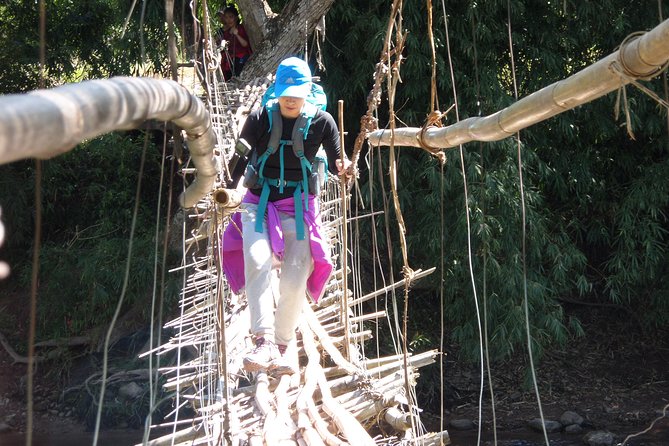
- Survival basics like making a campfire, taught in the field
- Small-group feel with a maximum of 8 travelers
- Forest-to-bamboo cooking with wild vegetables you pick and bamboo-tube meals
- Two nights out at a campsite near a stream with sunrise-style mountain views
- Guide navigation through the jungle and village knowledge along the way
- Strong value for the price once you total meals, fees, and camping gear
Nam Ha National Protected Area: where your hike actually happens
This trek is based in Laos’ Nam Ha National Protected Area, with a route designed for people who want the jungle feeling—not just a photo stop. You’ll hike deep enough that the forest becomes your main soundtrack: birds, insects, footsteps, and the occasional pause to watch your guide read the terrain.
The experience runs in a small group, capped at 8 travelers. That matters. Smaller groups move more smoothly on narrow paths, and you get more back-and-forth with your guide while still keeping a comfortable pace for everyone.
You start at the Hiker Travel Agency Laos in Luang Namtha (17A Main Street, Phonexay Village) at 8:30 am, then you end back at the same spot. If you’re the type who likes a plan but hates rigid marching, this format usually feels like the sweet spot: guided enough for confidence, free enough for discovery.
You can also read our reviews of more tours and experiences in Luang Namtha.
The daily walk: 7 hours of jungle effort (in the best way)
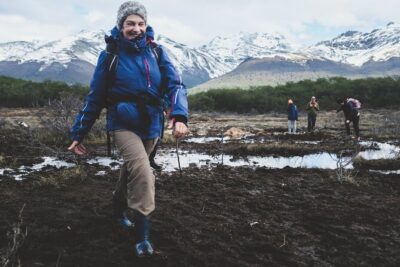
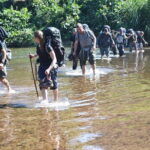
Expect a difficult hike: roughly 7 hours of trekking each day over the 3 days. That’s not a “nice stroll.” The trails can be uneven, and in wet conditions they can get slick. You’ll want to be comfortable with uphill segments, uneven footing, and the reality that you might get dirty and a bit tired.
This is where fitness matters most. The organizer flags that you should have a strong physical fitness level, and the itinerary supports it with long walking days rather than short hops. If you’re used to daily hikes and don’t mind sweating, you’ll likely find it rewarding.
Also consider the weather rhythm. The trek requires good weather, and if conditions aren’t right, the operator may adjust or cancel. Even when the trip runs, rain can change the trail feel fast—so think in terms of readiness, not luck.
Camping on a stream near a mountain peak
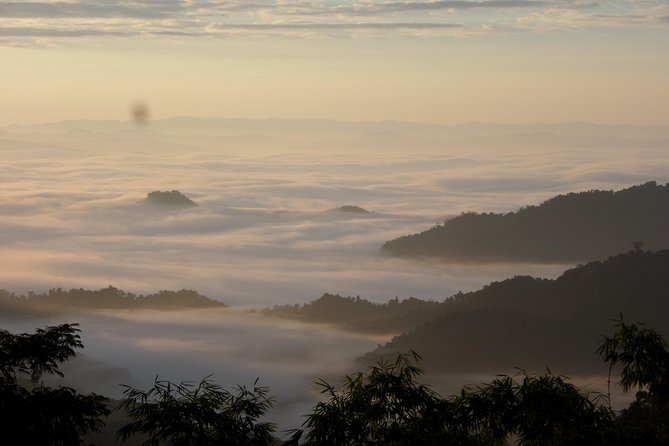
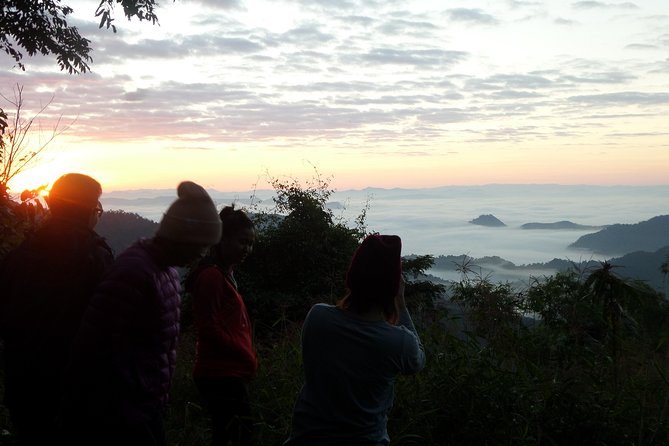
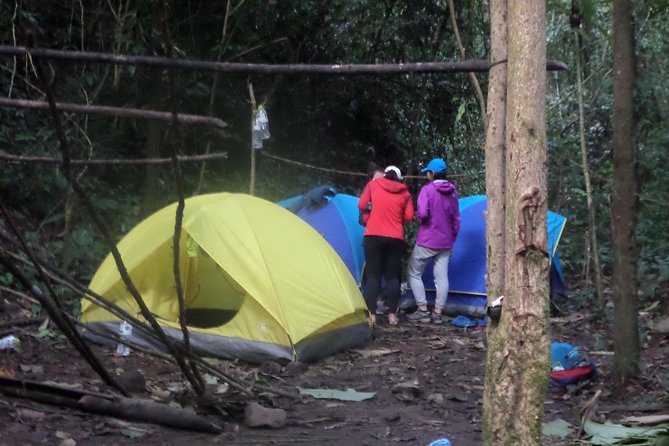
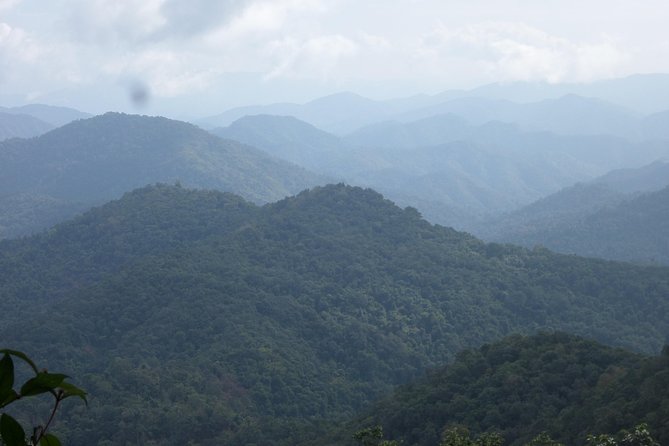
Two nights are spent camping, and the campsite sits near a small stream on a mountain peak. That combination is the reason people book this trek in the first place. One minute you’re hiking in thick forest shade; the next you’re at a camp spot with open views for morning light.
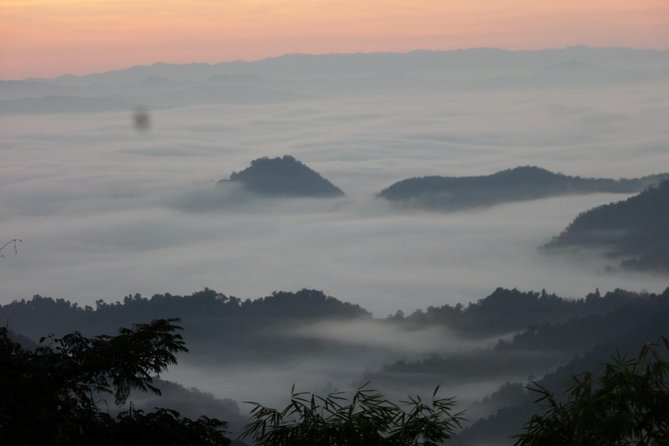
The sunrise aspect is a standout detail. You’re positioned to see it each morning, which turns the camping nights from a basic overnight stop into a real experience moment. It’s also one of those rare travel things where the payoff feels earned rather than staged.
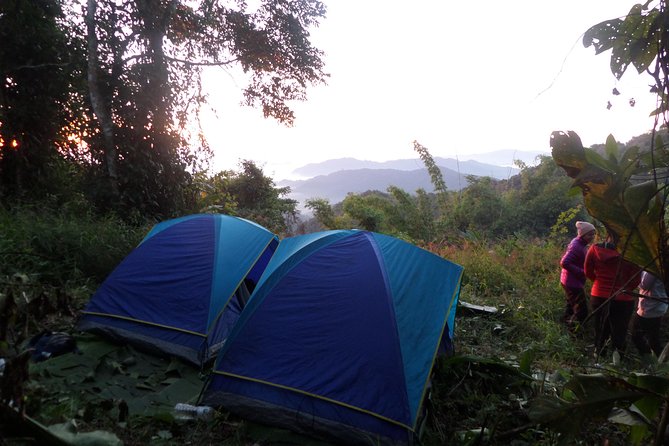
Sleeping arrangements are set up so you don’t arrive empty-handed. You’ll be provided with a tent plus a sleeping bag and mattress, and there’s also mention that you can make your own shelter (depending on setup). Either way, you’ll be sleeping outdoors in the protected-area environment, so pack your calm along with your gear.
Homestay time: village life without the costume
The trek includes homestay time along with camping, which is what gives the trip more soul than a pure wilderness hike. You’ll spend time in local village settings, guided in a way that connects the trail to daily life.
In past runs, routes have included stays tied to village areas such as Nam Vang and Lahou, and some groups have asked to modify the balance between camping and homestay (for example, swapping one night type). That’s useful if you want a slightly different mix of forest time versus village time.
What I like about this homestay component is that it’s not just a checklist. You get a lived-in view of how people eat, talk, and move through the day—right in the middle of the trekking adventure, not as a separate detour.
Meals built from the forest (and cooked in bamboo tubes)
Food is a core part of the Wild Explorer, and it’s not just about calories. The trek includes lunch on all 3 days, plus dinner on days 1 and 2, and breakfast on days 2 and 3. That’s a strong coverage plan for a multi-day hike.
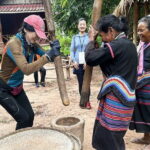
Even better, meals come from natural forest ingredients. You may pick wild vegetables yourself and then cook them local style in bamboo tubes. That’s hands-on and a lot more memorable than the usual “some trail snacks and hope.”
Guides also play a big role here. Several experiences highlight that the guides are able to create tasty meals in the field, turning cooking into part of the day’s rhythm rather than a chore. When you finish a long hike, a warm, well-prepared meal hits differently.
One practical note: since you’re relying on outdoor cooking and variable ingredients, you should be ready for a more rustic style than restaurant food. If you have serious dietary restrictions, you’ll want to talk with the operator ahead of time so the plan fits your needs.
Survival and campfire skills you can actually use
The trek doesn’t just hand you a route. You’ll learn survival-style basics, including how to make a campfire. For many people, that’s the moment the trip stops being only cardio and becomes a real “field skills” experience.
Why this matters: it’s not theoretical. You learn in the setting where you’ll need the skill—after hours on the trail, when light fades and the forest becomes darker and cooler. You’ll also see how your guide thinks about safety, timing, and gear.
Navigation skills are included too. Your guide handles the best way through the wild area, so you’re not spending the day second-guessing your footing and direction. That’s a huge confidence boost, especially for less experienced hikers.
Guide impact: what to look for in real jungle guiding
Guides are a major reason this trek earns high marks. You’ll often see names like Peng, Xai, and Jaiy tied to strong experiences—people who can explain jungle knowledge, local village life, and the practical side of the hike.
What I’d take from that, even if you don’t know your guide yet: look for a guide who pays attention to pace and terrain, and who can connect what you’re seeing to how locals live. When guiding is good, you feel like you’re learning while you’re moving—without slowing down the group too much.
Also, since your guide may teach using English (or another working language), you should consider your comfort level. If English explanations are a big part of what you want, message the operator before you go and ask about communication style.
Gear: what’s included vs what you must bring
Included camping gear is a big part of the value. You get a sleeping bag, mattress, mosquito net, and tent. That reduces your packing stress and helps you travel lighter.
What’s not included is where you should focus next:
- Rucksack
- Hiking boots
- Hat
- Sunscreen
- Mosquito spray
- Torch (flashlight)
- Clothes/shoes to get wet
- Change of clothes
- Warm clothes
- Pocket money
- Raincoat (especially important for wet season)
If you want one simple strategy, pack for the worst weather you might face. Trails can be damp, and you’ll need shoes that can handle water and mud. Bring socks and clothing you don’t mind getting used up, plus something warmer for evenings since you’ll be outdoors for real.
One more detail: since a torch isn’t included, don’t rely on phone brightness alone. You’ll want proper light for camp and for navigating in the dark.
Itinerary flow: how the 3 days tend to feel
Here’s the overall rhythm you can expect across the 3 days, based on the structure and meal plan.
Day 1: You start early in the morning and begin trekking into the Nam Ha area, likely with a strong first block of walking since lunch is provided and dinner is included. This is the day where your body usually decides the pace—so start steady.
Day 2: You continue with another long trekking day (lunch included), and you’ll have breakfast provided. This is also commonly where homestay time shows up, giving you a welcome break from pure camping mode while still staying in the adventure flow. Dinner is included again.
Day 3: One last hike day, with lunch and breakfast included. The trip ends back at the Luang Namtha meeting point, so you’ll likely feel a bit more “wrap and go” in the afternoon—time to reset and plan your next move.
Two nights are spent camping, so you’re getting both “moving day” and “camp day” experiences rather than just hiking nonstop.
Price and value: why $154 can make sense
At $154 per person for 3 days, the price looks reasonable once you tally what’s covered. You’re not just paying for a guide and a trail route—you’re also paying for:
- Meals across the hike (breakfast, lunch, and some dinners)
- Camping setup (tent, sleeping bag, mattress, mosquito net)
- All fees and taxes
- Local village pass fee and forest conservation fund contributions
- Community-based tourism fund support and local escorted-guide wage
That package matters because a wilderness trek can quietly become expensive once you add meals, guide time, entry fees, and equipment rental. Here, you’re getting a bundle that’s meant to keep you focused on the experience rather than the shopping list.
One more practical note: this trek is often booked about 17 days in advance on average, which suggests it’s not a last-minute-only situation. If you want a specific date window, start looking early.
Who should book this trek—and who might not love it
You’ll likely love the Wild Explorer if:
- you want a real jungle hiking challenge (not just an easy nature walk)
- you enjoy field cooking and learning skills like campfire making
- you’re happy sleeping outdoors and appreciate sunrise views from a hilltop stream camp
- you want village time (homestay) mixed into the trek
You might struggle if:
- you’re avoiding difficult hikes or long walking days
- you hate getting damp or muddy
- you want predictable comfort amenities (this is camping-based outdoor sleeping)
- you need very specific dietary requirements without flexibility
Because it’s capped at 8 travelers, it’s also a good fit if you don’t want a huge group slowing you down.
Practical tips to make it smoother on the ground
A few smart moves help this trek feel adventurous instead of stressful:
- Wear boots you trust. The trails can be slippery or wet. Don’t test brand-new shoes on Day 1.
- Bring a rain plan. A raincoat is not included, and wet season can change everything.
- Pack a torch and extra dry items if you can. You’ll appreciate light and comfort at camp.
- Treat hiking as your main priority. The long days are the point, so plan your energy around them.
- Expect food to be rustic and local. Bamboo-tube cooking and wild vegetables are part of the story; it’s not restaurant cuisine.
If you’re the kind of person who likes to arrive prepared, you’ll feel confident right away.
Should you book The Wild Explorer 3-day forest trek with homestay and camping?
If you’re chasing a true Nam Ha forest experience—long hikes, real outdoor cooking, survival-style basics, and sunrise views from a streamside camp—this is a strong choice. The small group size, included camping gear, and meal plan make it good value, and the homestay component adds human depth to the adventure.
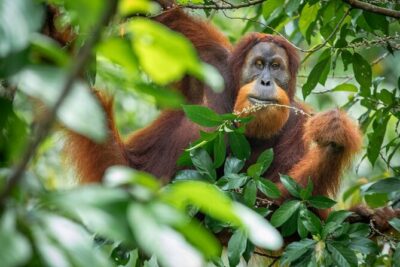
I’d only hesitate if you’re not ready for a difficult, 7-hours-a-day trekking pace or if you depend on guaranteed wildlife sightings. Go in with solid footwear, a rain-ready pack, and the mindset that the best moments are the ones you earn on foot.
FAQ
How long is the Wild Explorer trek?
It lasts about 3 days, with trekking in the jungle for approximately 7 hours each day.
Where do I meet, and what time does it start?
You meet at the Hiker Travel Agency Laos at 17A Main Street, Phonexay Village, Luang Namtha, and the start time is 8:30 am. The tour ends back at the same meeting point.
What meals are included?
Breakfast is provided on Day 2 and Day 3. Lunch is provided from Day 1 to Day 3. Dinner is included on Day 1 and Day 2 only.
What camping gear is included?
Camping gear is included and covers a sleeping bag, mattress, mosquito net, and tent.
What should I bring since it is not included?
You should bring a rucksack, hiking boots, hat, sunscreen, mosquito spray, and a torch. You also need clothes and shoes to get wet, plus change of clothes and warm clothes. A raincoat is listed as not included (especially important in wet season).
How many people are in the group, and how fit do I need to be?
The maximum group size is 8 travelers. The trek is described as a difficult hike, and you’re advised to have strong physical fitness.