REVIEW · LUANG NAMTHA
The Ultimate Hiker’s Choice – 5 days forest trek with homestay and camping
Book on Viator →Operated by The Hiker · Bookable on Viator
One five-day hike in Laos can feel like a week of life lessons. This forest trek with camping and homestay blends real trail time with river swimming and mountain views, all with a small group and hands-on local cooking.
I love how the days are built around the forest itself: rice fields, primary jungle, salt-lick areas, and ridge walking that actually changes how you feel from morning to evening. I also like that meals aren’t just provided, they’re part of the experience, from market shopping on day one to jungle ingredients and campfire dinners.
One thing to consider: this is a serious fitness-focused trek with no cushioning. If your back acts up or you get stressed by basic sleep outdoors, you’ll want to think twice.
In This Review
- Key things that make this trek worth it
- Starting in Luang Namtha: what 8:30am sets in motion
- Small group size (max eight): the hidden advantage in the jungle
- Day 1: market shopping, rice fields, primary forest, stars overhead
- Day 2: learning plants with your guide, then gathering food for dinner
- Day 3: salt licks, a calmer pace, and wildlife tension
- Day 4: sunrise ridge views, crossing Namha River, then Khmu homestay
- Day 5: Lantan villages, hilltop views, and back to town around 16:30
- Sleeping gear and meals: what’s included, what you must bring
- Guides and fitness: the trek’s real requirements
- Cost and value: why $243.02 can work when you add up the real stuff
- Who this trek is perfect for (and who should skip it)
- Should you book this trek?
- FAQ
- How long is the trek?
- Where does the trek start and finish?
- What time does the trek start?
- How many people are in the group?
- What sleeping arrangements are included?
- Are meals included?
- What camping or safety items should I bring?
- Is there any swimming during the trip?
- What fitness level do I need?
- What if I need to cancel?
Key things that make this trek worth it
- Up to eight people means real guide attention on narrow trails and during river and village time
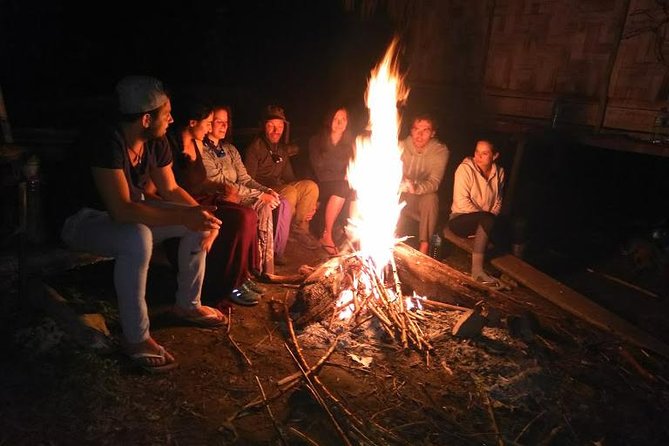
- Camping meals and cooking are built into the rhythm, including campfire dinners and jungle-gathered ingredients
- Namha River includes a swimming moment, not just a pass-by photo stop
- Salt-lick points add wildlife tension to the day, even if you don’t spot animals on cue
- Community-based tourism fund and tribal village fees are included, so local life isn’t an add-on
- You sleep outdoors for multiple nights, then switch to a Khmu homestay for a change of pace
Starting in Luang Namtha: what 8:30am sets in motion
Your day begins at The Hiker Travel Agency Laos on Main Street in Luang Namtha, with a start time of 8:30am. That early start matters because jungle walking is easiest before the heat ramps up, and it gives you more daylight for finding camp spots and moving between villages.
Before you even hit the trail, you’ll handle the practical part: you pack essential items for the trek, then you head to a local market to get cooking ingredients. I like this because it turns logistics into something you can do with your guide and local crew, instead of feeling like you’re rushing to buy supplies at the last second.
You can also read our reviews of more tours and experiences in Luang Namtha.
Small group size (max eight): the hidden advantage in the jungle
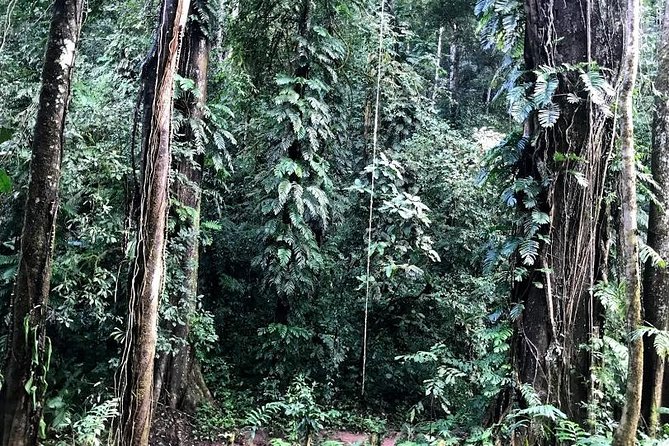
This is limited to a maximum of eight travelers, which changes everything in the forest. When the trail gets tight, you’re not stuck behind a slow moving line. When the guide spots plants, herbs, or signs of wildlife, everyone gets a chance to see and ask.
You also feel the difference in the evenings. Campsites and homestay visits work better when the group stays small, so you get a calmer vibe at the campfire and more personal time with the local families. Solo hikers have specifically noted feeling safe on this kind of small-group trek, which makes sense when the guide and pace are consistent.
Day 1: market shopping, rice fields, primary forest, stars overhead
Day one starts with a mix of prep and immersion. You’ll shop for ingredients at the market, then meet Khmu guides who help you move into the forest. From there, you hike up from rice fields into primary forest, which is a nice transition: open views first, then thicker cover as the jungle closes in.
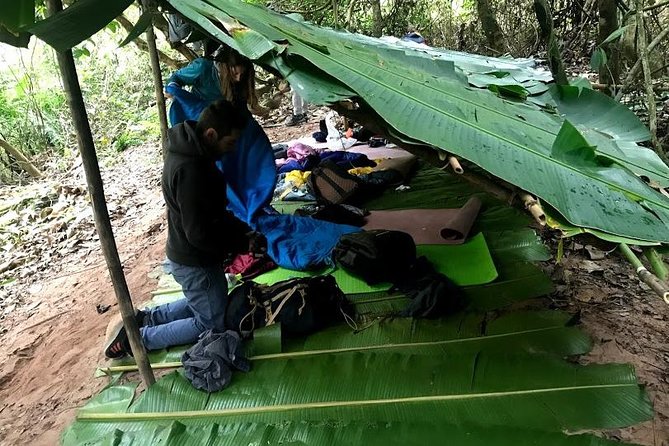
After about six hours walking (including breaks and lunch), you choose a campsite for the night. This is where the trip becomes very real. You cook a jungle dinner and sleep under the stars near the campfire, so you feel both the silence and the night sounds. It’s not “luxury camping,” but that’s the point. The goal here is to let nature set the pace.
A drawback to flag for day one: you can’t outsmart discomfort by trying to tough it out without preparation. Bring the right sleep setup and keep your expectations grounded.
Day 2: learning plants with your guide, then gathering food for dinner
The second day begins with coffee or tea brewed by your guide, followed by a jungle-cooked breakfast. That small touch helps you wake up without wasting energy on chores you didn’t sign up for.
Then the hiking becomes more educational. You’ll keep moving deeper through dense forest, and you’ll see older trees while your guide teaches you about plants, including their medical uses. You’ll also pick herbs and jungle vegetables along the way for dinner. That’s a key part of why this trek feels different from a basic “walk and eat” tour.
If you like hands-on learning, this day is where you’ll feel it. Your senses get pulled into the surroundings: leaves, smells, textures, and the way the guide explains what you’re actually looking at.
Day 3: salt licks, a calmer pace, and wildlife tension
Day three includes salt lick points, which are natural places where wildlife come to lick salt. Even if you don’t see animals right away, the landscape changes. You start noticing tracks, habits, and why the guide might pause at certain spots.
The hiking pace is also described as smooth and shorter, which I appreciate because it lets you recover a bit while staying fully in the forest. You’ll take it slow and enjoy the wilderness and your guide’s commentary.
One detail that stands out: your guide may share experiences from his previous work related to wildlife hunting. It can be fascinating if you enjoy learning how people historically interacted with the forest, but it’s also a reminder this is a real ecosystem, not a theme park.
You still end the day camping again, choosing another suitable forest campsite.
Day 4: sunrise ridge views, crossing Namha River, then Khmu homestay
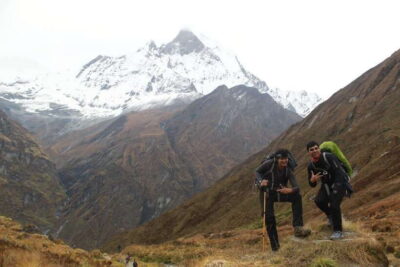
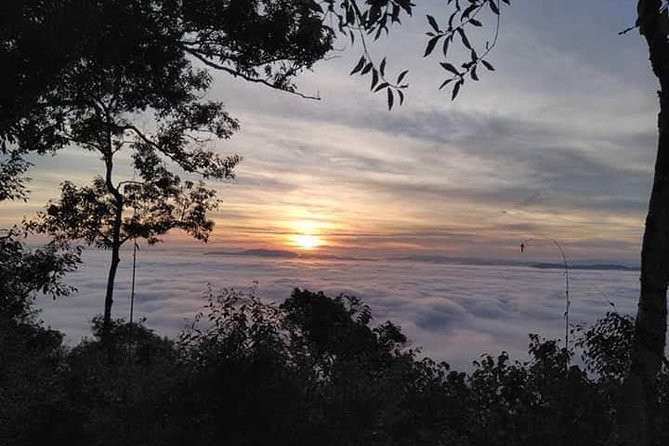
Day four is the “big moment” day. You wake to a cooler morning, enjoy sunrise, then hike along the mountain ridge for a moderate distance. Ridge walking is different from deep jungle trails because your body works steadily while your mind gets filled with wide views.
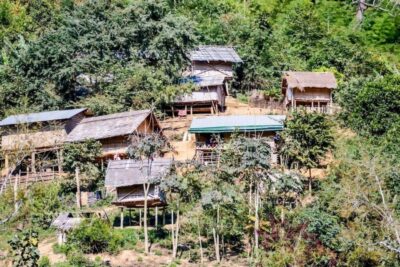
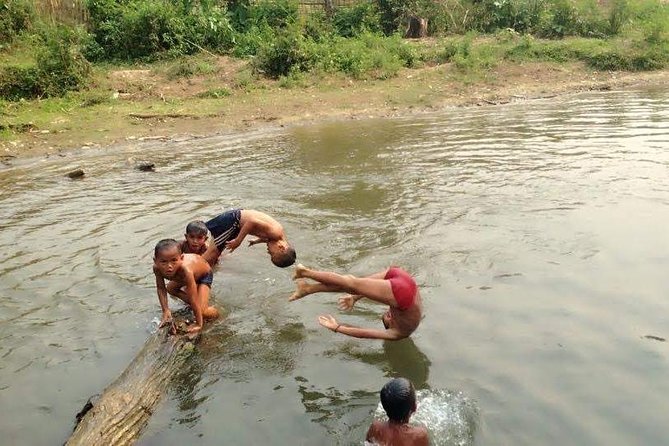
Midway, you cross the Namha River in the jungle. Then you arrive near a Khmu village, where you get a chance to swim in clear water. That’s the kind of stop that turns a trek into a memory you can feel again later, because it’s not just scenery—it’s a reset for your legs and your head.
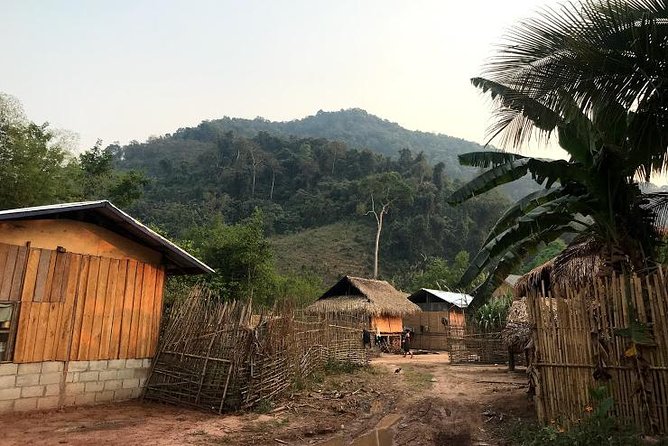
After that, you rest in the village area and do an overnight homestay with a local family. This is where you shift from campsite routines to everyday village life. It’s also where the group size really helps, since homestays run smoother when everyone stays respectful and flexible.
Day 5: Lantan villages, hilltop views, and back to town around 16:30
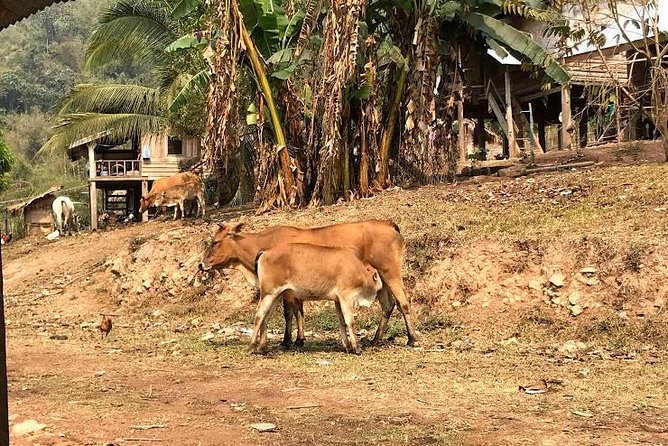
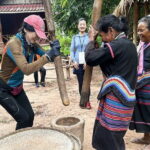
On the final day, you start with breakfast, then trek to nearby Namkoy village of the Lantan ethnic group. You’ll see typical clothing, then you head back into the forest for a few hours.
Eventually you reach a hilltop with wide views, and you stop for lunch there. After lunch, you walk down to another Lantan village where a transit car is waiting on the main road. There’s a short transfer back to Luang Namtha, arriving around 16:30.
The end of day five often feels emotional in a quiet way. You’ve been under the canopy for days, then suddenly you’re back in a road world. If you’re the kind of person who likes gradual transitions, you’ll probably enjoy how this tour closes: ridge to river to village to town.
Sleeping gear and meals: what’s included, what you must bring
This trip includes sleeping gear plus meals for the camping portion, with breakfast and lunch and dinners listed as included. Practically, expect meals throughout the trek: breakfast (4), lunch (5), dinner (4).
Meals aren’t just boxed food. Day one includes market shopping so you can cook, and later days include gathering jungle ingredients for dinner. Even if you don’t remember every herb name, you’ll remember the effort and the flavor.
What’s not included is also important because jungle sleep and jungle skin are two different problems:
- Hiking boots (you’ll want proper traction)
- Backpack
- Hat, sun-cream
- Mosquito spray
- Torch
- Warm clothes and change of clothes
- Raincoat for wet season
My practical advice: plan for real nighttime temperature swings and real insect exposure. A torch matters for campsite routines after dark, and boots matter because you’ll be moving on uneven forest ground.
Guides and fitness: the trek’s real requirements
This is designed as a true hiking adventure, and the requirements are clear. You should have a strong physical fitness level, and the tour notes no back problems and no serious medical conditions. It also lists no expectant mothers.
This isn’t meant to discourage you. It’s meant to keep expectations honest. The trails are through dense forest, with days that include steady walking for hours and at least one ridge day. If your body isn’t ready, you’ll spend the trek thinking about pain instead of the views and the forest.
The guide team is a big part of the experience quality. Names that show up in past hikers’ stories include Kham, Kam, Mie, and Xai, with Tom appearing as an organizing manager figure. What matters is the mix of strengths: guiding skills, English communication, and food/cooking ability. A strong cooking setup makes the difference between “enduring the jungle” and actually enjoying it.
Cost and value: why $243.02 can work when you add up the real stuff
At $243.02 per person for five days, the price isn’t just about walking. You’re also paying for:
- Sleeping gear included
- Meals included across multiple days
- All fees and taxes included
- A community-based tourism fund plus tribal village visit fees
- A small group setup
A lot of cheaper tours cut corners on the places that matter, like guide support and food logistics. Here, the included fees are significant because the trek visits village communities and includes the associated access and support.
That also means you should judge value by your priorities. If you’re okay with basic camping and you want real forest time, this is priced fairly for what you get. If you’re mainly looking for comfort or short easy walks, you might find better matches elsewhere.
Who this trek is perfect for (and who should skip it)
This trek is a great fit if you want:
- Long, active days in jungle terrain
- A guided experience with plant and forest knowledge
- Camping that’s part of the story, not a side note
- Village visits that come with included community fees
It’s also a good match if you travel solo and want structure. People have said they felt safe during solo participation, and a small group with a consistent guide makes that easier.
Skip it if:
- You need gentle walking and lots of flexibility
- You’re sensitive to insects, basic sleeping conditions, and the lack of creature comforts
- You have back issues or any serious medical concerns that the tour rules flag
Should you book this trek?
Yes, book it if you want a real jungle hiking circuit in Laos with a human side: camping, community visits, and river swimming. The small group size and included meals and gear are the kind of value that reduces friction, letting you focus on the trail.
But don’t book it if your idea of a good day is low effort and high comfort. This is for strong walkers who can handle long hours, basic camping routines, and the physical reality of ridge and forest terrain.
If you do book, prepare well: boots, mosquito spray, sun protection, a torch, and warm layers for evenings. Then show up ready to slow down and pay attention. That’s when the experience turns from a trek into a story you’ll tell for years.
FAQ
How long is the trek?
It runs for about 5 days.
Where does the trek start and finish?
It starts and ends at The Hiker Travel Agency Laos on Main Street in Luang Namtha.
What time does the trek start?
The start time is 8:30am.
How many people are in the group?
The maximum group size is eight people.
What sleeping arrangements are included?
Sleeping gear is included, and you’ll camp outdoors on multiple nights plus do an overnight homestay in a local village.
Are meals included?
Yes. Breakfast, lunch, and dinner are included during the trek.
What camping or safety items should I bring?
Bring a backpack, hiking boots, a hat, sun-cream, mosquito spray, and a torch. A warm layer and raincoat may be needed depending on the season.
Is there any swimming during the trip?
Yes. On the day near the Khmu village, you can swim in clear water near the Namha River area.
What fitness level do I need?
You should have a strong physical fitness level, and the tour states there should be no back problems or serious medical conditions.
What if I need to cancel?
You can cancel for a full refund if you cancel at least 24 hours before the experience start time.