REVIEW · LUANG NAMTHA
Nalan Trail Kmu Ethnic Experience – 2days forest trek with homestay.
Book on Viator →Operated by The Hiker · Bookable on Viator
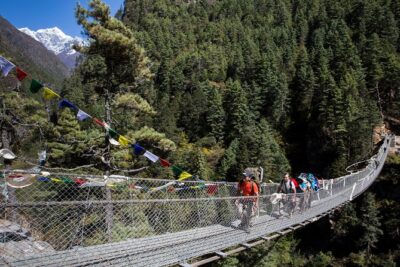
Two days in the forest beats the usual tour circuit. You’ll hike in Nam Ha National Protected Area, learn how families use what the woods provide, and sleep either in a homestay or by a calm riverbank where a swim is possible.
What I really like is the tight focus: walking time is substantial (about 6 hours per day) and the route connects forest, valley scenery, and village life instead of just stopping at one viewpoint. The other big win is value for what’s included, from meals and sleeping gear to the various village and conservation fees. The main consideration is that this is not a stroll. You need moderate fitness, and you’ll want to be ready for basic conditions outdoors.
In This Review
- Key highlights you’ll feel quickly
- A 2-day Nam Ha trek with real village rhythm
- Day 1: Minivan to Nam Ha NPA, then uphill forest walking
- Day 1’s hidden value: how the forest becomes daily food
- Overnight choice: homestay or riverbank lodging
- Day 2: early morning villages, possible cold shower or swim
- What you’ll actually do in the “hill tribes and villages” part
- Why the included fees matter (and how to think about value)
- Price and logistics: small group, mobile ticket, 8:00 am start
- What to bring for a forest trek (the stuff that keeps you comfortable)
- Who should book this experience
- A real note on guides: Peng’s plant-and-herb explanations
- Should you book the Nalan Trail Kmu Ethnic Experience?
- FAQ
- How long is the trek?
- How much does it cost?
- Where is the meeting point?
- What time does the tour start?
- What’s included in the price?
- What should I bring that is not included?
- What kind of fitness level do I need?
- What if the weather is bad or I need to cancel?
Key highlights you’ll feel quickly
- Small group size (max 8 people) means you move at a human pace and your guide can slow down for questions.
- Nam Ha NPA forest walking starts with an uphill section through secondary forest and keeps you in the park environment most of the time.
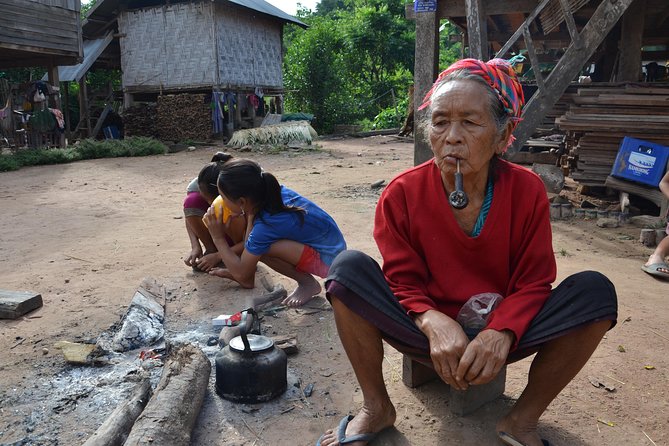
- Overnight options: homestay with local families or lodging alongside the riverbank, with time for a dip when conditions allow.
- Guide-led learning includes talking about native plants and herbs along the way; one praised guide, Peng, is noted for this kind of explanation.
- Meals and sleeping gear included reduces what you need to carry from Luang Namtha.
A 2-day Nam Ha trek with real village rhythm
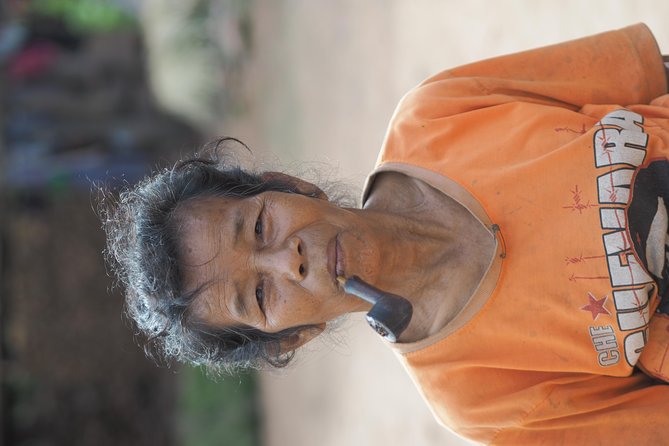
This is the kind of Northern Laos trip that works best when you lean into the rhythm of the day: walk, stop, eat, rest, and then walk again. The goal isn’t to race from stop to stop. It’s to spend enough time in Nam Ha National Protected Area to feel how the forest shapes everyday village life.
You also get a small-group format. With a maximum of 8 people, the experience tends to feel more personal than the big-day-tour style. And because it’s based around community visits, your trip has an outward direction: you’re not only looking at nature, you’re watching how people live alongside it.
You can also read our reviews of more tours and experiences in Luang Namtha.


Day 1: Minivan to Nam Ha NPA, then uphill forest walking
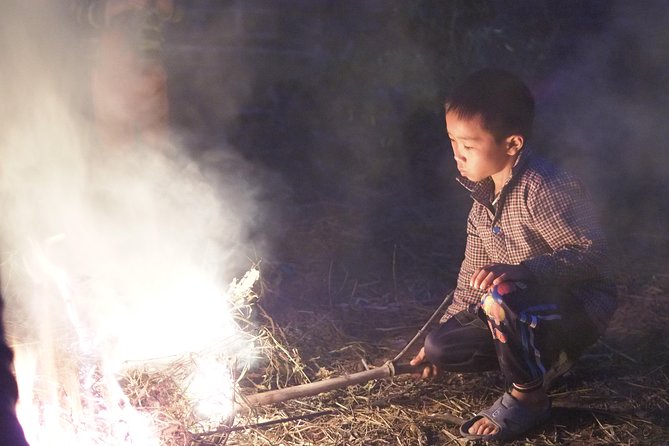
You start at 8:00 am from the Hiker Travel Agency Laos on 17A Main Street in Phonexay Village (Luang Namtha). From there, you take a half-hour minivan ride to the beginning point of the hike. That short transfer matters because it gets you into the park quickly without burning half the day on road time.
Once you’re on the trail, the first stretch goes up the hill for about an hour through secondary forest. This is a good thing to know in advance: even though the trek is only two days, the elevation work happens early on Day 1, so you’ll want to start steady and not sprint the first hour.
After that initial climb, the route turns toward descent and continued valley walking. The practical takeaway: bring layers you can manage while climbing, then plan to slow down on the downhills. Downhills can be harder on your legs than you expect, especially when you’re also settling into a new hiking rhythm.
Day 1’s hidden value: how the forest becomes daily food
The marketing line about forest learning isn’t just a slogan here. The experience is built around how locals use forest goods to feed themselves. That usually means your guide will point out plants and practical uses during the walk, so you’re not just “walking in a forest.” You’re learning what people notice and why.
One review specifically praised guide Peng for explaining native plants and herbs during the trek. That matters to you because it shifts the hike from scenery to understanding. You’ll get more from the forest if you treat the trail like a moving classroom, not just a path.
There’s also a community rhythm layered into the trekking. Even on Day 1, you’re heading toward villages as part of the overall route, not only toward a campsite.
Overnight choice: homestay or riverbank lodging
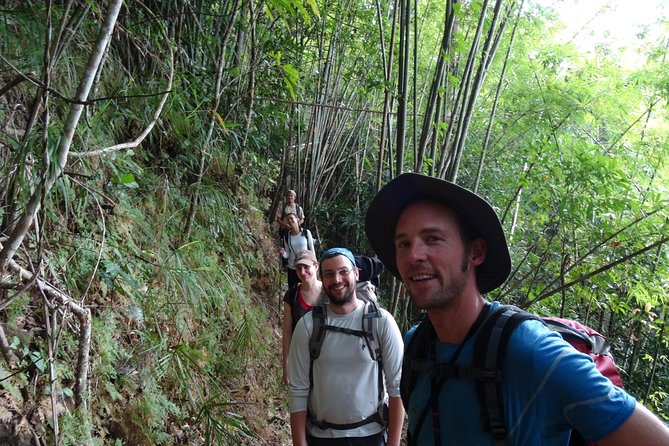
At the end of Day 1, you’ll sleep either in a homestay with local families or in lodging along the riverbank. Both options fit the overall theme, but they feel different.
A homestay usually means closer interaction with daily life and a chance to see household routines firsthand. Riverbank lodging, on the other hand, often feels calmer and more open—plus it includes time where you can have a swim in a clear river.
What you should watch for: the trip includes sleeping gears, but it does not include warm clothes or rain gear (especially in the wet season). Even if daytime hiking feels warm, evenings can cool off outdoors. Plan to be comfortable with basic conditions.
A helpful mindset: treat whichever option you get as part of the experience. The value is in the setting and the community connection, not in expecting hotel-style consistency.
Day 2: early morning villages, possible cold shower or swim
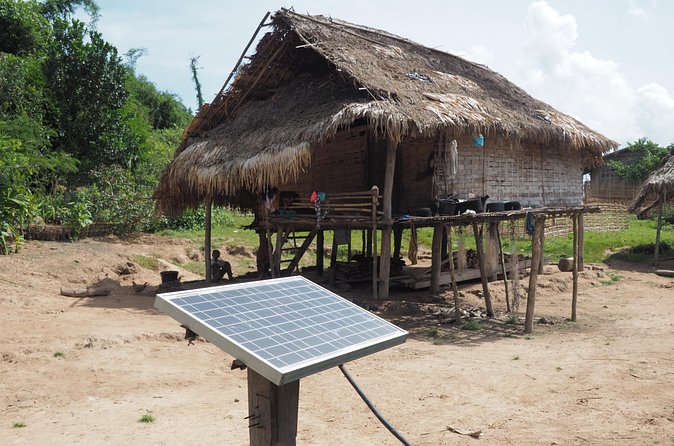
Day 2 starts early. The payoff for mornings like this is that you see villages before the day fully heats up. You’ll have options depending on conditions and how you feel, including a cold shower or a swim in the river. Not everyone loves cold-start water, but if you do, it’s a quick reset that makes the rest of the day easier.
After that, you can walk through villages and watch local people prepare for their working day. That’s where the trip becomes more than a hike. You’re seeing routine: movement, chores, and the practical side of life that doesn’t require a “performance” for visitors.
Then you relax and drink coffee (the schedule indicates coffee time), and you continue with more village viewing as you walk along the mountain valley. The overall arc is steady: nature in the morning, village life before you lose the morning energy.
What you’ll actually do in the “hill tribes and villages” part
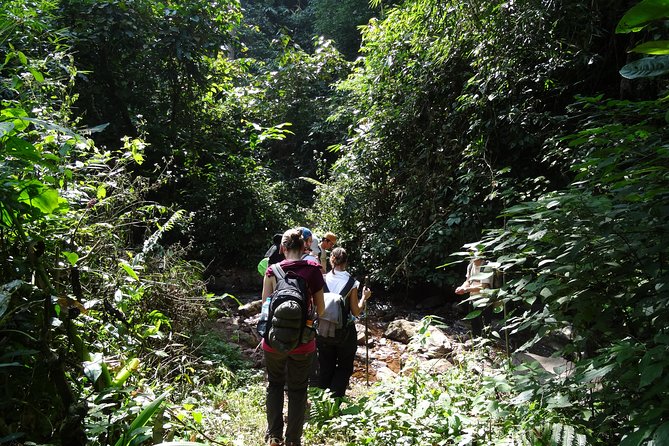
The route is described as walking along the mountain valley to visit different hill tribes and villages. You can expect to spend real time in village areas, not just pass by.
Because the trip is small and guide-led, your best approach is to ask simple, respectful questions while you’re there. The experience is structured around learning how people live and work, and the guide’s job is to connect the dots for you—especially around plants, forest use, and daily routine.
Also, remember this is a national park setting. You’re likely to be moving through areas where the forest matters as much as the people. Keep your pace respectful and your questions thoughtful.
Why the included fees matter (and how to think about value)
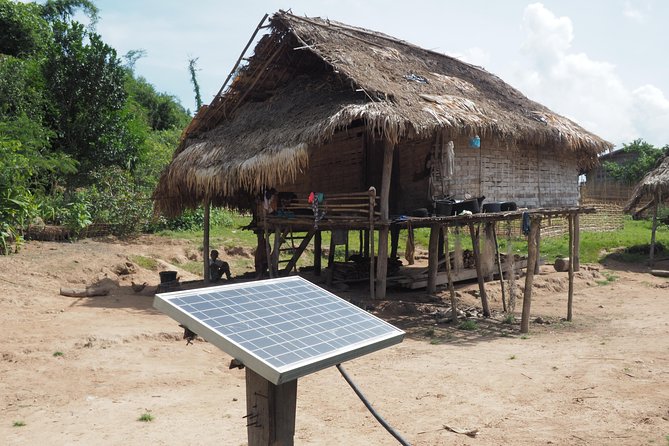
The price is $115 per person for about two days. At first glance, you might wonder if it’s “just a hike.” But what you’re paying for is a package that covers a lot more than walking time:
- Breakfast and dinner, plus lunch (2 lunches are included)
- Sleeping gear
- All fees and taxes
- A community-based tourism fund
- A tribal villages visit fee
- A forest conservation fund
- An admission ticket included in the schedule
That means you’re not constantly paying extra to keep the trip going. It also means the organizer has built in the village and conservation costs rather than treating them like add-ons.
Is it cheap? Not really. But it’s a fair price for a guided, multi-day, community-focused hike with meals and gear support. The value improves further if you travel light, because items like sleeping gear reduce what you need to buy or carry from home.
Price and logistics: small group, mobile ticket, 8:00 am start
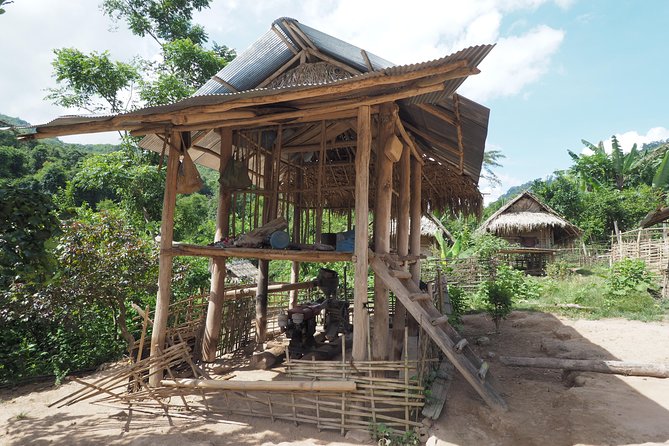
A few practical details are worth calling out because they shape your day.
This experience is scheduled to start at 8:00 am and ends back at the meeting point in Luang Namtha. It also runs with a maximum of 8 people, which usually means you won’t have long waits for the group.
You’ll also have a mobile ticket, which tends to make check-in simpler once you’re on the ground.
One more thing: the trip is recommended for moderate physical fitness. If you’re comfortable doing day hikes, you should be fine. If you usually avoid stairs and uneven ground, this will likely feel like hard work, especially with uphill time early on Day 1.
What to bring for a forest trek (the stuff that keeps you comfortable)
The trip includes key basics like sleeping gear, but it does not include many of the practical comfort items hikers need in the tropics and forest margins.
Plan to bring:
- Rucksack
- Hiking boots
- Hat
- Sun-cream
- Mosquito spray
- Torch
- Change of clothes
- Warm clothes
- Pocket money
- Raincoat (especially useful for wet season)
If you forget these, your hike can turn annoying fast. Sun and insects are not theoretical on a forest trek, and a torch matters because “night” in the outdoors isn’t lit like a city sidewalk.
For packing style, think utility over volume. You don’t want a heavy pack that makes uphill sections miserable.
Who should book this experience
This trek is a strong fit if you want:
- A guided forest hike with meaningful village visits
- A small group setting (max 8 people)
- An opportunity to learn about native plants and how people use forest resources
- Either a homestay experience or riverbank downtime with possible swimming
It’s also a good match for couples and friends who like to move together at a steady pace. If you enjoy asking questions and watching how daily life actually works, you’ll get more from the village time.
If you’re chasing a luxury comfort level, you might feel less happy. This is outdoors, with simple conditions and basic gear support.
A real note on guides: Peng’s plant-and-herb explanations
One detail that stands out from the feedback is the guide quality. A review praised guide Peng for being excellent throughout the trip, including native plant and herb explanations during the walk. It also mentions a small local market tour before starting.
You shouldn’t expect the exact same extras every time, but it’s a good sign: the best moments in this kind of trek often come from the guide’s storytelling. If you want to maximize learning, ask your guide what local plants are used for, and what you’re seeing is actually doing in village life.
Should you book the Nalan Trail Kmu Ethnic Experience?
Book it if you want a two-day trek that mixes Nam Ha National Protected Area walking with hands-on community village time, and you’re okay with basic outdoor conditions. The inclusive price makes it easier to say yes without doing lots of last-minute expense math, and the small group size gives you a more human experience.
Skip it (or ask more questions before committing) if you need a very predictable, comfortable setup—especially regarding warm clothing and wet-season rain readiness. Also be honest about fitness: uphill work starts early on Day 1.
If you’re the type who likes forests, people, and learning from a good guide, this is a solid bet for Northern Laos.
FAQ
How long is the trek?
It runs for about 2 days. The schedule lists roughly 6 hours on Day 1 and about 6 hours on Day 2.
How much does it cost?
The price is $115.00 per person.
Where is the meeting point?
You meet at The Hiker Travel Agency Laos, 17A Main Street, Phonexay Village, Luang Namtha 03000, Laos.
What time does the tour start?
Start time is 8:00 am.
What’s included in the price?
Included are breakfast, dinner, lunch (2), sleeping gears, all fees and taxes, a community-based tourism fund, tribal villages visit fee, and a forest conservation fund. Admission ticket is also included.
What should I bring that is not included?
Bring a rucksack and hiking boots, plus a hat, sun-cream, mosquito spray, and a torch. The tour also doesn’t include change of clothes, warm clothes, pocket money, or a raincoat (wet season).
What kind of fitness level do I need?
You should have moderate physical fitness level for this experience.
What if the weather is bad or I need to cancel?
The experience requires good weather. If it’s canceled due to poor weather, you’ll be offered a different date or a full refund. Cancellation is free up to 24 hours in advance for a full refund.