REVIEW · HANOI
Sapa trekking 2days by bus from Hanoi ( over night in homestay)
Book on Viator →Operated by Mountain Light Travel · Bookable on Viator
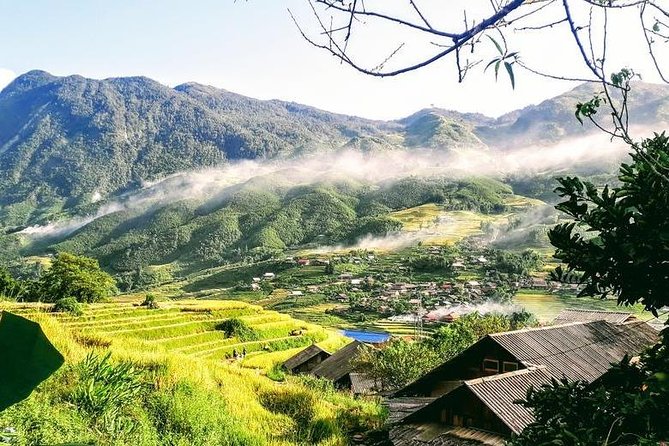
A 2-day trek turns Sa Pa into a real experience. You’ll see mountain views, terraced rice fields, and village life up close, with an overnight homestay that makes the trip feel personal instead of rushed.
What makes it stand out is the rhythm: a morning bus from Hanoi, a full trekking day through Muong Hoa valley, then another guided day on to more village paths before you head back to Hanoi at night.
I really like two things. First, the human side: guides such as Zu, Khu, Nhu, Chinh, and Khu Ly are repeatedly praised for clear English and for helping you understand what you’re seeing. Second, the walking itself: bamboo forest and rice-field paths, plus suspension-bridge moments, give you that steady sense of getting deeper into the landscape rather than just stopping for photos.
One consideration: the hike can mean wet, muddy ground—especially in rice areas. One comment also notes it can feel less like a single big mountain climb and more like village-and-field walking, with frequent opportunities to buy small crafts (which some people might find distracting).
In This Review
- Key points to know before you go
- Price and logistics: what $79 really gets you
- Day 1: arriving in Sa Pa, then walking into Lao Chải and Ta Van
- Stop in Sa Pa town: lunch first, then trekking
- Trek to Lao Chải: Black H’mong village views and valley entry
- Ta Van Village: the homestay core of the trip
- Day 2: starting from the homestay, bamboo forest paths, and Giang Ta Chai
- Ta Van to the trail: a different kind of morning
- Giang Ta Chai Village: rice fields, bamboo forest, and a suspension bridge
- Back to Sa Pa town for lunch, then the Hanoi ride
- What the homestay adds (beyond a place to sleep)
- Guides make or break your trek: Zu, Khu, Nhu, Chinh, and Khu Ly
- Trekking style: how hard is it, really?
- Village culture and crafts: what you’ll likely notice
- Food during the trip: breakfast, lunch, dinner, and homestay meals
- Weather and timing: when Sa Pa cooperates
- Who should book this Sa Pa trekking tour
- Should you book it?
- FAQ
- What time does the tour pick me up in Hanoi?
- How long is the trip and what time do I return to Hanoi?
- What does the $79 price include?
- How big is the group?
- Is pickup included if I’m staying outside the Old Quarter?
- What villages do we visit during the trek?
- Do I need to be physically fit?
- Is the trek hard or technical?
- What happens if the weather is bad?
- Can I cancel for a full refund?
Key points to know before you go
- Local English-speaking guides who explain village culture and daily life, including guides like Zu, Khu, Nhu, Chinh, and Khu Ly
- Overnight homestay plus meals (breakfast and dinner included), so you don’t just pass through villages
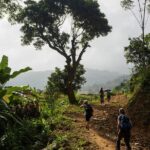
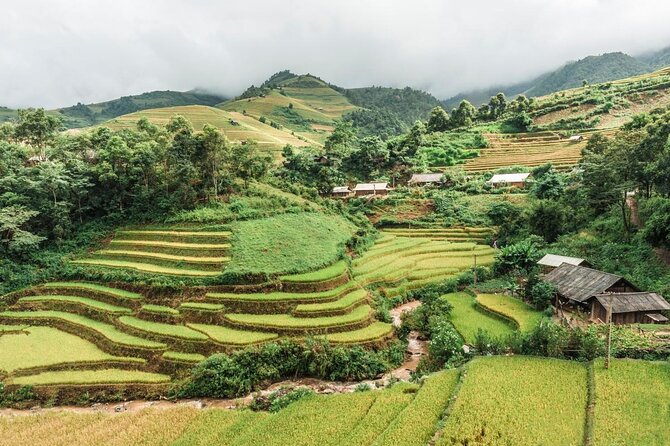
- Village-to-village trekking through rice fields, bamboo forest, and rural footpaths
- Suspension bridge crossing on Day 2 near Giang Ta Chai
- Small group size (maximum 15 travelers), which tends to make the experience feel less crowded
- Weather matters since the tour requires good conditions for trekking and scheduling
Price and logistics: what $79 really gets you

For $79 per person, this tour is priced like a solid value option because the cost isn’t only “for the walk.” You’re also paying for round-trip air-conditioned coach transport from Hanoi, hotel pickup in the Old Quarter, an overnight stay in a homestay, meals, and a local guide.
The key practical detail is the schedule. You leave Hanoi early, arrive in Sa Pa around midday, trek the afternoon and early evening, then return the next day. That means you get at least two guided trekking sections without losing a full extra day to travel.
A small but important detail: pickup is only within the Old Quarter. The meeting point is listed at 54 P. Hàng Tre, Lý Thái Tổ, Hoàn Kiếm, Hà Nội. So if you’re staying outside that area, double-check how you’ll get there. This is also built around morning starts and a hard finish time in Hanoi, with arrival back at about 22:00.
You can also read our reviews of more tours and experiences in Hanoi.
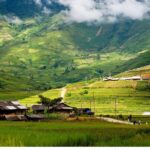
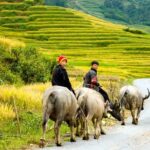
Day 1: arriving in Sa Pa, then walking into Lao Chải and Ta Van
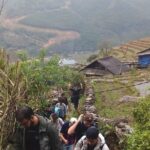
On Day 1, you’re picked up in Hanoi between 06:30 and 07:00 in the Old Quarter. The bus departs shortly after, and you’ll have one or two short breaks along the way so you can rest your legs and use the restroom. You’re scheduled to start arriving in Sa Pa around 12:30–13:00.
Stop in Sa Pa town: lunch first, then trekking
Once you arrive, you’ll get lunch at a hotel in Sa Pa town. This is a smart choice. You don’t immediately head out on a long hike while you’re still cold and tired from the bus ride. You get food, then you start trekking around 14:00.
Trek to Lao Chải: Black H’mong village views and valley entry
The first big trekking segment is toward Lao Chải, which is about 6 km from the Sa Pa center. Lao Chải is described as home to the Black H’mong community, and it also works as a starting point for the Muong Hoa valley feel.
You have about one hour at Lao Chải. In that short window, you’ll mostly be absorbing the setting: village layout, terrace edges, and how the valley opens up. If your ideal trek is about slow scenic wandering with minimal rushing, this first stop keeps things manageable—especially since you’re not starting from the top of a mountain.
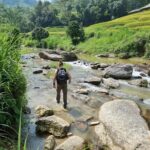
One thing to keep in mind: village paths in this region can shift from dry dirt to muddy patches depending on recent weather. If you hate getting your shoes dirty, bring shoes you can live with.
Ta Van Village: the homestay core of the trip
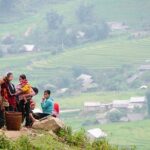
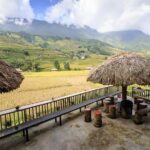
After Lao Chải, you trek to Ta Van Village, and this is where the trip changes from sightseeing to “living the day.” The homestay element isn’t just a place to sleep. The program time includes the evening with local life, and Ta Van is presented as a convergence of sky-and-earth with rustic houses and daily rhythms that feel grounded.
You’re scheduled to arrive later in the afternoon and stay overnight. Some of the strongest praise in the feedback centers on the homestay experience: people mention food that feels safe and tasty and the way guides help you understand what you’re seeing in real life, not just as a tourist stop.
Practical takeaway: on this first day, your effort is rewarded quickly. You’re walking into village settings while daylight still gives you that highland contrast—terrace lines, bamboo shadows, and mountain air.
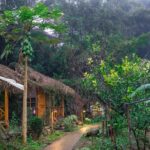



Day 2: starting from the homestay, bamboo forest paths, and Giang Ta Chai

Day 2 starts with breakfast around 07:00 at the homestay. Then you’re scheduled to begin trekking around 08:30–09:00.
Ta Van to the trail: a different kind of morning
Trekking later in the morning changes the feel. You’re not climbing into the day with bus fatigue, and the trail usually feels more steady underfoot than a freshly cooled morning. You also have a fresh base after breakfast, so you can focus on the visuals and the guide’s explanations.
Giang Ta Chai Village: rice fields, bamboo forest, and a suspension bridge
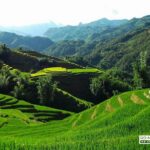
The main walking segment on Day 2 is toward Giang Ta Chai Village. You’re looking at about four hours here. The route is described as going through bamboo forest and rice fields, and it includes a suspension bridge crossing to the other side of the river.
This is one of those “you’ll remember this” moments. Not because it’s an amusement-park bridge, but because it changes your perspective. You get that sense of scale—valley width, river depth, and how villages connect across water. It also breaks up the hike visually, so the day doesn’t feel like one long stretch of similar terrain.
At the same time, four hours is the real physical chunk of the trip. You’ll want to pace yourself and take breaks when your guide suggests it. If you like steady effort and scenic payoff, this is the part that delivers.
Back to Sa Pa town for lunch, then the Hanoi ride
After the trek, you return to Sa Pa town for lunch around 13:00. Then you start heading back to Hanoi at around 15:00, with arrival back at about 22:00.
This “lunch and then bus” design is convenient. It prevents the common problem of finishing a hike and having no real meal plan. It also means your evening in Hanoi isn’t swallowed by extra transit time.
What the homestay adds (beyond a place to sleep)
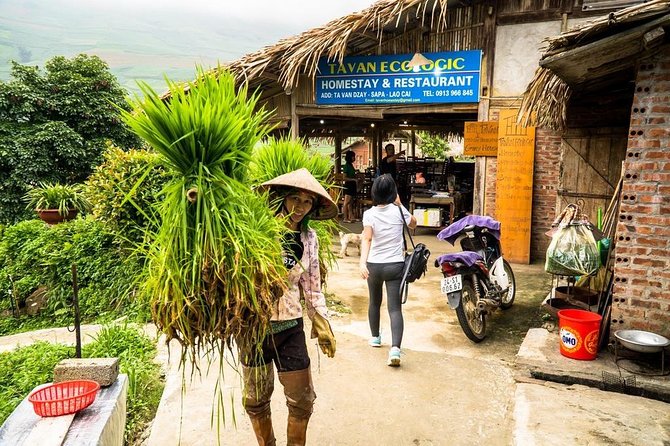
The overnight homestay is a core reason people recommend this tour. You’re not only seeing villages during a quick stop—you’re experiencing how daily life works before and after the trek.
Based on feedback themes, the homestay side tends to deliver three things:
- Meals that people describe as safe and tasty
- A calmer atmosphere than a hotel day, because the day is built around the trek
- Guides who stay active in helping you understand village culture and daily routines
You’ll also have downtime in the evening. That matters because trekking days can feel mentally loud—when you’re surrounded by views, your body still needs a chance to reset.
If you’re used to hotels with predictable comfort, go in with open expectations. A homestay isn’t a luxury resort, but this trip’s pricing and structure suggests comfort-by-organization: meals are included, and your guide helps smooth the experience.
Guides make or break your trek: Zu, Khu, Nhu, Chinh, and Khu Ly
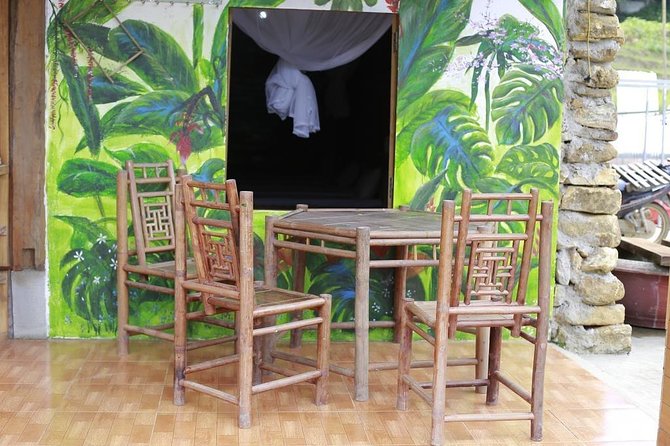
This tour leans hard on guide quality, and the pattern is consistent. Several names come up in the feedback: Zu, Khu, Nhu, Chinh, and Khu Ly. The praise isn’t just about friendliness. People highlight English skills and the way guides explain what you’re walking through—villages, culture, and the meaning behind crafts and daily tasks.
For you, this matters because Sa Pa is more than a viewpoint. You can walk through rice fields and bamboo and still miss the context. A guide who can connect terrain to culture makes the trek feel intentional.
You’ll also appreciate how the guide handles small practical moments—helping you understand where to go next, how to manage timing, and what to expect from each village segment. That’s why the group size is capped at 15; you want a guide who can manage pace without turning the day into a herd.
Trekking style: how hard is it, really?
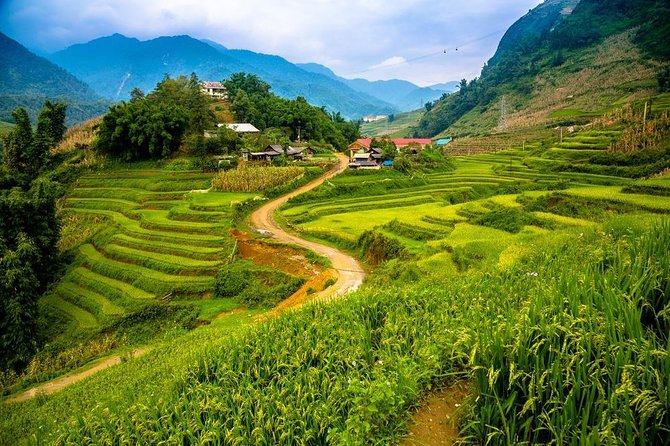
The tour notes you should have strong physical fitness. That doesn’t mean it’s a technical mountaineering hike. It means you should be comfortable with walking durations and uneven paths.
Here’s the honest pacing, in plain terms:
- Day 1: a mid-day start from Sa Pa town, then walking through Lao Chải and continuing to Ta Van
- Day 2: a longer trekking block toward Giang Ta Chai, including bamboo forest, rice fields, and a suspension bridge
One piece of feedback also suggests that some people expected more of a steep mountain climb. If that’s your mental image, adjust your expectations. This is more about village-and-valley trekking: footpaths, terraces, and river crossings.
The terrain can be muddy in rice areas. So wear shoes that can handle wet earth. Bring rain protection if you’re traveling in shoulder seasons or when weather shifts fast.
Village culture and crafts: what you’ll likely notice
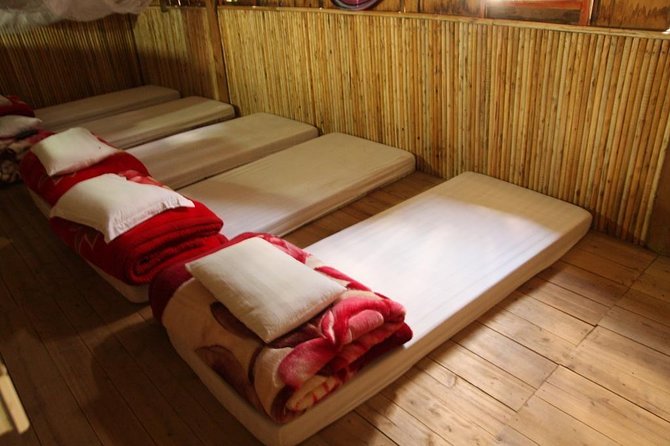
The tour is set up for more than scenery. Sa Pa is home to ethnic communities, and the program specifically highlights culture in villages such as Ta Van and Lao Chải, plus the trek toward Giang Ta Chai.
What you should pay attention to during your visits:
- How houses are arranged and how daily chores fit around terraces
- How people move through the landscape, not just how the landscape looks
- Traditional skills tied to village life, such as weaving and other local crafts
You might also run into frequent opportunities to buy small items. One caution from feedback: some people find the constant approach can feel intrusive, especially if you’re trying to focus on the walk and the views. If you’re the type who hates shopping while hiking, decide ahead of time how you’ll handle it—polite no’s, short conversations, or simply keeping your attention on the scenery.
Food during the trip: breakfast, lunch, dinner, and homestay meals
Meals are built into the schedule, and that’s a quiet value point. You’re not doing day-long trekking with empty stomach stress.
Included meals:
- Breakfast at the homestay on Day 2
- Dinner included (Day 1 evening)
- Lunch included twice (Day 1 in Sa Pa town and Day 2 back in Sa Pa town)
- Bottled water
From the feedback themes, people are generally positive about taste and safety of meals at the homestay. If that’s important to you, this tour’s structure makes it easier than trying to wing your own village stay.
Still, keep practical expectations. Homestay food can be simpler than restaurant fare. The win is consistency: meals are included and planned, which keeps you fueled for trekking.
Weather and timing: when Sa Pa cooperates
This experience requires good weather. That’s not a throwaway line. In Sa Pa, mist, rain, and muddy conditions can change trekking routes and safety.
If the tour gets canceled due to poor weather, you’ll be offered a different date or a full refund. It’s worth taking seriously if you’re on a tight schedule. Choose flexible travel days around your Sa Pa time slot.
Timing also matters. You start early, trek hard in daylight, and you need to be ready to get on the bus when it’s time to leave. If you’re the type who likes slow, late mornings, this tour will still work, but your freedom is limited by the schedule.
Who should book this Sa Pa trekking tour
This is a strong fit if you want:
- A guided trek that reaches ethnic villages, not just one viewpoint
- An overnight homestay so the trip includes an evening with locals
- A manageable group size (max 15) and a guide who can explain culture
- A value-focused trip that includes transport and meals in one package
It’s less ideal if you:
- Want an all-steep, high-altitude mountain climb. This is more village-and-valley walking.
- Hate muddy ground and don’t want any chance of wet conditions.
- Don’t like being approached for small purchases during village visits.
Should you book it?
I’d book this tour if you want a structured, low-stress way to see Sa Pa with real context—guided village walking plus an overnight homestay—without having to plan transport and meals by yourself.
The decision comes down to your trekking expectations. If you’re happy with steady walking through rice terraces, bamboo paths, and village crossings (including a suspension bridge), you’re going to love the way the day unfolds. If you want only dramatic summit views or you refuse any muddy terrain, you may feel like the trek is more grounded and village-focused than you expected.
If you’re flexible on weather and you pack practical shoes, this is a well-priced way to experience Sa Pa beyond the town streets.
FAQ
What time does the tour pick me up in Hanoi?
Pickup is offered in the Old Quarter between 06:30 and 07:00, with the bus starting soon after.
How long is the trip and what time do I return to Hanoi?
It’s about 2 days (1 night). You return to Hanoi at around 22:00 on Day 2.
What does the $79 price include?
It includes round-trip air-conditioned coach transport, hotel pickup within the Old Quarter, a local English-speaking guide, bottled water, 1-night homestay accommodation, breakfast and dinner, and lunches on both days, plus all fees and handling charges.
How big is the group?
The tour has a maximum of 15 travelers.
Is pickup included if I’m staying outside the Old Quarter?
The tour lists hotel pickup as within the Old Quarter only, so you may need to make your own way to the meeting point if you’re farther out.
What villages do we visit during the trek?
You trek to Lao Chải and Ta Van Village on Day 1, and on Day 2 you trek from Ta Van to Giang Ta Chai Village.
Do I need to be physically fit?
Yes. The tour advises travelers should have strong physical fitness due to the trekking segments.
Is the trek hard or technical?
The information provided focuses on trekking time and fitness needs, not technical climbing. Plan for walking on uneven paths and possible muddy rice-field areas.
What happens if the weather is bad?
The experience requires good weather. If it’s canceled due to poor weather, you’ll be offered a different date or a full refund.
Can I cancel for a full refund?
Yes. Free cancellation is available up to 24 hours in advance for a full refund. If you cancel less than 24 hours before the start time, the amount paid is not refunded.