REVIEW · KATHMANDU
Everest Base Camp Trekking – 16 Days
Book on Viator →Operated by Eco Holidays Nepal · Bookable on Viator
Everest starts with an easy flight, then climbs. This 16-day route is interesting because you get the full Everest story arc: Kathmandu culture first, then a series of altitude-gaining days with planned acclimatization breaks, and finally the payoff at Kalapathar. I love how the schedule protects your body with rest days in Namche and Dingboche, and I also love the way the trek builds toward the base-camp highlight without rushing you. One consideration: porter service isn’t included, so you’ll want to plan for carrying your own luggage.
You also get solid on-the-ground support. There’s a Kathmandu hotel transfer on day one, private vehicle transport where needed, round-trip flights between Kathmandu and Lukla, and a professional guide with insurance included for the trek. Group size is capped at 15, and it’s set up as a private activity, so you won’t be mixed into a huge crowd.
In This Review
- Key things that make this Everest Base Camp trek work
- Kathmandu Setup: Durbar Square, jet lag, and a real Nepalese dinner
- Flying to Lukla and reaching Phakding: where the trek really begins
- Namche Bazaar ascent: Sherpa town comfort and altitude training
- Tyangboche and Dingboche: monasteries, Sherpa villages, and rest-day breathing
- Lobuche and Everest Base Camp: the glacier river moment and the big destination
- Kalapathar at 5,545 m: the view you remember for years
- Back toward Namche: Pangboche to Thyangboche monastery and the long return rhythm
- Lukla and Kathmandu: flying out, plus a built-in weather safety net
- Price and value: what $2,350.34 buys you (and what it doesn’t)
- What the guides got praised for (and how to use that info)
- Who this trek suits best
- Should you book this Everest Base Camp trek?
- FAQ
- How long is the Everest Base Camp trekking program?
- Where does the tour start?
- Is airport or hotel pickup included in Kathmandu?
- What flights are included?
- Are meals included during the trek?
- Are national park fees included?
- What trekking gear is included?
- Do I get a porter to carry luggage?
- What happens if Lukla flights are delayed?
- Is admission to monasteries included?
- FAQ
- What fitness level do I need?
- Do I need a valid passport and visa?
- What group size is this trek limited to?
- Is WiFi, showers, and battery charging included?
- Are there any age or health restrictions?
- Can I cancel for a refund?
Key things that make this Everest Base Camp trek work
- Acclimatization built into the itinerary with rest days in Namche Bazaar and Dingboche
- Kalapathar at 5,545 m for close-up panorama of Everest-area giants
- Lukla flights + a Kathmandu buffer day to reduce stress if weather disrupts schedules
- National park fees and key trekking gear included (and you return the equipment after)
- Small private group (max 15) for easier pacing and coordination on trail
Kathmandu Setup: Durbar Square, jet lag, and a real Nepalese dinner
Day one is all about getting your bearings. You’ll be transferred to your Kathmandu hotel after landing, then you’ll have time to refresh before joining the trek group. That matters more than people think. Kathmandu can feel chaotic on arrival, and a calm start helps you show up ready for the trek grind.
In the evening, you’ll get a Nepalese dinner with local cultural programs. It’s a good way to ease in without turning day one into a sightseeing marathon.
Day two works as a prep day. You’ll visit Kathmandu Durbar Square and then use the time to get ready for the trek. Durbar Square is one of the best places to understand that Nepal isn’t just mountains—it has deep cultural roots you’ll keep encountering as you travel from city to high Himalaya.
You can also read our reviews of more tours and experiences in Kathmandu.
Flying to Lukla and reaching Phakding: where the trek really begins
On day three, you take a short flight (about 30 minutes) from Kathmandu to Lukla. From the air you get bird’s-eye views of hills and mountains, which is a nice mental warm-up before you start walking. This is the moment when the expedition stops feeling theoretical and starts feeling real.
Once you land, the actual trek begins with the walk to Phakding. It’s a classic first-day rhythm: enough hiking to get your legs working, but not so much that you’re wiped out before altitude becomes the main challenge.
Phakding is also where logistics start to feel practical. Lodges are the norm, meals become routine, and you learn how daily trail life runs in this region: start early, move steadily, rest often.
Namche Bazaar ascent: Sherpa town comfort and altitude training
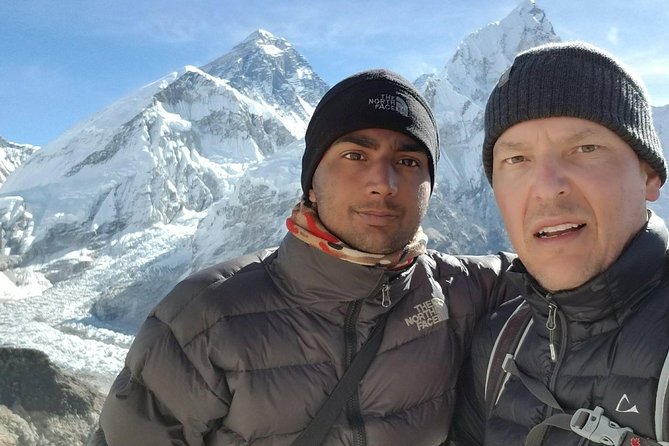
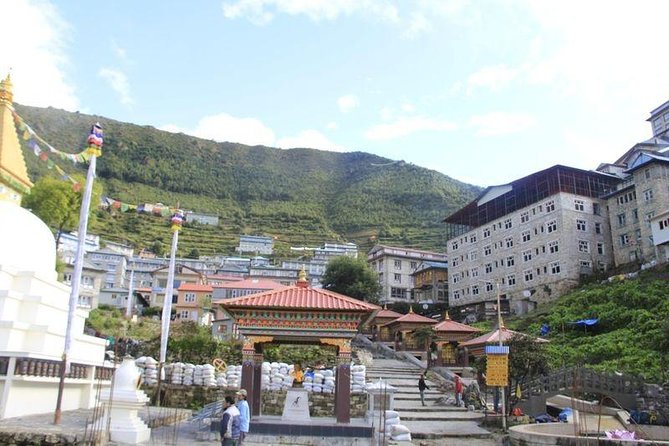
Day four is a clear change of scenery and altitude. You pass through pine and rhododendron areas as you head toward Namche Bazaar, the key Sherpa hub and gateway for Everest region trekking. The trail type here matters. Trees and changing vegetation can make the climb feel less like a flat-out slog and more like a progression.
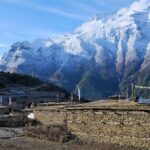
You’ll spend the night in Namche, staying in a lodge with time to enjoy snowcapped peak views. Namche is where many trekkers start to feel the emotional pull of the Everest world.
Day five is your first acclimatization day. Instead of treating it like a dead day, you’ll hike around Namche and visit a museum, with time to look at the peaks. This is exactly the kind of break you want high on the trail: you move enough to stay loose, but you’re not adding a big push upward.
Tyangboche and Dingboche: monasteries, Sherpa villages, and rest-day breathing
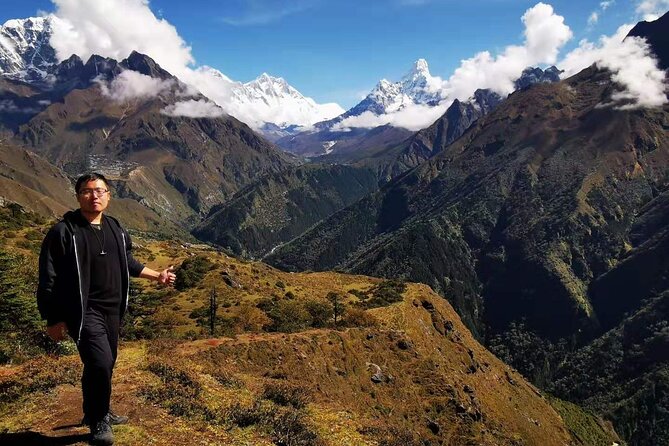
On day six, you trek from Namche toward Tyangboche and visit Tyangboche Monastery. The walk includes mountain and peak views, and you get a chance to see monks and priests doing religious activities. It’s not just sightseeing; it’s a reminder that these villages are living communities, not just backdrops for photos. Admission to Tyangboche is not included, so if you want to go inside, budget for that separately.
You overnight at Tyangboche.
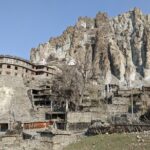
Day seven continues the climb to Dingboche, passing villages like Pangboche and Deoboche. Dingboche is where you start to feel the altitude more sharply, but the route is still structured enough that you can settle into a routine. You’ll get rewarding views while walking and then overnight in Dingboche.
Day eight is another acclimatization rest day. You’ll stroll around Dingboche and enjoy the surrounding views. This second rest day is one reason this itinerary feels steady. Everest isn’t only about fitness—it’s also about giving your body time to adjust.
Lobuche and Everest Base Camp: the glacier river moment and the big destination
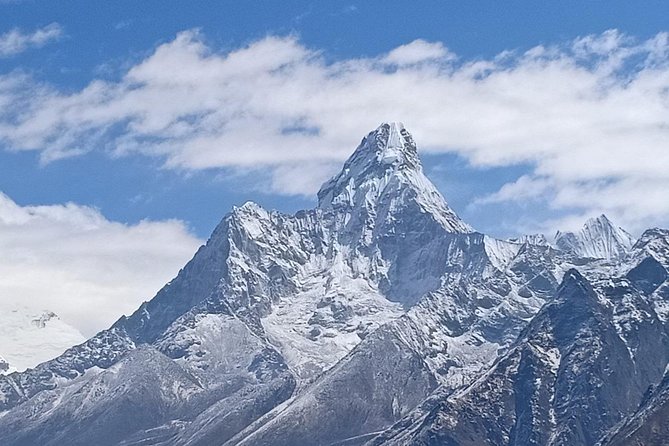
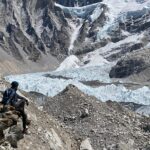
Day nine shifts the trail into a more dramatic zone. You trek toward Lobuche, with routes above the Pheriche valley and views of peaks like Cholatse and Taboche. When the trail takes you to Thugla, you’ll see Khumbu glacier melt into a raging river. That kind of scenery hits differently at altitude—you’re not just looking at mountains, you’re seeing how the ice feeds the landscape.
Lobuche is your overnight stop, and you can see Lobuche East and West nearby.
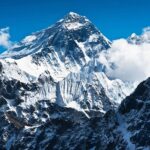
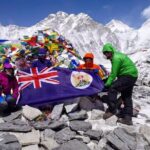
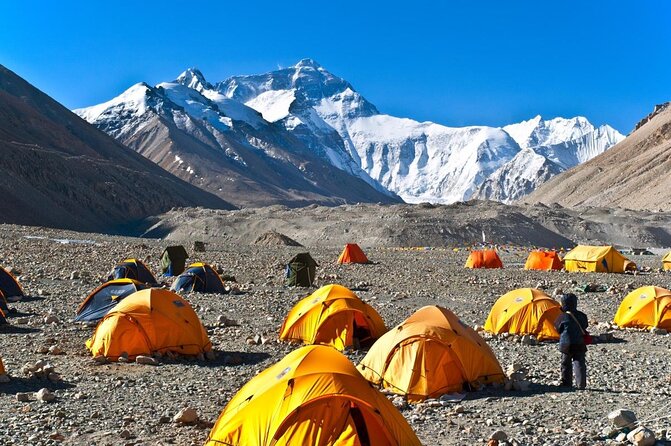
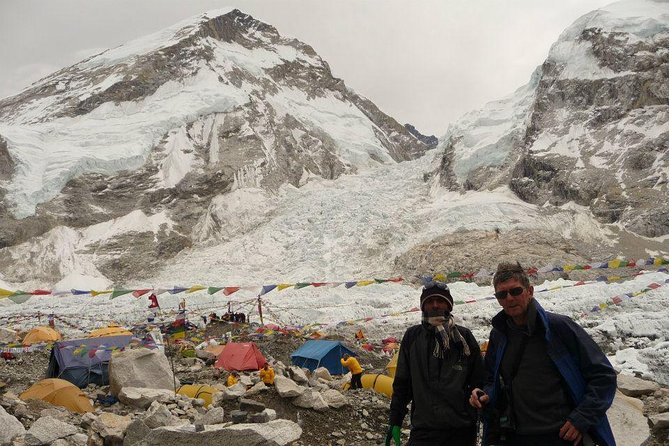
Day ten is the highlight build and payoff. You’ll take a long walk to Everest Base Camp and enjoy towering views of Everest, Nuptse, Lhotse, and Pumori. Once you arrive, take time with photos and simply let the place absorb into your brain. After base camp, you’ll head back to Gorakshep for the night.
This day is big. Even when you know it’s coming, it still feels like a different level of effort because you’ve stacked multiple hiking days before it.
Kalapathar at 5,545 m: the view you remember for years
Day eleven begins early. After breakfast timing changes up high, you climb to the top of the rocky hill above 5,545 m. This is the highest point of the adventure on this itinerary, and it rewards you with an overwhelming panorama of giant surrounding peaks, including close views of Everest and Mount Pumori.
If you’re unsure what matters most on Everest treks, it’s often that extra viewpoint day. Base Camp is spectacular, but Kalapathar is where you tend to understand the scale. Then you descend to Gorakshep and have breakfast before continuing downhill toward Pheriche valley and onward to Pangboche for overnight.
That mix is important: the route gives you a major view moment, then it moves you away from the highest point while your legs are still strong enough to handle the descent.
Back toward Namche: Pangboche to Thyangboche monastery and the long return rhythm
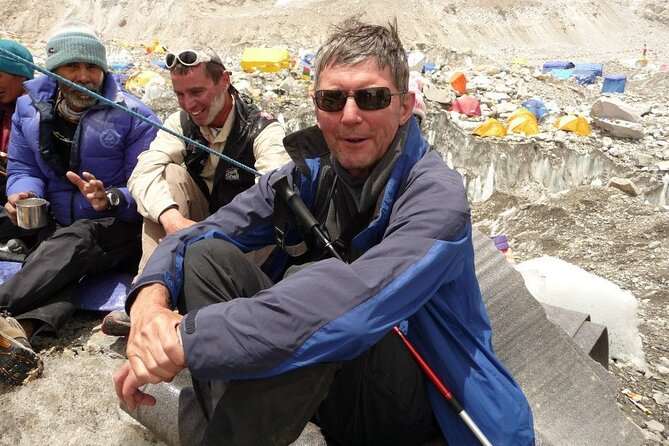
Day twelve is a long but satisfying reversal. You’ll do an easy downhill but long walk from Pangboche back toward Namche Bazaar. Along the way you climb to Thyangboche and visit its colorful monastery, then you continue for your last overnight stops in Khumbu before heading down toward Lukla.
This is where the trek shifts from achievement to memory-making. You’re not chasing altitude anymore. You’re walking through places you already earned, and that changes how you notice details.
Lukla and Kathmandu: flying out, plus a built-in weather safety net
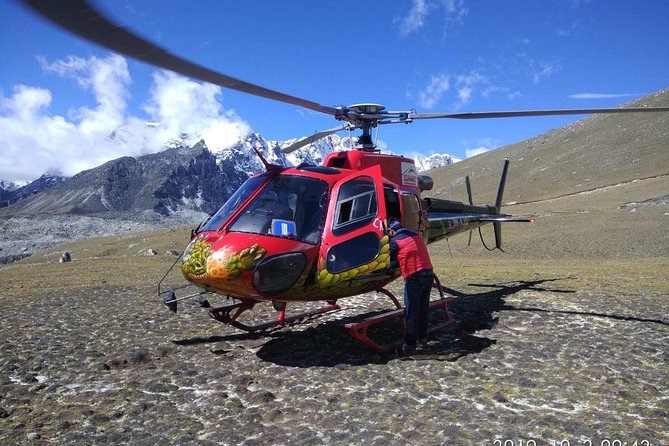
Day thirteen takes you from Namche back to Lukla, retracing your trail steps. It’s a relief day in many ways. You know the route now, and the focus becomes steady progress rather than uncertainty.
Day fourteen is your flight back to Kathmandu. After landing, you’ll transfer to a hotel and have the rest of the day to relax.
Day fifteen is a smart addition. They reserve an extra day in Kathmandu or for the whole program if flight problems happen due to bad or unfavorable weather at Lukla or earlier in the trip. That’s not glamorous, but it’s practical. It reduces the chance you’ll feel trapped waiting for a delayed flight with no plan.
Day sixteen ends with a transfer to Kathmandu international airport for your flight home.
Price and value: what $2,350.34 buys you (and what it doesn’t)
At $2,350.34 per person for a roughly 16-day Everest Base Camp trek, the value comes from a package approach rather than piecing everything together yourself.
Here’s what’s included:
- Accommodation across the itinerary
- A professional guide (with salary and insurance)
- Round-trip flights (Kathmandu to Lukla and back)
- Private vehicle transport (where used in Kathmandu)
- Local taxes, national park fees
- Necessary trekking equipment during the trek (returned after)
- Meals: 15 breakfasts, 11 lunches, and 11 dinners
- Assistant guide if the group size is over 6
A lot of “hidden” costs on Everest treks are handled this way. Permits, park fees, and core logistics can be annoying to manage alone.
What’s not included:
- Porter for carrying luggage
- Alcoholic drinks
- Battery charge, WiFi, and shower access in the high Himalayas
- Souvenir photos
- Excess luggage charges (if applicable)
- Some monastery admission (for example, Tyangboche admission is not included)
So if you’re choosing this trek, the big budgeting question is your luggage plan. Since porters aren’t included, you should treat your packing strategy as part of the cost. Bring light, and keep essentials organized so you’re not paying energy for things you didn’t need.
What the guides got praised for (and how to use that info)
The strongest theme in the feedback is that the operation stays organized and flexible. In reviews tied to this trek, guides like Prakash and Shiva are called out for being fun to hike with and helpful on trail. The way the teams handled real-world timing came up too: airport pickup and quick email replies before departure show up repeatedly, and at least one solo traveler noted that the paperwork was handled smoothly.
That matters because Everest treks are partly logistics and partly altitude. If your guide is good at both—keeping the day moving while also adjusting to conditions—you feel safer and less stressed.
You should also like the private-group setup. With max 15 people and only your group participating, your guide can manage pacing without constantly negotiating with strangers.
Who this trek suits best
This itinerary is a good fit if you:
- Have a moderate fitness level and want a structured path up to Everest Base Camp
- Want acclimatization days instead of a brute-force schedule
- Prefer a guided experience where park fees, core logistics, and meal planning are handled for you
- Like having cultural stops built in (Kathmandu Durbar Square and monastery visits)
It’s not for everyone. It’s not recommended for participants with heart complaints or other serious medical conditions, and it’s not recommended for pregnant women. Minimum age is 16.
Should you book this Everest Base Camp trek?
If you want the classic Everest Base Camp experience with a realistic pacing plan, I think this one is a strong choice. The standout parts are the rest day structure (Namche and Dingboche), the top viewpoint moment at Kalapathar, and the included buffer day in Kathmandu if weather affects Lukla flights.
I’d hesitate only if you strongly need porter support, because luggage carrying assistance is listed as not included. If you’re prepared to pack light and accept that you’ll manage your own load, then this route looks like a well-run, all-in-one way to reach the base camp without turning your trip into an admin project.
If you’re deciding between a cheaper do-it-yourself plan and this package, consider what you actually want on Everest: time, energy, and fewer moving parts. This trek buys you those three.
FAQ
How long is the Everest Base Camp trekking program?
The program is listed as 16 days (approx.).
Where does the tour start?
The meeting point is Tribhuvan Airport in Kathmandu, Nepal.
Is airport or hotel pickup included in Kathmandu?
Pickup is offered, and the first day includes transfer to your hotel after staff pick you up.
What flights are included?
Round-trip flights are included, including flights between Kathmandu and Lukla.
Are meals included during the trek?
Yes. The package includes 15 breakfasts, 11 lunches, and 11 dinners.
Are national park fees included?
Yes. National park fees are included.
What trekking gear is included?
Necessary equipment during the trek is included, and it must be returned after the trek finishes.
Do I get a porter to carry luggage?
No. A porter for caring luggage is listed as not included.
What happens if Lukla flights are delayed?
An extra day in Kathmandu (or an extra day for the whole program) is reserved in case of flight problems due to bad or unfavorable weather at Lukla or in the beginning.
Is admission to monasteries included?
Admission is not included for Tyangboche specifically.
FAQ
What fitness level do I need?
You should have a moderate physical fitness level.
Do I need a valid passport and visa?
A current valid passport is required on the day of travel. You must confirm and obtain any visa requirements before travel; visa requirements are your responsibility.
What group size is this trek limited to?
The maximum is 15 people per booking. It’s also described as a private tour/activity for your group only.
Is WiFi, showers, and battery charging included?
No. Battery charge, WiFi, and shower in high Himalayas are not included.
Are there any age or health restrictions?
Minimum age is 16. It’s not recommended for participants with heart complaints or other serious medical conditions, and it’s not recommended for pregnant women.
Can I cancel for a refund?
Free cancellation is available up to 24 hours in advance for a full refund.