REVIEW · POKHARA
3 Days 2 Nights Poon Hill Trekking
Book on Viator →Operated by Peak to Peak Tours and Treks Pvt Ltd · Bookable on Viator
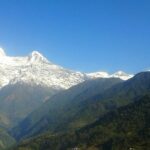
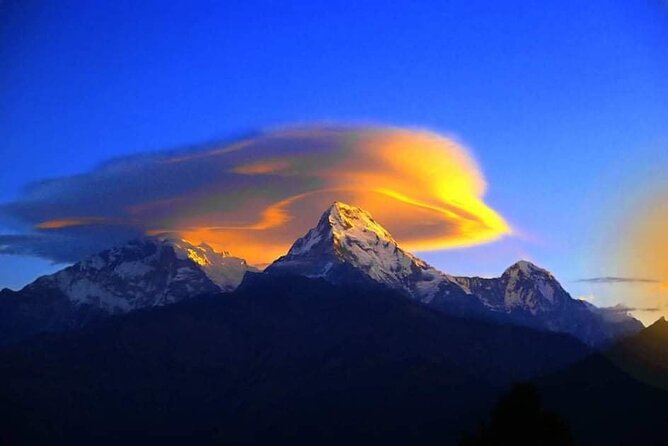
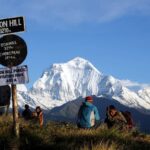
Sunrise at Poon Hill is the main event. In this 3-day guided trek, you’re set up for big Himalayan views without spending your days figuring out logistics. I like that Poon Hill sunrise is actually part of the plan, not a lucky accident.
I also love the cultural stop in Ghandruk village, where the trail turns from scenery to real village life in the Annapurna foothills. And since tea houses are included for your overnight stays, you get a practical rhythm rather than constant hunting for beds.
The main drawback to plan for is that food and drinks are not included, and the route expects moderate physical fitness. In other words, you’ll pay for meals along the way, and you should be ready for uphill trekking even when the mornings start with views.
In This Review
- Key highlights to know before you go
- Pokhara to the Annapurna region: the trip starts with less hassle
- Poon Hill sunrise: the view choreographed for your morning
- Forest trails, Ghorepani, and the path toward Ghandruk
- Tea house nights: included lodging, realistic expectations
- What the guide and permits actually buy you
- Price and value: why $228.47 can be a smart deal
- Food and drinks on the trail: budget it from day one
- Trek level and timing: what moderate fitness really means
- Private group setup: good for families, friends, and small crews
- Who should book this trek (and who might not)
- Should you book the 3 Days 2 Nights Poon Hill trek?
- FAQ
- FAQ
- What is included in the 3 Days 2 Nights Poon Hill trekking package?
- Are meals included during the trek?
- What physical fitness level do I need?
- Does the tour include a pickup in Pokhara?
- Do I need to bring permits or pay entry fees myself?
- What is the cancellation policy?
Key highlights to know before you go
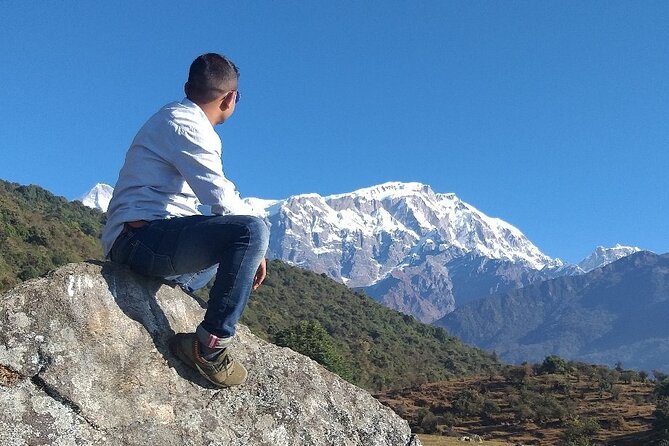
- Sunrise timing at Poon Hill built into a short 3-day schedule
- Ghandruk village experience in the Himalayan foothills
- Licensed mountain guide and permits handled so you don’t chase paperwork
- Tea house accommodation included during the trek
- Private group format with pick-up offered in Pokhara
Pokhara to the Annapurna region: the trip starts with less hassle
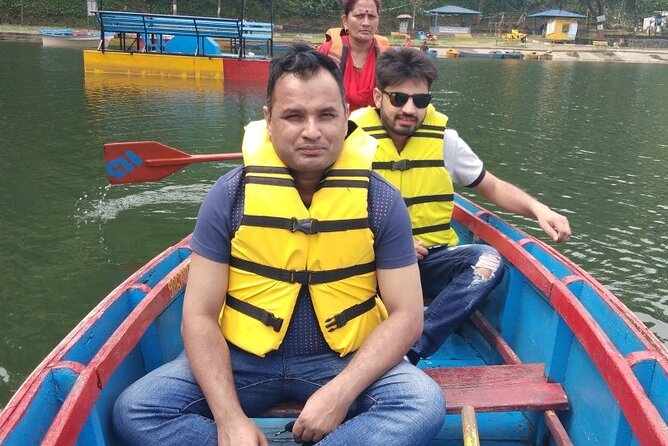
Most Poon Hill adventures live or die by how smoothly Day 1 goes. This one is designed for a “show up, walk, enjoy” flow. You start from Pokhara, and the experience includes private transportation plus a guide to keep things moving.
After the drive, the trek begins on foot with a staged approach: you’re not dropped into the hardest part first. That matters, because the trek is short (3 days), so you want your energy to land in the right places—especially early on Day 2 when sunrise is the goal.
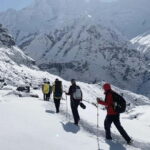
You’ll also get a vibe of what the Annapurna area is like beyond the famous viewpoint. The route includes dense lower Himalayan evergreen forests, which means you’ll spend time hiking under tree cover before you ever see the peaks clearly. That transition—from green forest trails to open mountain views—is one of the reasons this trek feels more varied than a straight climb.
You can also read our reviews of more tours and experiences in Pokhara.
Poon Hill sunrise: the view choreographed for your morning
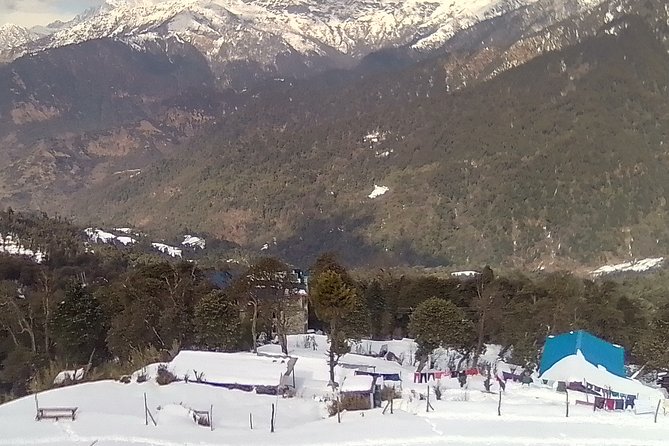
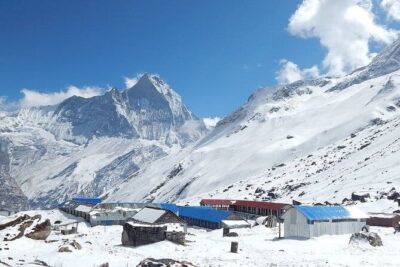
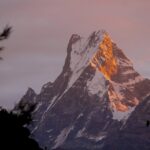
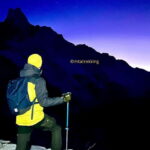
If you’re doing Poon Hill, you’re doing it for sunrise. The itinerary focuses on early morning trekking to Poon Hill, then you return after the sky does its thing.
In practical terms, this kind of schedule is what keeps the day from feeling rushed. A sunrise trek isn’t only about getting there—it’s about being there at the right time. With a guide, you’re less likely to show up late and spend the best minutes stuck in the wrong spot.
What I like most about this setup is the payoff-to-effort ratio. You’re on a short trek, so every hour matters. Sunrise is built into the itinerary, and you’re not expected to treat it like an optional bonus.
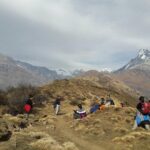
One more detail: Poon Hill is also a social stage. You’ll likely see other trekkers around when the light starts changing. Even if you’re traveling for quiet, the shared moment is part of the experience—like a group movie starting at the same time, except the movie is the Himalayas.
Forest trails, Ghorepani, and the path toward Ghandruk
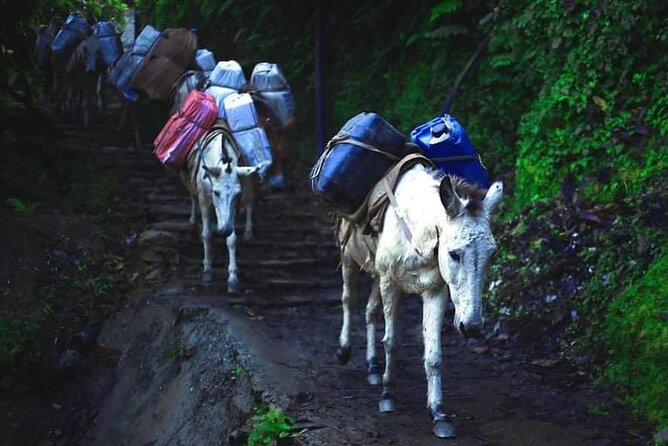
Day 1 sets up your walking for the next day. You drive to Uleri, then hike toward Ghorepani. That’s a smart way to handle a 3-day itinerary because it lets your body get used to the rhythm—steady uphill, short breaks, and frequent turns in the trail—without burning out on Day 1.
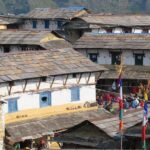
On Day 2, after sunrise, you hike back toward Ghandruk. This is where the trek shifts from viewpoint chasing into slower, more human-scale travel. The area is known for its traditional village life, and Ghandruk is the stop built for that.
In the Annapurna foothills, villages aren’t just a background. They’re how you understand the trek’s meaning. You see how people live in the hills, how the community organizes itself, and how trails connect neighborhoods. It’s the difference between hiking through scenery and hiking through a place where people actually belong.
Day 3 then continues this village-to-trail flow with a hike from Ghandruk to Nayapul, finishing the loop back toward Pokhara. That gives your trek a clean arc: ascent and viewpoint on Day 2, village immersion on Day 2/3, then an exit that feels like a real descent rather than abrupt bouncing around.
Tea house nights: included lodging, realistic expectations
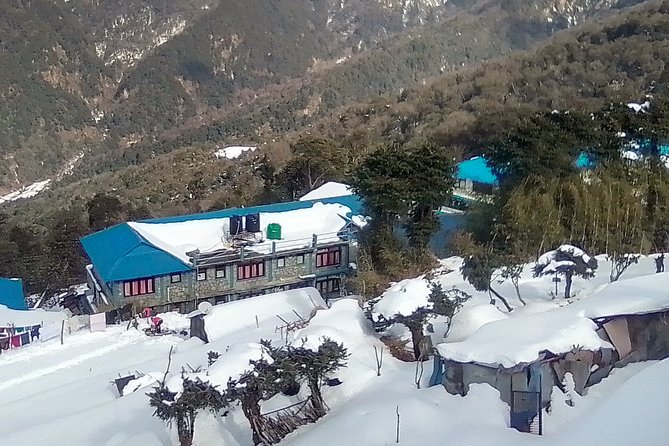
This tour includes accommodation in tea houses during the trek. That’s a big value point, because you’re not left to arrange lodging day by day.
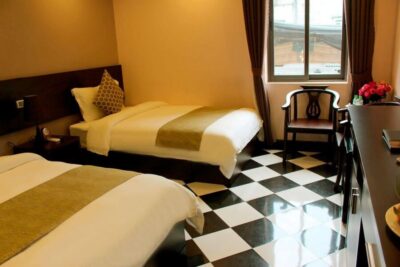
Tea houses are usually basic by Western standards. The important thing isn’t luxury—it’s convenience and shelter. For a short trek, tea houses help you keep your luggage light and your plan simple. You can focus on hiking and views instead of spending time coordinating rooms.
Also, tea houses tend to be the social hub of the route. When you come in after a hike, you’re usually greeted by a predictable rhythm: warm drinks, dinner options you can purchase, and other trekkers comparing notes about what they saw in the morning. Even if you’re not chatty, it helps you feel grounded.
If you’re the kind of person who needs perfect comfort, tea houses might feel like a compromise. But if you’re trekking for the mountains and you’re okay with simple lodging, the included nights make this trek feel genuinely hassle-free.
What the guide and permits actually buy you
This experience includes a licensed mountain guide, along with permits and all entry fees, plus guide expenses and all fees and taxes.
Here’s why that matters. Permits are one of those things that can quietly turn a good trip into a stressful one. Even when you can figure them out, it takes time and attention. When a guide handles this, you can trust that your route and permissions are in order.
The guide also covers more than navigation. The tour description emphasizes culture and terrain, and the best guides make the trail easier to understand. They explain what you’re walking through, why the landscape looks the way it does, and how local life fits around the trekking routes.
Names you might hear in connection with this company include Madhu Sudan Dahal and Ravi Gyawali, both recognized for helpful coordination and hospitality. That kind of human touch matters on a trek, because it’s rarely the walking that breaks the flow—it’s confusion, missing details, or uncertainty. A strong coordinator reduces that risk.
Price and value: why $228.47 can be a smart deal
The price is $228.47 per person for a 3-day trek. On its face, it’s not the cheapest thing in Nepal. But value isn’t only about sticker price. It’s about what you’re not paying for separately.
What’s included that saves you money and time:
- Private transportation
- Licensed mountain guide
- Permits and entry fees
- Tea house accommodation during trekking
- All fees and taxes
What’s not included:
- Food and drinks (you buy these on the trail)
- Rescue cost in an emergency (not included)
- Gratitude (optional)
So where does the deal stand? If you’d otherwise have to hire a guide, sort permits, and book your trek lodging, you’d likely spend a similar amount once you add everything up. With this package, you’re paying for structure: the route, the paperwork, and the overnight plan are handled.
If you’re a solo traveler hoping to keep every cost ultra-low, you might find cheaper options. But if you want a smooth trip where you can show up in Pokhara and start walking with confidence, this pricing feels fair for what’s included.
Food and drinks on the trail: budget it from day one
Food and drinks are not included, but they’re available to purchase along the way. That means your total trip cost depends on your eating style.
The easiest way to budget is to plan for:
- Breakfast tied to tea house routines
- Lunch/snacks you purchase while trekking
- Dinner at the tea house on arrival
- Hot drinks to fight the morning chill
This also affects your packing. You don’t need to bring everything, but it helps to bring a few snacks for energy between meals. You’ll feel better if you’re not hunting for food the moment you get hungry.
One practical note: tea houses run on simple, consistent menus. If you have dietary needs, you’ll want to communicate with your guide early and be ready for limited options.
Trek level and timing: what moderate fitness really means
This route is recommended for travelers with moderate physical fitness. For you, that should translate to being comfortable with several hours of uphill walking over consecutive days.
It’s not described as an extreme expedition. But short treks still punish sloppy pacing. With a Day 2 sunrise start, you’ll be adjusting to early mornings. Even if you’re fit, sleep and timing matter.
Best mindset: think steady, not fast. You’ll likely have breaks, and your guide can help you pace. If you push too hard on Day 1, you’ll feel it on Day 2 when the morning start is early and the walking adds up.
If you’re currently inactive, I’d start a simple routine before your trip:
- Short walks several times per week
- Gradual stair or hill sessions
- A little practice with changing altitude feel (even local hills help)
Private group setup: good for families, friends, and small crews
This is listed as a private tour/activity, meaning only your group participates. That matters because group treks can sometimes feel like a shuffle. With a private setup, you’re more likely to keep a steady pace that fits your group.
There’s also a group discount mentioned, which can help if you travel with others. Add in the pick-up offered feature from Pokhara, and it’s a good fit if you want fewer awkward transfers and fewer chances to get lost.
Also, it’s noted that the experience is near public transportation. That’s helpful if you’re staying near transit options and want flexibility.
Who should book this trek (and who might not)
I think this trek suits you if:
- You want Himalaya views in a short time without a big multi-week commitment
- You like the idea of sunrise at Poon Hill with a guide handling timing
- You want a real village stop at Ghandruk, not just a quick photo stop
- You prefer tea house lodging included, so you’re not booking every night yourself
- You like having permits, entry fees, and guide logistics handled
You might want a different option if:
- You expect meals to be included in the package price
- You want a fully comfortable hotel-style bed every night
- You aren’t ready for early morning trekking and uphill walking
Should you book the 3 Days 2 Nights Poon Hill trek?
If you’re craving classic Annapurna-area views and you want a trek that feels organized from Pokhara to the trail and back, this is an easy “yes” for the right traveler. The strongest points are the sunrise focus, the Ghandruk village experience, and the fact that permits plus a licensed mountain guide are included.
My advice: book if you’re okay budgeting for food and drinks and you’re ready for moderate trekking fitness. If you’re unsure about your fitness, it’s worth discussing your situation with your guide before you commit, since pace and preparation make a huge difference on a short trek like this.
FAQ
FAQ
What is included in the 3 Days 2 Nights Poon Hill trekking package?
The package includes private transportation, guide expenses, a licensed mountain guide, all fees and taxes, permits and all entry fees, and tea house accommodation during trekking.
Are meals included during the trek?
No. Food and drinks are not included, but they are available to purchase along the trekking route.
What physical fitness level do I need?
The trek is recommended for travelers with moderate physical fitness.
Does the tour include a pickup in Pokhara?
Yes. The experience offers pickup and it’s described as being near public transportation.
Do I need to bring permits or pay entry fees myself?
No. Permits and all entry fees are included in the tour.
What is the cancellation policy?
You can cancel for free up to 24 hours in advance of the experience start time for a full refund. If you cancel within 24 hours, you won’t receive a refund.