REVIEW · BANYUWANGI
Banyuwangi: Ijen Crater Bluefire and Sunrise Guided Trek
Book on GetYourGuide →Operated by JAVA SUNRISE · Bookable on GetYourGuide
One of Java’s strangest sights happens at night.
This Banyuwangi Ijen Crater Blue Fire and Sunrise guided trek takes you into the dark for Blue Fire at Kawah Ijen, then times the hike so you can watch sunrise wash over the crater. I love how the whole day is built around timing and safety, not just sightseeing.
The two big wins for me are the Blue Fire itself, and the sunrise transformation of the crater lake from dark to turquoise-tinted light. You also get close-up views of the miners working in the area, which gives the experience real texture beyond the photos.
One thing to consider: this is a physically demanding, uneven hike down and up, and the air near the crater can be hazardous. You’ll be issued a gas mask, but if you have respiratory issues, this isn’t the right activity.
In This Review
- Key things I’d plan around
- Why the Ijen Blue Fire Trek Starts Before Sunrise
- Banyuwangi Pickup and the Safety Setup You Shouldn’t Skip
- The Long Walk to the Crater: What the Descent Feels Like
- Blue Fire in the Dark: How to See It Better
- Turquoise Crater Lake at Sunrise: The Moment Everything Changes
- Watching Sulfur Miners Work Without Turning It Into a Theme Park
- Price and Logistics: What $25 Covers and Why It’s Not Just a Low-Cost Hike
- Health Requirements and Ijen Closures You Must Check
- Who This Trek Fits Best (and Who Should Rethink It)
- Tips That Make the Hike Easier and the Group Experience Better
- Should You Book This Banyuwangi Ijen Blue Fire and Sunrise Guided Trek?
- FAQ
- How long is the Ijen Blue Fire and sunrise trek?
- Is hotel pickup in Banyuwangi included?
- What safety equipment is provided?
- Is the entrance ticket to Kawah Ijen included?
- What languages are the guides?
- Is the tour suitable for children or pregnant women?
- What health documents do I need?
- Is Ijen open every day?
- What should I bring, and is jewelry allowed?
Key things I’d plan around
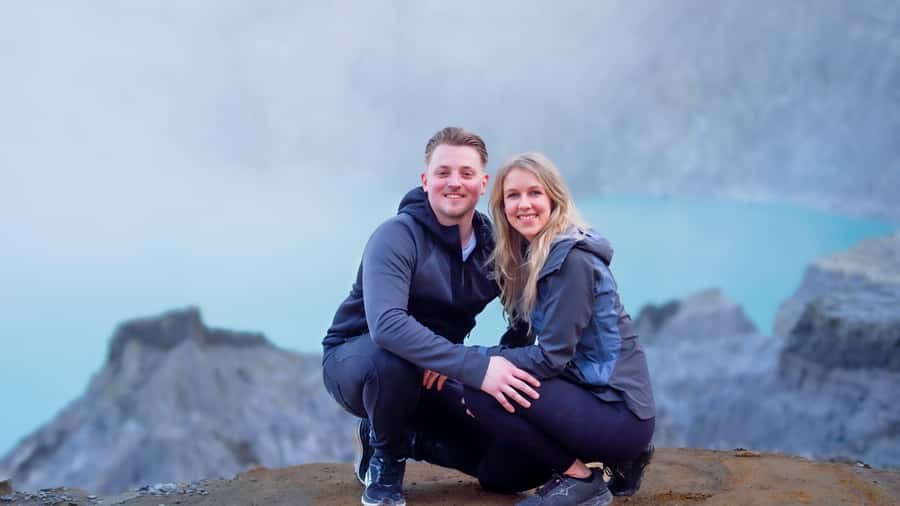
- Blue Fire timing matters: the hike is structured to help you see the glow before daylight changes things.
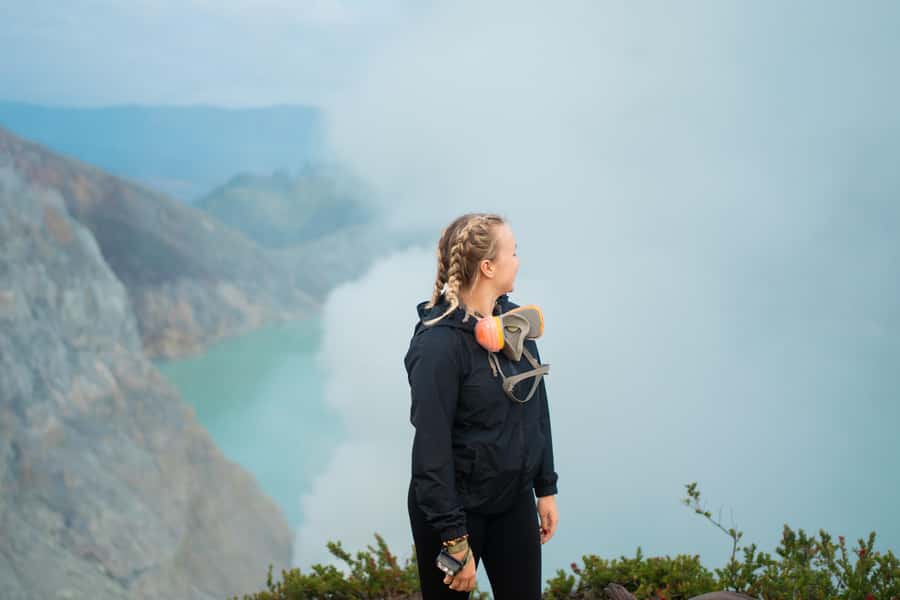
- Safety gear is part of the package: headlamp and gas mask are included, plus first aid and portable oxygen.
- Sunrise is the payoff: you’re on the rim early enough to see the first light hit the crater lake.
- You’ll see miners at work: traditional sulfur miners move through the scene in an intense, nonstop routine.
- Crowds can split groups: pace differences and busy trails can affect how close you stay to your guide.
- It’s not for everyone: not suitable for children under 12, pregnant women, or people with respiratory issues.
Why the Ijen Blue Fire Trek Starts Before Sunrise
The magic of Ijen happens after midnight. You leave Banyuwangi in the dark, then hike toward Kawah Ijen when conditions are best for the Blue Fire phenomenon. The cooler night air and the starry sky make the start feel almost like a night walk—until the slope starts asking for your full attention.
This isn’t just about reaching a viewpoint. The tour is planned so you can arrive at the crater at the right moment to see the glow against the dark. That timing is the whole point, and it’s why a guided group format works better here than going completely on your own.
You can also read our reviews of more tours and experiences in Banyuwangi.
Banyuwangi Pickup and the Safety Setup You Shouldn’t Skip
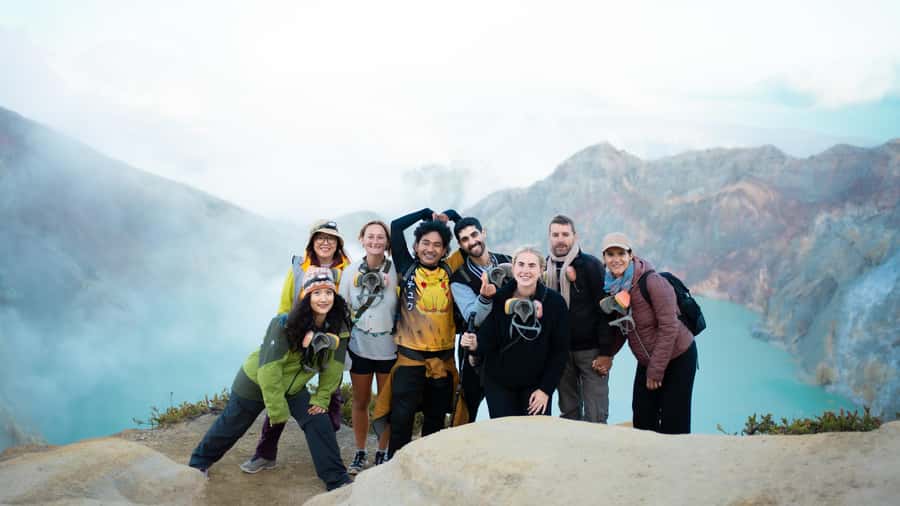
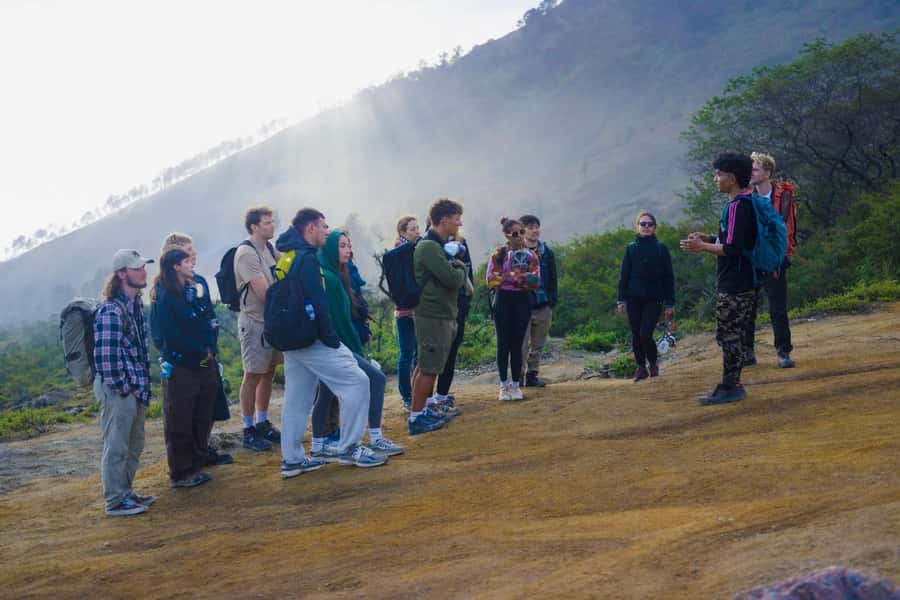
I like how the experience treats safety as part of the standard flow. You get round-trip transportation from Banyuwangi, and then there’s a briefing before you head out. You’ll also be provided a headlamp and gas mask for safety due to sulfur gas near the crater.
On top of that, the package includes first aid and a portable oxygen tank. Even if you’re feeling fine, this matters because toxic gases can potentially harm participants at any time. The operator also includes Ijen crater insurance, which is reassuring when the environment is unpredictable.
Guides are typically English-speaking (also Malay). In past trips, guides like Suleiman, Sulliman, Soufian, and Sule have been noted for keeping people moving at a good pace while staying friendly and funny. That energy isn’t just entertainment—it helps when you’re tired, cold, and suddenly aware that you’re hiking down into a crater area.
The Long Walk to the Crater: What the Descent Feels Like
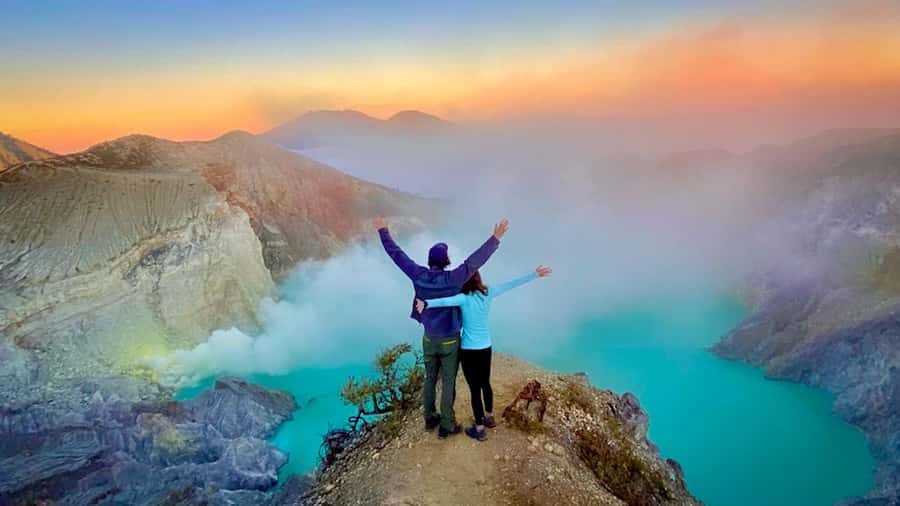
From the start, expect a strenuous hike. The trail is not “easy steps,” and you’re not just walking on a flat path. It’s a climb and descent with uneven ground, so you should bring a steady pace rather than trying to race.
If you’re afraid of heights, this is where I’d pause before booking. Even if you don’t look over the edge constantly, the route still brings you close to exposure and steep drop-offs. For me, that’s the biggest “fit” factor after the health-gas reality.
Also, one practical consideration: with a group trek and crowds, people move at different speeds. That can mean you’re not always right next to the guide, especially on busy segments. The good move is simple: stick with your group line, slow down before stopping, and if you need to adjust pace, tell the guide rather than just drifting.
Blue Fire in the Dark: How to See It Better
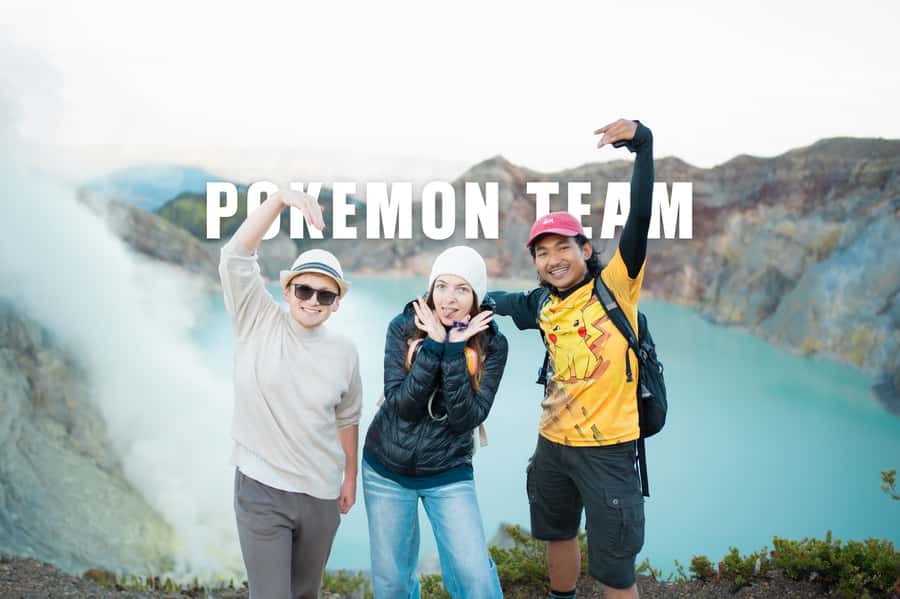
Blue Fire at Kawah Ijen is one of the rare natural occurrences that draws people from around the world. What makes it worth the effort is how visual and eerie it feels: a small, glowing fire-like effect that stands out in the dark.
To maximize your chances, follow the guide’s timing closely. In multiple experiences, guides are praised for moving people along so everyone gets to the crater viewing area in time. That matters because once daylight shifts, the effect can be harder to see.
Photo note: a headlamp helps you move safely, but for pictures you’ll still want your camera ready before you reach the best spots. If you’re bringing a camera, I’d treat it like you’re shooting in low light: keep it in your hand at times, not buried in your bag. And remember, the air issue means you’ll be using the gas mask—so plan for comfortable breathing while you shoot.
Turquoise Crater Lake at Sunrise: The Moment Everything Changes
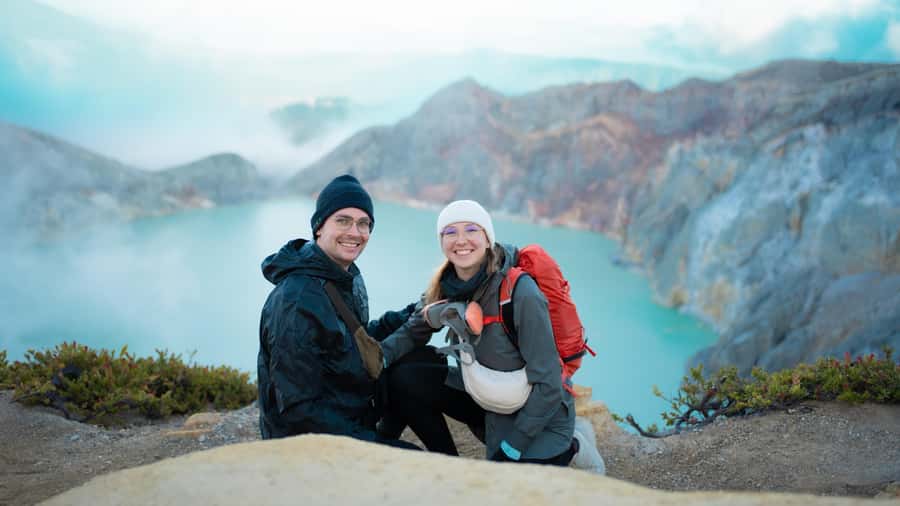
After the Blue Fire viewing, the trip shifts to sunrise. This is where the hike earns its second act. As the sun rises, the crater lake begins to take on its famous turquoise look, and the first rays bring the whole scene into sharper contrast.
I like this part because it turns the experience from “stand and stare at flames” into “watch a place wake up.” In the dark, everything feels tense and dramatic. At sunrise, the crater becomes readable: the lake’s color, the steep edges, and the working area around it.
You’ll also have panoramic views during the descent. So even if you’re not a sunrise person, this provides a set of visuals spread across time—early darkness, then shifting light, then wide views on the way down.
Watching Sulfur Miners Work Without Turning It Into a Theme Park
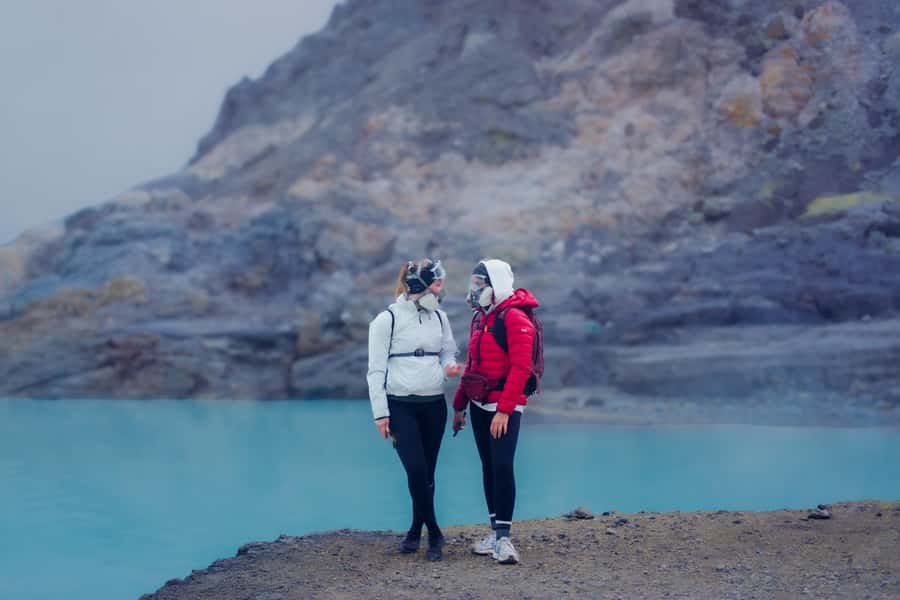
One of the most compelling parts of this trek is seeing traditional sulfur miners at work. This isn’t a staged performance. People are working at the crater in conditions that demand constant effort, and the scene looks intense because it is intense.
For you, the best approach is respect and distance. Keep moving with your guide, don’t block foot traffic, and focus on observing rather than interacting. This helps you stay safe too. The gas mask and headlamp are there for a reason, and the crater edges don’t care if you’re curious.
The miner presence is also why the sunrise and Blue Fire scenes feel grounded. You’re not only looking at a rare natural phenomenon—you’re seeing how people live and work in the shadow of it.
Price and Logistics: What $25 Covers and Why It’s Not Just a Low-Cost Hike
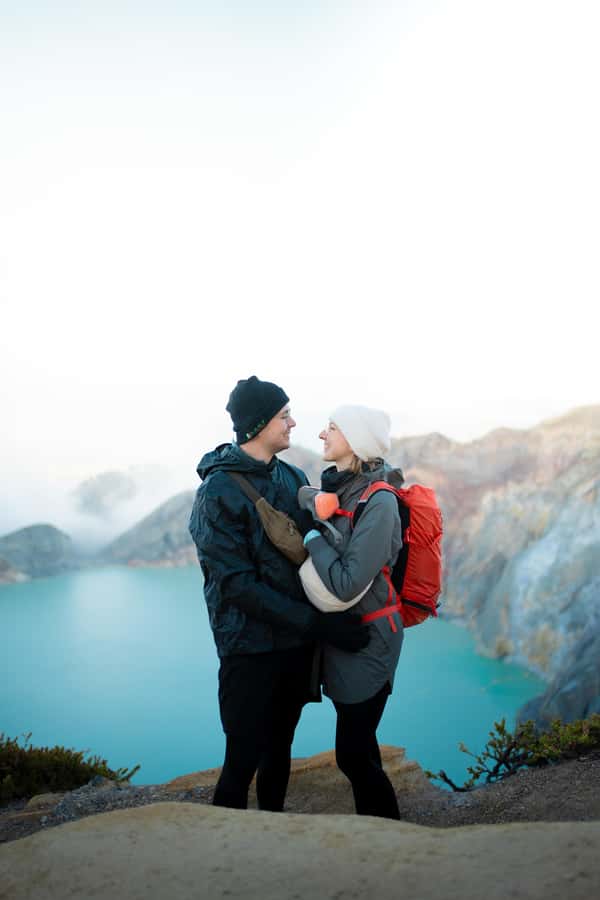
$25 per person is the kind of price that makes you wonder what’s been left out. Here’s what I like about the value: the package includes round-trip transportation from Banyuwangi to Kawah Ijen, an entrance ticket, and Ijen crater insurance.
On top of that, you get the safety setup most DIY hikers don’t include: headlamp, gas mask, first aid, and a portable oxygen tank. Mineral water is included too. When you add up those pieces, the low price starts to make sense as “you’re paying for coordination and safety gear,” not just for a guide’s time.
Do keep expectations realistic: this is a group trek, and crowds can create slowdowns. You’re also hiking at night and doing sunrise viewing, so it’s a full commitment day—about 9 hours.
Health Requirements and Ijen Closures You Must Check
This is where you have to be careful. The activity requires a valid health certificate, and the operator notes that medical statement documentation is required (passport copy is accepted). If you have any uncertainty about your ability to safely handle sulfur gas exposure, don’t guess—ask a medical professional first.
There’s also an important access detail: Ijen is closed every Friday in the first week. And Mount Ijen reopened on 8 September 2024 after closure related to earthquake tremors and toxic gas. That reopening context matters because toxic gases can potentially harm participants at any time, even when access is open.
The practical takeaway: confirm day-of access and don’t assume every start time is running as usual. If you show up without the required health documentation, you can lose your spot before the trek even begins.
Who This Trek Fits Best (and Who Should Rethink It)
This trek makes the most sense if you’re:
- comfortable with a strenuous, steep hike
- motivated by rare natural sights (Blue Fire plus sunrise)
- okay with early-night starts and basic hiking conditions
- traveling in a group and want a guide to manage timing and safety gear
It’s not suitable for:
- children under 12
- pregnant women
- people with respiratory issues
I’d also say it’s not ideal if you’re very uncomfortable with heights or narrow, steep paths. Even with a gas mask and headlamp, your comfort level on the terrain will shape the whole day.
Tips That Make the Hike Easier and the Group Experience Better
A few things can make a big difference on this kind of night-to-sunrise trek:
- Bring snacks: vendors may sell snacks and drinks at the end, but carrying your own helps if you get hungry on the way down.
- Pack light but ready: you’ll want your camera accessible, but keep essential items secured because you may get split from the guide in busy areas.
- No jewelry: jewelry isn’t allowed, so plan outfits accordingly.
- Bring what they ask for: passport, and the medical statement/health certificate requirement should be treated seriously.
- Keep your mask and headlamp accounted for: one trip had a minor issue where headlamp and mask weren’t collected right away, so the next day a retrieval was needed. Do a quick check at the end so you don’t create extra hassle.
Finally, listen to the guide about pace. The best guide line is: slow enough to stay safe, fast enough to see the Blue Fire and sunrise at the right time.
Should You Book This Banyuwangi Ijen Blue Fire and Sunrise Guided Trek?
If you want the Ijen experience as it’s meant to be done—Blue Fire followed by sunrise and crater views—this is a strong pick. The price-to-inclusions ratio is genuinely good because safety gear, transport, entrance, and insurance are bundled. The experience also benefits from guides who keep people upbeat and moving at the right times, which makes a tough hike feel less punishing.
Skip it (or ask tough questions before booking) if you’re not comfortable with a strenuous night trek, steep descent, sulfur gas exposure, or if you fall into the stated non-suitable categories. Also, if documentation is a question mark for you, solve it before you commit.
If you’re physically able and you want a rare, time-sensitive natural spectacle plus real-world miner views, this guided trek is worth the early start.
FAQ
How long is the Ijen Blue Fire and sunrise trek?
The tour duration is about 9 hours, with exact starting times depending on availability.
Is hotel pickup in Banyuwangi included?
Yes. Pickup is included from Banyuwangi Regency, and you should wait in the hotel lobby.
What safety equipment is provided?
You’ll be provided a headlamp and a gas mask. The tour also includes first aid and a portable oxygen tank.
Is the entrance ticket to Kawah Ijen included?
Yes, the package includes the entrance ticket to Kawah Ijen.
What languages are the guides?
Live tour guidance is available in English and Malay.
Is the tour suitable for children or pregnant women?
No. It is not suitable for children under 12 or for pregnant women.
What health documents do I need?
A valid health certificate is required, and you’ll also need a medical statement. Passport is required, and a copy is accepted.
Is Ijen open every day?
Ijen is closed every Friday in the first week. You should check access for your specific travel date.
What should I bring, and is jewelry allowed?
Bring a camera, snacks, passport (copy accepted), and a medical statement. Jewelry is not allowed.