REVIEW · CHIANG DAO
Chiang Mai: Chiang Dao Caves and Jungle Trek with Lunch
Book on GetYourGuide →Operated by บริษัท ทัวริสต์ อินฟอร์เมชั่น เซ็นเตอร์ จำกัด · Bookable on GetYourGuide
A day in the Chiang Dao Mountains feels like you’re off the map. You get a jungle trek with coffee trees plus Chiang Dao Caves with stalactites, stalagmites, and a Buddhist shrine inside the limestone. My favorite part is how the day stays practical and active, not just sightseeing from a bus, with a hot springs break and a finish at the striking Wat Ban Den in blue.
One thing to consider: the hike includes unfixed paths, lots of water crossings, and you’ll want footwear that can handle getting wet.
In This Review
- Key highlights worth planning for
- A day north of Chiang Mai: Chiang Dao Mountains, simplified
- 7:30 AM pickup, a local market, then straight to the trek
- The 6 km jungle trek: 21 river crossings and coffee trees
- Footing, pace, and wet-shoe reality: what to wear
- Lunch timing: on the way, or afterward
- Chiang Dao Caves: limestone formations plus an underground shrine
- Hot springs with a real break: about 45 minutes
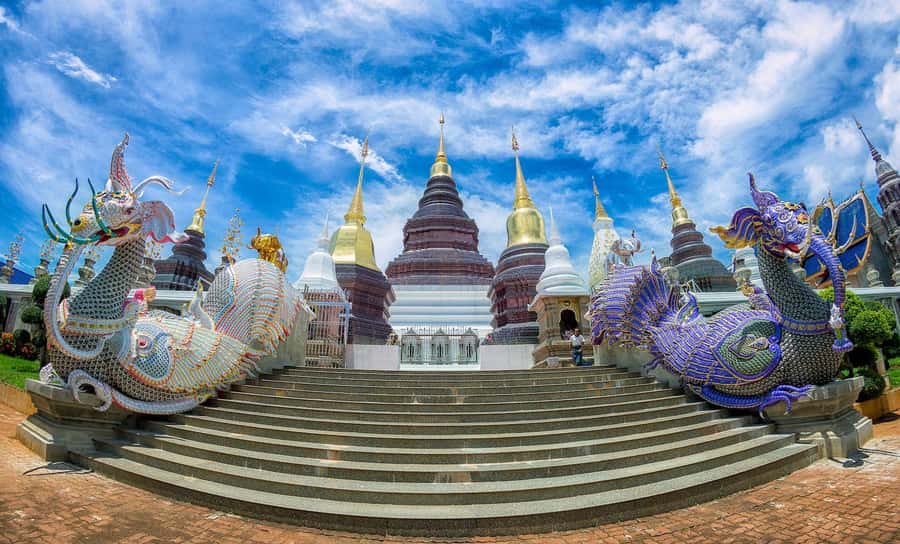
- Wat Ban Den’s blue colors: the cultural finish
- The guide factor: English/Thai storytelling, with one caution
- Price and value: what $109 buys in a full day
- Before you go: packing list that matches the reality
- Who should book this Chiang Dao trek (and who shouldn’t)
- Should you book it?
- FAQ
- How long is the Chiang Dao Caves and Jungle Trek with Lunch?
- What time is the pickup in Chiang Mai?
- How long is the jungle hike and how far is it?
- How long do you spend exploring Chiang Dao Caves?
- Is there time to relax at hot springs?
- What’s included for lunch and drinks?
- What language is the tour guide?
- Can I cancel if my plans change?
Key highlights worth planning for
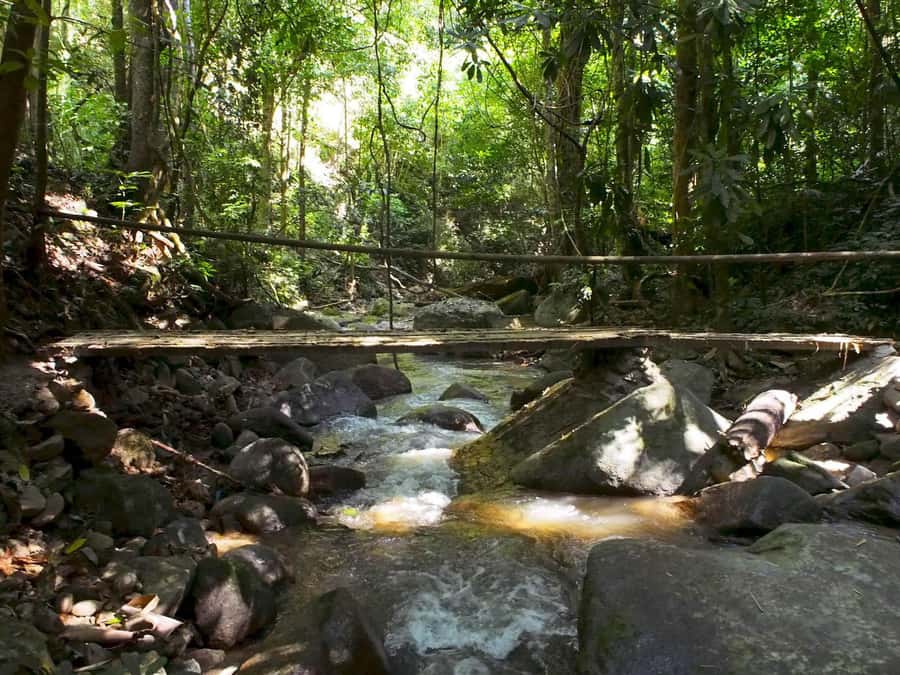
- 21 river crossings during the trek, with jungle views changing every few minutes
- 6 km jungle hike (about 3 to 3.5 hours) into the Chiang Dao area
- Chiang Dao Caves with limestone formations and an underground Buddhist shrine
- Hot springs break around 45 minutes, with outdoor baths as an option
- Wat Ban Den’s blue temple look and a guided visit
- Private-group pacing with a live English/Thai guide
A day north of Chiang Mai: Chiang Dao Mountains, simplified
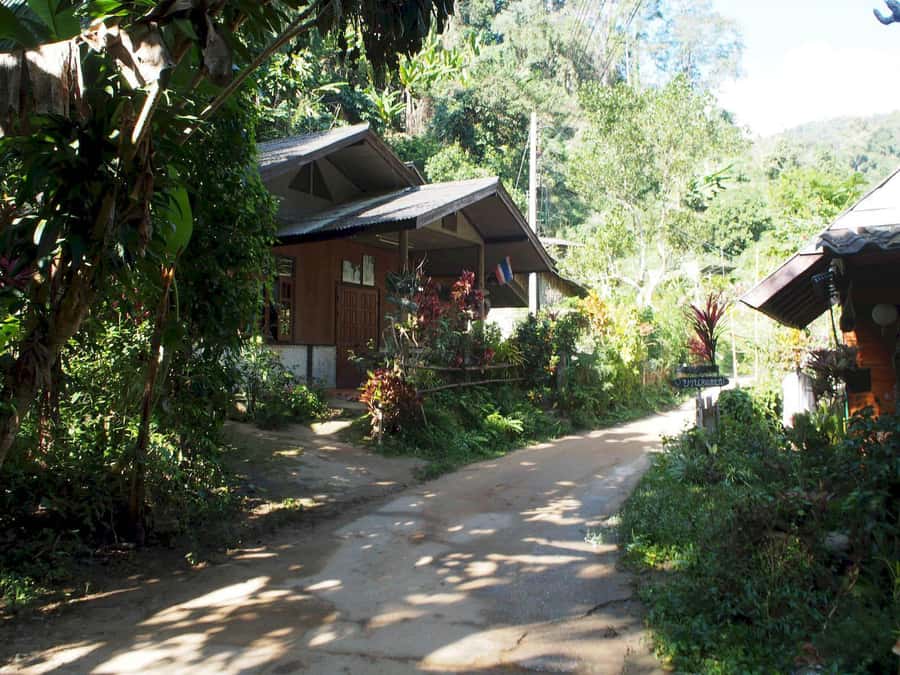
This tour runs as a true day trip outside Chiang Mai Province, focused on nature and a couple of high-impact stops. You leave your hotel at 7:30 AM, and that early start matters. It gives you daylight for the jungle and caves, plus time to relax without rushing through everything at the end.
What makes Chiang Dao special is the vibe: you’re moving away from the most packaged tourist loops and into a mountain region that feels quieter. The day is structured, but it still has room for real moments—watching coffee trees along the trail, spotting older trees, and taking in the cave’s underground light (or lack of it).
You’ll be in a private group with a live guide (English and Thai). That’s a big deal here because the trek isn’t “easy walking.” A good guide helps you find footing, keep the group moving, and explain what you’re seeing—plants, local life, and how the natural area works.
7:30 AM pickup, a local market, then straight to the trek
The day starts at your hotel reception at 7:30 AM, so you avoid the hassle of meeting at some random place. From there, you head toward Chiang Dao with a stop at a local market. The market stop is mainly for lunch—this tour includes lunch, but you’ll buy it at the market.
That approach usually works better than a fixed restaurant plan. It keeps you from being stuck with the same menu everyone gets. It also lets you pick a simple lunch you can actually eat with hiking energy: something filling, not too heavy, and easy to digest.
On the road, you’ll also get oriented. Even if you’re not a “nature lecture” person, having context before the hike helps. You understand why certain areas matter, what to look for, and why some sections will feel wetter or harder.
The 6 km jungle trek: 21 river crossings and coffee trees
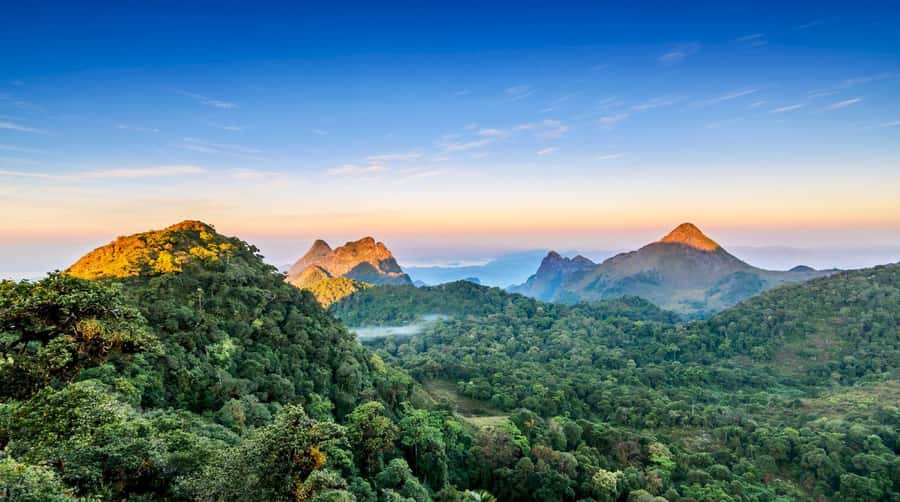
The main event is a 6 km trek into the jungle. Plan on about 3 to 3.5 hours walking time. This is not a scenic stroll where you barely break a sweat. The trail involves crossing a river 21 times, so your schedule and your shoes matter as much as your enthusiasm.
Expect water, mud, and slippery spots. The crossings are frequent enough that you’ll likely be adjusting your pace and stance a lot. Some sections can feel more like “travel through terrain” than “walk on a path.” That’s part of the adventure, but it’s also why you should bring the right footwear.
Here’s what makes the trek worth it beyond the exercise:
- You’ll see coffee trees along the way. It’s a cool detail because you often hear about coffee in Thailand, but you don’t usually see the plants growing in the wild.
- You’ll pass very old trees—the tour notes 500-year-old trees, which makes the forest feel bigger than it looks on a map.
- You’ll move through thick greenery and constantly-changing views as the river pulls you into different angles of the jungle.
If you like places that feel less like a checklist and more like an actual walk in a living system, this part is the heart of the day.
Footing, pace, and wet-shoe reality: what to wear
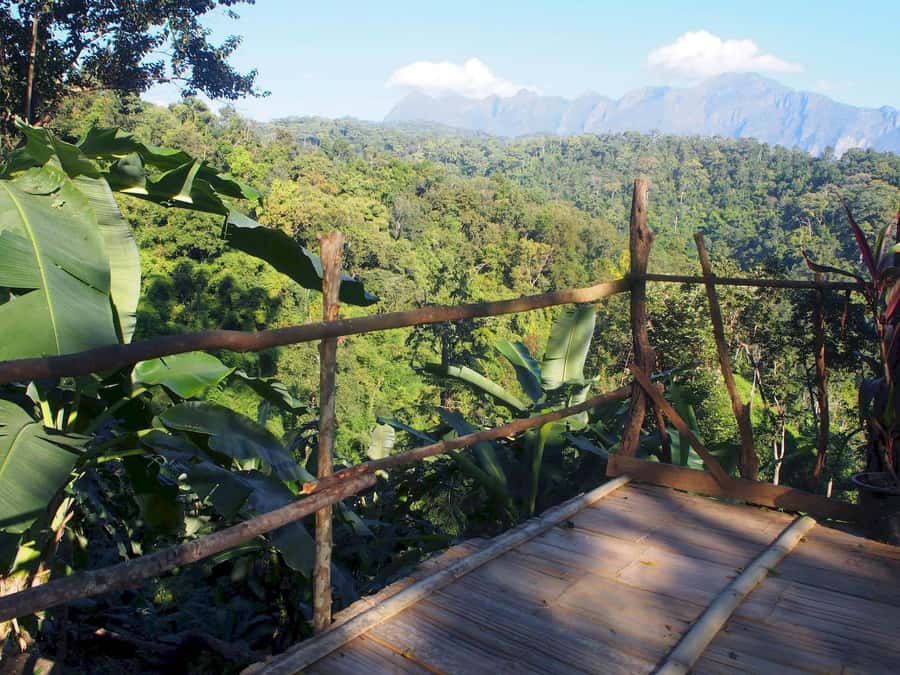
Because the trek is wet, your footwear choice is the difference between “fun memory” and “painful afternoon.” Comfortable shoes are required, and the tour also specifically suggests waterproof shoes.
One smart tip from real-world experience: flip flops are a poor choice for this hike. You need traction and protection for uneven ground. Closed-toe options—like sandals that can handle water—can work better than open footwear. And if your shoes get soaked, that’s not a problem you need to panic about; the market stop means you can sometimes grab a cheap backup pair if you forgot something or misjudged the weather.
Also bring insect repellent. The jungle makes mosquitos more than an occasional nuisance. You don’t need to douse yourself, but you do need to think prevention.
Pro move: bring a pair of socks you’re okay with getting wet. Even if you don’t change them, you’ll at least know you’re prepared.
Lunch timing: on the way, or afterward
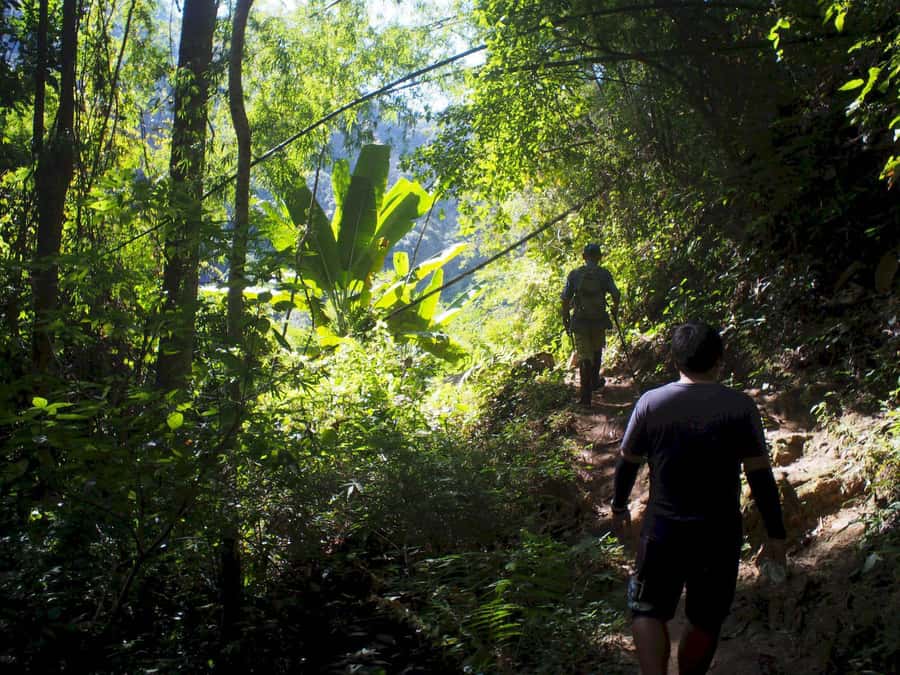
Lunch is included, and you’ll either eat en route during the hike or after you return, depending on timing that day. The good news: you’re not stuck waiting hours with no food plan. The market stop is built into the schedule to keep everyone fueled.
What you should plan for mentally: you’re hiking first, then eating. That means you’ll want lunch that won’t turn into a heavy “why did I do that?” situation. Choose items that are easy to manage while you still have movement ahead (or right after the hike finishes).
Because the day is active, you’ll also want to sip water steadily. The tour includes water, but your body will still want more than “one big drink.” Small, frequent sips help with energy and staying focused on footing.
Chiang Dao Caves: limestone formations plus an underground shrine
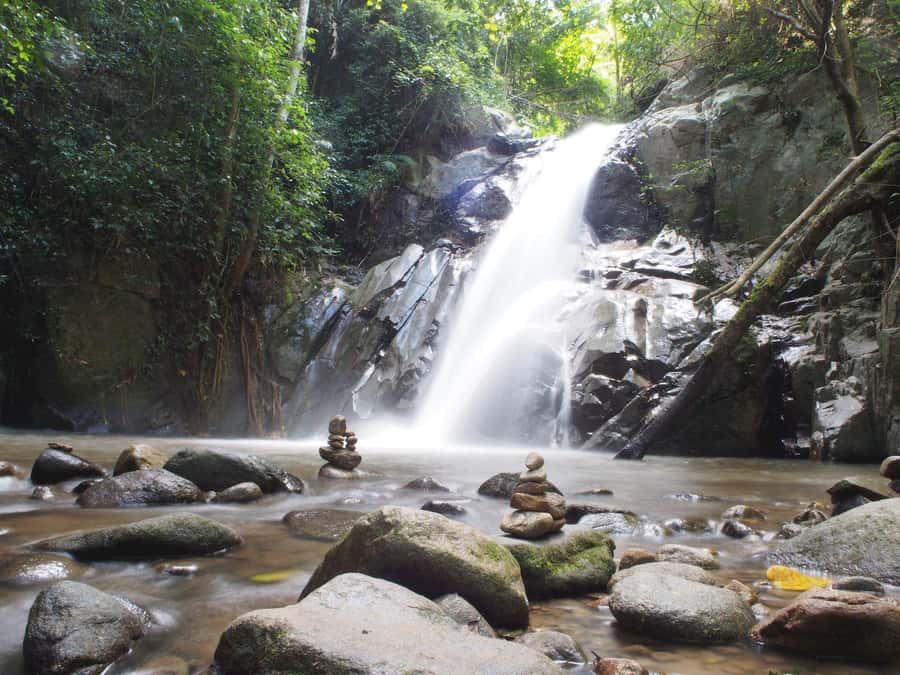
After the trek, you head to Chiang Dao Caves for about 1 hour of guided exploring. Caves are one of those attractions where timing matters. One hour is enough to see what’s special without turning it into a long, exhausting slog in the dark.
What you’re looking at here is a network of limestone caverns, with stalactites and stalagmites. The most interesting detail is that there’s also a Buddhist shrine integrated into the underground tangle. That combination—natural rock formations plus a human spiritual space—changes how you experience the cave. It feels less like a pure science visit and more like a place that people treat with respect.
Practical cave notes:
- Wear footwear that can handle damp ground. Even good shoes can feel slippery on cave floors.
- Bring your camera, but be ready for the light to be weird. You might get better results by shooting short bursts and adjusting exposure.
- Leave some curiosity for the guide. The difference between seeing a cave and understanding it is usually a few key explanations.
If you end up loving the cave portion, you may notice options to extend the experience beyond the standard route (not included in the basic plan). A longer, darker cave route is sometimes talked about as an add-on idea. If you add that type of option, you might have to trade off time elsewhere, like the hot springs. So think carefully about what you’d rather prioritize.
Hot springs with a real break: about 45 minutes
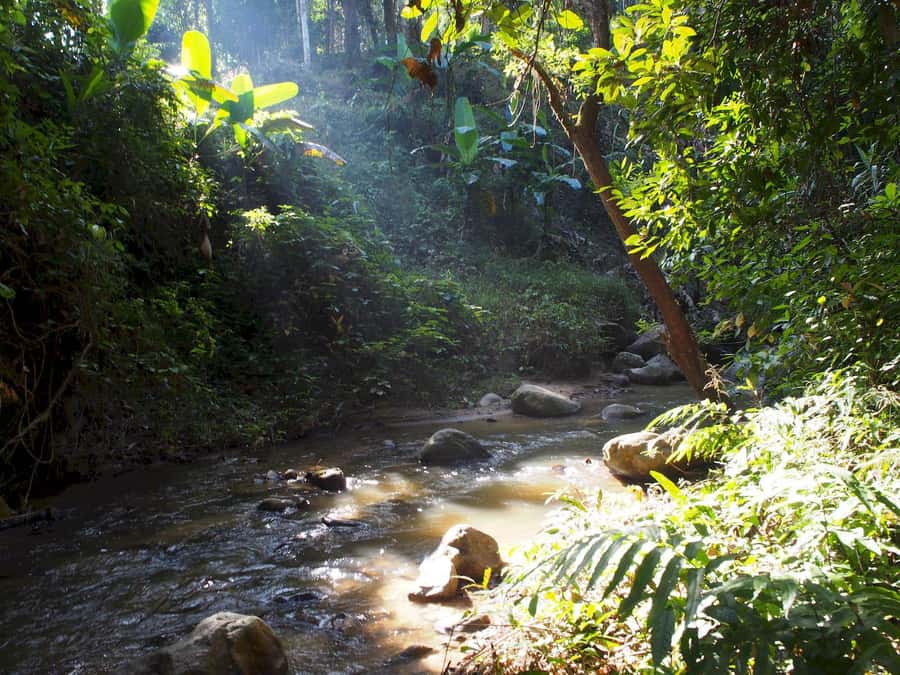
Hot springs arrive after the caves and function as the day’s reset button. You get roughly 45 minutes here, with a possibility of taking an outdoor bath. This timing matters. After a wet trek and cool cave air, your muscles will appreciate the change.
This is also where you’ll feel the temperature difference most. Even if you don’t soak long, just standing in warm water—or even warming up your hands and feet—helps you feel human again.
A practical approach:
- Bring a plan for wet clothing. You don’t need to change everything, but you’ll want to dry off as much as you can.
- If you do the outdoor bath, watch your steps. Warm water still makes surfaces slick.
- Don’t treat the hot springs like an all-day spa. This is a short, focused break, so arrive ready to actually use the time.
Wat Ban Den’s blue colors: the cultural finish
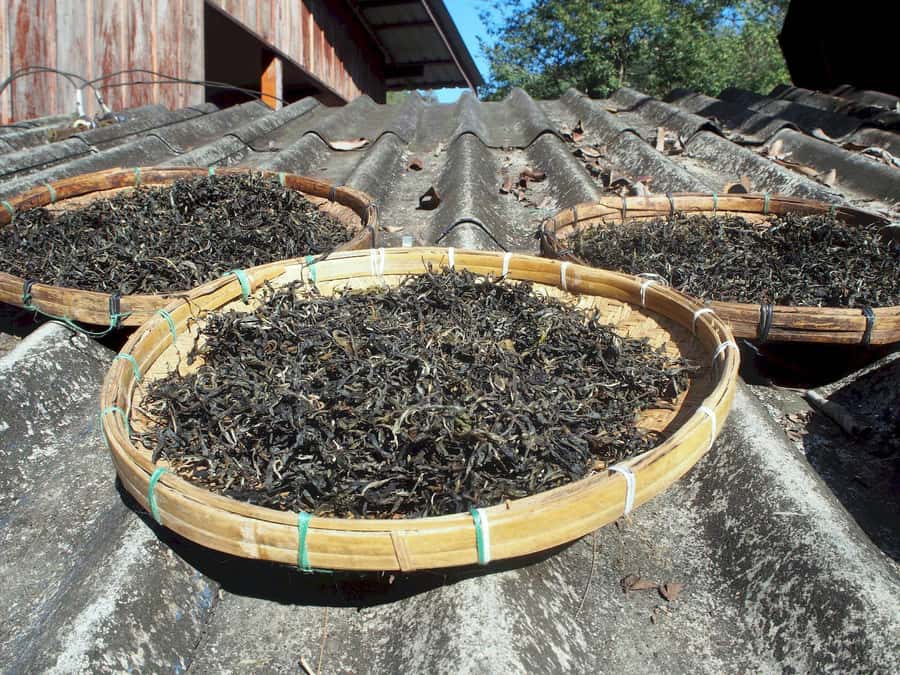
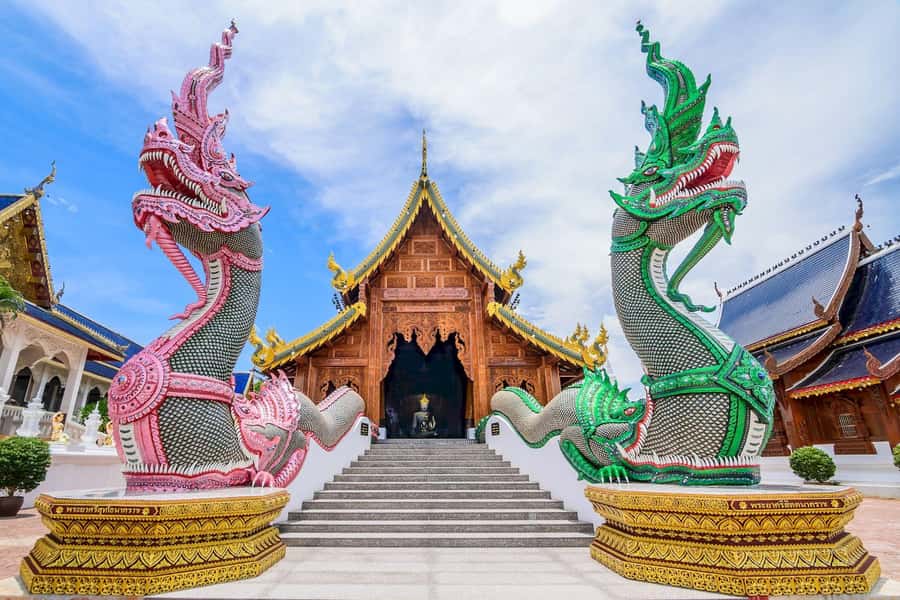
After the caves and hot springs, you visit Wat Ban Den temple, known for its dazzling blue colors. You’ll spend about 1 hour here with a guided visit.
This temple stop is a nice counterbalance to the day’s heavy nature time. By the time you get there, you’ve already crossed rivers, walked through jungle, and stared at underground rock. Then the blue temple visuals hit like a clean, bright contrast.
It’s also a useful way to connect the landscape you saw earlier with Thai cultural life. The guide can point out details you might otherwise miss, like how the temple’s look shapes your perception as you walk through the site.
If you’re into photography, blue temples can be forgiving—there’s lots of strong color for images. Still, keep it respectful and don’t block paths while you frame shots.
The guide factor: English/Thai storytelling, with one caution
This is led by a live guide in English and Thai, and private-group format means the guide can set the pace. One guide name that comes up in feedback is Poo—and people appreciate his help with photos and sharing info about nature, plants, and life beyond big cities.
That matters because the trek and caves are sensory experiences. Without explanation, you might just see trees and rocks. With a good guide, you start noticing patterns: why certain plants appear, how the area supports wildlife, and what the cave formations mean in local context.
One caution: human behavior is human behavior. There’s at least one account where the guide (and a teenager with him) made some comments that created an uncomfortable feeling. That’s not something you can predict from the itinerary alone. If you ever feel unsafe or disrespected, you should speak up immediately or request a different approach from the guide.
Price and value: what $109 buys in a full day
At $109 per person, this tour costs more than a simple transport day—but it includes a lot that’s hard to replicate cheaply. You’re paying for:
- Hotel pickup and drop-off
- A live guide (English and Thai)
- A market stop for lunch
- Guided trekking in jungle terrain with river crossings
- Chiang Dao Caves exploration with guidance
- Hot springs time
- Wat Ban Den temple visit with guidance
- Lunch and water
In other words, you’re not just paying for views. You’re paying for someone to organize the day across multiple environments and keep it flowing safely. If you’re staying in Chiang Mai and want the Chiang Dao region experience without figuring out transport, timing, and guides on your own, the price starts to look like fair work.
The only “cost risk” is if you want add-ons (like a longer cave option). Those extras aren’t part of the included plan, so keep your budget flexible if you’re tempted.
Before you go: packing list that matches the reality
The tour provides the structure, but you still control comfort. Here’s what to bring:
- Comfortable shoes
- Water
- Camera
- Insect repellent
- Insect-safe planning (use repellent before the hike)
- Waterproof shoes (strongly recommended given the crossings)
- Optional waterproof backup if your shoes are easily ruined
And a note on clothing: plan for wet. If you bring footwear you hate getting soaked, you’ll spend the hike worrying instead of enjoying it.
Also, this tour is not suitable for pregnant women. If anyone in your group has pregnancy-related concerns, choose a different day plan.
Who should book this Chiang Dao trek (and who shouldn’t)
Book it if you want a day with real movement and nature details. This is for you if:
- You like jungle walks more than museum hours
- You enjoy photos but also care about practical comfort
- You’re curious about coffee trees and long-lived forest trees
- You want caves with a guided context, not just an entry fee
Skip it if you’re expecting a gentle walk with no wet elements. The 21 river crossings and jungle trail style can be challenging. Also skip if pregnancy applies.
If you’re the type who loves a “mountains day” but still wants structure—market lunch, guided cave time, hot springs reset, blue temple finish—this fits well.
Should you book it?
Yes, I’d recommend booking if you want a full Chiang Dao day that mixes trekking, caves, and hot springs in one organized package. The value comes from the number of guided experiences you get without doing logistics yourself.
I’d pause before booking only if you have trouble with wet ground, frequent river crossings, or you’re not comfortable with unpaved trail conditions. If you go, go prepared: waterproof footwear and insect repellent turn the whole day from stressful into satisfying.
If you’re excited by the idea of walking through jungle, seeing coffee trees growing where they belong, and ending at a vivid blue temple after a warm hot-spring break, this is the kind of day you remember.
FAQ
How long is the Chiang Dao Caves and Jungle Trek with Lunch?
It’s a 1-day tour.
What time is the pickup in Chiang Mai?
Pickup starts at 7:30 AM from your hotel reception.
How long is the jungle hike and how far is it?
You’ll trek 6 km, which takes about 3 to 3.5 hours.
How long do you spend exploring Chiang Dao Caves?
You’ll have about 1 hour for a guided visit.
Is there time to relax at hot springs?
Yes. There’s a hot springs break for around 45 minutes, with the possibility of taking an outdoor bath.
What’s included for lunch and drinks?
Lunch and water are included, along with a stop at a local market.
What language is the tour guide?
The guide is available in English and Thai.
Can I cancel if my plans change?
You can cancel up to 24 hours in advance for a full refund.