REVIEW · KATHMANDU
Annapurna – Poon Hill Trek
Book on Viator →Operated by Happyland Treks · Bookable on Viator
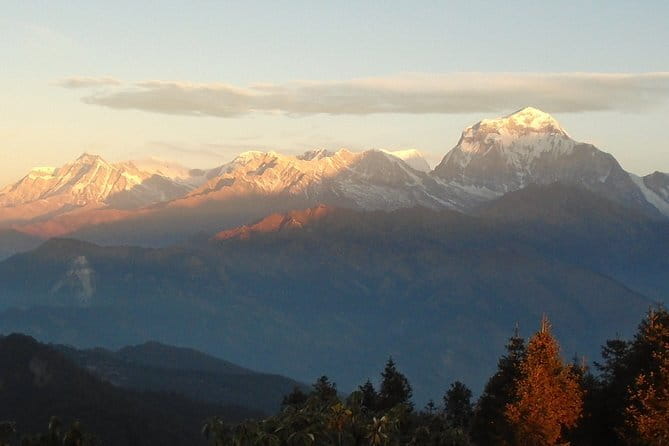
Sunrise over Poon Hill is pure drama. This 9-day Annapurna trek is built around an early hike for panoramic views, with classic mountain backdrops like Mt. Dhaulagiri and Mt. Machhapuchhre. I especially like the 6:00 am push to catch the light, and the English-speaking guide who keeps everything on track and easy to follow. One consideration: the sunrise depends on good weather, so clouds can soften the payoff.
You’ll also like the practical setup: airport pickup and drop, hotel nights in Kathmandu and Pokhara, and the paperwork handled with a TIMS card plus the Annapurna conservation area permit. Plus, it’s private, so it’s just your group. If you don’t want to manage logistics after a flight, that matters.
In This Review
- Key highlights I think are worth your attention
- Why Poon Hill works in 9 days (and why that’s a big deal)
- Kathmandu Valley prep: a smooth start beats a rushed one
- Kathmandu to Pokhara by bus: long, but it gets you there
- Pokhara to Ulleri (2010m): the trek begins the day you leave the city
- Ulleri to Ghorepani (2874m): village walking and your first big effort
- The Poon Hill morning: early start, big views, and a controlled payoff
- Tadapani to Ghandruk (1940m): the middle days that make the trek feel complete
- Ghandruk to Nayapul and back to Pokhara: finishing strong
- Pokhara back to Kathmandu, then daylight for real life
- Tea houses, breakfasts, and the staff details that actually matter
- Price and logistics: what $938 buys you (and what it doesn’t)
- Pace, altitude, and weather: how to set expectations the right way
- Who should book this trek (and who should pause)
- Should you book this Annapurna Poon Hill trek with Happyland Treks?
- FAQ
- How long is the Annapurna Poon Hill trek?
- Where is the meeting point and when do we start?
- Is airport pickup and drop-off included?
- What are the accommodations like during the trek?
- What meals are included?
- Are trekking permits and the TIMS card included?
- Is there porter service?
- What’s not included in the price?
- What happens if the weather is poor?
Key highlights I think are worth your attention
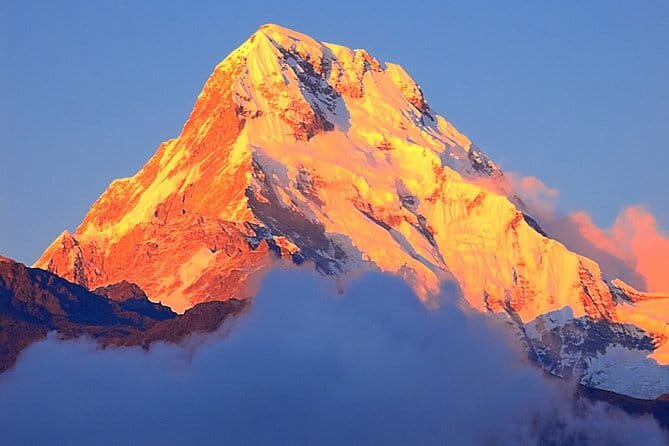
- Poon Hill early start gives you the best shot at a sunrise that actually feels special
- Tea-house trekking style means nights in simple lodges instead of camping
- Meals covered on the trek (breakfast, lunch, dinner) plus three tea/coffee servings per day
- Permits and TIMS included, so you’re not hunting down paperwork last-minute
- Porter support (1 porter between 2 people basic) helps keep the hike realistic
Why Poon Hill works in 9 days (and why that’s a big deal)
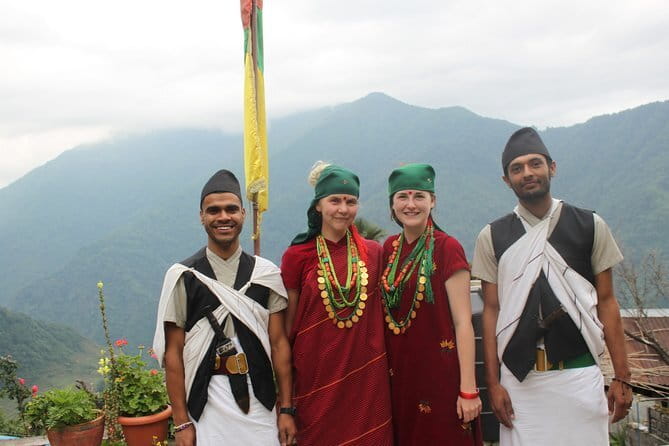
Most Annapurna treks take longer, and that often turns into a trade-off: more time in the mountains, but fewer people can actually fit it into a vacation window. Poon Hill is popular because it’s shorter and still delivers “wow” moments—especially at sunrise, when the ridgelines glow and the mountain silhouettes sharpen.
You’re trekking up into the Annapurna region, reaching 3210m at Poon Hill, then working your way back down through villages. The rhythm is simple: hike in the morning, pause for meals, settle into a tea house for the night. It’s not a technical climb, but it is still real hiking—built for people who enjoy walking and watching the sky change.
You can also read our reviews of more tours and experiences in Kathmandu.

Kathmandu Valley prep: a smooth start beats a rushed one
Your first day is all about getting grounded in Kathmandu. You arrive, get transferred to a hotel, and have time to prepare for trekking and overnight in the city. Even if you’ve been on buses or planes all day, this buffer matters. Altitude treks hate chaos, and Kathmandu is where you can sort gear, snacks, and water without feeling behind.
Then the clock starts moving. The tour runs with a clear early meeting time (6:00 am) and a set meeting point at Happyland Treks in Paknajol Marg, Kathmandu. So even before the first hiking day, you’re getting into the “wake up and go” pace—just in a controlled way.
Kathmandu to Pokhara by bus: long, but it gets you there
Day two takes you from Kathmandu to Pokhara by tourist bus, with an overnight stay in Pokhara. This is a classic route: it’s not the shortest, but it’s simple and keeps the travel day from turning into a separate travel project.
Pokhara sits at a much lower elevation than where you’ll trek, so it’s a good staging point. You get the night to rest, eat a normal meal, and mentally switch from city life to mountain life.
Pokhara to Ulleri (2010m): the trek begins the day you leave the city
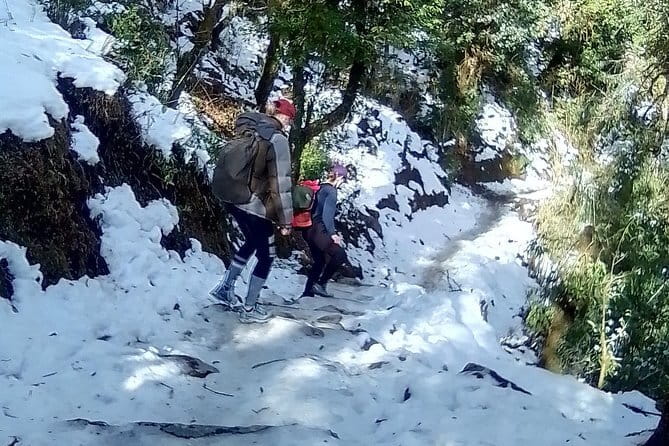
On day three, you go from Pokhara to Nayapul by private transport (about 1.5 hours), then start trekking to Ulleri (2010m). This is when the itinerary changes from transport planning to trail rhythm.
Ulleri is a typical jumping-off village for short treks in the Annapurna foothills. It’s not about a single “must-see” moment so much as easing your body into hiking. If you pace yourself here, the rest of the trek feels smoother. If you charge early, you’ll feel it later—especially as you climb again toward higher viewpoints.
Ulleri to Ghorepani (2874m): village walking and your first big effort
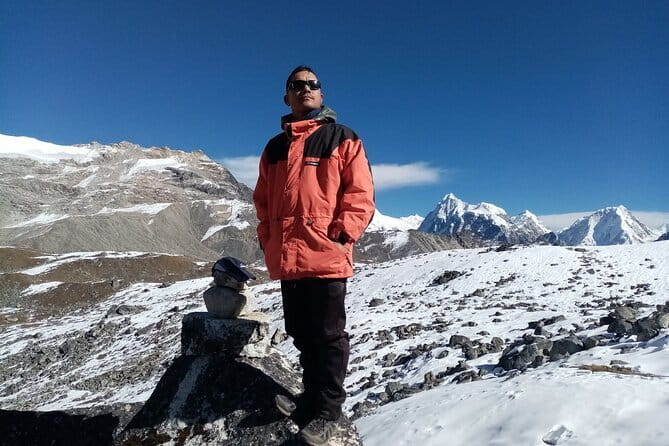
Day four is the hike from Ulleri to Ghorepani (2874m). Ghorepani is one of the key tea-house bases for this region, and it’s where you’ll feel the trek turning into a real high-mountain experience. You’ll be higher, and the air is cooler than down in the foothills.
This is also the day where you’re building toward Poon Hill. Even though the sunrise moment is next, your body needs that “getting used to it” work. I like how this portion of the trek doesn’t pretend you’ll float up the trail—it asks you to walk, but it stays within the short-trek style.
The Poon Hill morning: early start, big views, and a controlled payoff
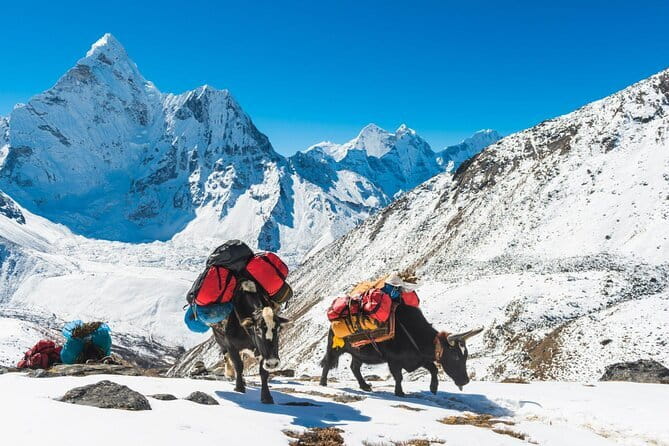
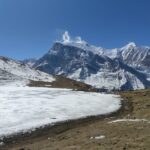
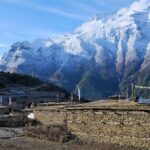
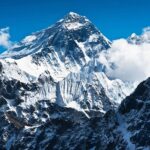
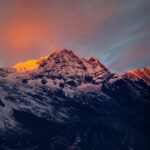
Day five is the highlight day. You hike uphill early to reach Poon Hill (3210m) for sunrise and panoramic mountain views. The viewpoint is famous for a reason: when weather cooperates, you get a sweeping backdrop of the Annapurna range, including Mt. Dhaulagiri (8167m) and Mt. Macchapuchhre (6993m).
After the sunrise and mountain viewing, you go back down to Ghorepani and enjoy breakfast, then continue trekking onward to Tadapani (2630m).
A practical note: the plan is early for a reason. If you’re the type who hates waking up in the dark, this trek still works—but you’ll want to prepare mentally and pack warm layers for the pre-dawn portion. Sunrise hikes are more about “staying comfortable long enough to see the light” than about speed.
Tadapani to Ghandruk (1940m): the middle days that make the trek feel complete
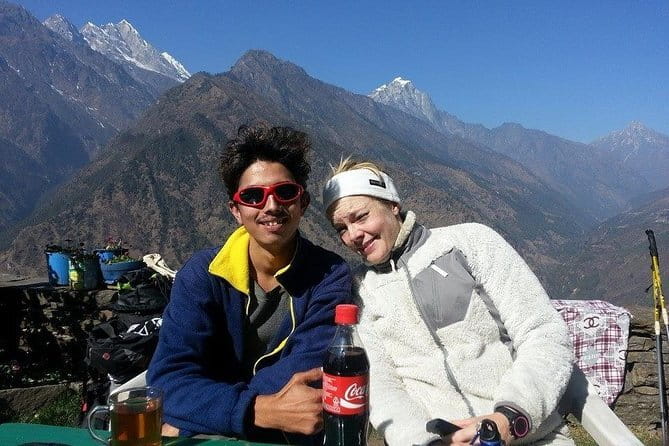
On day six, you trek from Tadapani to Ghandruk (1940m). This is an important shift. You’ve reached the peak-view day already, and now the trek becomes more about scenery, village atmosphere, and keeping your legs steady.
Ghandruk is a classic stop for people who like the village side of trekking—houses, paths, and views without the constant grind upward. It’s also a helpful elevation reset compared to Poon Hill’s height. You’ll still be hiking, but it feels more balanced after the early morning effort.
Ghandruk to Nayapul and back to Pokhara: finishing strong
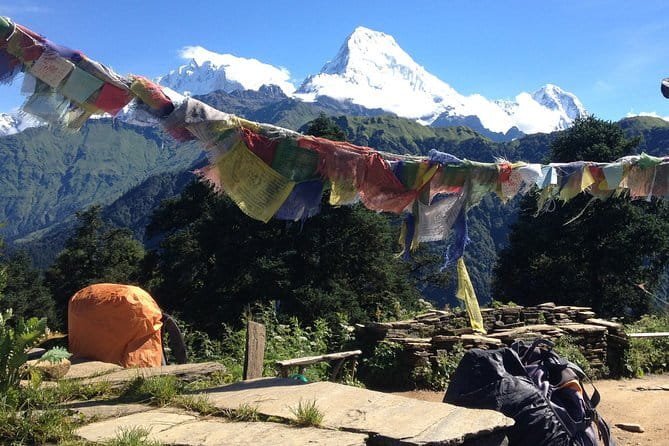
Day seven is the hike from Ghandruk to Nayapul (1070m), then private transport back to Pokhara. This is the day where you can feel your endurance return. When the elevation drops, the trail can feel easier even if your knees are reminding you who’s boss.
Once you’re back in Pokhara, you get breathing room. You’re not just “surviving the trek” anymore—you’re transitioning into normal travel again.
Pokhara back to Kathmandu, then daylight for real life
Day eight goes by tourist bus from Pokhara back to Kathmandu (listed as via Damauli, with Kathmandu at 1336m). It’s a travel day, so keep it light on planning. This is a good time to sort laundry, charge batteries, and handle any leftover bits you skipped earlier.
Day nine is departure day. If you have extra time, you can relax in Kathmandu, do some shopping, and squeeze in sightseeing. The trek gives you a mountain story; Kathmandu gives you the comfort to enjoy it.
Tea houses, breakfasts, and the staff details that actually matter
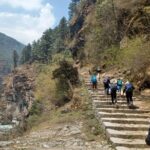
This trek uses tea house accommodation during the days on trail. That means beds, dining rooms, and a familiar routine—simple, not fancy. It also means you’re not carrying camp gear.
Meals on the trek are arranged as standard: breakfast, lunch, and dinner are included during trekking, and you get three cups of tea or coffee per day. This sounds small, but it’s huge on a cold morning. You’re not constantly negotiating what you can afford or where to eat.
One detail worth noting: comfort varies by location. Hot showers are mentioned as available in most places, but not necessarily everywhere on the route. So if you truly care about a hot shower every night, pack a little flexibility—and plan for cold-day washups when needed.
Price and logistics: what $938 buys you (and what it doesn’t)
At $938 per person for about 9 days, this is a mid-range price for a short Annapurna trek with more than basic coverage. The value comes from what’s bundled in: airport pickup and drop, two nights in Kathmandu and two nights in Pokhara with breakfast, and ground transport between Kathmandu and Pokhara plus Pokhara to Nayapul and back.
It also includes the operational stuff that saves your time and stress:
- TIMS card
- Annapurna conservation area trekking entry permit
- An English-speaking guide
- Porter service (with the porter shared between two people basic)
- A medical kit, plus staff insurance and medicine coverage
- A trip certificate, plus a company duffel bag and t-shirt
What’s not included is also clear, so you can budget realistically. You’ll want to plan for:
- Nepal entry visa fee and international airfare
- Travel medical insurance and any emergency evacuation costs
- Personal equipment
- Tips for guide and porter (tipping is expected)
- Personal expenses like alcoholic drinks, water bottle, battery charging, hot shower costs if applicable, and other small extras
For many people, the “hidden” savings here are time and coordination. You’re paying for someone else to handle permits, transport timing, and the rhythm of daily logistics so you can focus on walking and enjoying the views.
Pace, altitude, and weather: how to set expectations the right way
Even though this is called a short trek, you’re going from low-elevation travel days into higher trekking altitudes and spending time around 2874m and 3210m. The best advice is boring but true: walk at a pace you can sustain, take breaks, and don’t treat the steep bits like a race.
The other big reality is weather. The experience specifically notes a requirement for good weather. That’s not marketing; it’s the difference between crisp mountain silhouettes at sunrise and a blurry sky where you mostly see clouds.
If the trek can’t happen due to poor weather, you’ll be offered a different date or a full refund. So it’s worth watching the forecast as your trek date approaches and being mentally flexible.
Who should book this trek (and who should pause)
This trek fits best if you want a classic Annapurna experience without committing to a long trek. It also works well if you like structure: transport is handled, meals are planned, and you have an English-speaking guide plus porter support.
It’s not a great fit if you want long days of recovery at higher elevation or if you dislike early mornings. The sunrise hike is the point, and it happens early.
If you’re an active walker who can handle uphill days and cold mornings, you’ll probably enjoy the flow. If you’re coming in after multiple late nights in Kathmandu, give yourself time to sleep before the first big morning.
Should you book this Annapurna Poon Hill trek with Happyland Treks?
If you want a short, organized Annapurna trek focused on sunrise views, this is a solid choice. I’d especially consider it if you don’t want to spend vacation time chasing permits, coordinating transport between towns, or figuring out meal planning day by day.
I’d also book it if the idea of tea-house nights and guided trail support sounds like your kind of adventure. The operational details—like the guide support, the porter setup shared between two people, and the fact that meals are covered—make it easier to enjoy the mountains instead of managing the checklist.
If clouds are your biggest worry, keep in mind the sunrise depends on weather. Still, the trek’s design means you’ll have plenty of mountain walking even if the sky isn’t perfect.
FAQ
How long is the Annapurna Poon Hill trek?
It’s listed as approximately 9 days.
Where is the meeting point and when do we start?
The start time is 6:00 am, and the ticket redemption point is Happyland Treks, Nepal Trekking, Everest Trek, South Asia, Paknajol Marg, Kathmandu 44600, Nepal.
Is airport pickup and drop-off included?
Yes. Airport pick up and drop are included by car/van/bus.
What are the accommodations like during the trek?
You’ll use tea house accommodation during the trek, plus two night accommodations in Kathmandu and two night accommodations in Pokhara with breakfast.
What meals are included?
All your standard meals while in the trekking are included: breakfast, lunches, and dinners. The package also includes three cups of tea or coffee a day.
Are trekking permits and the TIMS card included?
Yes. The TIMS card and the Annapurna conservation area trekking entry permit are included.
Is there porter service?
Yes. Porter service is included at a ratio of 1 porter between 2 people basic.
What’s not included in the price?
Not included are lunch and dinner during your Kathmandu and Pokhara stay, travel medical insurance and emergency evacuation cost, Nepal entry visa fee, international airfare, personal equipment, and tips for the guide and porter. Personal expenses like alcohol, water bottle, battery charging, and other extras are also not included.
What happens if the weather is poor?
This experience requires good weather. If it’s canceled due to poor weather, you’ll be offered a different date or a full refund.