REVIEW · KATHMANDU
Everest Base Camp Trek – 16 Days
Book on Viator →Operated by Nepal Intrepid Treks · Bookable on Viator
Everest Base Camp is one of those trips that stays with you. This one is built around smart pacing, classic Khumbu scenery, and a supported hike from Kathmandu to Lukla and back. I especially like that it includes Kathmandu hotel nights plus trekking basics like a sleeping bag and down jacket, so you’re not scrambling last minute.
The second thing I like is the human scale: a private group (up to 14) with a guide and porter setup that should keep logistics smooth. One thing to consider, though: this trek depends on weather and Lukla flights, so plan to be flexible on travel days.
In This Review
- Key highlights worth knowing before you go
- Why Everest Base Camp hits harder than the photos
- Kathmandu days 1–2: setting your body (and your head) up
- The Lukla launch: where the trek truly begins
- Phakding to Namche Bazaar (Days 3–4): bridges, forests, and your first big altitude lift
- Namche acclimatization (Day 5): the smart rest day that doesn’t feel like a rest day
- Tengboche (Day 6): monastery morning energy and mountain drama
- Dingboche area (Days 7–8): adding altitude without paying for it later
- Lobuche (Day 9): glacier edges and a quiet cemetery stop
- Everest Base Camp Day (Day 10): Changri glacier, Gorekshep, then the prayer flags
- Kalapatthar sunrise and the descent to Pheriche (Day 11)
- The return: Namche (Day 12) and Lukla (Day 13) with less stress than you think
- Kathmandu wrap-up (Days 14–16): rest, recovery, and one last look at Nepal
- Value and included stuff that actually helps on this trek
- Who should choose this Everest Base Camp trek
- Should you book it?
- FAQ
- How long is the Everest Base Camp trek?
- Where does the trek start?
- Are flights included?
- What kind of accommodation do you get in Kathmandu?
- Do you get meals on the trek?
- Is there any bathroom comfort on the trek?
- What trekking gear is provided?
- What’s the group size and is it private?
- Do you provide oxygen?
- What should you know about cancellation?
Key highlights worth knowing before you go
- Lukla flight into the Khumbu: that dramatic landing area makes day one feel like you’ve already stepped into the mountains
- Hotel comfort at altitude: hot showers in Lukla, Phakding, and Namche during the trek are a real morale booster
- Acclimatization with a purpose: Namche and Dingboche are built in so you gain elevation with less stress
- Tengboche monastery stop: a morning-or-sunset style break with prayer wheels, flags, and mountain views
- Everest Base Camp + Kalapatthar: you don’t just reach base camp; you also aim for that top sunrise view
- Team support on the ground: experienced English-speaking guide plus porter support, and a personal Sherpa guide if you want one
Why Everest Base Camp hits harder than the photos
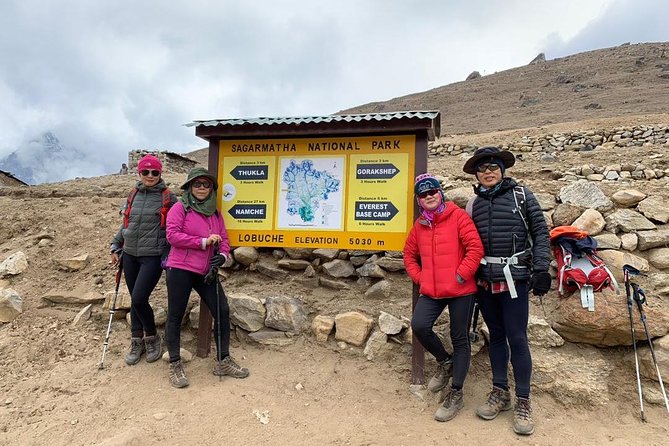
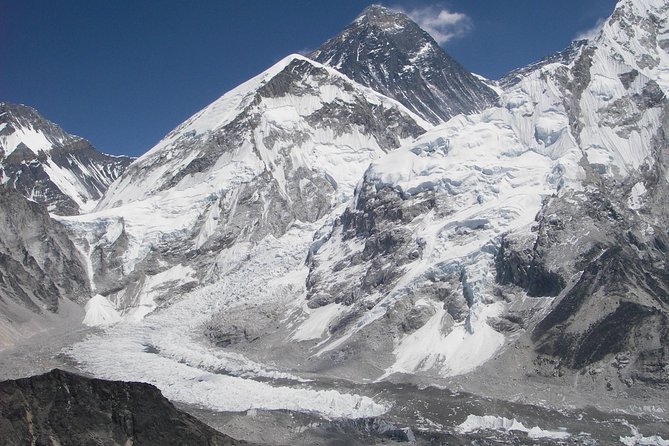
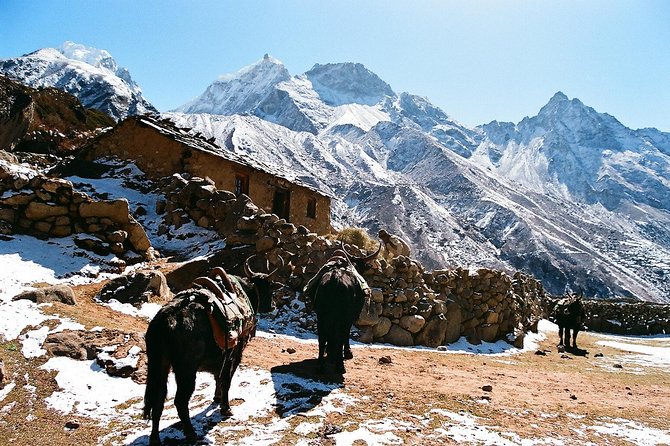
Everest Base Camp is famous for a reason. The scale is hard to describe until you’re walking through the Khumbu region and the peaks get larger with every ridge. Even if you’ve seen a thousand images, the feeling is different when you’re surrounded by glaciers, frozen rivers, and thin-air villages built on foot traffic and yaks.
This trek is interesting because it’s paced like a real journey, not a race. You spend multiple days in Namche and Dingboche specifically to adapt to altitude. That matters because Everest region trekking isn’t only about how far you walk—it’s also about how your body handles getting higher without burning out.
One more thing I like: you’ll get plenty of cultural texture along the way. Prayer wheels (spin clockwise), prayer flags in Tibetan Buddhist colors, mani stones, monastery stops, and bridge crossings all show up as part of normal trekking rhythm. It’s not only “look at mountain.” You’re also moving through a living place.
You can also read our reviews of more tours and experiences in Kathmandu.
Kathmandu days 1–2: setting your body (and your head) up
You start in Kathmandu at Tribhuvan Airport. The tour includes pickup and drop-off by private vehicle, plus a three-star hotel with room and breakfast on a BB basis for two nights.
Day 1 in Kathmandu is basically for orientation. You’ll check in, get trekking info, and get your bearings with an easy stroll through the streets and alleys. That first day is also when you should keep things low-key. Altitude isn’t the main issue here, but your stomach and sleep can be. I’d treat day one like a warm-up: light meals, early rest, and lots of water.
Day 2 is a preparation day plus a stroll around Kathmandu. This is where you can handle practical stuff like double-checking your gear, organizing a day pack, and making sure your passport/permits/flight details are ready. The trip also uses a mobile ticket, which you’ll want to keep accessible on your phone.
Practical note: some people get hit with stomach trouble early in Nepal. If you know you’re sensitive, don’t go adventurous on Day 1 and Day 2. Keep it simple.
The Lukla launch: where the trek truly begins
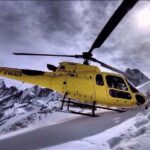
On Day 3, your Everest Base Camp journey kicks off with a domestic flight from Kathmandu to Lukla. This is often the most dramatic part of the trip because Lukla is set in a high, steep mountain bowl. The flight itself is described as thrilling, with mountain views lining up like a row of thorns.
Once you land in Lukla, your guide leads you along the trail in the Khumbu region. You’ll pass prayer wheels you can spin clockwise, then start heading down toward the Dudh Koshi River. You cross a suspension bridge—one of those classic moment-of-realization experiences where you look around and think, yes, I’m really in the mountains now.
From there, you continue to Phakding for the night. Overnight is in a guesthouse with breakfast, lunch, and dinner included.
Why this day matters: it’s not just “getting from A to B.” It helps you learn the trail pace, and it gets your body used to walking with a pack right away.
Phakding to Namche Bazaar (Days 3–4): bridges, forests, and your first big altitude lift
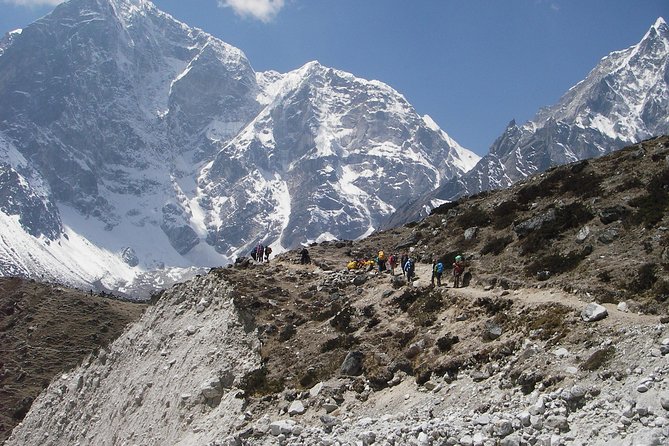
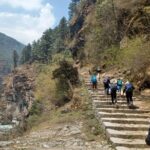
Day 4 brings a longer mountain walk: about six hours, with ups and downs through villages and rhododendron forests. You’ll see donkeys, yaks, and Sherpas carrying heavy loads, because there are no roads in this region—everything moves by trail.
You also enter Sagarmatha National Park, a UNESCO World Heritage Site. That’s not just a stamp. It helps explain why routes, permits, and conservation rules matter here.
The route includes two swinging bridges—one suspended higher than the other—plus passages through villages like Monjo. Then you climb for roughly three hours to reach Namche Bazaar.
What you’ll like about Namche: it’s a hub. You get the feeling of a real town in the mountains, with tea stops, bakeries, and hikers everywhere sharing trail updates.
Possible drawback: the hike is longer and more “stop-start” than people expect. If you tend to walk fast early, you’ll want to force a slower rhythm. Save energy for the altitude coming next.
Namche acclimatization (Day 5): the smart rest day that doesn’t feel like a rest day
Day 5 is an acclimatization day in Namche Bazaar. The plan offers two options: a short hike or a more relaxing day wandering around town. The short hike can include a visit to the world’s highest-placed hotel, the Everest View Hotel, with big views of Mount Everest and neighboring peaks.
Acclimatization days are where a good guide earns their fee. You’re not “wasting time.” You’re teaching your body how to function at higher altitude by staying active without going hard.
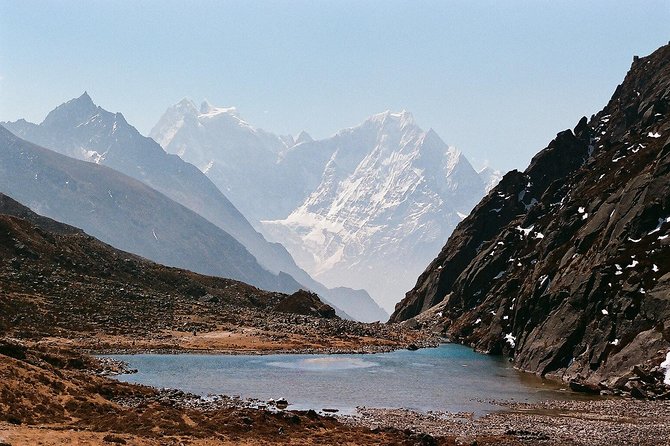
What makes this stop special: the view from around Namche can be stunning, and it helps you start putting names to peaks as you see them again later.
If you’re the type who hates being stuck, Namche still gives you options—short walks, viewpoints, and that lively mix of trekking gear, tea houses, and local life.
Tengboche (Day 6): monastery morning energy and mountain drama
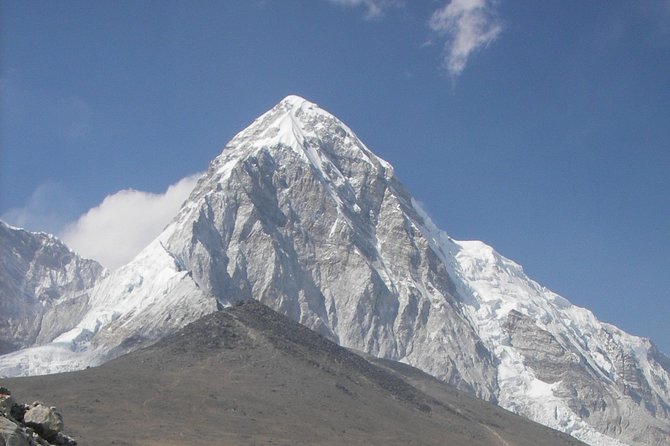
On Day 6, you head toward Tengboche. The day is described as tiring because the trail goes uphill and downhill, but the payoff is the scenery: big mountain views in the Rolwaling range area, plus pine and rhododendron forests.
You’ll also reach Tengboche’s monastery, which is a key spiritual stop in the region. The tour notes that with luck you might see Buddhist monks play football near the village center, or catch sunrise over the monastery with Mt. Ama Dablam and the tip of Mt. Everest as a backdrop.
Overnight is in a guesthouse in Tengboche, with meals included.
Why Tengboche is worth it: it’s one of the clearest places to feel the scale of the peaks and the way the village centers life around mountain-facing views and religious practice.
Dingboche area (Days 7–8): adding altitude without paying for it later
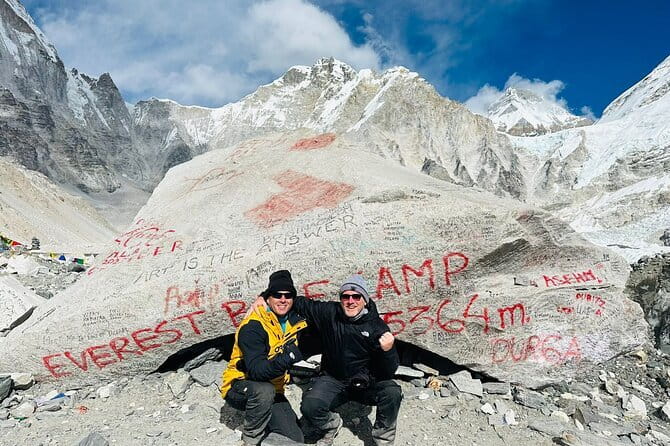
Day 7 continues toward Dingboche. The route includes walking through forests, crossing an Imja Khola bridge, and passing mani stones and prayer flags. You can also take time around Tengboche early in the morning to visit the monastery, plus see the wooden prayer wheels and colorful prayer flags representing the five Tibetan Buddhist elements.
Then Day 8 is another acclimatization day. You hike up to Nagarsan Hill at 5,100 meters, which is clearly designed for altitude adaptation rather than speed. From the top, you can expect major views, including Island Peak and other prominent peaks like Mt. Ama Dablam, Mt. Lhotse, Mt. Makalu, and Mt. Nuptse.
After that climb, the plan is to head back down and rest in Dingboche overnight.
What you’ll feel: thin air. But the hike makes the physical effect of altitude real in a controlled way. It’s also a confidence builder because you see big mountains again and again, not just the one dramatic view.
Lobuche (Day 9): glacier edges and a quiet cemetery stop
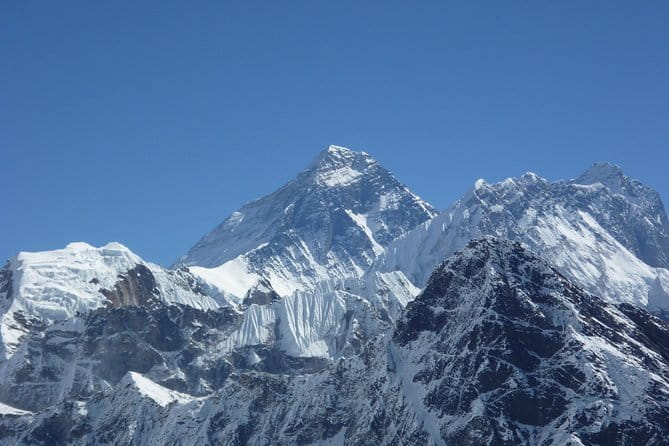
On Day 9, you continue toward Lobuche, leaving parts of the Khumbu glacier behind and walking along the valley floor toward Dugla and Lobuche. A powerful stop is the cemetery where climbers who lost their lives during their Everest attempts are resting.
That moment is more than emotional. It also helps you reset your mindset: this trek is a privilege, and the mountains are serious. Then you keep walking slowly as the air gets thinner.
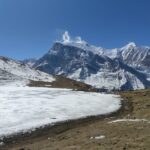
At Lobuche, the scenery includes views of peaks such as Mt. Pumori, Mt. Lingtren, Khumbutse, and Mahalangur. The tour also notes that Mt. Nuptse comes into sight as you cross the Khumbu glacier.
Overnight is in a guesthouse in Lobuche.
Possible drawback: by this point, it’s easier to feel “behind” if you push too hard earlier. Today is a reminder to keep your pace steady.
Everest Base Camp Day (Day 10): Changri glacier, Gorekshep, then the prayer flags
Day 10 is the big one: Everest Base Camp. The trek starts with a steep climb up the Changri glacier, and then Kalapatthar comes into sight. After that, you continue on to Gorekshep.
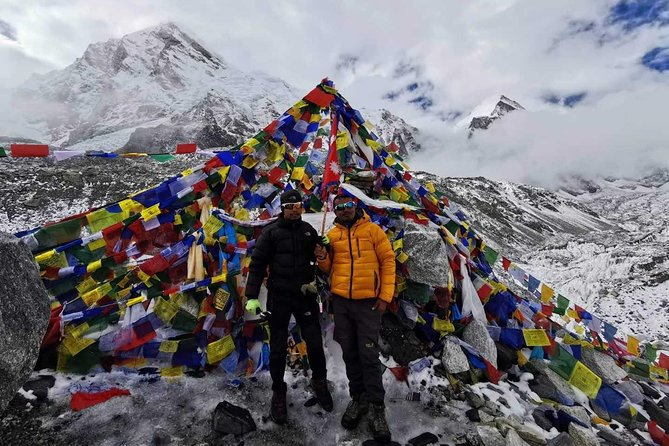
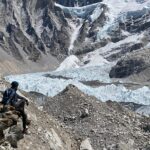
From Gorekshep, you pass glaciers and frozen rivers, moving through a fairy tale world of snow and ice. Then the last portion—about the last hundred meters of rocky terrain—leads to prayer flags at Everest Base Camp.
What’s striking here is how the day blends effort with gradual revelation. You don’t just “arrive at a line on a map.” You earn your arrival with a route that slowly narrows the world into ice, ridges, and peaks.
Kalapatthar sunrise and the descent to Pheriche (Day 11)
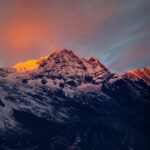
On Day 11, the tour focuses on sunrise from Kalapatthar, described as the king of sunrises for this part of the trek. This is an early-rise day for good reason: watching golden light appear behind white-capped peaks at altitude is one of those experiences you can’t recreate later.
After sunrise, you descend to Pheriche for overnight at a guesthouse.
Why this day matters: even people who don’t consider themselves photographers tend to feel the pull here. It’s not only about photos—it’s about that moment your brain finally accepts the scale of what you’re seeing.
The return: Namche (Day 12) and Lukla (Day 13) with less stress than you think
Day 12 starts retracing your steps back to Namche Bazaar. The route is the same path, but reversing it changes how you perceive the terrain. The light shifts, the angles change, and your fatigue level feels different once you’ve already reached the goal.
Overnight in Namche Bazaar follows.
Day 13 continues the return to Lukla via the same route toward Phakding and then onward. The Dudh Koshi river, suspension bridge, and lush areas become reverse “flashbacks” to what you saw on the way up. Overnight is in a guesthouse in Lukla.
What I like here: the return days often feel like you’re walking with knowledge. You’ve already seen Everest Base Camp and Kalapatthar, so the mountains don’t feel like unknown territory anymore.
Kathmandu wrap-up (Days 14–16): rest, recovery, and one last look at Nepal
On Day 14, you fly back to Kathmandu from Lukla (with the usual escort to your hotel after arrival). The rest of the day is free. You can rest or wander.
Day 15 is at leisure in or around Kathmandu. The tour suggests optional day trips, massage, shopping, or eating at tea gardens and rooftop terraces.
Day 16 is your departure day, with pickup from the hotel and escort to the airport.
My practical take: don’t overbook these final days. Trekking uses muscles you forgot you had, and sleep debt catches up.
Value and included stuff that actually helps on this trek
Even though the price shows $0.00 in the details you provided (so you’ll want the final quote), the inclusion list shows where the real value usually comes from on a trek like this.
Here’s what’s genuinely helpful:
- Flights Kathmandu–Lukla–Kathmandu (or Kathmandu–Ramechhap–Lukla–Ramechhap): this is the heart of getting into the Khumbu
- Meals three times daily with tea or coffee: you’re not constantly negotiating food at altitude
- Kathmandu hotel nights with breakfast: reduces stress before the first flight
- Hot shower rooms in Lukla, Phakding, and Namche: big deal when mornings are cold and nights are early
- Permits and paperwork: saves you time and hassle
- Guide and porter team: the included staffing is described as an experienced English-speaking guide plus a porter setup of 2 travelers to 1 porter
- Trekking basics provided: sleeping bag and down jacket during the trek are listed as included
- T-shirt, duffle bag, and trekking map, plus a trip achievement certificate
In the real world, the best trek value is the one that removes friction. Flight logistics, permits, meals, and day-to-day guidance reduce risk and decision fatigue—exactly what you want when you’re working with limited oxygen.
Who should choose this Everest Base Camp trek
This fit is best if you want a classic Everest Base Camp experience with structured acclimatization and guided support. It also suits you if you appreciate clear daily pacing—walking days plus dedicated altitude adjustment days.
You’ll likely be happy if:
- you have moderate physical fitness and want a guided plan rather than improvising
- you like having meals handled and want fewer decisions on trail days
- you want the security of a team: guides and porters, plus optional personal Sherpa guide for an extra charge
- you value comfort touches like hot showers in key towns
You might want to rethink if:
- you strongly dislike travel-day uncertainty, since Lukla flights depend on weather
- you expect a “bare minimum” gear experience; personal trekking equipment is still on you, even though the sleeping bag and down jacket are provided
Should you book it?
If your goal is Everest Base Camp with a well-timed acclimatization rhythm, this itinerary-style trek makes sense. The included hot showers in early trekking towns, the three-meals-per-day structure, and the guide/porter staffing are the kinds of details that keep you moving comfortably toward the finish.
If you hate uncertainty and can’t handle flight changes, then your biggest challenge may not be hiking—it’s logistics around Lukla. If you can stay flexible, you’ll likely enjoy how the trek builds toward base camp and then rewards you again at Kalapatthar sunrise.
FAQ
How long is the Everest Base Camp trek?
It’s listed as 16 days (approx.).
Where does the trek start?
The meeting point is Tribhuvan Airport in Kathmandu, Nepal.
Are flights included?
Yes. The tour includes round trip flights Kathmandu–Lukla–Kathmandu, or Kathmandu–Ramechhap–Lukla–Ramechhap.
What kind of accommodation do you get in Kathmandu?
You stay for 2 nights in a three-star hotel in Kathmandu on a room-and-breakfast basis.
Do you get meals on the trek?
Yes. Meals are included three times daily with cup of tea or coffee (breakfast, lunch, and dinner).
Is there any bathroom comfort on the trek?
Attached bathroom with hot shower room is included in Lukla, Phakding, and Namche.
What trekking gear is provided?
The trek includes a sleeping bag and a down jacket. You are still responsible for arranging your personal trekking equipment.
What’s the group size and is it private?
It’s described as private, with a maximum of 14 travelers.
Do you provide oxygen?
Oxygen cylinder and oxygen mask are available on request, but it’s listed as an extra charge.
What should you know about cancellation?
Free cancellation is offered up to 24 hours in advance for a full refund. The experience requires good weather, and if canceled due to poor weather, you’ll be offered a different date or a full refund.