REVIEW · KATHMANDU
Everest Base camp Trek-12 days
Book on Viator →Operated by Exciting Nepal Treks and Expedition · Bookable on Viator
Lukla to Everest Base Camp is a real adventure. This 13-day group trek from Kathmandu handles the heavy logistics so you can focus on the thin-air hiking and the Sherpa villages along the route. Two things I really like are the adventurous flight into Lukla and the way the itinerary builds in viewpoints like Everest View Hotel and Kala Pathar.
What to watch: you’re still trekking at altitude with steep days and long walks, and the included plan assumes you’re moderately fit with hiking experience. Also, the route is group-paced, so if you prefer total freedom, this style may feel a bit structured.
In This Review
- Key highlights at a glance
- Lukla flights: the part you remember for life
- The altitude plan: how the days help you stay human
- Teahouses, meals, and included gear: real value, not fluff
- What’s included
- Why that’s good for your wallet and stress level
- Gear note (important)
- Your day-by-day trek: what each stop really feels like
- Day 1: Kathmandu Valley start
- Day 2: Kathmandu to Lukla, then Lukla to Monzo/Phakding area
- Day 3: Monzo toward Namche via rhododendron forest
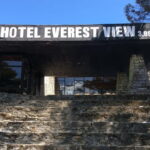
- Day 4: Namche acclimatization to Khumjung and Everest View Hotel
- Day 5: Namche to Tengboche (Mongla Pass day)
- Day 6: Tengboche through alpine forest toward the next higher villages
- Day 7: Dingboche area hike to Nangkartshang peak
- Day 8: Dingboche to Dusa and up to Duglha (high and scenic)
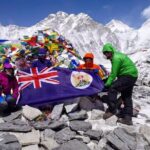
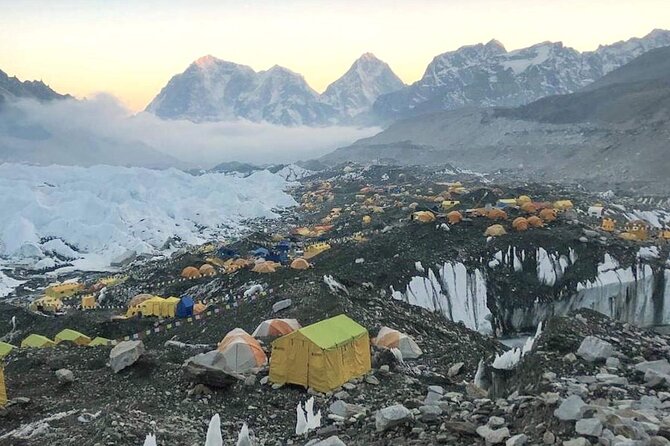
- Day 9: Toward Gorak Shep and Everest Base Camp (the long push)
- Day 10: Kala Pathar at sunrise (maximum payoff day)
- Day 11: Descent back to Namche via Pangboche and Tengboche
- Day 12: Namche area back to Lukla
- Day 13: Fly Lukla to Kathmandu
- Who’s running your trek: guide quality and how you’ll feel supported
- Price and logistics: what $1400 really buys you
- So…should you book this Everest Base Camp trek?
- FAQ
- What time does the trek start?
- How long is the trek?
- Are flights to Lukla included?
- Where do we stay during the trek?
- What cold-weather gear is provided?
- What meals are included?
- Is the trek limited to a large group?
Key highlights at a glance
- Lukla airstrip flight: a thrilling arrival that sets the tone for the trek
- Teahouse lodging included for the days on the trail
- Acclimatization days: high trekking, sleeping lower to reduce altitude stress
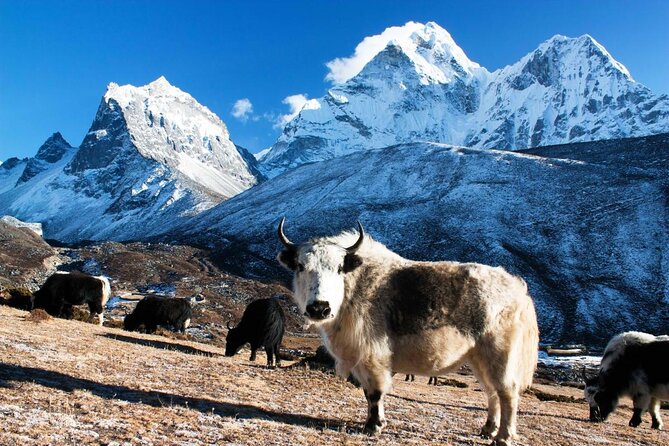
- Everest View Hotel + Kala Pathar for big Everest panoramas
- Gear included: sleeping bag and down jacket so you travel lighter
- Small-group feel: maximum 26 people with a guide in charge of the flow
Lukla flights: the part you remember for life
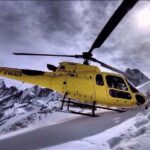
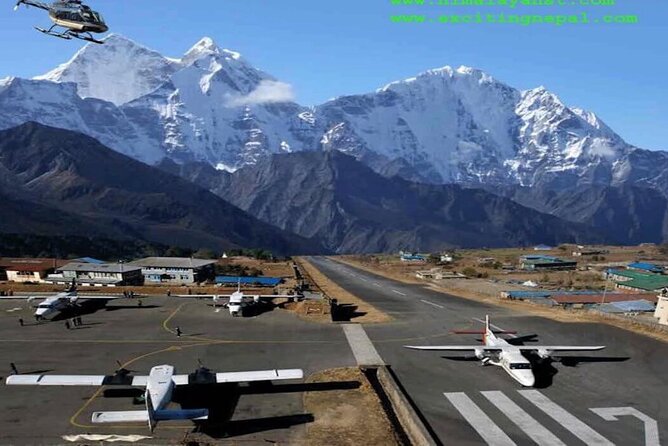
The Everest region starts with a domestic flight from Kathmandu (about 40–45 minutes). Then comes the moment you land over the narrow runway at Lukla. It’s not just transport—it feels like the trek has started, even before your boots hit the trail.
From Lukla, you’ll begin with a descent and follow the Dudh Kosi corridor. The river water is described as chalky, because it’s fed by glacier melt. That detail matters because it helps you understand why you’ll feel dusty at times on the trail and why the area can look dramatic even on “normal” travel days.
You can also read our reviews of more tours and experiences in Kathmandu.
The altitude plan: how the days help you stay human
This is not a do-it-fast trek. It’s built around gradual altitude gain, with the right kind of stops to help your body adjust.
- Early on, you’ll climb steadily from around the 2800m range up through Sagarmatha National Park toward Namche.
- There’s an acclimatization/exploration day above Namche, with a climb toward Everest View Hotel via Khunde and Khumjung. The goal is simple: get higher by day, then sleep lower.
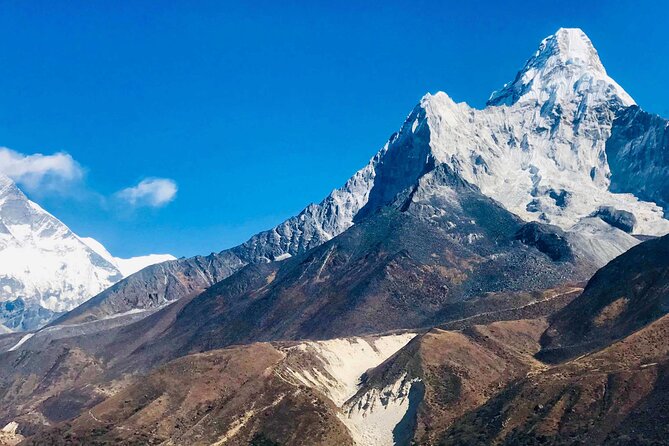
- Later, you’ll get another acclimatization-style hike above Dingboche, aimed at views (especially Ama Dablam) and body adjustment.
On the hardest stretch, you’ll still push high—Everest Base Camp sits at 5364m in the plan, and Kala Pathar rises to an even more intense viewpoint day. The good news is you’re told to move slowly on rough sections and to watch for altitude sickness risk. That’s the right mindset for this route.
Teahouses, meals, and included gear: real value, not fluff
A big reason many people choose this kind of group trek is that the practical stuff is handled. Here’s what that means on the ground.
What’s included
- Teahouse accommodation during the trek
- Meals: breakfast (12), lunch (11), dinner (11)
- National park fees
- Flights to and from Lukla
- Trek equipment: sleeping bags and down jackets
- A normal medical kit
- Seasonal fruits
- All arrival/departure coordination
Why that’s good for your wallet and stress level
At Everest Base Camp prices can swing wildly depending on what’s packaged. Here, the essentials that cost money and time—Lukla flights, park fees, lodging structure, and key cold-weather gear—are built into the price. That helps you budget without playing guesswork.
Gear note (important)
The included sleeping bag and down jacket are a lifesaver if you don’t want to buy or rent bulky cold-weather items. Still, you’ll likely want to double-check your personal layering system (gloves, base layers, and footwear). The plan includes some gear, but not every comfort item you might want.
Your day-by-day trek: what each stop really feels like
This route is classic Everest Base Camp territory: dense village sections early, then fewer people and bigger altitude as you go. Here’s how the days break down and what to expect.
Day 1: Kathmandu Valley start
Your trek begins with the Kathmandu setup. You’ll be in the rhythm of a city that feels like a gateway: time to organize yourself, hydrate, and get your head in trekking mode.
Day 2: Kathmandu to Lukla, then Lukla to Monzo/Phakding area
You fly into Lukla and then start trekking on a descent, eventually reaching the Dudh Kosi River and walking along the trail that follows it toward Phakding. The day is long enough to feel like trekking, but it’s not the kind of day that crushes you. It’s a transition day.
The river scenery is part practical, part emotional—glacier-fed water runs through the valley like a constant reminder that you’re close to big ice.
Day 3: Monzo toward Namche via rhododendron forest
You’ll trek toward Jorasele, passing through rhododendron forest and then entering Sagarmatha National Park. Namche comes after a steep, rugged climb (including a climb of about 600 meters toward Namche).
This is one of those days where small things matter: steady steps, short pauses, and not “racing” the trail. The plan moves through the Khumbu river area and includes a crossing on the route.
Day 4: Namche acclimatization to Khumjung and Everest View Hotel
This day is designed the right way: hike higher, sleep lower. You’ll ascend above Namche toward the Everest View Hotel, passing through Khunde and Khumjung.
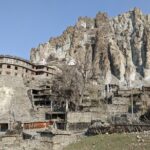
Khumjung is described as a wealthy area with good houses, and you’ll get sweeping views—Ama Dablam is a highlight from this region. The Everest View Hotel stop is worth it for the big panoramas and the sense that you’re in the Everest zone for real.
Day 5: Namche to Tengboche (Mongla Pass day)
You depart early from Namche toward Tengboche. The route follows contour and stone steps, then climbs to Mongla Pass at 3975m.
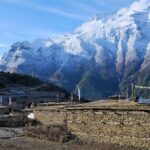
This is where your eyes get rewarded: Buddhist monuments, gompas, and stupas appear along the way. You’ll also get some of the strongest Ama Dablam views from the pass area, then descend toward the Dudh Koshi River and continue up again toward Tengboche.
A downside to this kind of day: the route has variety, but you can feel the altitude in every uphill section. Pace is everything.
Day 6: Tengboche through alpine forest toward the next higher villages
The trek continues through rhododendron and birch/conifer/birch zones, with several small villages on the way. You’ll pass through the Khumbila Khola valley and climb toward a ridge line.
This day’s appeal is the mix: forest trekking plus big peak sightlines. The plan calls out views of Taboche, Nuptse, Cholatse, and more.
Day 7: Dingboche area hike to Nangkartshang peak
This is another acclimatization approach—head up for a viewpoint and leave your body the chance to adjust. The hike is described as just above Dingboche and a strong Ama Dablam viewpoint.
If the weather cooperates, you can get dramatic mountain views from near the summit of the hike. The afternoon is left for resting or strolling around the village.
Day 8: Dingboche to Dusa and up to Duglha (high and scenic)
You’ll set out after breakfast. The trail starts wider and becomes narrower as you near Dusa. You’ll pass the campsite of the first successful Everest expedition—one of those moments that makes the trekking story feel real.
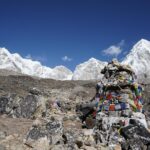
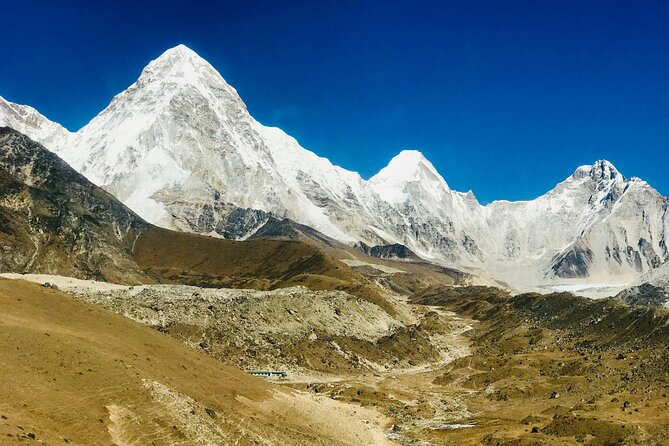
You’ll see Mt. Pumori as the trail continues, then cross a stream and ascend to Duglha, described with prayer flags. At this altitude, even small details like prayer flags can feel louder—because the sky and stone dominate everything.
Day 9: Toward Gorak Shep and Everest Base Camp (the long push)
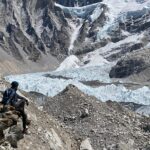
This is a key day. You’ll continue toward Gorak Shep and get your first solid sight of the Khumbu Glacier. The route has ups and downs, then turns rougher closer to Gorak Shep.
You’ll walk over a large rock, then climb more seriously. The plan explicitly suggests walking slowly to reduce altitude sickness risk. Finally, you reach Everest Base Camp at 5364m.
Base Camp is described as a mixed feeling—part awe, part fatigue. That’s exactly what you should expect. You’ve been climbing toward it all week, and now you finally arrive.
Day 10: Kala Pathar at sunrise (maximum payoff day)
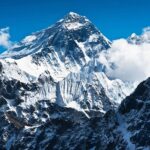
You start very early for a 3–4 hour hike to Kala Pathar, which is the best viewpoint in the plan for Everest, the Khumbu Glacier, and the Khumbu Icefall.
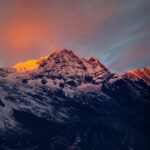
If the weather is clear, sunrise is magical: the snowy peaks glow and the view feels huge. The day ends with a 360-degree panorama and plenty of photo moments. This is the kind of trek day where even people who don’t normally “chase photos” end up stopping nonstop.
Day 11: Descent back to Namche via Pangboche and Tengboche
You leave the highest zones and descend through Pangboche and Tengboche before reaching Namche Bazaar in the afternoon.
Descent feels easier on paper and harder on your knees. Still, it’s a relief to move lower and breathe easier. The route also gives you a different perspective on the same valleys you crossed earlier.
Day 12: Namche area back to Lukla
Today you walk back to Lukla following the trail through Benkar and Phakding. The route includes several suspension bridges over the Dudh Kosi.
Walking along the river forests is described as amazing. You’ll also see small Sherpa settlements on the way. This day often feels like a victory lap: fewer big climbs, more reflection.
Day 13: Fly Lukla to Kathmandu
You take an early flight back and try for a window seat. From the air, you get a view of the entire region—the kind of overview that makes your week of effort click into place.
Who’s running your trek: guide quality and how you’ll feel supported
The reviews provided here consistently highlight the human side of this operation: fast answers before departure and careful guidance during the trek.
Names that show up a lot include Subash (office/owner), and trek guides like Ram Tamang, Basu, Suman, Shasi, and Tika. Different people, similar theme: they keep you informed, respond quickly to questions, and handle details so you don’t have to.
Why that matters on Everest Base Camp: the mountains don’t care if you’re confused. A good guide helps you stay calm, adjust pace, and keep you safe when the trail gets rough or the altitude starts talking back.
Also, this trek is capped at 26 travelers, which usually means you won’t feel swallowed by crowds. It’s still a group trek, but it should feel organized rather than chaotic.
Price and logistics: what $1400 really buys you
At $1,400 per person, you’re paying for more than “guiding.” You’re covering:
- Lukla flights to and from the trekking zone
- Teahouse lodging for the trek days
- National park fees
- Key cold-weather gear (sleeping bag and down jacket)
- A package of meals and medical basics
The smart part is that your biggest cost risks are handled upfront. You don’t have to scramble for lodging structure, park access, or major transport. You also get pickup offered in Kathmandu and a mobile ticket option.
The main costs not included are personal items (like drinks and laundry) and porters if you want extra help. If you’re traveling light and fit, that’s workable. If you know you’ll want porter support, plan for it early.
So…should you book this Everest Base Camp trek?
If you want the classic Everest Base Camp route with structure, included teahouses, and a plan that takes altitude seriously, this fits well. It’s also a good match if you prefer not to micromanage flights, park fees, and gear rentals.
Skip it—or at least think twice—if you hate early starts, you want a super flexible solo schedule, or you’re not comfortable with steep, high-altitude trekking. This is not a casual hike, even with good support.
If you’re the type who likes strong organization, solid pacing, and big viewpoint days like Everest View Hotel and Kala Pathar, you’ll likely be happy with this option.
FAQ
What time does the trek start?
The meeting/start time listed is 6:00am.
How long is the trek?
It’s described as 13 days approximately, including the travel in and out of the region.
Are flights to Lukla included?
Yes. Flights to Lukla and back are included.
Where do we stay during the trek?
You’ll stay in teahouses during the trek, and accommodations are included.
What cold-weather gear is provided?
The included equipment list mentions a sleeping bag and a down jacket.
What meals are included?
The package includes breakfast (12), lunch (11), and dinner (11).
Is the trek limited to a large group?
No. The maximum group size is listed as 26 travelers.