REVIEW · KATHMANDU
Everest Base Camp Trek
Book on Viator →Operated by Nepal High Trek & Expedition Pvt. Ltd · Bookable on Viator
Everest starts with a small Lukla hop. This trek pairs big Himalayan scenery with real human pace work: Sherpa towns, monastery mornings, and altitude days that are timed so you can actually enjoy the view.
I really like how acclimatization is built in, not left to luck—Namche Bazaar and Dingboche both give you structured time to adjust before higher walking. I also like the amount of support that reduces friction: flights, permits, guide leadership from Kathmandu, and even a medical kit box, plus a clear plan for an emergency helicopter through insurance.
One thing to consider: this is an altitude trek on a tight schedule, and the route is weather-sensitive—on summit-view days you can still get clouds, cold, and fatigue even if everything runs well.
In This Review
- Key things I’d notice right away
- Kathmandu Arrival and the 8:15 am “Get Started” Rhythm
- Lukla Flight Day: Small Plane Energy, Big Altitude Day
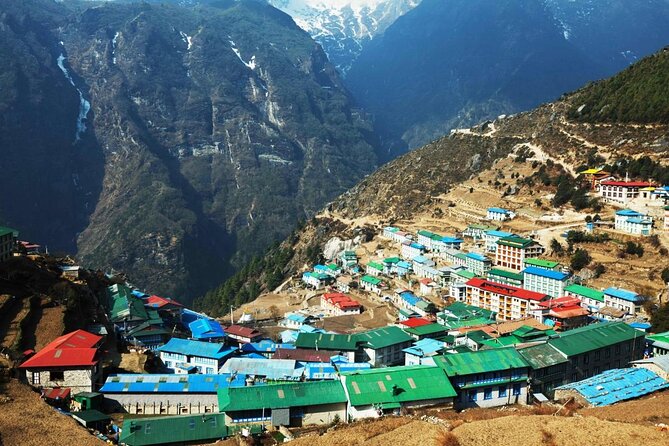
- Phakding to Namche Bazaar: Suspension Bridges and First Real Views
- Namche Bazaar Full Day: ATMs, Internet, and Altitude Pacing
- Tengboche Monasteries: Morning Views with Real Culture Time
- Dingboche Acclimatization and the Chhukung Hike: Smart Effort
- Khumbu Glacier Walking: Moraine Footing and Memorials
- Gorak Shep to Everest Base Camp and Everest Camp II: The Long White Payoff
- Kalapatthar Sunrise Climb: Why You Actually Wake Up Early
- Returning Down via Pheriche, Orsho, and Pangboche: Old Monastery Energy
- Lukla Back to Kathmandu and Durbar Square: Don’t Rush the Letdown
- What You Get for the Price: $1,799.27 and the Real Value Math
- Guides Who Keep You Moving: Pawan and Buddhi’s Kind of Control
- Daily Pace Tips That Line Up with the Real Everest Trek
- Who Should Book This Everest Base Camp Trek (and Who Should Rethink)
- Should You Book This One?
- FAQ
- How long is the Everest Base Camp Trek?
- Where is the trek based and what city do I start in?
- Are flights included in the price?
- What meals are included during the trek?
- What trekking gear is provided?
- Are park permits and entrance fees included?
- Is the trip private or shared with other travelers?
- What’s included for emergency support?
- FAQ
- Can I cancel for a full refund?
- What if the trek can’t operate due to poor weather?
- Are service animals allowed?
- What time does the experience start?
Key things I’d notice right away
- Lukla flights are included (Kathmandu–Lukla–Kathmandu), so you’re not scrambling to line up transport
- Acclimatization days at Namche Bazaar and Dingboche help you pace the altitude instead of rushing it
- Kalapatthar is the highlight climb, with early trekking timed for sunrise-style views when skies cooperate
- Gear is provided (sleeping bag, down jacket, duffel), which saves money and packing stress
- Guides matter here, and Nepal High Trek’s team has a reputation for steady, positive care—names like Buddhi and Pawan show up in feedback
- Helicopter support is arranged through insurance, so you’re not alone if something goes wrong
Kathmandu Arrival and the 8:15 am “Get Started” Rhythm
Most Everest Base Camp treks start with a long travel day, but this one keeps the kickoff organized. You’re met after landing at TIA in Kathmandu, then you go to your hotel arranged by Nepal High Trek & Expedition and get dinner on day one.
The practical part: you have a defined start time (8:15 am) and an airport pickup/drop service for domestic and international legs. That means you spend less time figuring things out and more time using your energy for the trek.
Also, you’re not just landing and disappearing. This trip includes a small farewell program on the last day, which is a nice touch in a journey that otherwise runs like a tight-moving pipeline.
You can also read our reviews of more tours and experiences in Kathmandu.
Lukla Flight Day: Small Plane Energy, Big Altitude Day
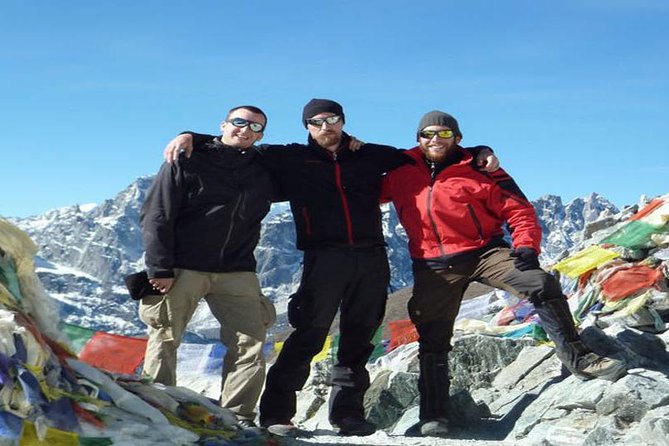
On day two, you transfer to the Kathmandu domestic airport to catch a scheduled morning flight to Lukla. Lukla is the real gateway town for the Everest region, and the first thing you’ll feel is that shift: air gets thinner, the landscape turns sharper, and your body starts noticing the altitude even before hiking gets serious.
One value angle: this trek includes both-way flight tickets. If you’ve ever tried to cobble together transport while planning around weather, you know why that matters. Flights to Lukla aren’t just a schedule thing—they’re a weather thing—so having it handled reduces hassle.
Still, keep your expectations honest: air schedules can be disrupted by conditions, and the tour is built around good weather. Your best move is staying flexible and treating any delays as part of the deal, not a personal failure.
Phakding to Namche Bazaar: Suspension Bridges and First Real Views
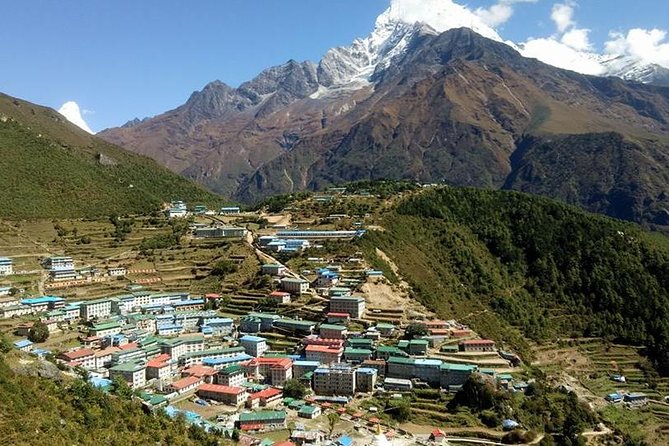
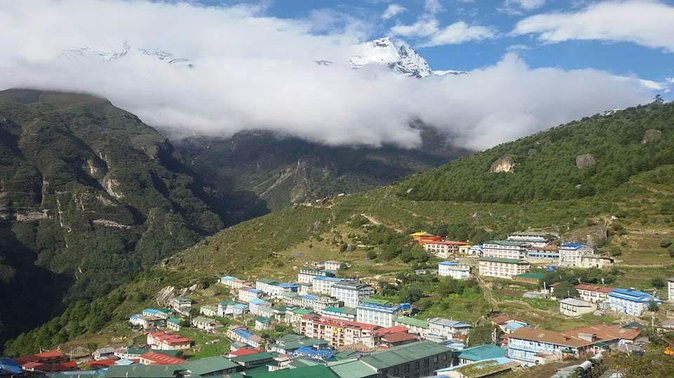
After flying into Lukla, you move into the lower Everest rhythm by trekking toward Namche Bazaar, with Phakding as a key stop. You’ll cross multiple suspension bridges over the Dudh Koshi River, and this is one of those early trek days where your legs are working but your mind is busy taking in the valley.
A day like this is useful for you, not just pretty for your camera. The bridges and river crossings are steady “training” for the trekking pace. You’re learning how footing feels on trails, how quickly you warm up, and how your breathing changes when you climb.
You’ll also get early mountain hints, including views of Mt. Thamserku (6618m). It’s a reminder that Everest region peaks don’t need to be right in front of you to make the day feel meaningful.
Namche Bazaar Full Day: ATMs, Internet, and Altitude Pacing
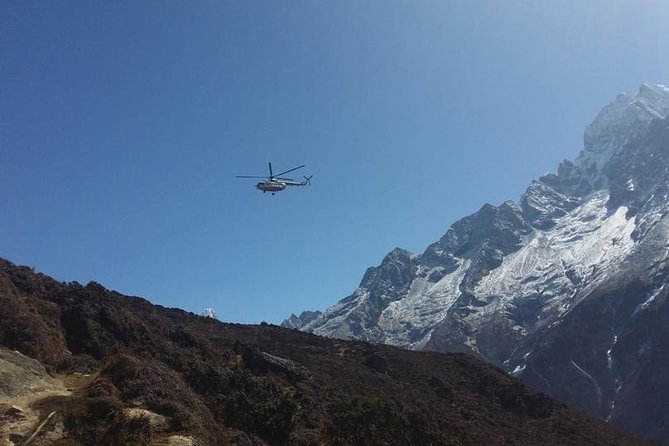
Namche Bazaar is where many people either get too ambitious or get smart. This itinerary gives you a whole day to settle in and explore the surrounding area at a pace that fits altitude.
The listing notes you can find the conveniences you’ll actually want here—ATMs, banks, and internet cafés. That matters more than it sounds. On a trek, being able to handle money, messages, or quick logistics can prevent stress from turning into fatigue.
The big hidden benefit: a Namche rest day lets you acclimatize without feeling like you’re “wasting” a day. You’re also in the right place for the next big jump in scenery as you work toward monasteries and higher viewpoints.
Tengboche Monasteries: Morning Views with Real Culture Time
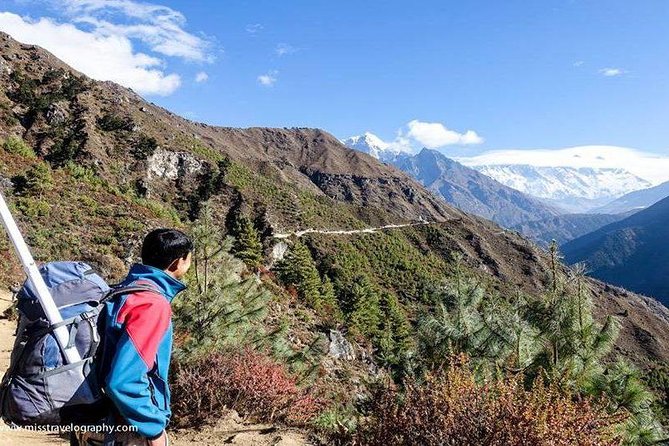
Tengboche is one of the best-known stops in the Everest region for good reason: monasteries, spiritual life, and big mountain views in the same place. You’ll visit Tengboche and its monasteries, and early timing is part of the plan, with views of Everest, Nuptse, Lhotse, and Ama Dablam in the mix.
Here’s what I like about this type of stop for your trip. It breaks the monotony. Trekking days can start to blur, especially when you’re walking hour after hour in similar terrain. A monastery visit changes the emotional rhythm and gives you a story besides altitude numbers.
One practical note: the itinerary includes time for photos and a short trek segment around the monastery area. That’s good because it encourages you to stop moving long enough to enjoy the view instead of treating everything like a checkpoint.
Dingboche Acclimatization and the Chhukung Hike: Smart Effort
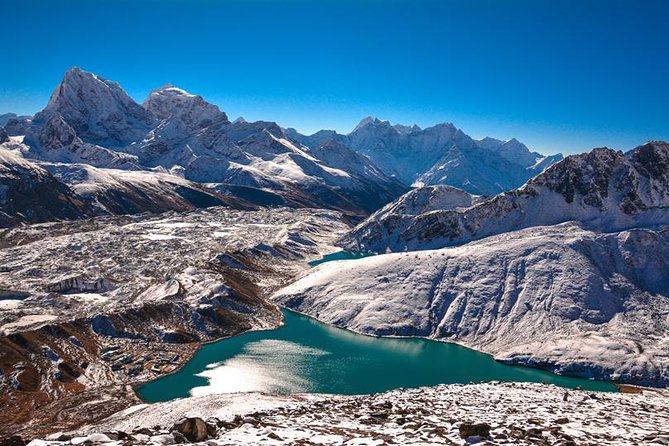
Day seven is another built-in acclimatization day at Dingboche, with a hike option through Imja Khola valley toward Chhukung. You’re also working in a key perspective shift here: you’re higher, the air feels thinner, and the mountains look close enough to feel unreal.
The itinerary also mentions a Dingboche stupa stop. These small cultural moments help keep the trek grounded. You’re not just walking toward a summit; you’re moving through Sherpa life in the high valleys.
The value of this day for you is that it’s effort with a purpose. You’ll get a short hike that helps your body adapt, and you’ll see big ridgelines like Lhotse in the surrounding views. If you’ve ever pushed too hard on day one and then paid for it later, this structure is the antidote.
Khumbu Glacier Walking: Moraine Footing and Memorials
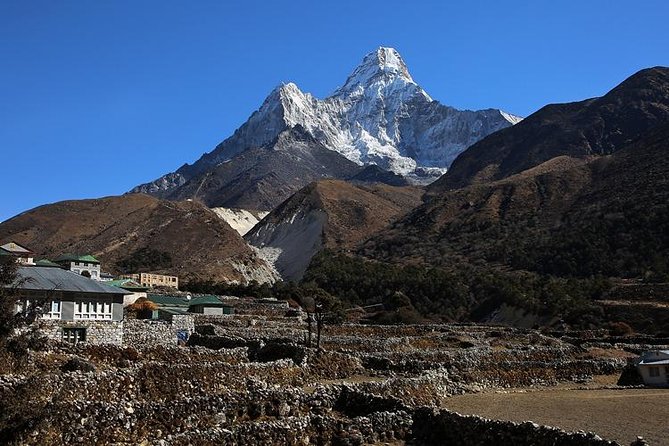
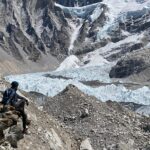
As you head toward the higher stretch—passing along the lateral moraine of Khumbu Glacier—you’re in more “serious Everest” territory. This is where the trail gets more dramatic and the trekking feels less like a valley walk and more like progression into the high mountains.
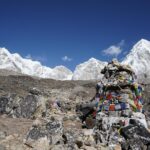
The itinerary highlights that you’ll pass stone memorials for climbers who perished during expeditions in summits nearby. That’s a heavy, quiet moment in the middle of a challenging day, and it changes how you think about what you’re doing.
From a practical standpoint, glacier moraine terrain can feel uneven. Expect slower walking and more attention to your footing. This is also a good place to remind yourself why pace matters: the goal is to arrive tired but functional, not wiped out.
Gorak Shep to Everest Base Camp and Everest Camp II: The Long White Payoff
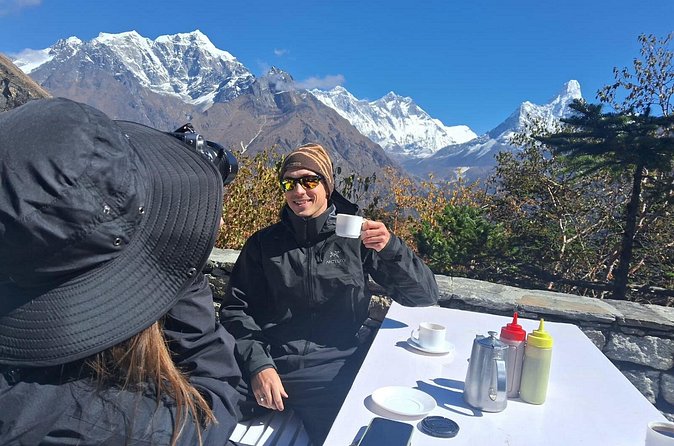
Days around Gorak Shep are where anticipation becomes focus. After breakfast, you march to Gorak Shep. From there, you’ll see lots of sky-kissing peaks and then follow the trail toward the Everest base camp area, including time near Everest Camp II (as noted in the schedule).
This is the day where logistics stop being abstract. You’re far from Kathmandu comfort, and your success depends on steady walking, hydration, and listening to how your body responds.
One thing I’d watch for: your energy. You’ll likely feel the altitude when you move around Gorak Shep and onward, especially if you’re chasing photos. Keep breaks short and strategic. The base camp area is incredible, but it can tempt you to overstay because it looks like the finish line.
Kalapatthar Sunrise Climb: Why You Actually Wake Up Early
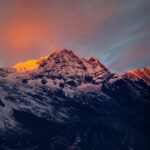
Day ten is the gist day, and that’s not just hype. You trek earlier to Kalapatthar for views timed around sunrise-style light—sun reflecting off white snow and clouds.
Kalapatthar is a climb that tests patience and breathing. You’ll be ascending for hours, and the reward is a wide view that makes the Everest region feel like a whole world of its own. This is also the day where your earlier acclimatization work pays off in a very real way.
Even if you don’t get perfect conditions, the act of reaching Kalapatthar changes you. You’ll remember the effort more clearly than any single photo.
Returning Down via Pheriche, Orsho, and Pangboche: Old Monastery Energy
The itinerary shifts from high focus to recovery focus. You go from Pheriche down using a slightly different route to Orsho, then reach Pangboche and explore the oldest monastery on this segment.
Pangboche’s monastery is described as containing the scalp and bones of the abominable snowman. That story is part folklore, part local belief, and part a way to keep the region’s legends alive. Whether you treat it literally or as culture, it’s an engaging stop and a meaningful break from the “just walk higher” feeling.
This section is also useful for you mentally. After the big drama of base camp and Kalapatthar, heading down helps you think clearly again. You’ll still feel altitude fatigue, but your body gets a chance to recover.
Lukla Back to Kathmandu and Durbar Square: Don’t Rush the Letdown
On day twelve, you return to Lukla from Namche and reach earlier, which gives you leisure time to explore the Lukla valley. Then you head back toward Kathmandu.
Day thirteen includes time to visit Kathmandu and specifically Kathmandu Durbar Square and the surrounding area. You’ll be back in the city world fast, and that can be surprising after two weeks of altitude and mountain air.
I like that the itinerary doesn’t just do a quick airport hop. It gives you a place to land: Durbar Square is a historic hub where you can shake off trek socks and still feel connected to Nepal beyond the mountains.
Day fourteen wraps with airport timing and a small farewell program, then off to TIA.
What You Get for the Price: $1,799.27 and the Real Value Math
At $1,799.27 per person for about 14 days, the question isn’t just what you pay—it’s what you don’t have to arrange yourself.
This package includes:
- Flights Kathmandu–Lukla–Kathmandu (both ways)
- 11 night accommodation on the trek
- Meals: 12 breakfasts, 12 lunches, and 11 dinners
- Gear: a sleeping bag, down jacket, and duffel bag
- Permits and fees: Sagarmatha National Park permit, Khumbu entrance fee, and Pasang Lhamu Rural municipality entrance fee
- Three cups of hot tea during the trek
- A medical kit box
- Airport pickup and drop (domestic and international)
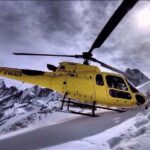
- Emergency helicopter arrangement handled through your travel insurance
If you’re comparing trekking costs, the gear + permits + flights combination often makes a big difference. The sleeping bag and down jacket alone can be expensive to rent or buy, and you’re on a short timeline where rental logistics can become a mess.
Not included items matter too: Kathmandu hotel isn’t included, porter cost isn’t included, and tips for guide and porter aren’t included. Also, personal phone calls, laundry, battery recharge, and water/shower-style conveniences aren’t covered. That’s normal for Everest trekking, but it affects how much cash you’ll want on hand.
Guides Who Keep You Moving: Pawan and Buddhi’s Kind of Control
The best Everest treks feel safe, steady, and encouraging without turning into a cram session. Nepal High Trek & Expedition’s guides show up in feedback for exactly that blend—care, clear guidance, and a team approach that keeps morale up during tough stretches.
Two names pop through in reviews: Pawan and Buddhi. When a guide is praised for knowledge plus positivity, it usually means you’re getting answers on altitude, pacing, and how to navigate daily decisions like when to push and when to rest.
There’s another practical advantage to an experienced licensed guide from Kathmandu (as stated in the inclusions). It’s not just paperwork. It affects the day-to-day: route rhythm, pacing suggestions, and a better chance you’ll have backup plans when conditions change.
And you’ll feel the teamwork too. Feedback repeatedly points to support that makes the trek feel less like you’re doing it alone and more like you’re part of a system.
Daily Pace Tips That Line Up with the Real Everest Trek
One review tip stood out for me: use sunscreen every day. On high-altitude trekking, sun exposure can sneak up fast. Even when the air feels crisp, UV can still hit hard.
Beyond that, the trek itself gives you built-in rhythm—walks, acclimatization days, and rest segments in Namche and Dingboche. Use that structure. Don’t turn a rest day into a forced hike day just because you feel good in the morning.
Also, remember what isn’t included: phone calls, battery charging, hot water, and showers. If you count on those things daily, you may end up frustrated. Plan to treat them as occasional conveniences, not a right.
Finally, take the “tough days” seriously. The trip is designed so you can keep going with help and advice, but you still need to respect slow breathing, short rests, and steady steps when your legs get heavy.
Who Should Book This Everest Base Camp Trek (and Who Should Rethink)
This trek fits you best if you:
- have strong physical fitness
- want a guided, structured route with acclimatization time
- prefer having core logistics handled (flights, permits, meals, gear)
- like the idea of mixing scenery with Sherpa culture stops like Tengboche and Pangboche monasteries
I’d be cautious if you’re looking for a gentle, luxury-style hike. This is still walking in thin air. Even with strong organization, you’ll need resilience, patience, and willingness to take cold mornings seriously.
It’s also a good match for groups who want privacy. The tour is listed as private, so only your group participates. Reviews show group travel (for example, a party of seven), which is often a sweet spot for shared pacing and morale.
Should You Book This One?
If you want Everest Base Camp with less hassle and more structure, this is a strong option. The big reasons are simple: you get Lukla flights included, gear provided, permits handled, and a schedule that gives you acclimatization time at the right moments. That combination is where value often lives.
I’d book this trek if you’re ready for a real mountain challenge and you want a team that stays supportive when the day gets hard. If you hate altitude walking, hate early mornings, or need daily creature comforts, this route may feel too demanding.
If you’re deciding between dates, aim to book early—this trek is typically reserved about 77 days in advance. And once you go, plan to treat weather as a co-author of your story. When skies cooperate, you’ll get the views at Namche, Tengboche, Gorak Shep, and Kalapatthar that make Everest legendary.
FAQ
How long is the Everest Base Camp Trek?
The trek is listed as 14 days (approx.).
Where is the trek based and what city do I start in?
You start in Kathmandu, Nepal, and the trek includes flights from Kathmandu to Lukla and back.
Are flights included in the price?
Yes. Both-way flights are included: Kathmandu to Lukla and Lukla to Kathmandu.
What meals are included during the trek?
The package includes 12 breakfasts, 12 lunches, and 11 dinners.
What trekking gear is provided?
You’re provided with a sleeping bag, a down jacket, and a duffel bag.
Are park permits and entrance fees included?
Yes. The Sagarmatha National Park permit and Khumbu entrance fee are included, along with Pasang Lhamu Rural municipality entrance fee.
Is the trip private or shared with other travelers?
This is listed as a private tour/activity, so only your group participates.
What’s included for emergency support?
An emergency helicopter service is arranged, paid by your travel insurance company.
FAQ
Can I cancel for a full refund?
Yes, you can cancel up to 24 hours in advance for a full refund, based on the local time of the experience start.
What if the trek can’t operate due to poor weather?
If it’s canceled due to poor weather, you’ll be offered a different date or a full refund.
Are service animals allowed?
Yes, service animals are allowed for this experience.
What time does the experience start?
The meeting point start time is 8:15 am.