REVIEW · SA PA
1 DAY Trek the Most Beautiful Villages of Sapa & Local Guide
Book on GetYourGuide →Operated by Do Sung Sapa Trekking and Homestay · Bookable on GetYourGuide
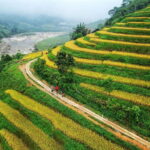
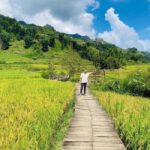
Rice terraces start the day in Sapa. What I like most is the walk through the Y Linh Ho–Lao Chai–Ta Van stretch of dramatic rice fields, and the chance to hear real village stories from an English-speaking Hmong guide. You also get a simple, human-sized tour structure that feels focused on the mountains, farming, and daily life, not just photo stops.
One thing to plan for: it’s a group trek over about 12 km and runs roughly 5–6 hours, so you’ll want steady walking shoes and a good attitude for trail time.
In This Review
- Key things you’ll remember
- Where the tour starts: Sapa church meeting point and route flow
- Y Linh Ho rice fields: the terrace scenery and the first trail breaks
- Lao Chai: lunch with a Hmong community and a traditional house visit
- Ta Van village: Giay and Hmong life before the ride back to Sapa
- The trail reality: distance, pace, and what to pack
- Guides and the human side: English, humor, and village storytelling
- Lunch on the mountain: why that included meal is part of the deal
- Price and value: what $18 buys (and what it doesn’t)
- Who this trek suits best (and who should skip)
- Tips to make your day smoother (and your photos better)
- Should you book this 1-day Sapa villages trek?
- FAQ
- How long is the trek and how much walking is it?
- Where do we meet, and how do we get back to Sapa?
- What’s included in the $18 price?
- Are drinks included?
- Can I book a private tour?
- What should I bring for the hike?
Key things you’ll remember
- Rice terraces in harvest colors along the Y Linh Ho route
- Local Hmong storytelling from a guide who grew up in the mountains
- Village lunch in a Hmong community, plus a stop at a traditional house
- Ta Van walk through areas home to Giay and Hmong ethnic minorities
- Bamboo forest segments that feel cooler and quieter than the open slopes
- Return transport to Sapa arranged after you finish in Ta Van
Where the tour starts: Sapa church meeting point and route flow
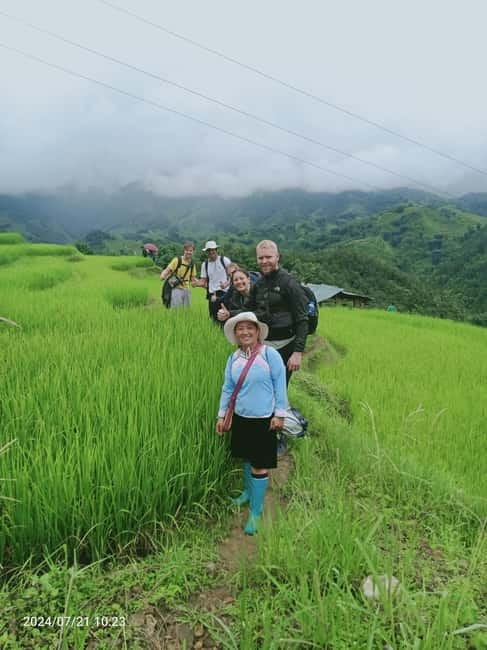
The tour kicks off at the church in Sapa. After a quick introduction, you start walking out of town and gradually shift into a more rural rhythm—less traffic, more footpaths, and bigger views as the trail drops toward village fields.
This start matters. If you’re arriving in Sapa the same day, meeting at the church is easy to orient around, and it gives you a clear “first step” before the trek becomes the main event. Also, because you’re moving early enough, you’re more likely to catch the village and terrace scenes with softer light and fewer crowds.
Expect a group pace. You’ll be with other trekkers, so the rhythm is friendly and social rather than fast and silent.
You can also read our reviews of more tours and experiences in Sa Pa.
Y Linh Ho rice fields: the terrace scenery and the first trail breaks
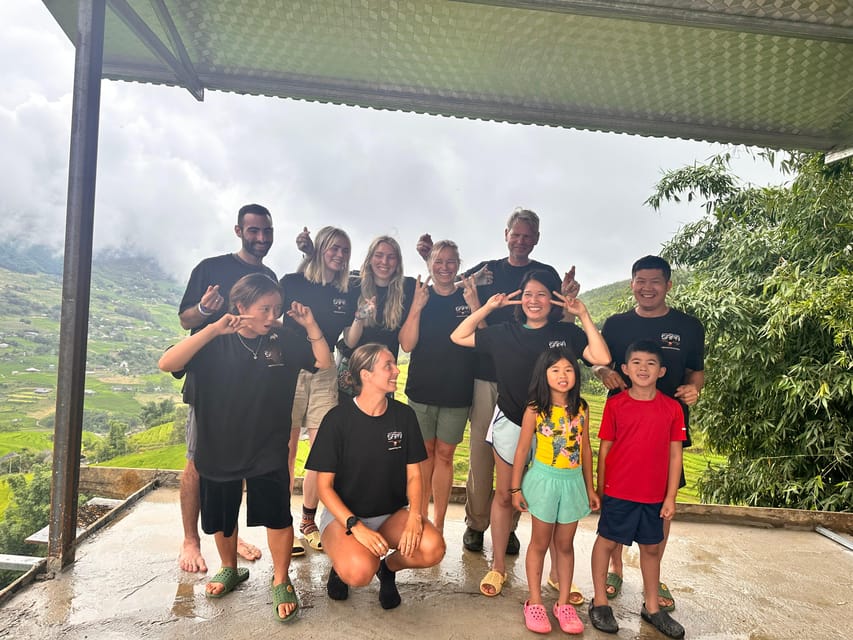
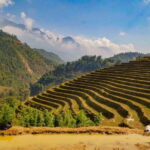
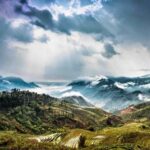
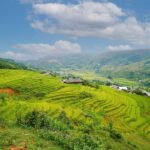
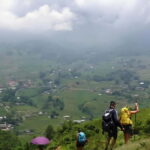
Your first main stop is Y Linh Ho village, reached after the initial walking stretch. This is the part people come for: sweeping rice terraces and long, layered views across mountain slopes. In September especially, the rice and surrounding plants often show strong green-to-yellow harvest tones, and the whole scene reads greener and warmer at once.
You’ll typically hike for about 1 hour walking past the village approach, then spend more time on the terraces. You also get a short rest—around 20 minutes—once you’ve been on the trail for about 2 hours. That rest is practical. It helps you reset legs and breathing before the next transitions toward other villages.
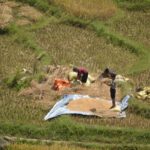
Look for the “small” details too. Even if you’re focused on the view, the terrace work is the story. You’ll see how the fields sit on the slope and how the paths connect farming pockets, not just viewpoints.
Lao Chai: lunch with a Hmong community and a traditional house visit
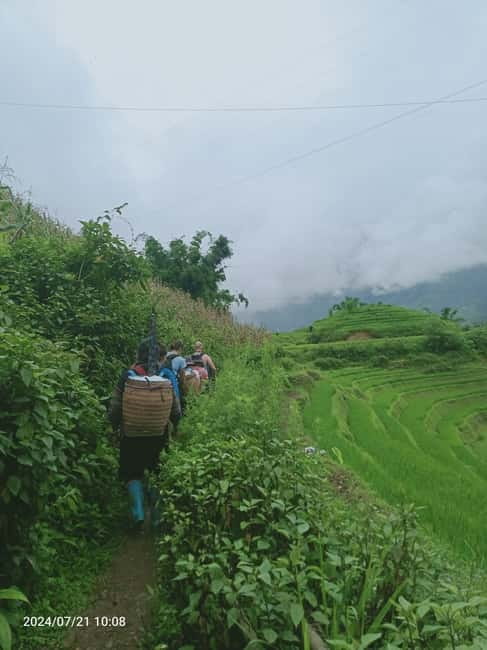
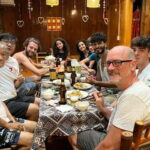
From Y Linh Ho, you move toward Lao Chai, and this is where the tour turns from scenery-heavy to culture-and-life centered. You’ll stop for lunch in a Hmong village—included in the tour price. Meals on treks like this tend to be more than a snack, and this one is set up as a real break, not a quick stop-and-go.
After lunch, you visit a Hmong traditional house. This is one of those stops that changes how you see everything you walked past earlier. Instead of only thinking terraces as “beautiful,” you start thinking in terms of how people live, store, and organize daily life in mountain conditions.
A good guide can make this part connect to what you already saw on the trail. In this case, you’ll often get explanations of farming plants and village life, and the guides are known for being upbeat and funny—so you’ll likely learn without it turning into a lecture.
Ta Van village: Giay and Hmong life before the ride back to Sapa
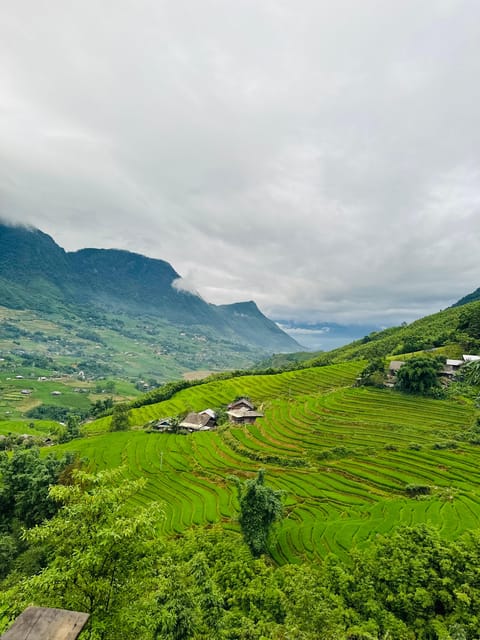
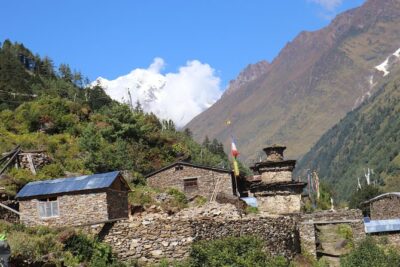
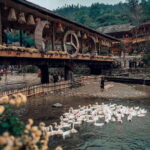
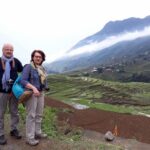
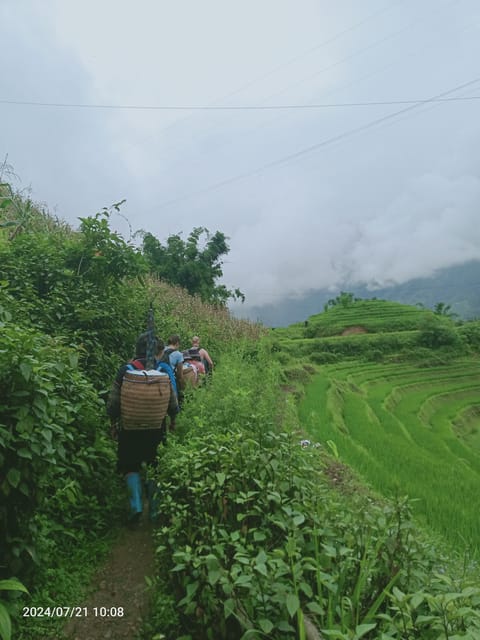
Next you’ll walk on to Ta Van village, which is mostly home to Giay and Hmong ethnic minorities. The walking here is usually scenic, and the route brings you through more village-facing views on the way, so you aren’t just staring at terraces—you’re moving through everyday terrain.
This section usually takes about 1 hour for the walk and sightseeing as you near the end point. You finish in Ta Van, where you’re then picked up by car or motorbike to return to Sapa.
Timing varies a bit depending on the group, but the tour typically ends in the 2–4 pm window. If you have an early bus, tell the guide when you meet at the start. That simple heads-up can help the group stay on a schedule that fits your transport needs.
The trail reality: distance, pace, and what to pack
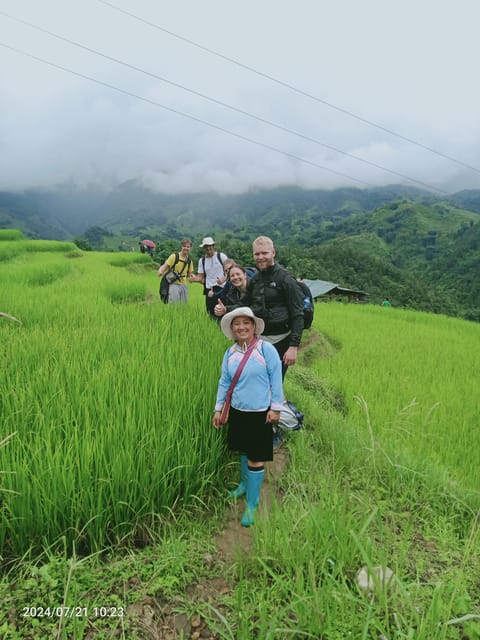
This trek is about 12 km and runs 5–6 hours total. That makes it a “serious afternoon walk,” not a short stroll. You don’t need to be an athlete, but you do need to be comfortable walking for hours with changing trail surfaces.
Here’s what you should bring based on how the tour is designed:
- Hiking shoes (proper grip matters on slopes)
- Sun hat, sunglasses, sunscreen (you’ll be in daylight for long stretches)
- Comfortable clothes and wide-leg pants suitable for hiking
- A light raincoat or outerwear (weather can shift fast)
- Insect repellent (especially around village edges and vegetation)
- Cash (handy for anything extra you decide you want)
Also: alcohol and drugs aren’t allowed on the tour. If you’re the type who plans a drink after, just keep it for after you’re back in town.
Packing smart saves energy. When you’re warm, dry, and sun-safe, the hike feels easier than the distance suggests.
Guides and the human side: English, humor, and village storytelling
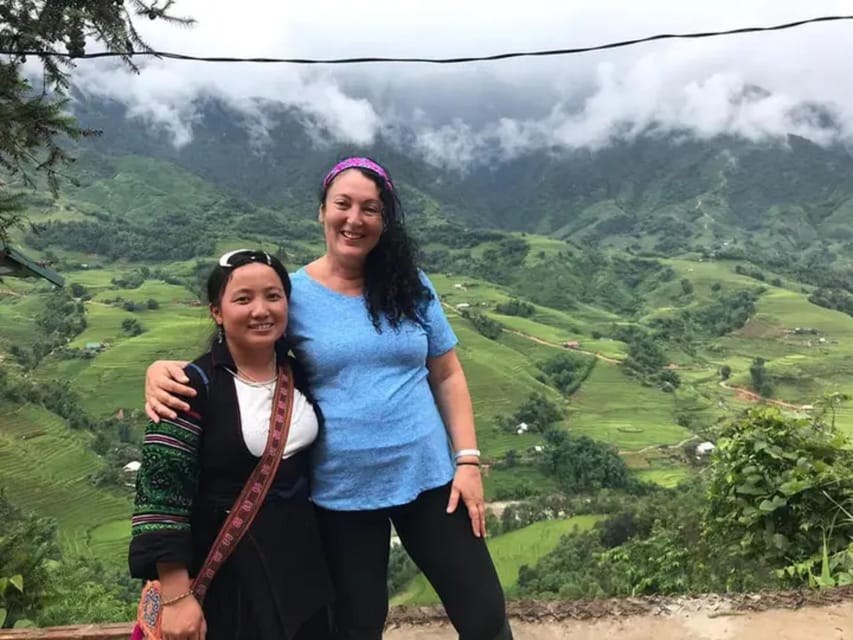
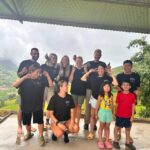
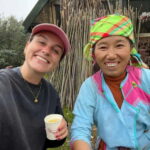
A big part of the value here is the guide. The tour is led by a local Hmong English-speaking guide, and the experience is set up to be personal, not scripted. In the mountain villages, work and education opportunities can be limited, and the guides share their life stories as part of the tour flow.
You’ll also notice the guides bring energy to the group. Many people remember the humor and the upbeat explanations—laughs while learning, not stiff formalities. That matters because the terrain can be repetitive when you’re hiking for hours; a good guide keeps the time feeling alive.
Some guides on similar groups (like Do or Zu) are known for detailed explanations, including plants and how people manage farming and daily routines. Even when you’re mostly focused on the views, you’ll likely pick up useful context on why the terraces look the way they do and how the villages function across seasons.
Lunch on the mountain: why that included meal is part of the deal
The tour includes lunch at a village, plus 1 small water per person. This isn’t just a “perk.” It’s a practical part of keeping you on pace.
If lunch weren’t included, you’d be juggling money, finding food stops, and trying to coordinate meals while the group moves. With lunch included, you get a fixed break window and can focus on the hike.
Quality can vary on treks, but the feedback around this tour often points to lunch being better than expected—meaning it’s filling and actually enjoyable after a few hours of walking. If you’re someone who gets cranky when meals are late or basic, this included stop helps a lot.
For anything extra—soft drinks or beer—those aren’t included, so you’d need to plan those separately.
Price and value: what $18 buys (and what it doesn’t)
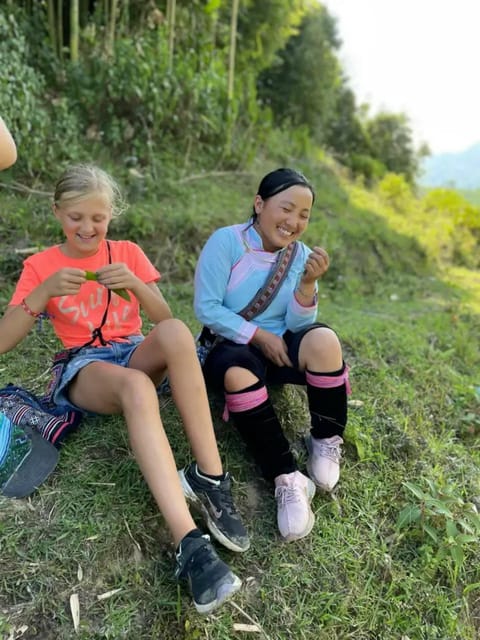
At $18 per person for a roughly half-day to full-afternoon trek, this is strong value if you compare it to the cost of just transportation plus a guide plus an actual meal.
What you get included:
- English-speaking local Hmong guide
- Lunch at the village
- 1 small water per person
- Car transportation back to your hotel area in Sapa after the tour ends
What’s not included:
- Drinks (beer, soft drinks, and similar extras)
- Tips
There’s also an option for a private tour at about 700,000 VND per person (around $28). That can be worth it if you want a quieter experience, more flexibility with timing, or a slower pace. For most people, though, the group format keeps things efficient and affordable.
Who this trek suits best (and who should skip)
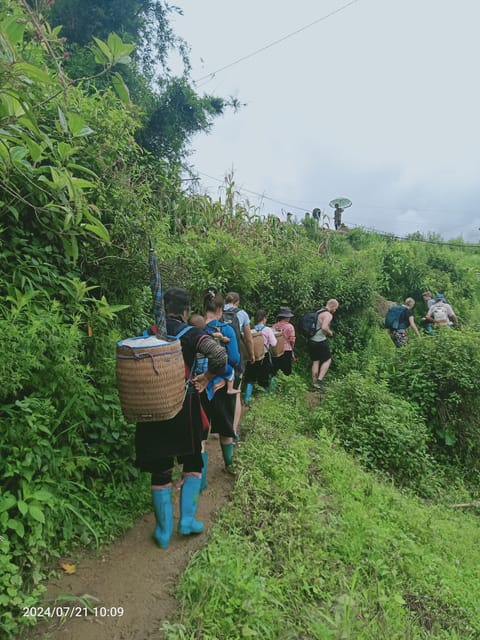
This tour fits best if you want:
- Classic Sapa village views without committing to a multi-day hike
- A guided day that balances rice terraces + village culture
- Clear structure: start at the church, multiple stops, lunch, then Ta Van pickup
It may not be ideal if you:
- Struggle with walking 12 km on trails
- Hate group pacing and prefer solo time
- Have health constraints that make long continuous walking risky
One clearly stated limitation: it’s not suitable for people over 95 years. If you’re on the border due to mobility, ask your guide before booking.
Tips to make your day smoother (and your photos better)
A few small habits pay off on this route:
- Wear sunscreen even if it’s cloudy. The light in mountain valleys still reaches you.
- Start with comfortable layers you can adjust. Early mornings and shady slopes can feel cooler.
- Bring enough cash for extras, just in case you want an extra drink at the end.
- If you have a strict departure time, tell the guide during the meet-up so the group can plan the finishing time around your bus.
And remember: your best photos often come after you pause. That 20-minute rest break and the lunch time can be prime moments for calmer scenery shots.
Should you book this 1-day Sapa villages trek?
Yes, if you want a single day that delivers real village life, meaningful guide talk, and the rice terrace sights that Sapa is famous for—without turning the day into a full-on endurance event. The included lunch and return transport make it easier to manage, and the English-speaking local guide adds context that you simply don’t get from a bus-and-look tour.
Skip it if you’re looking for a totally relaxed walk with minimal time on slopes. This is hiking. Still, it’s the kind of hiking that stays interesting because the villages keep changing, and the guide keeps the story going.
If you’re visiting during harvest season (when colors shift strongly), this trek can feel especially rewarding—bright fields, strong atmosphere, and a day that connects farming to scenery in a way that’s hard to replicate.
FAQ
How long is the trek and how much walking is it?
The tour is about 5–6 hours and covers around 12 km total, with breaks built into the route.
Where do we meet, and how do we get back to Sapa?
You meet at the church in Sapa. After finishing in Ta Van, you’re picked up by car or motorbike and returned to Sapa.
What’s included in the $18 price?
The price includes a local Hmong English-speaking guide, lunch at the village, 1 small water per person, and return transportation back to Sapa (to your hotel area after the tour).
Are drinks included?
No. Drinks like beer and soft drinks are not included.
Can I book a private tour?
Yes. A private tour is available for about 700,000 VND per person (around $28), based on the information provided.
What should I bring for the hike?
Bring hiking shoes, comfortable clothes (wide-leg pants are recommended), sunscreen, sunglasses, a sun hat, cash, and a light raincoat or outerwear. Insect repellent is also recommended.