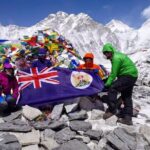
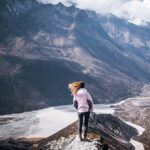
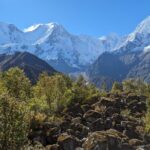
Morning mountains in your lap. That’s what the Ghorepani Poon Hill trek delivers in just 6 days, with big Annapurna and Dhaulagiri views plus an easier Annapurna-region walking style that many families handle. I especially like the early sunrise hike up to Poon Hill, and I also like how the trek is run with proper structure: licensed English-speaking guide, first-aid kits, and lodge comfort with heating in the dining room. One thing to consider: it starts early (6:15am in Kathmandu), and since this route is very weather-dependent, cloud cover can mute the sunrise magic.
You’ll spend most of your time walking on well-used stone paths through villages and rhododendron forest, then end each day in a warm lodge setup rather than roughing it. The overall value is solid for $590 because your permits, guide, meals, and round-trip transfers are built in. The possible drawback is simple: at dawn and at higher points you’ll need real cold-weather layers, even if the days feel manageable.
In This Review
- Key Highlights Worth Targeting
- Why Poon Hill Feels Like the Best Shortcut in Annapurna
- The 6-Day Flow: Pokhara Lakeside to Sunrise-to-Sunset Views
- Ulleri and Ghorepani: The Trail You’ll Remember for the Views
- Poon Hill Sunrise: Worth the Cold, Worth the Early Start
- Tadapani and Deurali Pass: Another Big View Without a Full Grind
- Ghandruk to Kyumi: A Fairly Smooth Finish in Pokhara
- Kathmandu Return: Private Van Convenience After Altitude
- Guides, Organization, and the Real Comfort Factor
- What You Get (and Why Those Lodges Matter)
- Price and Value: Is $590 a Fair Deal for 6 Days?
- Weather and Packing: Your Trek Depends on Visibility
- Who Should Book This Trek (and Who Might Pause)
- Should You Book Base Camp Adventure Pvt. Ltd. for Poon Hill?
- FAQ
- Where does the trek start and end?
- What time does the experience start?
- How much does the Ghorepani Poon Hill Trek cost?
- What’s included in the trek price?
- Is travel insurance included?
- Does the tour include a guide and permits?
- What happens if weather is poor?
- What is the cancellation deadline for a full refund?
Key Highlights Worth Targeting
- Poon Hill sunrise with wide views across Annapurna, Dhaulagiri, Machhapuchhre, and Patal Hiunchuli
- Family-friendly pacing for a popular Annapurna walk, without the long, punishing marathon days
- Modern lodge comfort on the Ghorepani side, including heating in the dining area
- Rhododendron forests and stone steps that make the walking feel scenic instead of repetitive
- Well-organized local guidance, including examples of guides such as Shiva Prasad, Navaraji, and Prakash, plus helpful porters like Saha
- Adjustments when fitness changes, with flexible scheduling noted by people who traveled with this team
Why Poon Hill Feels Like the Best Shortcut in Annapurna
This trek is famous for a reason: you get heavyweight Himalayan scenery without committing to a longer, higher-stakes expedition. The “Poon Hill” part isn’t just a viewpoint. It’s an early-morning ritual that puts you in position for a full sweep of the Annapurna range and the Dhaulagiri side of the equation—often with the sharpest visibility right when the light is first waking up.
I like that the walking days are built around villages and viewpoints, not just distance for distance’s sake. You’ll pass through places such as Ulleri and Ghorepani, and you’ll still feel like you’re hiking through real local life, not just moving along a corridor of guesthouses.
If you care about value, there’s another big reason this trek is a standout: much of what people pay for on other treks is covered here—licensed guiding, permits, lodge stays, meals, and even key cold-weather gear like a down jacket and sleeping bag.
The tradeoff? Because the star attraction is sunrise timing and mountain visibility, the experience depends on the weather. If clouds roll in, you still hike and you still see peaks, but you may not get the clear, dramatic panorama you planned for.
You can also read our reviews of more tours and experiences in Kathmandu.

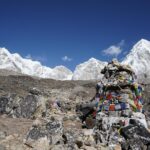
The 6-Day Flow: Pokhara Lakeside to Sunrise-to-Sunset Views
Day 1 starts with a drive out of Kathmandu toward Pokhara. You’ll ride in comfort via surface transfer, then arrive in the lakeside area to take in the relaxed vibe of Pokhara. This day is more about getting oriented and mentally ready than about trekking legs.
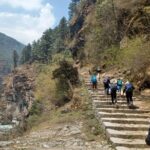
Day 2 shifts you from city comfort to mountain trail work. After a short drive to Nayapul, you cross a suspension bridge over the Modi Khola, then climb up stone stairs toward Ulleri. This is the trek’s first “okay, we’re really here” moment: you’re walking uphill, but the route is structured and scenic.
Day 3 continues with a classic rhododendron forest walk. You move from Ulleri onward through villages like Banthanti and Nangge Thanti, following the Bhurungdi Khola at times. By the end of the day, you reach Ghorepani, which is a base for the next morning’s big view push.
Day 4 is the sunrise headline. Before daylight, you hike up to Poon Hill for panoramic early light over Annapurna and Dhaulagiri massifs, with major silhouettes like Machhapuchhre (Fishtail) also in the mix. After that, you don’t just call it a day—you hike back down, then continue onward toward Tadapani, passing through Deurali Pass at 3,090m. Tadapani also gives strong views, and it’s a great “second look” after Poon Hill.
Day 5 takes you through rhododendron forest again, then lands you in Ghandruk for lunch. After lunch, you descend via stone staircases down toward Kyumi, and from there you catch a bus back to Pokhara. Then you can enjoy the evening in Pokhara with restaurants and pubs—an easy reset after a few days on foot.
Day 6 is the home stretch: a private van back to Kathmandu, followed by hotel drop-off. You finish with the contrast most people want—mountain quiet to city convenience.
Ulleri and Ghorepani: The Trail You’ll Remember for the Views
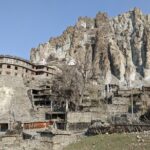
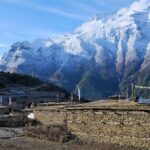
Ulleri is one of those spots where the mountains feel close. As you climb toward it, you get a solid first look at peaks including Annapurna South (7,219m) and Hiunchuli (6,441m). It’s not just a single view either. You’ll keep seeing peaks as you move along, which is a big part of why this trek stays exciting even when the uphill feels familiar.
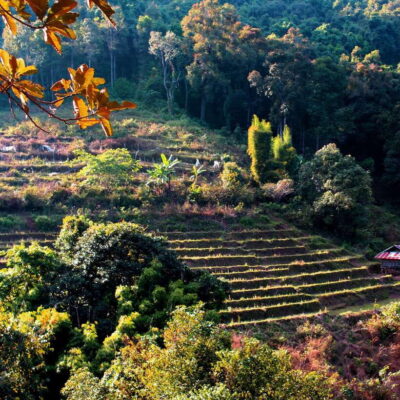
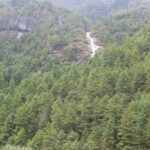
Then comes the rhododendron segment. If you’ve never walked through rhododendron forest, it changes the mood of the trek. The steps are still steps—this is Nepal, after all—but the experience feels alive. You’re moving through a corridor of color and shade, and you’re never far from glimpses back toward the Annapurna massif.
Ghorepani is where the experience turns practical in a good way. This is where you’re set up for the sunrise hike, and it’s also where the lodge situation tends to feel more comfortable. People highlight that food and accommodation here can feel fairly modern, with heating in the dining room, which matters when dawn is cold and you’re not trying to freeze while you wait for the mountains to appear.
Poon Hill Sunrise: Worth the Cold, Worth the Early Start
The Poon Hill morning is planned for pre-sunrise movement. That’s not negotiable if you want the best shot at seeing Annapurna and Dhaulagiri in clear light. You hike up early, then the payoff comes as the mountains brighten and the peaks’ details start to pop.
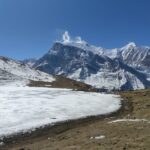
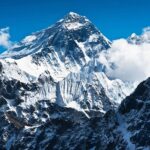
On a clear morning, the view is wide enough to keep pulling your eyes around. Annapurna and Dhaulagiri massifs dominate, but you also look for key silhouettes like Machhapuchhre (6,993m) and Patal Hiunchuli (6,441m). You don’t just look once. You’ll likely find yourself turning in place as the light changes.
I also like how this morning is placed in the itinerary logically: you sleep in Ghorepani the night before. That means you’re not scrambling for a view after a long day of travel. You’re rested enough to focus on the hike and then actually enjoy the viewpoint.
One consideration: if clouds sit in, the sunrise can be less dramatic. You still get a mountain hike and a great morning walk, but your “wow” factor depends on conditions. This trek is run with that in mind, and good weather is part of the deal.
Tadapani and Deurali Pass: Another Big View Without a Full Grind
After sunrise day, you head out toward Tadapani through Deurali Pass at 3,090m. This adds a higher-altitude crossing feel, but it’s still within the “short trek” mindset. It’s the kind of segment that gives you a noticeable sense of accomplishment without turning into an all-week suffering project.
Tadapani also delivers views. People specifically mention strong sightlines toward Annapurna South (7,219m), Machhapuchhre (6,993m), and surrounding valleys. That’s why I like the structure of having two mountain “hits” in a single trek day sequence: Poon Hill is about sunrise panoramas, and Tadapani is about extended viewing after you’ve moved your base forward.
If you’re bringing kids or trying to keep walking days realistic, this is one of the itinerary strengths. You get elevation and viewpoints, but you don’t end up committing to a huge amount of time on the trail each day.
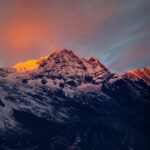
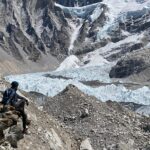
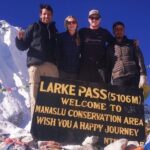
Ghandruk to Kyumi: A Fairly Smooth Finish in Pokhara
Day 5 has a gentle change in feel. You walk through rhododendron forest toward Ghandruk, and the pace seems to shift from “climb and look” to “arrive and enjoy.” Lunch in Ghandruk is part of why this trek feels doable: you get a solid break in a village setting before the final descent.
After lunch, you descend on stone staircases to Kyumi. Then you take a bus back to Pokhara. That bus leg is a key part of the value, because it helps you finish the trek without turning the last day into a long, exhausting slog on foot.
Once back in Pokhara, you’re free to spend the evening how you like. The plan specifically gives time for the lakeside social scene—restaurants and pubs—so you can celebrate, stretch, and reset before heading home.
Kathmandu Return: Private Van Convenience After Altitude
On Day 6, you leave Pokhara and head back to Kathmandu by private van. This is one of those small details that matters more than people expect. After trekking and sleeping at altitude, you don’t want to spend energy coordinating extra transfers.
You’ll arrive in Kathmandu and be dropped at your hotel. Then you can do the simple things: a proper shower, a slower meal, and a bit of capital-city walking to get your bearings again.
Guides, Organization, and the Real Comfort Factor
The biggest difference between an okay trek and a great one is how it’s run. This company uses a local government licensed English-speaking guide and includes first-aid medical kits. That’s a practical layer of safety.
I also love that the operation is described as socially responsible, not just adventure-focused. And the best proof of a well-run trip is the human side: you’ll see names come up like Shiva Prasad and guides such as Navaraji and Prakash. Porters get real credit too—one example is Saha being especially kind and attentive toward children.
A recurring theme is organization plus flexibility. For example, owners like Shree (the company head referenced in feedback) are described as adjusting schedules based on fitness level, and guides like Navaraji are noted for changing the plan after someone became sick. That kind of responsiveness isn’t a luxury on a trek. It’s what keeps a short itinerary from turning stressful.
What You Get (and Why Those Lodges Matter)
Your trek includes best-available lodges and guesthouses during the walk, mainly in twin sharing. Meals are built in: breakfast (5), lunch (4), dinner (3). Entry permits and fees are also included, which saves time and avoids awkward guesswork.
Gear support is a standout for value: down jacket and sleeping bag are provided, and you return them after the trek. You also get a duffel/kit bag for carrying—again, to be returned. This matters because cold starts early on Poon Hill mornings. Even if you feel fine during the day, dawn and morning wind can surprise you.
Also pay attention to the lodge comfort detail: in Ghorepani, dining room heating is highlighted. That small comfort helps you recover properly between walking days.
Not included is where you should be deliberate: you’ll need travel insurance (compulsory), and alcohol or drinks and laundry are extra. Personal trekking equipment is also not included, so bring your own footwear and what you use day-to-day.
Price and Value: Is $590 a Fair Deal for 6 Days?
$590 for a 6-day Ghorepani Poon Hill trek sounds moderate when you look at what’s bundled. You’re paying for more than “a guide.” Your price includes:
- lodges/guesthouses during the trek
- most meals (breakfast, lunch, and dinners as listed)
- a licensed English-speaking guide
- permits and fees
- trekking gear support like down jacket and sleeping bag
- surface transfers from and back to Kathmandu
That’s why the cost can feel fair, especially compared with booking components separately—permits, guide time, and transfers can add up fast.
The parts that can raise your real-world cost are also predictable: travel insurance, tips for staff, and personal equipment. Alcohol and drinks are extra too. If you budget for those items from the start, the $590 price feels like a clean package.
Weather and Packing: Your Trek Depends on Visibility
This trek requires good weather. That doesn’t mean you should cancel the moment a cloud appears. It means your best mountain memories depend on visibility, especially for sunrise.
Since the start time in Kathmandu is 6:15am, your schedule locks you into early mornings. Layering is not optional. You’ll want warm clothing for cold pre-dawn hours, even if afternoons are nicer.
Packing strategy (practical and simple):
- Use the down jacket you’re provided to handle cold mornings
- Bring the personal trekking equipment you normally trust for your feet and comfort
- Plan for a morning cold start even when you feel warm in the daytime
Also, if you’re prone to motion sickness or fatigue during drives, keep an eye on how you feel on transfer days. The trek itself may be manageable, but travel days still matter.
Who Should Book This Trek (and Who Might Pause)
This trek fits best if you want a classic Annapurna experience with major viewpoints and a manageable walking schedule. It’s often chosen by families, and people spanning different ages can complete it because the itinerary is built around shorter trekking days and steady village-to-village progress.
It may not be ideal if you want a totally relaxed walk with zero early starts. Sunrise day is early, and the mountain-cold factor is real. Also, if you’re expecting guaranteed clear skies, you’ll be happier planning with some flexibility.
If you’re the type who likes structure—known lodges, included permits, a guide handling the flow—this kind of trip will suit you.
Should You Book Base Camp Adventure Pvt. Ltd. for Poon Hill?
If you want the Poon Hill sunrise, strong Annapurna-and-Dhaulagiri views, and a trek that stays within a short 6-day window, this is a smart choice. The included structure—licensed guide, permits, meals, lodge stays, transfers, and cold-weather gear—creates good value for the time you have.
I’d book if:
- you like organized, safety-minded trekking
- you want lodge comfort with heating in the dining room
- you want a family-style Annapurna walk rather than a long, high-expedition grind
- you appreciate guides who adjust the plan when the human side of trekking changes
I’d think twice if:
- clear sunrise views are your only goal and you can’t handle the weather uncertainty
- you dislike very early starts, since the trip begins at 6:15am in Kathmandu and includes pre-sunrise hiking
FAQ
Where does the trek start and end?
The experience starts in Kathmandu (meeting point: Kathmandu 44600, Nepal) and ends back at the same meeting point.
What time does the experience start?
The start time is listed as 6:15am.
How much does the Ghorepani Poon Hill Trek cost?
The price is $590.00 per person.
What’s included in the trek price?
Included are lodge/guesthouse accommodation (mainly twin sharing), a local government licensed English-speaking guide, trek entry permits and fees, down jacket and sleeping bag (returned after the trek), a duffel/kit bag, first aid medical kits, surface transfers to and from Kathmandu, and meals (breakfast, lunch, and dinner as listed).
Is travel insurance included?
No. Travel insurance is listed as compulsory and is not included in the price.
Does the tour include a guide and permits?
Yes. The tour includes a licensed English-speaking guide and all necessary trek entry permits and fees.
What happens if weather is poor?
This experience requires good weather. If it’s canceled due to poor weather, you’ll be offered a different date or a full refund.
What is the cancellation deadline for a full refund?
You can cancel up to 24 hours in advance for a full refund. If you cancel less than 24 hours before the start time, no refund is given.