REVIEW · KATHMANDU
Langtang Valley Trek
Book on Viator →Operated by Accessible Adventure Pvt. Ltd · Bookable on Viator
Langtang Valley hits you with mountain quiet. This trek strings together a rugged road start from Kathmandu to Syabrubesi, then days of walking through Langtang National Park with earthquake-rebuilt villages and high viewpoints like Kyangjin Gompa. Along the way, you get a real sense of a borderland culture that once served travelers heading toward Tibet.
I really like two things about this trip. First, the support is practical: you travel with a guide and porters (1 porter for 2 people), plus you’re issued trekking gear like a down jacket and sleeping bag (returned at the end). Second, the walking days feel varied, shifting from riverside trails to farm villages and then into alpine scenery where sunrise-style hikes are part of the plan.
One thing to plan for: the road days are long and bumpy, including a 6–8 hour drive with off-road segments, so you need to be okay with that. Also, only two breakfasts are listed as included, and drinks and most meals are not part of the package as described.
In This Review
- Key highlights before you go
- Langtang Valley Trek in plain terms: what the days feel like
- Day 1 in Kathmandu: your trek gear and permits get squared away
- Day 2: the drive to Syabrubesi is part road-trip, part scenery show
- Day 3: into Langtang National Park—riverside walking and wildlife chances
- Day 4: Langtang Village’s rebuild—Mundu for views and quiet recovery
- Day 5: Kyangjin Gompa base camp—plus optional Kyangjin Ri altitude push
- Day 6: back down to Lama Hotel—same route, different direction, new feel
- Day 7: Sherpagaun and Tamang culture—final walking day, then road back
- Day 8: Syabrubesi to Kathmandu—settle in, then enjoy city time
- Day 9: airport transfer before your international flight
- What you get for your $860: value beyond the brochure
- Gear and packing: what you’ll want to have even with the included kit
- How the guide support shows up day to day
- Trek conditions and who this is best for
- Should you book this Langtang Valley Trek?
- FAQ
- How long is the Langtang Valley Trek?
- Is airport transfer included?
- Are permits included?
- What trekking gear is provided?
- How many people are in the group?
- What meals and drinks are included?
Key highlights before you go
- Gear on day one: down jacket, four-season sleeping bag, trekking duffel bag, t-shirt, and a trekking map are included.
- Small-group feel: maximum 15 travelers, so the pace and logistics tend to be easier to manage.
- Earthquake-rebuilt trekking: you pass through Langtang Village, now reconstructed with tea houses operating.
- A guide who actually helps: names you may run into include Himal, Shiva, and Raj Kumar, praised for attentiveness and safety.
- View-focused hiking: the route is designed for high-point, early-light viewpoints (like Tserko Ri and options such as Kyangjin Ri at 4300m).
- Cultural route options: your final days are set up so you can extend toward Tamang heritage routes or toward Gosaikunda if you choose.
Langtang Valley Trek in plain terms: what the days feel like
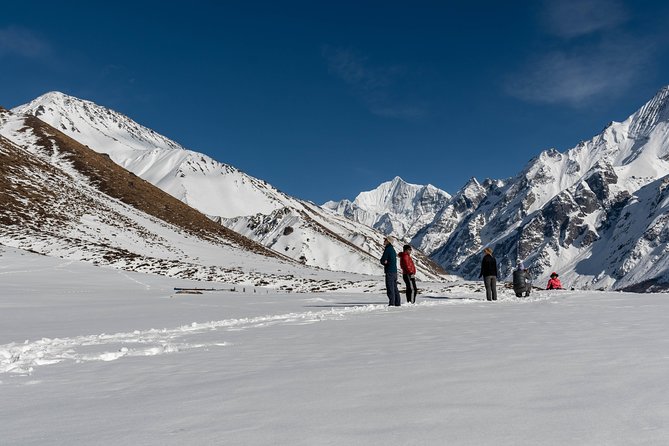
This is the kind of trek where you can see how Nepal changes with altitude and community size, without needing a complicated plan. You start with Kathmandu arrivals and paperwork, move into a dramatic drive to Syabrubesi, then spend multiple days walking between rivers, forests, and villages inside Langtang National Park.
What makes it interesting is the balance between scenery and people. You’re not only chasing views from above; you also pass through small settlements where you can notice local routines, monastery sites, and the ongoing rebuild after the 2015 earthquake.
You can also read our reviews of more tours and experiences in Kathmandu.
Day 1 in Kathmandu: your trek gear and permits get squared away
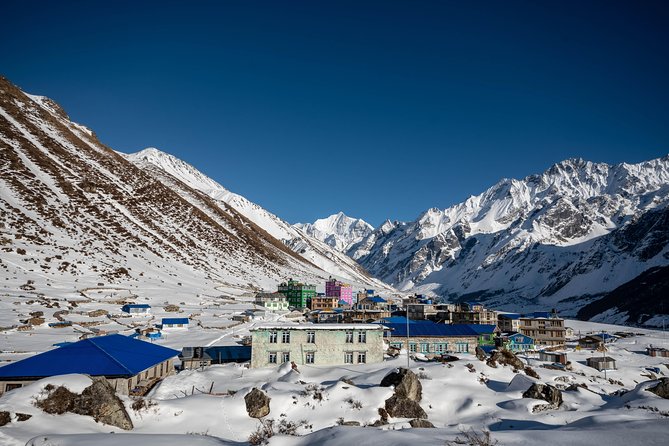
Day 1 is all about landing and getting ready. You arrive at Tribhuvan International Airport, clear visa/customs, then meet an office representative holding a card with your name. After that, you get a comfortable transfer to your hotel and have free time until the end of the day.
This matters more than it sounds. When your trek begins the next morning, the team handling paper work and the core logistics makes it easier for you to sleep, hydrate, and avoid the usual last-minute chaos.
Day 2: the drive to Syabrubesi is part road-trip, part scenery show
The trek officially begins after a bus/jeep ride from Kathmandu to Syabrubesi. Expect 6 to 8 hours of travel with off-road segments, plus plenty of changing views along the way: the raging Trisuli river, terrace farmlands, and spotted views of Ganesh Himal.
When you reach Syabrubesi, you get time to settle into a local lodge, freshen up, and stroll around. It’s a nice buffer day because you get to stretch your legs before Day 3 starts the real walking.
Practical note: if you dislike rough roads, bring layers for temperature shifts and be ready for a longer-than-usual travel day.
Day 3: into Langtang National Park—riverside walking and wildlife chances
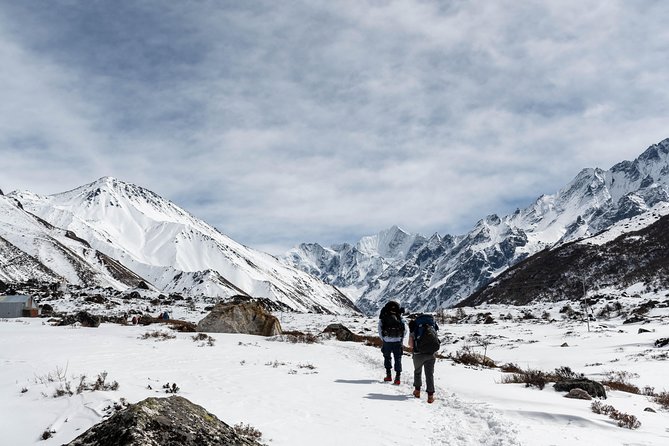
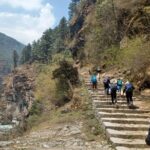
Day 3 is where your feet take over. You’ll start after early breakfast, cross the Bhote Koshi river and follow Langtang Khola, then make a gradual climb toward a spot called Bamboo.
A key detail here is how careful the crossing areas need to be. The route includes landslide-prone sections, so you’ll want to walk slowly, listen to your guide, and avoid rushing steps even when you feel fine.
Lunch stops at Ramche and then you push on to Lama Hotel for the night. This is also one of the days where you may spot wildlife—there’s a realistic chance for rare flora and fauna, including mentions of red pandas and langur monkeys.
Day 4: Langtang Village’s rebuild—Mundu for views and quiet recovery
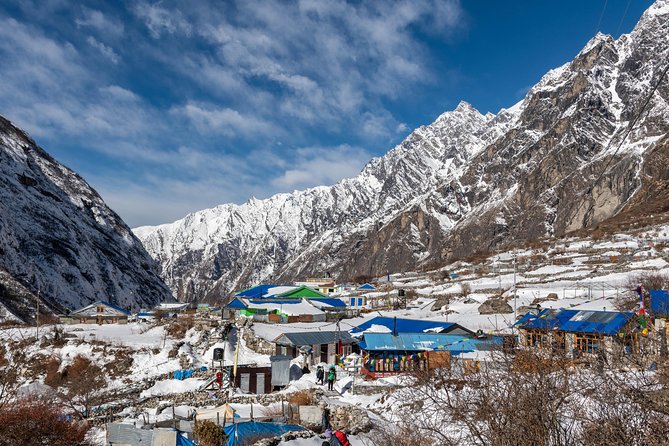
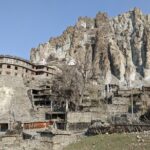
Day 4 includes one of the most meaningful parts of the trip: walking through the area affected by the 2015 earthquake. Langtang Village was destroyed, and now you’ll see it reconstructed, with tea houses operating again.
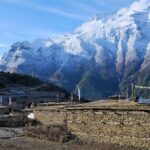
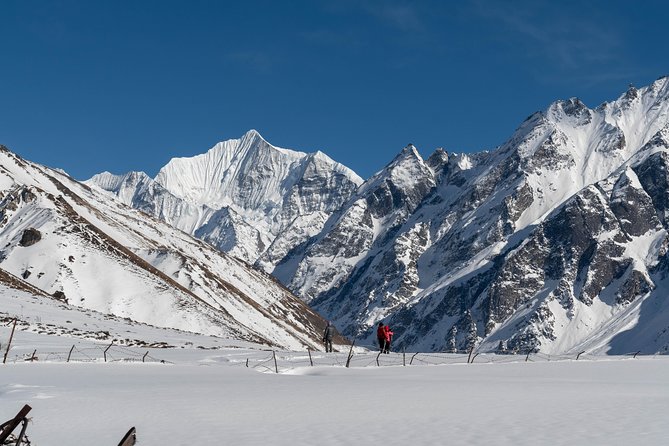
From Langtang Village you walk a bit farther toward Mundu village and stop there. The view angle changes, and you can look out toward peaks like Langtang Lirung, Changbu, and Kinshung, plus you pass mani stone walls that give the area a more spiritual, lived-in feel than a purely scenic trail.
A drawback here is emotional, not physical. This section can feel heavy because you’re seeing rebuilding up close, not just a disaster site from a distance. If that kind of reflection bothers you, you might want to keep expectations flexible.
Day 5: Kyangjin Gompa base camp—plus optional Kyangjin Ri altitude push
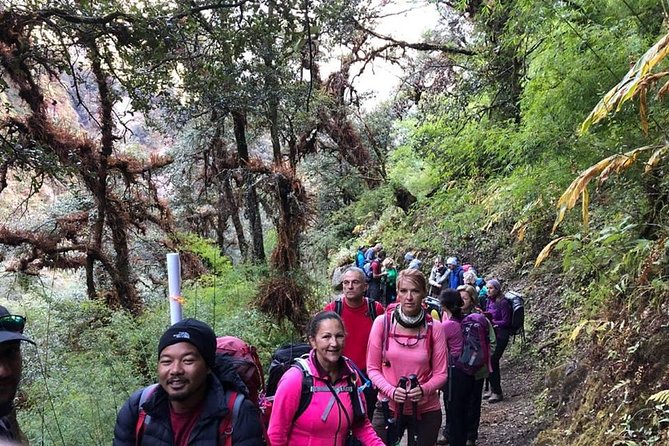
Day 5 focuses on reaching Kyangjin Gompa. The walk from Mundu is about 2 hours of gradual ascent via grazing lands, with stream crossings over wooden bridges.
This day also reflects how the region is still recovering. There used to be a cheese factory here, and the monastery is under reconstruction. In other words, you’re not visiting a museum; you’re traveling through a place that’s still rebuilding community life.
Now for the hike options:
- If you feel strong, you can add a climb to Kyangjin Ri at 4300m and return the same day.
- Or you can simply reach Kyangjin Gompa and plan the high-point hike for later.
You spend the night in a local lodge at Kyangjin Gompa. If you’re altitude-sensitive, take it easy when you arrive, sip water steadily, and avoid rushing into any side trip.
Day 6: back down to Lama Hotel—same route, different direction, new feel
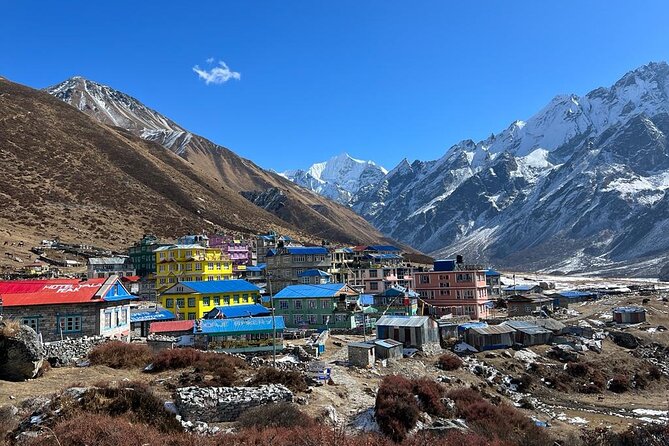
Day 6 is a descent back along a similar corridor, but with a change in direction that makes the terrain feel different. You cross the Ghodatablea area, keep walking along Langtang Khola’s river side, and end at a tea house in Lama Hotel for the night.
This is one of those days that can feel gentler on the body but still needs attention. Even downhill routes can beat up your knees and ankles, so bring good trekking shoes and take steady steps.
If you’re the type who likes to keep a rhythm, this is a good day for it: you’ll have views, a clear trail story, and a predictable overnight.
Day 7: Sherpagaun and Tamang culture—final walking day, then road back
Day 7 is your last big walking day. From Lama Hotel you pass through Sherpa village of Sherpagaun, and the surroundings shift toward greener valleys, wider spaces, and more local settlements.
You’ll also get introduced to the ethnic fabric of the region, including Tamang people and Tamang heritage trail options. The plan even gives you choices for possible extensions:
- On one side, a route toward Tamang heritage trail to Gatlang.
- On the other side, crossing Laurebina pass toward the pilgrimage site of Gosaikunda.
Based on how the trip is structured, you then drive back toward Kathmandu the next day, so think of Day 7 as a culture-rich walking day plus a transition day for the road.
Day 8: Syabrubesi to Kathmandu—settle in, then enjoy city time
Day 8 is a morning drive from Syabrubesi back to Kathmandu. The ride takes about 7–8 hours. Once you arrive, an office representative helps you check into your hotel, and you have free time for the rest of the day.
This matters for recovery. After multiple days walking and sleeping in simple lodges, a hotel night plus free time gives you a chance to eat normally, wash clothes (if you choose), and just reset your body.
Day 9: airport transfer before your international flight
On Day 9, you get ready for departure. You’re transferred from your hotel to Tribhuvan International Airport approximately 3 hours before your scheduled international flight.
This is a small detail, but it’s the kind that saves time and stress. International flights don’t wait for anyone, and the early window helps you move through the final steps calmly.
What you get for your $860: value beyond the brochure
At $860 per person, this trek sits in the mid-range bracket for a guided Himalayan itinerary. What makes the price feel more reasonable is that you’re not just paying for a route; you’re paying for labor, equipment support, and planning.
Here’s what’s clearly included:
- Public bus or jeep fare from Kathmandu to Syabrubesi and back
- Private transportation
- A highly experienced guide and porters (1 porter for 2 people), including their food, accommodation, salary, equipment, and insurance
- Permits/paperwork and all applicable taxes/service charges
- Trek gear support: down jacket and a four-season sleeping bag (returned after the trip), trekking duffel bag, t-shirt, and trekking map
- A comprehensive medical kit
- Breakfast included (2 breakfasts are listed)
What’s not included matters for budgeting:
- Nepal entry visa fee
- International airfare and airport taxes
- Alcohol and most drinks
- Personal shopping and laundry, phone/internet, camera battery charging
- Travel/medical insurance and helicopter rescue coverage
- Tips (appreciated but not mandatory), plus personal expenses
My practical take: the included gear can genuinely lower your pre-trip costs and packing burden, especially if you’re traveling light. The guide and porter coverage also helps you spend energy on walking, not logistics.
Gear and packing: what you’ll want to have even with the included kit
Since the package provides a down jacket and sleeping bag, your main job is to round out what keeps you comfortable on the trail.
From what’s listed, make sure you also have:
- Daypack for water and personal items
- Layers for temperature swings between Kathmandu, lower valleys, and higher points
- Trekking footwear that’s already broken in
- Simple sun protection (hat, sunglasses) and rain protection (because weather can change fast in the mountains)
And do plan for the teahouse rhythm. The days mention lunch stops at places like Ramche and overnight tea houses in areas such as Lama Hotel and Kyangjin Gompa. The tour clearly includes breakfasts, but other meals and drinks are not listed as included, so keep a realistic daily budget in mind.
How the guide support shows up day to day
The names that come up most in the feedback include Himal, Shiva, and Raj Kumar. The consistent theme: attentive help, smooth organization, and a strong safety mindset.
In practical terms, that usually means:
- You start days with a plan and end them with a place to sleep
- You handle trail decisions calmly, instead of guessing
- If you’re not feeling great, the team may help you adjust your itinerary or pace
That last part matters. High-point days can be demanding. Having leadership that can respond to how you’re doing is better than following an inflexible schedule.
Trek conditions and who this is best for
This trek is aimed at people with moderate physical fitness. It also works best if you’re comfortable with:
- A long drive component before and after the trekking portion
- Walking days around 6–8 hours on many days (plus short segments and optional hikes)
- Altitude planning on high-point options like Kyangjin Ri at 4300m
It’s also a good fit for solo travelers. Group size is capped at 15, and the trip is designed around shared support rather than leaving individuals to manage the route alone.
If you’re looking for a purely off-the-beaten-track slog, this might be a little more structured than you expect. If you want authentic village trekking with a safety net and gear support, it’s a strong match.
Should you book this Langtang Valley Trek?
I’d book it if you want a guided Langtang Valley experience that balances real walking, earthquake-rebuilt villages like Langtang Village, and high viewpoints with sunrise-style hikes. The included guide/porter support plus gear rental is a practical value, especially if you don’t want to source a down jacket and sleeping bag in advance.
I wouldn’t book it if you hate rough road days or you’re on a tight budget for meals and drinks beyond the two included breakfasts. Also, if altitude options like Kyangjin Ri at 4300m sound intimidating, you should plan to keep your hikes optional rather than pushing just to meet a checklist.
FAQ
How long is the Langtang Valley Trek?
The trek is listed as 9 days approximately (from Day 1 in Kathmandu through Day 9 departure).
Is airport transfer included?
Yes. You get a transfer from your Kathmandu hotel to Tribhuvan International Airport about 3 hours prior to your scheduled international flight on Day 9. Day 1 also includes a transfer from the airport to your hotel.
Are permits included?
Yes. The tour includes all necessary paper work and permits.
What trekking gear is provided?
The package includes a down jacket, a four-season sleeping bag, a trekking duffel bag, a t-shirt, and a trekking map. The down jacket and sleeping bag are returned after the trip.
How many people are in the group?
The maximum group size is 15 travelers.
What meals and drinks are included?
Breakfast is included (2 breakfasts are listed). Alcoholic drinks and most drinks are not included.