REVIEW · KATHMANDU
Everest Base Camp Trek 14 days
Book on Viator →Operated by Happyland Treks · Bookable on Viator
Everest Base Camp starts with a small plane. This 14-day high-altitude trek above 5,000m brings you from Kathmandu to Lukla and onward to Everest Base Camp through classic Sherpa villages, big Himalayan views, and glacier country. I like that the plan builds in smart pacing with acclimatization days, and I also like the overall structure, from Kathmandu pickup to tea-house meals handled for you. The big consideration: altitude is real, and you should only go if you truly have the moderate fitness level they ask for, plus be ready for weather-related flight delays around Lukla.
You’ll be in good hands with Happyland Treks, including an English speaking guide, porter support, and a setup that reduces decision fatigue when you’re tired and high up. Tea-house accommodation and included meals mean you can focus on walking, hydration, and letting your body adjust step by step. The trek is demanding, but it’s also very doable if you follow the pace and don’t rush your acclimatization.
In This Review
- Key takeaways before you commit
- Everest Base Camp, 14 days: what you’re really signing up for
- Kathmandu first: two nights, pickup, and getting your bearings fast
- Lukla flight day: why the schedule matters more than you think
- Lukla to Phakding: easing into the trail at 2,600m-ish
- Namche Bazaar: the acclimatization day that makes or breaks you
- Tengboche and Dingboche: from monastery views to higher valleys
- Lobuche and the push toward Gorakshep: where the trek turns serious
- Kalapathar sunrise: the high walk you’ll remember for years
- Trek back to Lukla: don’t let the finish fool you
- Coming home: Lukla back to Kathmandu and a little decompression
- Price and logistics: what $1,897 buys you (and what it doesn’t)
- Team support: English guide plus a Kathmandu-based owner who handles the details
- Meals and tea houses: simple food, warm drinks, and a workable daily routine
- Altitude safety: the non-negotiables
- What you’ll likely need to budget for beyond the included list
- Who this trek suits best (and who should think twice)
- Should you book Happyland Treks for Everest Base Camp?
- FAQ
- Where does this Everest Base Camp trek start?
- What time does the trek start?
- How long is the trek?
- Is airport pickup included?
- Are the trekking permits included?
- Are domestic flights included?
- Is there an English speaking guide?
- How is porter support handled?
- What is the cancellation policy?
Key takeaways before you commit
- English-speaking support: you’re not left figuring things out mid-trek.
- Altitude built into the schedule: rest days at Namche Bazaar and Dingboche help your body adapt.
- Tea-house stays with meals included: breakfast/lunch/dinner plus tea or coffee each day keeps things simple.
- Lukla flights included: Kathmandu to Lukla and back are part of the package, not an add-on hassle.
- Porter support: 1 porter between 2 people helps you carry less.
- Everest National Park permit + TIMS: the essential paperwork is covered.
Everest Base Camp, 14 days: what you’re really signing up for
This trek is popular for a reason, and not just for the postcard summit energy. You’ll walk through the foothills rhythm first, then slowly gain altitude until the air feels thin and your breathing turns into a full-body project. The route is built like a staircase with occasional landing floors: lower valleys to start, gradual climbs, and a couple of “stop and breathe” days so you don’t treat altitude like a video game.
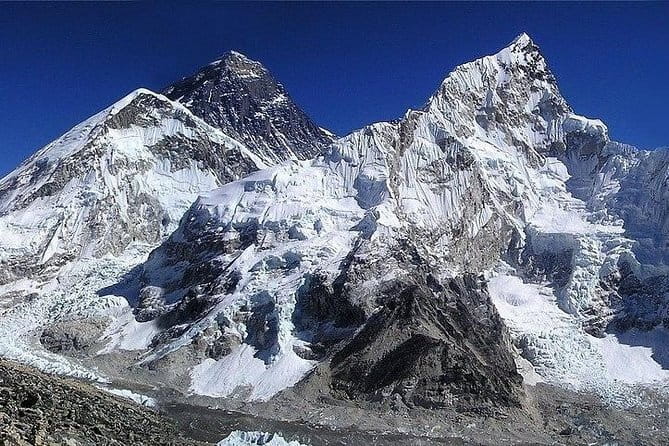
At the top end, you’ll reach Gorakshep (5,180m) and then push onward toward Everest Base Camp (5,364m). That’s not a gentle stroll. You’ll hike between places that are high enough to make you notice every slow step. And on Day 10 you’ll tackle Kalapathar (5,550m) early morning for sunrise views over Everest and the surrounding peaks.
What makes this itinerary feel practical is how it mixes classic scenery with real acclimatization logic. It’s not just chasing altitude; it’s trying to keep you healthy enough to enjoy it.
You can also read our reviews of more tours and experiences in Kathmandu.



Kathmandu first: two nights, pickup, and getting your bearings fast
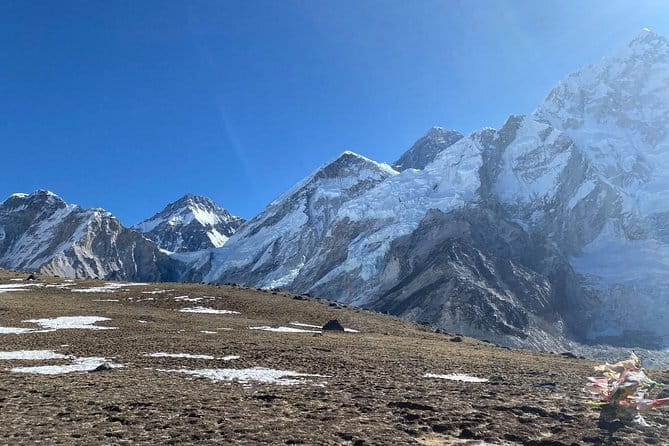
Your trip officially begins in Kathmandu with an airport pickup and transfer to a hotel. You get two nights in Kathmandu with breakfast, which matters because the first day after you land is rarely about packing and planning nicely. It’s about rest, hydration, and sorting your gear before the flight day.
Then there’s a nice touch in the way the trek is set up: you’re not scrambling for permits or trying to decode the paperwork. TIMS (Trekkers Information Management System) and the Everest National Park trekking entry permit are included. That’s a small thing that can save a lot of stress when you’re jet-lagged.
If you have extra time later, the final day leaves room to chill, shop, or do light sightseeing in Kathmandu. It’s not the focus of the trek, but it’s a good pressure-release valve after 10+ days of mountains.
Lukla flight day: why the schedule matters more than you think
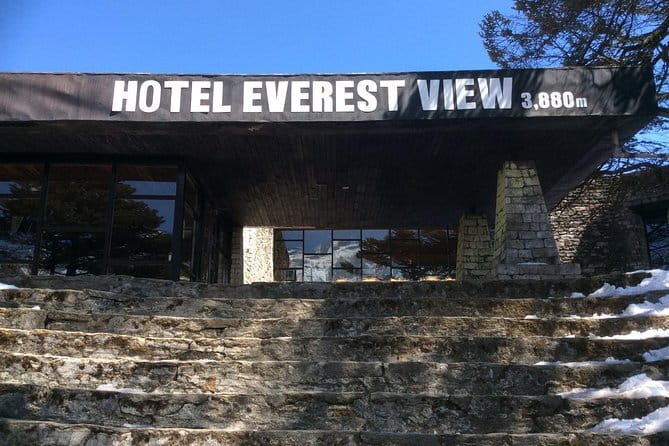
On Day 2 you fly from Kathmandu to Lukla (2,840m). It’s a short flight (about 40 minutes), but in practice it’s one of the most important pieces of your success. People can plan the perfect trek, then get stuck waiting on flight timing or weather.
The good news here is that domestic flights and airport tax for Kathmandu–Lukla–Kathmandu are included. That removes a big logistical headache. One more bonus: the way the operator handles flight scheduling has been a highlight—especially for getting you into Lukla with minimal chaos.
Still, be realistic: Lukla is a weather-sensitive destination. The tour is planned around the idea that good weather is needed, so you should keep some patience in your pocket. Build the mindset that flexibility is part of the adventure, not a failure.
Lukla to Phakding: easing into the trail at 2,600m-ish
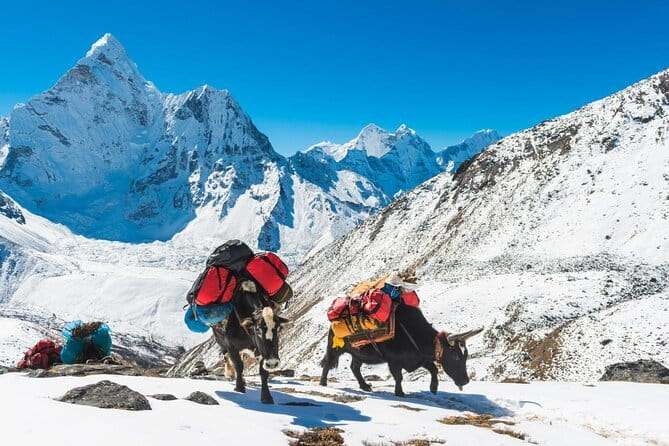
After breakfast in Lukla, you trek to Phakding (2,610m). This is your first “real legs” day, but it’s also a smart start because you’re not jumping from near sea level straight into Everest-adjacent heights. Your body gets to find its pace while the trail is still manageable.
This day tends to be about settling in:
- get used to your walking rhythm
- test your boots and socks
- practice slow breathing so you don’t sprint the first hour and pay for it later
It’s also a good time to confirm you like your pack setup. Since porter support is included (1 porter between 2 people), you’ll likely carry a smaller load than you might on your own. Use that to your advantage. Carry only what you truly need day to day.
Namche Bazaar: the acclimatization day that makes or breaks you
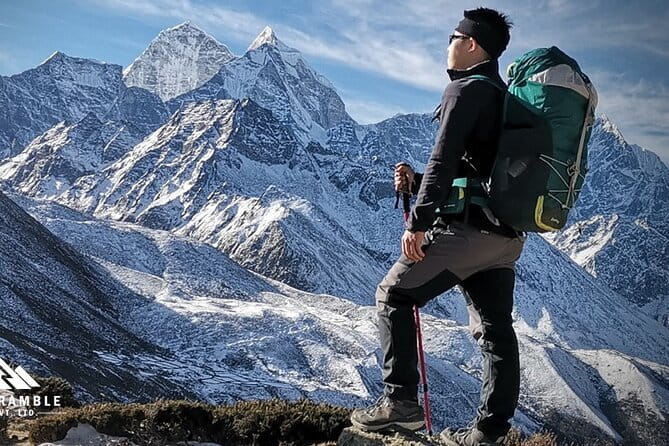
The next trek pushes you to Namche Bazaar (3,440m) after a longer hiking day from Phakding. Then comes the best kind of day: a true acclimatization day at Namche Bazaar.
You’re scheduled to rest, relax, explore, and enjoy the view. That may sound like a luxury, but it’s actually one of the most important health decisions in the whole itinerary. Namche gives your body time to adapt before you go higher again.
Here’s the practical trick I recommend: on acclimatization days, move, but don’t overdo it. You want to feel alive, not wrecked. Think short walks, gentle wandering, and lots of hydration. If you ignore this and treat it like a free day to hike hard, you risk altitude issues later.




Tengboche and Dingboche: from monastery views to higher valleys
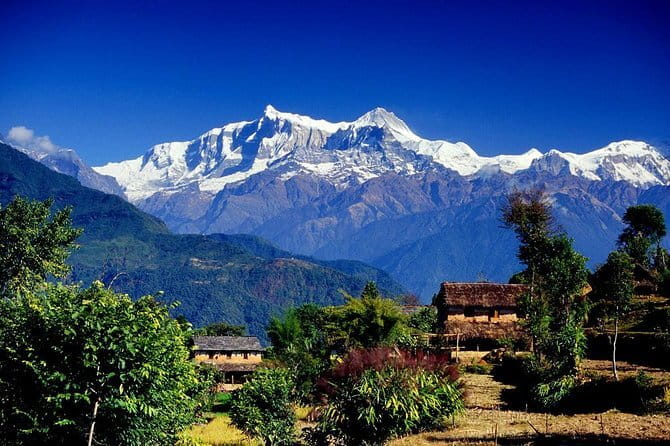
Day 5 takes you from Namche Bazaar to Tengboche (3,868m). This is one of those trekking zones where the views and the cultural setting feel connected—you’re not only climbing; you’re passing through a living mountain world.
Then Day 6 heads up to Dingboche (4,410m). The altitude gain is bigger, and the air starts to feel sharper. By this stage, every ascent has a slow-motion feel. Your pacing should reflect that.
And again—you don’t just climb and hope for the best. You get an acclimatization day at Dingboche (Day 7). That rest day is timed well before you jump toward the high 4,000m-to-5,000m transition zone.
Lobuche and the push toward Gorakshep: where the trek turns serious
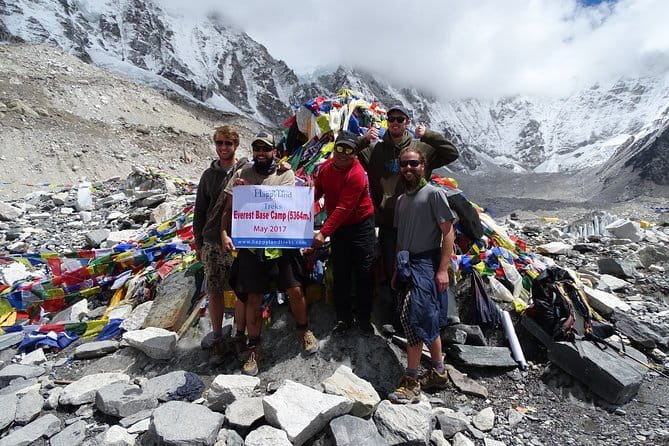
Day 8 takes you from Dingboche to Lobuche (4,910m). This is a key point where many people start to notice fatigue more strongly. Your pace will probably slow without you forcing it. That’s normal at altitude, and it’s exactly why the earlier days matter.
On Day 9 you hike from Lobuche to Gorakshep (5,180m) and continue onward to Everest Base Camp (5,364m), returning to Gorakshep for the night. This is your summit-sensation day, even though you’re not climbing a peak. It’s the day you finally reach the place your trip is named after, in proper high-altitude conditions.
Tea-house accommodation helps here. You won’t be roughing it like a mountaineering expedition. Meals are standard trekking meals, and you also get three cups of tea or coffee a day. That might sound small, but when it’s cold and you’re tired, a warm drink is basically survival gear.
Kalapathar sunrise: the high walk you’ll remember for years
On Day 10 it’s an early morning hike to Kalapathar (5,550m) to see sunrise and mountain range views including Mount Everest. Then you go back to Gorakshep for breakfast before trekking down to Pangboche (3,990m).
This day is famous for a reason: sunrise at altitude is when the mountains look most dramatic and the light makes the entire region feel sharp. But it’s also physically tough. The early start plus the elevation means you’ll need patience—slow steps, steady effort, no sprinting.
Then you drop down to Pangboche. That descent is a relief for your legs and a smart way to manage recovery. Altitude days are a cycle: work, then recover.
Trek back to Lukla: don’t let the finish fool you
Days 11 and 12 bring you down and back to civilization:
- Day 11: trek from Pangboche to Namche Bazaar (3,440m)
- Day 12: trek from Namche Bazaar to Lukla (2,840m)
A common mistake is treating the return trip as easy because the altitude numbers go down. But your body still has to process the full trail, day after day. Your legs will feel the earlier grind, and you’ll still need good foot care and smart pacing.
The good part is that downhill is easier on breathing but harder on knees. Walk with control. Take breaks before you’re desperate. Keep water intake going even when you’re tempted to “save effort.”
Coming home: Lukla back to Kathmandu and a little decompression
Day 13 starts with a morning flight back to Kathmandu (you’ll be at 1,336m by the time you arrive). Day 14 is departure or extra Kathmandu time.
This is where you’ll feel two things at once:
1) relief that you’re not climbing anymore
2) a little emptiness because the daily mountain routine ends
If you choose extra days in Kathmandu, it’s a good time for light sightseeing, shopping, and real meals that aren’t tea-house basics. Just don’t over-schedule right away. Your body needs downtime.
Price and logistics: what $1,897 buys you (and what it doesn’t)
At $1,897 per person, this isn’t the cheapest way to do Everest Base Camp. But it also isn’t just “a route and vibes.” The package covers a lot of the expensive, high-friction parts:
Included:
- airport pickup and drop
- two nights in Kathmandu with breakfast
- TIMS and Everest National Park permit
- domestic Kathmandu–Lukla–Kathmandu flights
- English speaking guide
- tea-house accommodation during the trek
- all standard meals on the trek plus three cups of tea/coffee per day
- porter support (1 porter for every 2 people)
- medical kit, staff insurance/medicine, and staff expenses
- trip certificate, plus a company duffel bag and t-shirt
Not included:
- travel medical insurance and emergency evacuation costs
- Nepal entry visa fee and international air fare
- most personal items (personal equipment, water bottle/hot shower/battery charge/cold drinks, etc.)
- tips for guide and porter (tipping is expected)
Here’s the balanced way to view it: paying more can be worth it when it removes uncertainty. Everest treks fail in the real world because of paperwork, food misunderstandings, or chaotic flight handling—not because the mountains are complicated. This tour’s structure is designed to reduce those friction points.
Team support: English guide plus a Kathmandu-based owner who handles the details
The experience is built around support in two locations: Kathmandu and along the trail. You’re assigned an English speaking guide, plus porter service to lighten your load. That matters because language becomes a safety tool when you’re tired and altitude-slowed.
One name that stands out in the operator’s communication is Bimal Dahal, also known as Happy Bimal. People appreciated how he explained details clearly before the trek and helped set expectations with lodging options and pictures. For first-timers, that kind of preparation can be the difference between anxiety and calm.
Meals and tea houses: simple food, warm drinks, and a workable daily routine
During the trek, you’ll stay in tea houses and eat included breakfast/lunch/dinner. You’ll also get three cups of tea or coffee daily, which is a great way to stay warm and keep your energy steady.
What to expect practically: tea-house food is not gourmet. It’s usually hearty, filling, and designed for hikers. You’ll do best when you treat meals as fuel, not as a restaurant review. On high days, eat what agrees with you and keep it consistent.
Altitude safety: the non-negotiables
This trek exceeds 5,000m, and the itinerary climbs steadily: Namche to Tengboche, Dingboche, Lobuche, Gorakshep, then Base Camp and Kalapathar. That means you should take altitude seriously even if you feel strong on Day 3.
The itinerary gives you tools:
- acclimatization days at Namche Bazaar and Dingboche
- planned pacing with recovery between high points
- a descent after the Kalapathar morning push
Still, you must do your part: go slow, don’t ignore symptoms, and stick to the guide’s pace. If you feel unwell, speak up early. Altitude issues are easier to manage early than after you push too far.
What you’ll likely need to budget for beyond the included list
Even with a strong package, personal costs show up quickly on Everest:
- travel medical insurance and emergency evacuation (not included)
- Nepal entry visa fee and your international flights
- tips for guide and porter
- personal equipment
- personal expenses like alcoholic beverages, hot shower, water bottle, battery charging, cold drinks, and hot water
This is normal for the region. Plan for it instead of being surprised. Also keep your water and charging situation realistic. At high altitude, “convenience” can cost money and time.
Who this trek suits best (and who should think twice)
This is a private tour, meaning only your group participates. It works well if you want organization and support without sharing your schedule with strangers.
You’ll be a good match if:
- you have moderate physical fitness
- you want the classic Everest route with acclimatization days built in
- you prefer tea-house trekking with included meals and guide support
You might think twice if:
- you’re not comfortable with high altitude walking
- you need guaranteed fixed flight timing (weather can affect Lukla)
Should you book Happyland Treks for Everest Base Camp?
If your priority is a well-run trek—permits handled, flights built in, English support, and a schedule that respects altitude—this is a solid choice. The strong points people consistently highlight are the smooth organization, the helpful English communication, and the way Kathmandu logistics and Lukla flight handling reduce stress.
I’d book if you’re ready for the physical demand and you take acclimatization seriously. I’d hesitate if you want a carefree holiday with no altitude concerns, or if you’re not prepared for extra personal expenses like insurance, tips, and charging.
In short: if you want Everest Base Camp with fewer moving parts and more guidance, this package is built for that.
FAQ
Where does this Everest Base Camp trek start?
The trek starts at Happyland Treks. Nepal Trekking, Everest Trek, South Asia, Paknajol Marg, Kathmandu 44600, Nepal, with the ticket redemption point at the same location.
What time does the trek start?
The listed start time is 5:00 am.
How long is the trek?
The duration is about 14 days.
Is airport pickup included?
Yes. Airport pick up and drop by car/van/bus is included.
Are the trekking permits included?
Yes. The price includes a TIMS card and the Everest National park trekking entry permit.
Are domestic flights included?
Yes. The price includes domestic flights and airport tax for Kathmandu–Lukla–Kathmandu.
Is there an English speaking guide?
Yes. The tour includes an English speaking guide.
How is porter support handled?
Porter service is included, using a 1 porter between 2 person basis setup.
What is the cancellation policy?
You can cancel for a full refund if you cancel at least 24 hours in advance. The experience requires good weather, and if it’s canceled due to poor weather, you’ll be offered a different date or a full refund.