REVIEW · KATHMANDU
Private 12-Day Manaslu Circuit Trekking in Kathmandu
Book on Viator →Operated by Nepal Alternative Treks & Expeditions Pvt. Ltd. · Bookable on Viator
A pass above the clouds is the real draw, and this Manaslu Circuit pairs it with Larkya La Pass glory and Gurung culture villages led by guides like Tej and Nauser. The tradeoff: you’ll spend long days at altitude, so you need steady pacing and good weather windows.
I like how the route shifts from lush river valleys to barren high country, while the schedule still gives you time to adjust—especially with a rest day in Sama Gaon. You also get real support tools like an oxygen meter, first aid, and water purification, plus a private-group setup where your guide and porters are focused on your team.
In This Review
- Key highlights you’ll feel on the Manaslu Circuit
- Manaslu Circuit, the part that actually draws you in
- Kathmandu start: what the private setup means for your day
- Day 1 drive to Machhakhola: a scenic warm-up with the Prithvi Highway work
- Day 2 to Jagat via Tatopani: forests, river walking, and hot springs
- Day 3 to Deng: dense forest, rare wildlife vibes, and village-to-village trekking
- Day 4 to Namrung: suspension bridges, uneven ground, and a landslide-prone segment
- Day 5 to Lho: the Tibetan-culture shift starts showing up for real
- Day 6 to Sama Gaon: pine and rhododendron forests with the Manaslu view staying close
- Day 7: the best kind of rest day in trekking terms
- Day 8 to Samdo: barren high terrain begins, with the Budhi Gandaki thinning out
- Day 9 to Dharmashala: rocky trail, suspension bridge, and bigger peak silhouettes
- Day 10: Larkya La Pass day (the one you’ll remember)
- Day 11 to Dharapani: pine and rhododendron forests bring you back toward comfort
- Day 12: jeep to Besisahar, then bus back to Kathmandu
- Permits, permits, permits: what’s covered and what you should verify
- The value question: is $960 for 12 days fair?
- Guides and teamwork: why names matter on a trek this hard
- Safety and altitude: what this itinerary does well, and what you must do
- Who should book this Manaslu Circuit trek
- Should you book? My decision guide
- FAQ
- What is the duration of this Manaslu Circuit trek?
- What is the highest point on the trek?
- Is this a private trek?
- What’s included in the $960 price?
- What isn’t included?
- Where does the trip start and when?
Key highlights you’ll feel on the Manaslu Circuit
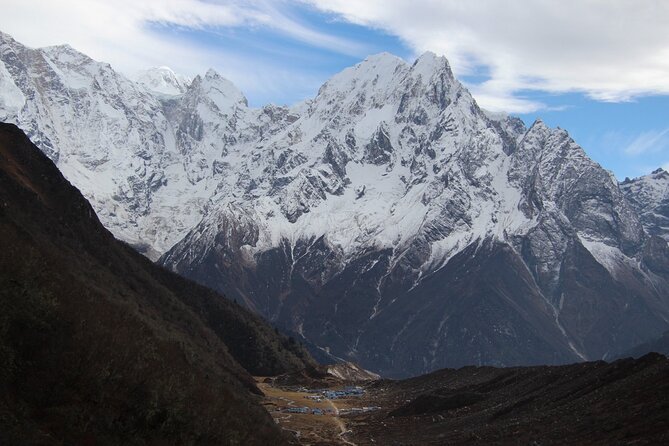
- Larkya La Pass (around 5,100–5,160m): the signature crossing with big glacier views on the way down.
- Gurung communities + Tibetan culture change: you’ll move from mixed forest villages into Mani walls and stone homes.
- Manaslu Base Camp area energy: the trek is built around reaching the heart of the Manaslu region rather than just skimming viewpoints.
- Pung Gyan Gompa hike from Sama Gaon: a meaningful side trip that makes the acclimatization day feel useful.
- Professional guide + porters for a private group: the trip is designed around support, not just moving forward.
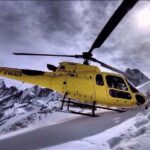
- Emergency evacuation support: and in one shared trek story, helicopter rescue became part of the reality—so having that backing matters.
Manaslu Circuit, the part that actually draws you in
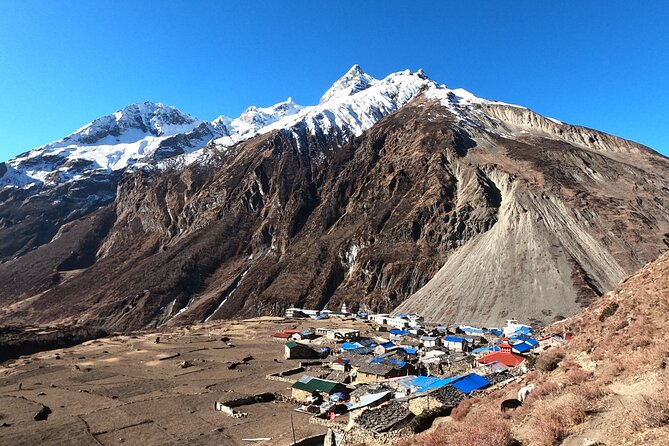
The Manaslu Circuit is the kind of trek where you feel the Himalayas changing in real time. One day you’re walking beside the Budhi Gandaki River through forests and farms. Then vegetation thins out, prayer walls appear, and the air gets sharp. That rhythm—green to gray to snow-edge—is part of why this route sticks.
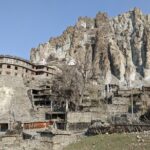
I also like that this itinerary leans into culture, not just scenery. The early and middle days are tied to villages associated with Gurung communities and other local groups you pass through on the trail. Later, you shift into Tibetan-influenced areas, with Mani walls and a different architecture feel. It makes the landscape of people as important as the views of Manaslu and Annapurna peaks.
You can also read our reviews of more tours and experiences in Kathmandu.
Kathmandu start: what the private setup means for your day
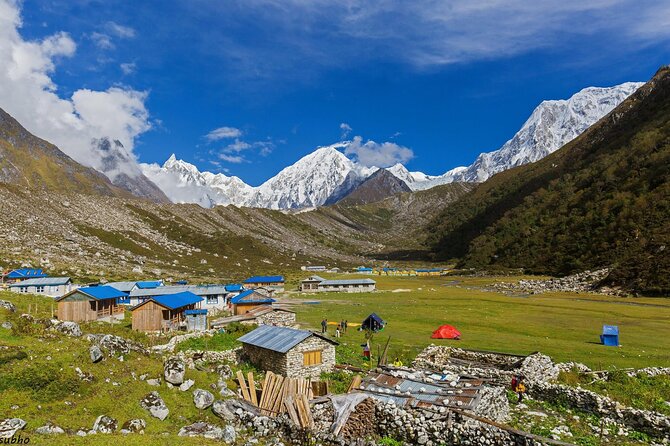
Your trek starts in Kathmandu with a meet-up at Nepal Alternative Treks & Expeditions, Raniban Marg (Post Box 8169). Start time is 7:15am. If pickup is offered for your departure plan, you’ll likely use it to move faster from the city into the overland portion of the journey.
Here’s what I think matters: you’re not just buying a route—you’re buying a plan for getting you moving on Day 1 and getting you back on the last day. This trip includes overland transportation throughout, plus lodge/hotel coverage during the trek (and there’s a small detail to double-check about Kathmandu nights, since the info shows a contradiction—more on that below).
Also, many trekkers don’t realize how much comfort reduces stress early on. Long drives in Nepal can feel tiring fast. Getting the transport organized means you start the trek with your legs intact instead of doing logistics work in your first 24 hours.
Day 1 drive to Machhakhola: a scenic warm-up with the Prithvi Highway work
Day 1 is a long, rewarding transfer that eases you into the region. The route uses the Prithvi Highway from Kathmandu on black-topped road, then gradually climbs and swings through valleys and river corridors.
You’ll go as far as Dhading Bensi, then head toward Gola Bhanjyang, descend to Ankhu Khola, cross the Budhi Gandaki at Arughat, and continue to Sotikhola. After that, you drive onward to Machhakhola, where you sleep.
Why this matters for you: this is your altitude and rhythm training, even though it’s not walking yet. You’ll already see Mount Manaslu and Ganesh Himal in the distance, and you’ll get used to river-bend geography. The itinerary marks this as around a 10-hour drive, so bring patience and plan to treat it like the first day of the trek, not like a pre-trek sightseeing day.
Day 2 to Jagat via Tatopani: forests, river walking, and hot springs
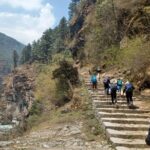
Day 2 begins with a trek to Jagat. You follow the Budhi Gandaki River bank, then ascend through dense forest. The trail threads past sal forest before you reach Tatopani, famous for natural hot water springs. If you want, you can dip—this is the one spot where the body gets a little relief without requiring a detour.
After Tatopani, the trek keeps you near the Budhi Gandaki again until you reach Jagat.
For me, the best part of this day is the mix: river walking gives you a steady feel, while the forest climb breaks up the monotony. For a practical downside: this kind of day can be deceptively tiring because it’s not technically extreme, but you’re still working your legs after a long drive.
Day 3 to Deng: dense forest, rare wildlife vibes, and village-to-village trekking
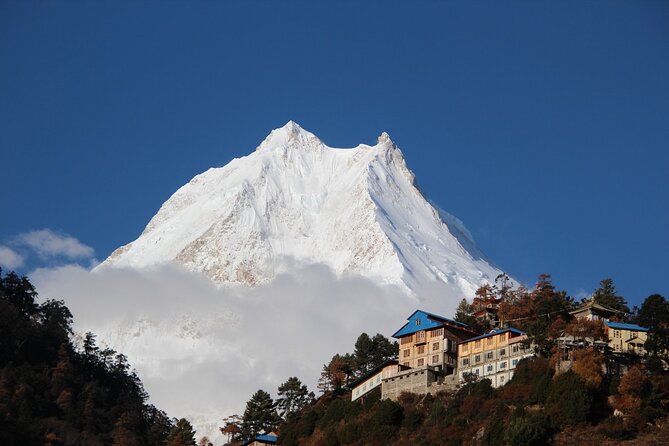
Day 3 moves you toward Deng after your permits are approved. The route is described as dense tropical forest with frequent Budhi Gandaki trekking. You pass through villages like Bhatti Khola and Philim, then cross bamboo forest over the river to reach Deng.
This is one of those days where you can feel the “less-traveled” character of the Manaslu Circuit. The trail goes through habitat-rich forest, and the overall vibe is quieter than busier trekking corridors.
Potential consideration: forest trails can hide uneven footing. In wet seasons, that can mean slippery rocks and muddy sections. Go slow, watch the ground, and let your breathing set the pace.
Day 4 to Namrung: suspension bridges, uneven ground, and a landslide-prone segment
Day 4 continues through suspension bridges and uneven trails to Bihi Phedi, then onward to Ghap, and finally to Namrung.
There’s one flagged section: the trail from Ghap is described as dangerous and prone to dry landslides. That doesn’t mean you’ll be scared the whole time, but it does mean you should take it seriously—listen to your guide’s timing, choose the stable side of the path, and don’t rush.
This day is also where the village culture becomes more varied. You pass several Magar villages on the way to Namrung, which helps you understand the mix of ethnic communities you’ll meet around the Manaslu region.
Day 5 to Lho: the Tibetan-culture shift starts showing up for real
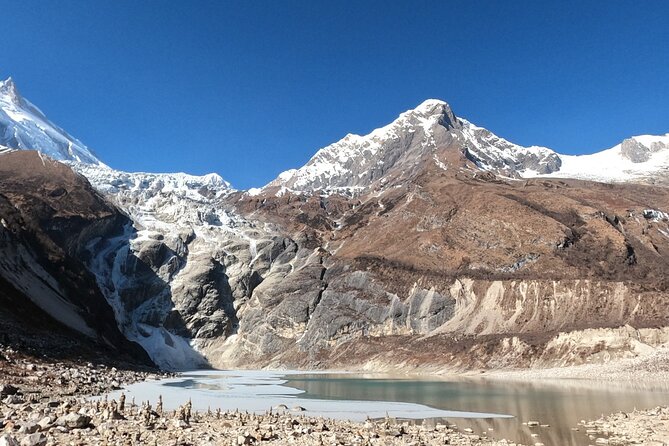
On Day 5, the trek gains altitude and you can start seeing clear changes in vegetation and culture. You enter Tibetan cultured areas as you move from Namrung toward Lho.
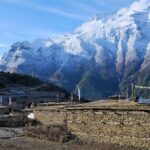
You’ll trek through Mani walls and stone houses, and along the way you get strong views of big peaks—specifically Mount Manaslu (8163m) is called out in the plan.
This is also a good day for mental adjustment. The environment starts looking more “high and sacred” than tropical. If you’re the type who enjoys details, you’ll probably find yourself watching for prayer flags, wall patterns, and the way locals build and live at elevation.
Day 6 to Sama Gaon: pine and rhododendron forests with the Manaslu view staying close
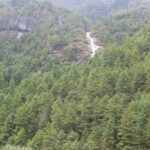
Day 6 is a climb toward Sama Gaon. The route goes through pine and rhododendron forests, and the Manaslu view stays with you for stretches.
It’s marked as about 5 hours. You’ll feel the altitude more today than earlier days, mainly because this is more sustained walking time in higher terrain.
Day 7: the best kind of rest day in trekking terms
You rest in Sama Gaon on Day 7, which is exactly what you want before the higher and drier days ahead. After breakfast, you explore and interact with villagers, then hike to Pung Gyan Gompa for views over Manaslu and nearby ranges.
This matters for your body and your head. A rest day that includes a short, guided movement helps you absorb altitude rather than forcing you to “do nothing.” In the evening, you can interact locally and try local foods.
Day 8 to Samdo: barren high terrain begins, with the Budhi Gandaki thinning out
On Day 8 you continue trekking toward Samdo. The itinerary notes the pine forest becoming sparser, vegetation disappearing, and the land turning barren.
You’ll walk about 4 hours along the banks of the reduced Budhi Gandaki River, with Mount Manaslu still visible. This is a day that can feel like walking through a different planet.
Practical consideration: in barren terrain, you’ll feel temperature swings more. Wind can be louder too. Start early if possible (your guide will manage timing), and don’t underestimate how quickly you get cold when you stop.
Day 9 to Dharmashala: rocky trail, suspension bridge, and bigger peak silhouettes
Day 9 is a westward push with strong views toward peaks like Naike and Pangbuche. After breakfast in Samdo, you cross a suspension bridge and keep going on uneven, rocky terrain.
You reach Dharmashala after about 5 hours. The route includes views of Manaslu plus the Himal Chuli range.
This is also where mental preparation for Day 10 starts. You’re not just walking; you’re setting yourself up for the pass day by learning how your legs respond to cold, wind, and rocky footing.
Day 10: Larkya La Pass day (the one you’ll remember)
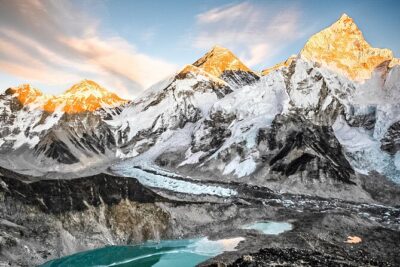
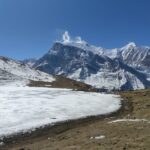
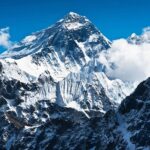
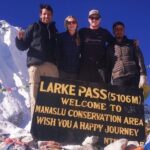
Day 10 is the showpiece. The trek is described as one of the most challenging and exciting parts of the circuit. You’ll move through barren, remote terrain, with strong views of Mt. Manaslu (8163m). Then you climb up to Larkya La Pass, which is listed in the overall description around 5,106m, while the day’s plan references 5,160m. Either way, you’re dealing with the kind of altitude that forces respect.
From the top, you get views of Larkya, Mansiri, Cheo, and Himlung Himal ranges. After that, you descend with a panoramic view of mountains and glaciers to Bimthang.
A practical note: this is where acclimatization and pacing pay off. Even if the pass itself is the headline, what makes it succeed is your management of effort during the climb, plus how your guide handles timing around conditions.
One more comfort point: the program includes oxygen meter support, first aid, and emergency evacuation assistance. That doesn’t replace good decision-making on the trail, but it does mean the trip has infrastructure behind it.
Day 11 to Dharapani: pine and rhododendron forests bring you back toward comfort
Day 11 takes you from Bimthang to Dharapani. The itinerary describes it as a more comfortable day compared with the last few. You descend through pine and rhododendron forests, and snow-capped mountain views continue along the way.
It’s about 7 hours. This kind of day is mentally tricky for some people because you feel better, then your knees quietly complain. Take short breaks, keep a steady downhill rhythm, and don’t turn this into a speed day.
Day 12: jeep to Besisahar, then bus back to Kathmandu
Your final day goes downhill in the literal and logistical sense.
After breakfast in Dharapani, you take a jeep to Besisahar (about 4 hours). You drive through hills and villages with terraced fields and typical Nepali houses. Then you board a bus back to Kathmandu. The drive is described as about 4 hours along the Prithvi Highway and alongside the Trishuli River, plus an additional segment to join the highway, for a total travel day of about 9 hours.
You’ll likely be tired by the end. That’s normal. The good part is you’re not dealing with complicated connections—transport is handled as part of the plan.
Permits, permits, permits: what’s covered and what you should verify
This trek requires multiple permits. The package includes MCAP, ACAP, Local Entry fee, and Manaslu Special permit. It also includes a trek map, duffle bags, first aid, and water purification.
I’d still do one quick verification before you go: confirm how your Kathmandu lodging nights are handled. The info provided shows “Hotel accommodation in Kathmandu” in one place as included and then also listed as not included. That contradiction is small, but it’s the kind of thing that can turn into an avoidable surprise. A quick email can clarify it fast.
The value question: is $960 for 12 days fair?
At $960 per person for a private 12-day circuit, the value depends on what you’re trying to buy: time, stress reduction, and support at altitude.
Here’s what the price includes that often costs extra when you plan on your own:
- Guide and required porters, including their expenses
- Permits and local fees (including the Manaslu Special permit)
- Lodge accommodation during the trek
- Meals: 12 breakfasts, 11 dinners, and 12 lunches (as listed)
- Overland transportation across the Kathmandu-to-trail stretch and the return
What’s not included (and you should budget for):
- Travel insurance
- Tips for guide/porters
- Hot water/hot shower, and soft drinks/tea/coffee and alcohol
- Hotel accommodation in Kathmandu, if your specific arrangement treats it as not included
When I think of value, I weigh the pass day. Larkya La Pass is not a “just walk and hope” situation. You’re paying for competence, coordination, and safety infrastructure: professional team coverage plus emergency evacuation support. In a shared trek story tied to this company, a helicopter rescue became necessary for a participant who couldn’t finish—proof that emergency response is not just a brochure line.
Guides and teamwork: why names matter on a trek this hard
A trekking company is only as good as the people you’re actually walking with. In this case, the operator has a track record of professionalism in communications and on-trail management, with guides named like Laxman, Sanjay, Nauser, and Kumar, plus team members like Brian and porters such as Yugal.
A recurring theme in shared experiences is quick communication before departure and a briefing that helps you connect with the team early. That’s not fluff. It affects how smoothly your gear gets handled, how you understand day timing, and how confident you feel when weather changes.
Also, this is a private tour. You’re not sharing your pace with random strangers. Your guide and porters support only your group, so questions and adjustments happen faster.
Safety and altitude: what this itinerary does well, and what you must do
This is moderate physical fitness territory, but altitude is the real boss here. The itinerary builds in:
- A rest/acclimatization day in Sama Gaon
- Longer climbs separated by structured days and lodge stops
- A staged descent after the pass to Bimthang and then further down to Dharapani
You still need to do your part:
- Stay hydrated (water purification is provided, but you still drink)
- Keep your pace conservative on climb days
- Tell your guide immediately if you don’t feel right
If storms hit, the trip is described as weather-dependent. Your operator would offer a different date or a full refund if canceled due to poor weather. For you, that means planning flexibility is a real advantage.
Who should book this Manaslu Circuit trek
This trek fits best if you:
- Want a challenging but guided circuit with a clear climax at Larkya La Pass
- Care about cultural shifts between Gurung community areas and Tibetan-influenced villages
- Prefer a private group with a guide and porters managing the heavy lifting and logistics
You might want to think twice (or choose a different pace) if:
- You’re hoping for an easy stroll with minimal altitude exposure
- You hate cold mornings and potentially windy pass conditions
Should you book? My decision guide
If you’re choosing between doing Manaslu with a supported team versus running it on your own, I’d lean toward booking this private plan. The combination of permits, transport, meals, oxygen meter and water purification, and a pass-focused schedule is the difference between a trek you manage and a trek you fight.
Before you pay, do two quick checks:
- Confirm exactly what Kathmandu lodging includes for your dates (there’s a small contradiction in the details provided).
- Make sure your travel insurance is ready, and budget for hot drinks and tips since those aren’t included.
If you’re prepared for a real high-altitude circuit day and you want authentic villages plus a meaningful gompa visit, this is a strong choice.
FAQ
What is the duration of this Manaslu Circuit trek?
The trip is listed as 12 days (approx.).
What is the highest point on the trek?
The trek highlights the Larkya La Pass, listed around 5,106m in the overview and described as about 5,160m on the pass day.
Is this a private trek?
Yes. It’s described as a private tour/activity, so only your group participates.
What’s included in the $960 price?
The package includes Kathmandu and trek lodge accommodation (with one detail to confirm for Kathmandu nights), permits and entry fees (MCAP, ACAP, local entry, and Manaslu Special permit), a professional guide and required porters with their expenses, trek map, oxygen meter, duffle bags, first aid, water purification, overland transportation, public liability insurance, emergency rescue evacuation assistance, and meals (12 breakfasts, 11 dinners, 12 lunches as listed).
What isn’t included?
Not included are travel insurance, tips for guide/porters, and items like table drinks (tea/coffee), alcohol, hot water, and hot showers. Hotel accommodation in Kathmandu is also listed under not included, so verify your specific arrangement.
Where does the trip start and when?
The meeting point is Nepal Alternative Treks & Expeditions in Raniban Marg, Kathmandu, and the start time is 7:15am. The trip ends back at the meeting point in Kathmandu.