REVIEW · SA PA
Sapa: Muong Hoa Valley View & Villages Trek with Local Guide
Book on GetYourGuide →Operated by ASu Sa Pa Trekking Tour · Bookable on GetYourGuide
Rice terraces and village paths, guided end to end. I love the Fansipan viewpoints and how Su turns the trek into real context for Black Hmong life. The one catch: this is a medium-hard hike, and in wet weather the downhill sections can be slick and slippery.
What makes it special is that you’re not just walking past pretty scenery. You drop into Hau Thao and Hang Da, watch daily routines, and (when timing lines up) see farm work like planting or harvesting. Just go in ready for a long day on foot: 14–16 km, with changing weather and a strong focus on hiking.
In This Review
- Key points before you go
- From Sapa’s main church to Sa Seng Mountain views
- Muong Hoa Valley: rice terraces, river views, and a lot of walking
- Hang Da village stop: Black Hmong daily life plus farm animals
- Lunch with a local family: filling, personal, and real
- Hau Thao and Muong Hoa village: watching farm work when timing lines up
- Fansipan and Sapa views: how to get the best photos without wrecking your day
- Difficulty, weather, and safety: plan for wet days
- Price and value: is $19 worth it?
- Culture and ethics on the trail: how to handle village selling moments
- What to bring (and what to leave)
- Who should book this trek (and who should skip)
- Should you book the Muong Hoa Valley view and villages trek?
- FAQ
- Where do I meet the guide?
- How long is the trek?
- How difficult is it?
- What does the itinerary include?
- What’s included in the price?
- What language does the guide speak?
- What should I bring?
- Is there anything I should not bring or do?
- Who should not book?
Key points before you go
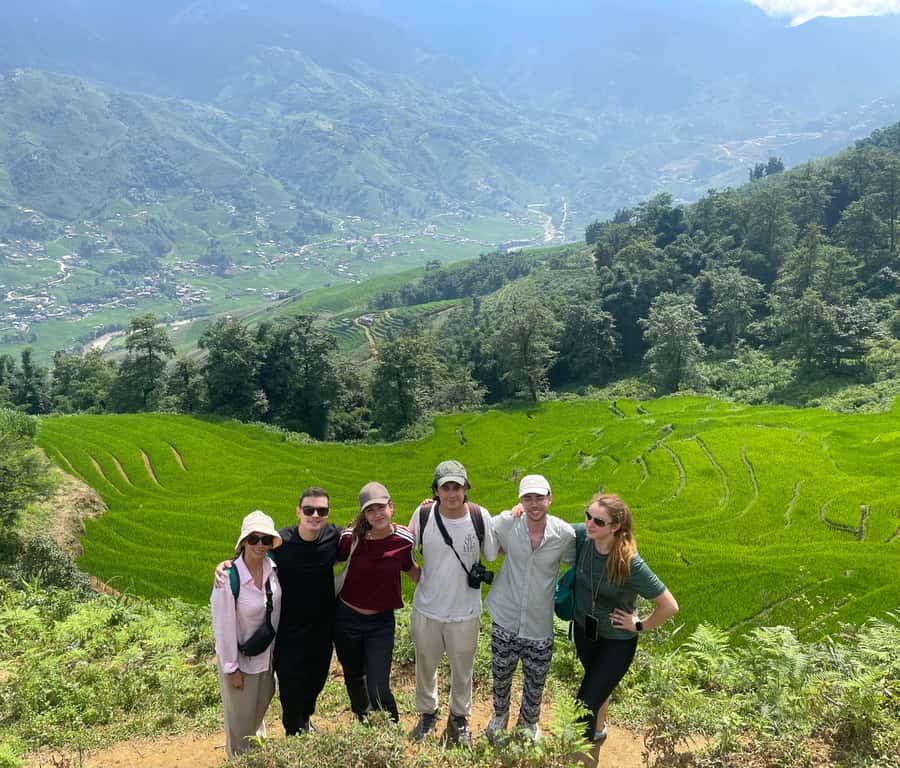
- Fansipan + Sapa viewpoints early on, before the trek settles into valley and village walking
- Muong Hoa rice terraces and river/valley views that show why this region is famous
- Black Hmong villages on the trail: Hang Da, Hau Thao, and Muong Hoa village stops
- Animals in the villages like buffaloes, cows, and pigs along the way
- Lunch with a local family in a small local spot, not a tourist set menu
- English-speaking guide Su who sets a pace for the group and explains what you’re seeing
From Sapa’s main church to Sa Seng Mountain views
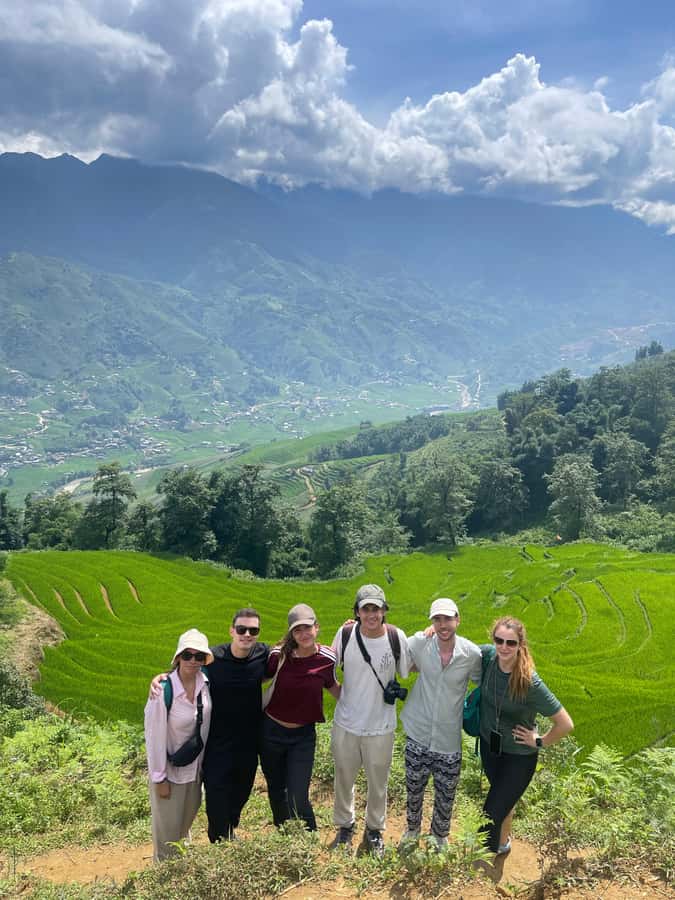
Most days start at the main church in Sapa. You meet your guide there, get a short intro, then begin with a climb along a small trail. The big reason to start early is the first payoff: after about 2.5 km uphill, the views open up.
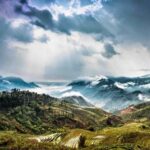
This first stretch is where you get that first real sense of scale—Fansipan Mountain in the distance and a look down toward Sapa town. Even if clouds move in later, that early window often gives you at least some clear moments. And because the trek quickly transitions from high viewpoints into valley walking, you feel like you’re moving through Sapa’s terrain instead of just circling around it.
A practical note: the route is described as uphill at the start and then down through villages. If you’re hoping for a relaxed stroll, you’ll want to reset expectations now. This is a working hike day.
You can also read our reviews of more tours and experiences in Sa Pa.
Muong Hoa Valley: rice terraces, river views, and a lot of walking
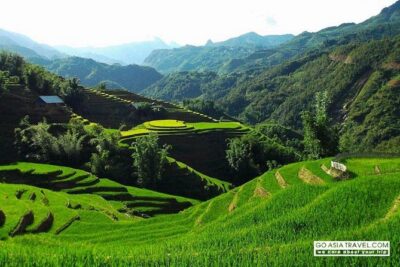
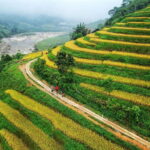
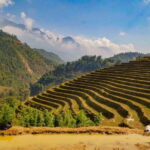
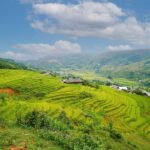
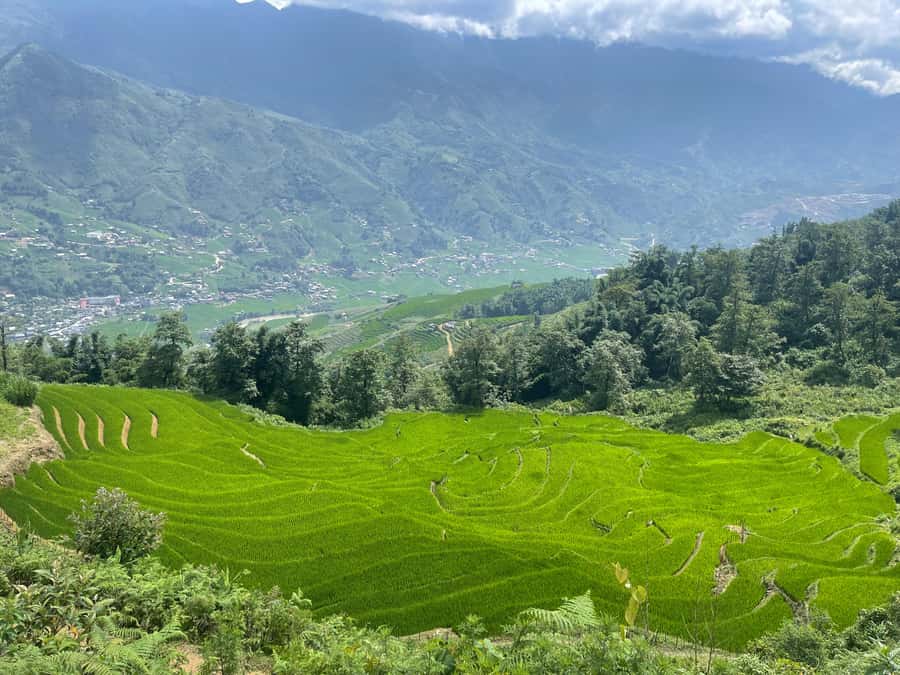
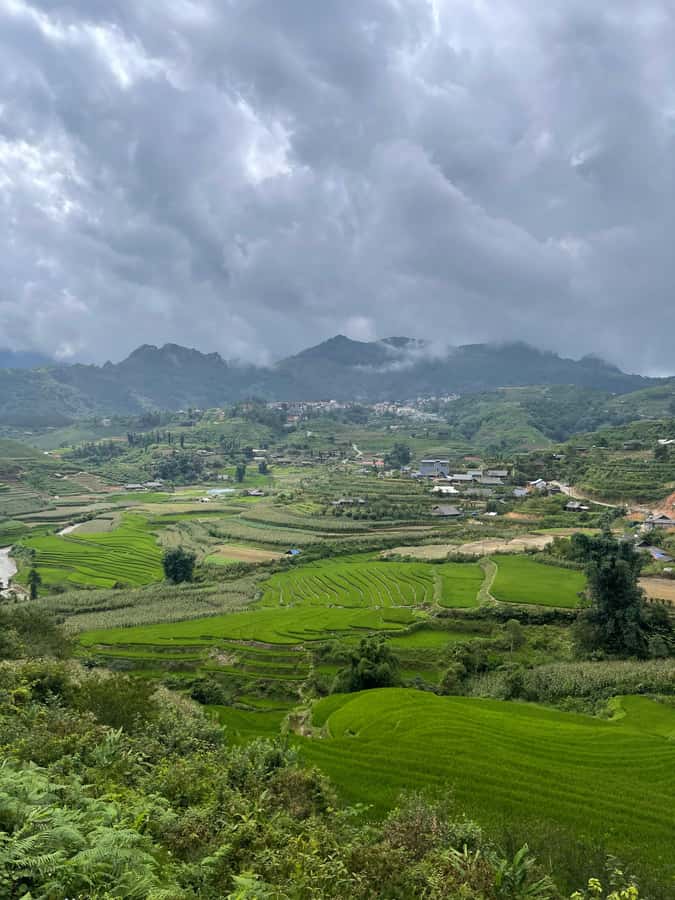
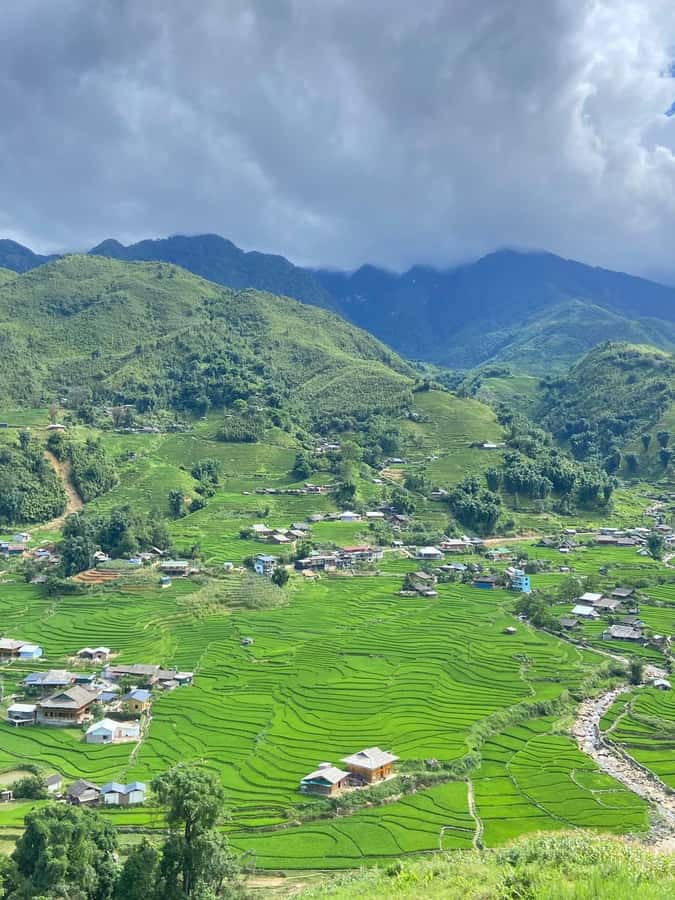
After the first viewpoint, the trek heads toward the famous Muong Hoa Valley. This is the heart of what people come to Sapa for: the stepped rice terrace fields and long sightlines across the valley.
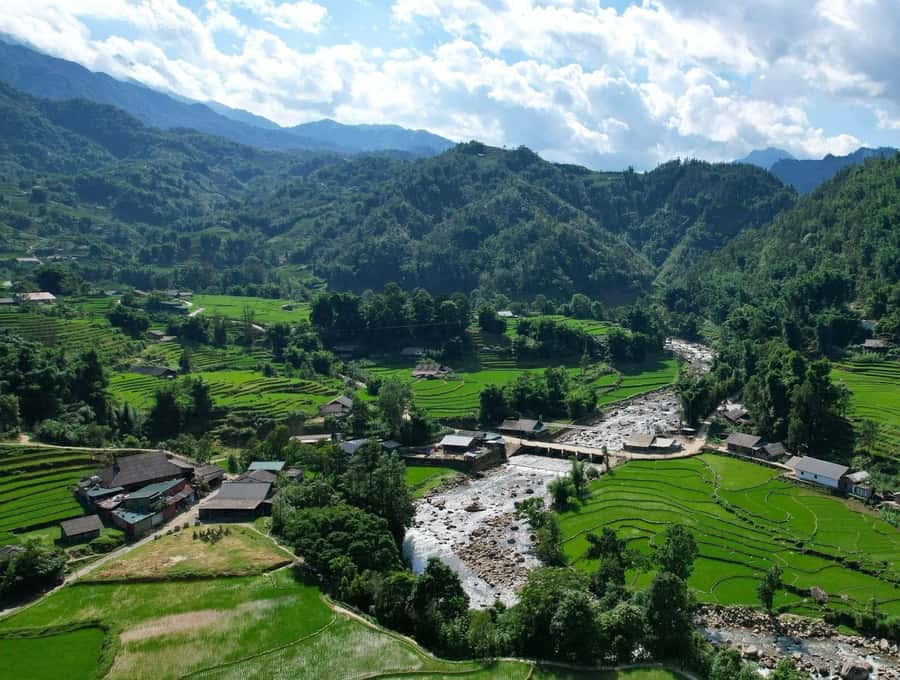
You’ll see the terraces from where you can appreciate their shape—how they stack along hillsides and how they connect to the valley’s water system. The tour also emphasizes the river and valley as a whole, which matters because terraces here aren’t just decoration. They’re part of how families farm, feed livestock, and live with the mountain terrain.
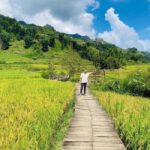
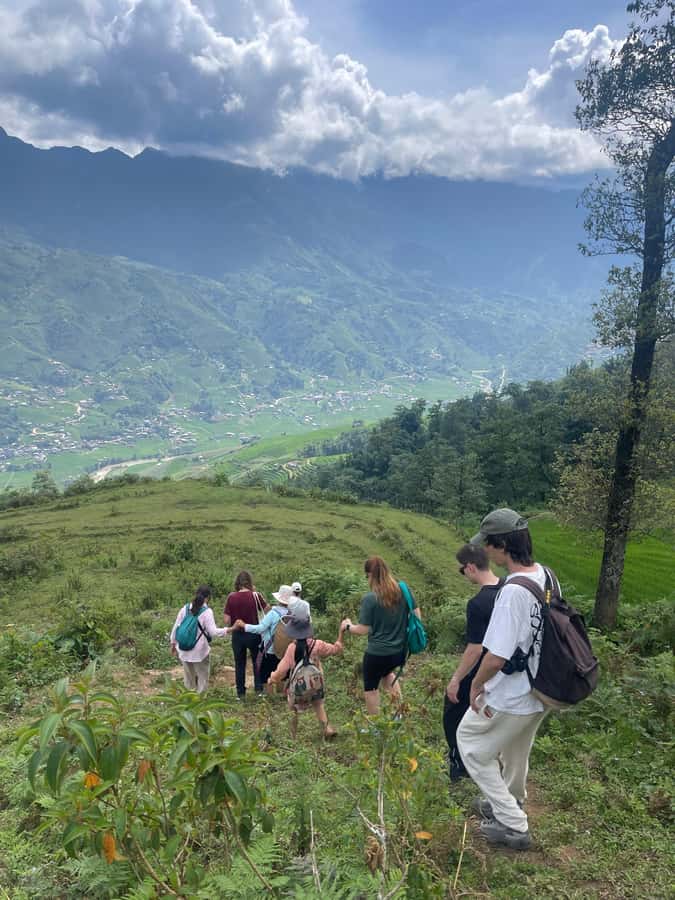
You’ll keep walking after these terrace moments. The plan is to continue along the mountainside down toward Hang Da. That downhill walking is where your footwear choice matters most.
Hang Da village stop: Black Hmong daily life plus farm animals
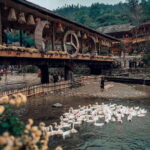
Next up is Hang Da, a village of the Black Hmong minority. This isn’t described as a quick photo stop. You walk through the area as part of the route, and the tour is set up so you can learn about everyday life rather than only snap pictures.
One of the concrete details you’ll notice: farm animals. Along the way, the route includes seeing buffaloes, cows, and pigs. That sounds basic, but it’s actually helpful. When you can see livestock in context, you understand that these villages run on routines that don’t stop just because tourists arrive.
This section is also a good reminder that the trek’s challenge changes by day. If it’s been raining, the trail can be muddy and slippery. If it hasn’t, expect firmer footing but still plenty of uneven ground.
Lunch with a local family: filling, personal, and real
After Hang Da, it’s time to eat. Lunch is included and served at a small local restaurant run by a local family.
What I like about this setup is that lunch isn’t treated like an add-on or a timed sprint. It’s placed right after a village section, so you get a natural pause before the next village walks. You’ll also appreciate it more because you’ve already seen rice terraces and daily routines—food tastes better when you understand what you’ve been walking through.
If you’re the type who worries about veggie options or dietary needs: the tour doesn’t list specifics here, so you’ll want to ask when you confirm details on WhatsApp.
Hau Thao and Muong Hoa village: watching farm work when timing lines up
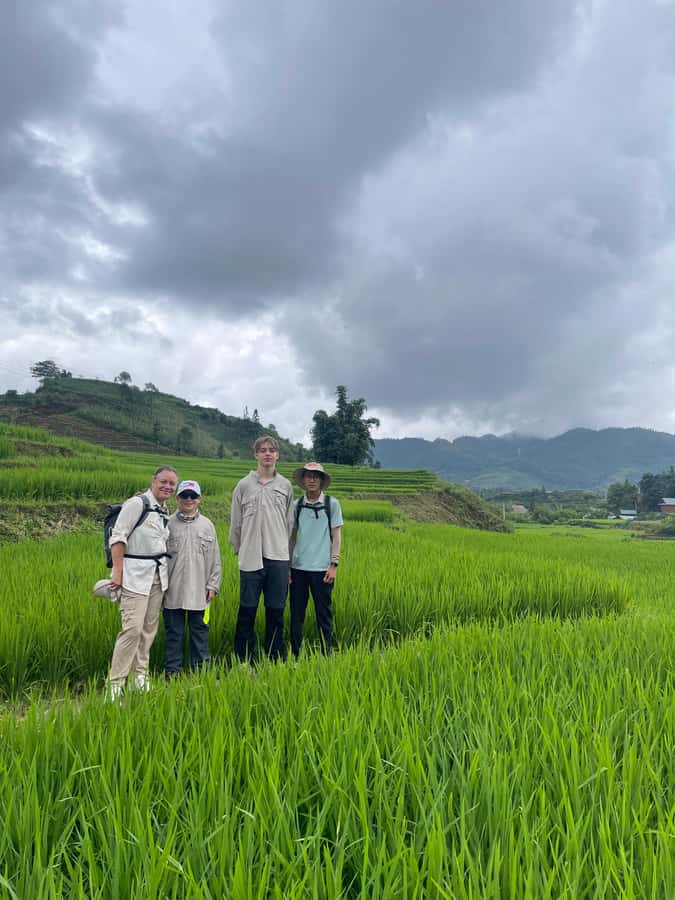
Post-lunch, you head back down by a little road to Hau Thao (another Black Hmong village), and then onward to Muong Hoa village. This part of the day is built around connecting the dots between the views and the people who work them.
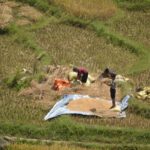
The tour emphasizes daily life. If the timing is right, you may see local people working in the fields—examples given include harvesting or planting rice. That’s the kind of moment that makes a trek feel purposeful, because you’re not only looking at terraces; you’re seeing how people keep them going.
Expect more uneven paths and village walking. This is also where your energy management matters. Bring snacks, take a water break when you can, and don’t treat the second half like the first half.
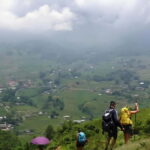
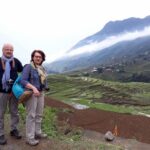
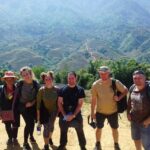
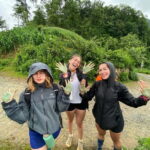
Fansipan and Sapa views: how to get the best photos without wrecking your day
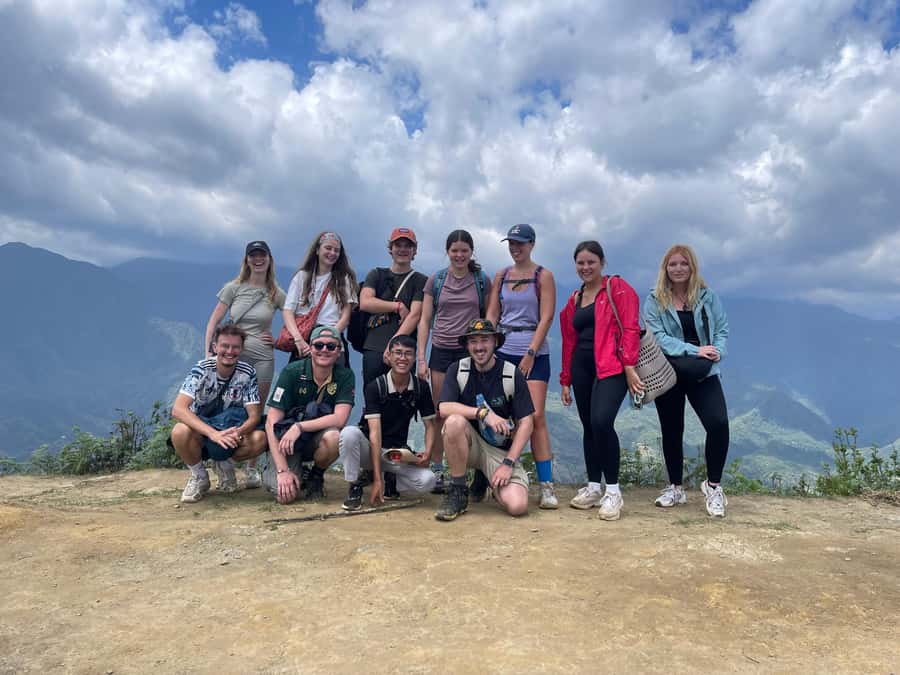
You’ll get standout views early (Fansipan and Sapa town after that uphill hike), and you’ll also see big terrace and valley panoramas later. If you’re chasing photos, here’s the practical way to do it:
- Take your first set of photos during the early viewpoint window when the slopes are fresh and less slippery.
- In the terrace areas, keep shots moving—don’t stop for long if footing is wet.
- Bring a hat and sunscreen. In Sapa, cloud cover can trick you into thinking you’re safe, and then the sun comes back.
The tour includes a 500ml water bottle per person, but it doesn’t replace the need for your own snacks and a little buffer in case the pace slows.
Difficulty, weather, and safety: plan for wet days
The trek is listed as 12–14 km in the overview, but also described as 14–16 km in the important info. Either way, you should treat it as a longer day hike.
It can be challenging, especially in wet weather. The most repeated practical warning is about slick descents. If it’s rainy, slippery paths can make the downhill segments feel harder than they look on a map.
Here’s the good part: the guide is set up to adjust. Your guide (Su) is described as pacing to the group and the weather, with encouragement during tougher parts. You also get help with feeling safe and supported on the difficult sections.
Still, safety starts with you. Wear comfortable, non-slip shoes and pack for mud.
Price and value: is $19 worth it?
At $19 per person, this is strong value if you care about the whole experience chain, not just a view.
You’re getting:
- An English-speaking guide (Su)
- Lunch at a local family-run spot
- Entrance fees to the villages
- Transport back to Sapa at the end of the tour
- 1 water bottle (500ml) per person
For a day that runs until around 3:30 PM, plus a long hike, the included lunch and guide work are the real value drivers. The entrance fees and transport also reduce the hidden add-ons you often see with cheaper tours.
The only way it’s not worth it is if you’re looking for something easy and short. This is a long, walking-heavy day, and it’s not built for people who need minimal uneven ground.
Culture and ethics on the trail: how to handle village selling moments
There’s a real-world moment after lunch that’s worth discussing. After eating, you may be accompanied by a young girl and a woman who try to sell items. The tour notes this isn’t part of the tour itself, but it happens in the flow of the day.
My practical advice: don’t turn it into a cash transaction with children. The issue raised is child labour, and the harm is that giving money can keep the cycle going. If you want to support families, focus on how the interaction is handled and avoid encouraging situations that place kids in a hard position for long hours.
A simple mindset helps: treat it like you’re entering a community’s day, not picking up souvenirs and tipping your way out.
What to bring (and what to leave)
You’ll be happiest if you pack for comfort and weather changes.
Bring:
- Comfortable shoes with grip
- Hat, sunscreen
- Camera
- Snacks
- Water (you get a bottle, but extra helps)
- Any layers you use when the weather flips
Also note what’s not allowed:
- No smoking
- No plastic bottles
- No littering
That plastic bottle rule is easy to miss. Even though the tour provides a water bottle, I’d bring a reusable bottle or skip carrying anything you’d have to swap for plastic.
Who should book this trek (and who should skip)
This tour is a good fit if:
- You want a real walk through Muong Hoa Valley and Black Hmong villages (Hang Da, Hau Thao, Muong Hoa village)
- You like learning from a guide who explains what you’re seeing, with English support
- You’re okay with a longer hike and uneven ground
- You’re interested in farm life moments, especially when planting or harvesting is happening
It’s not suitable for:
- Pregnant women
- People with back problems
- People with mobility impairments
- People afraid of heights
- People with a cold
- People with altitude sickness
If any of those apply, don’t try to “tough it out.” Mud and downhill slips can make the day uncomfortable fast.
Should you book the Muong Hoa Valley view and villages trek?
Yes—if you want a value-packed day that connects big views (Fansipan and Muong Hoa terraces) to human details (Black Hmong daily life, village routines, animals, and lunch with local people). The guide quality matters here, and Su is repeatedly praised for pacing, clear English, and thoughtful explanations.
Skip it if you want a short or easy nature walk. This is a long hike with potential mud, and your best day comes when you prepare for the downhill and keep your footing under control.
If that sounds like you, book it and plan to spend the day walking like a local: slow when you need to, stop when it’s safe, and enjoy the villages as part of the journey—not just a background for photos.
FAQ
Where do I meet the guide?
You meet your guide in front of Sapa’s main church. The guide messages you before you come to confirm details and updates, typically via WhatsApp.
How long is the trek?
The trek is described as 12–14 km in the overview, and 14–16 km in the key information. Plan for a longer hiking day.
How difficult is it?
It’s described as medium-hard and can be challenging, especially in wet weather. The downhill sections can become slippery, so non-slip shoes help a lot.
What does the itinerary include?
You’ll hike uphill to mountain and Sapa town views, then walk through the Muong Hoa Valley rice terraces area, visit Hang Da, have lunch, then continue to Hau Thao and Muong Hoa village. The day ends back at the meeting point around 3:30 PM.
What’s included in the price?
Included are an English-speaking guide, lunch at a local family-run restaurant, entrance fees to the villages, transport back to Sapa after the tour ends, and 1 water bottle (500 ml) per person.
What language does the guide speak?
The tour lists English and Vietnamese.
What should I bring?
Wear comfortable walking shoes and bring a hat, camera, snacks, sunscreen, and water.
Is there anything I should not bring or do?
Smoking, plastic bottles, and littering are not allowed.
Who should not book?
It’s not suitable for pregnant women, people with back problems, mobility impairments, people afraid of heights, people with a cold, people with altitude sickness.