REVIEW · KATHMANDU
12-Day Nepal Adventure Trek with Jungle Safari
Book on Viator →Operated by Outfitter Himalaya Holidays P. Ltd · Bookable on Viator
Nepal hits different when it’s paced for real views. This 12-day Nepal Adventure mixes UNESCO-style Kathmandu heritage, an Annapurna intro trek to Poon Hill sunrise, and a Chitwan jungle day with Tharu village culture. I like that the hikes are challenging in a fair, teach-you-what-to-expect way, and I like that the safari side of the trip is more than a drive-and-hope setup. One thing to consider: there’s at least one day with a big elevation push (think 3000 stairs in one go), so you’ll want to show up with decent stamina, even if you’re not a “serious hiker.”
The best part for me is how the trip feels organized without being stiff. With a small group size (max 14) and a local guide working day to day, you’re not left figuring out the rhythm. Guides named Raj and Amrit (and “Ami” in one account) show up repeatedly in feedback, and the tone is consistent: practical help, no rushing, and support when you’re slower than the group.
Finally, the pricing makes sense only if you’re okay with the trade-offs: trekking permits and most meals are included, but entrance fees for Kathmandu sightseeing on Day 2 aren’t, and you’ll be responsible for tips and some optional items like a porter. It’s still good value for a full Kathmandu–Pokhara–Annapurna–Chitwan loop, as long as you budget for the extras.
In This Review
- Key things worth knowing before you go
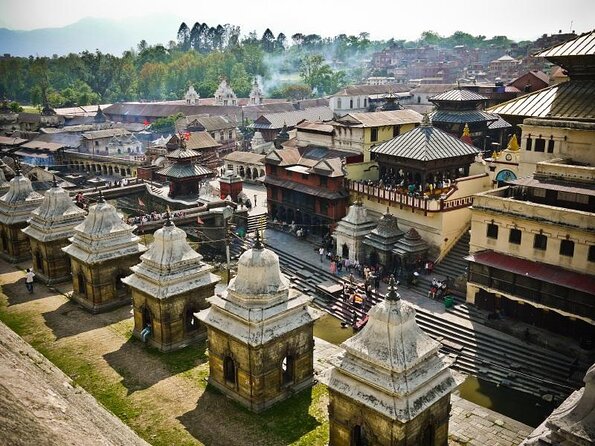
- Kathmandu Heritage Day: Swayambhu, Durbar Square, Boudhanath, and Pashupatinath
- The Road to Pokhara: Scenic drive along Trisuli and Marsyangdi Rivers
- First Trek Day (Tikhedhunga): Nayapul to the climb-in-your-legs start
- Ghorepani (and Ulleri villages): The trail that builds altitude the right way
- Poon Hill sunrise day: a 3232m viewpoint with the big stair challenge
- Ghandruk and the rhododendron descent: when trekking turns calmer
- Syauli bazaar and rice fields: your last trek day into Pokhara
- Chitwan National Park: jungle lodge check-in plus a Tharu village tour
- Full day jungle activities: walking, safari routes, and stick dance culture
- Bird watching, then back to Kathmandu: a calmer finish
- Price and what $950 really buys (and what it doesn’t)
- Guides, porters, and pacing: why the experience feels “handled”
- Who should book this Nepal Adventure trek and who might want to choose differently
- Should you book it? My take
- FAQ
- How long is the Nepal Adventure Trek with Jungle Safari?
- Where does the tour start, and what time?
- What’s included in the trek permits?
- Are meals fully included?
- Are Kathmandu sightseeing entrance fees included?
- Is the tour good for people who aren’t very fit?
- What activities are included in Chitwan?
- Can I get a refund if I cancel?
Key things worth knowing before you go
- A real mix of Nepal: temples in Kathmandu, rice-field trekking in the Annapurna foothills, then Chitwan jungle time
- Poon Hill sunrise is a built-in highlight, with the itinerary timed so you can reach the viewpoint area
- Support for different fitness levels shows up in reviews, including porter help for slower walkers
- Small-group feel (max 14) means less waiting and more flexibility on the trail
- Chitwan isn’t just one safari: you get a full day of jungle activities plus a separate morning bird-watching outing
Kathmandu Heritage Day: Swayambhu, Durbar Square, Boudhanath, and Pashupatinath
You start with a proper Kathmandu welcome: airport pickup and a transfer to your hotel, then a full day of sightseeing across four major sites. This matters because Kathmandu is best understood in chunks. One temple alone can blur together; four stops in one day help you see Nepal’s spiritual “map” quickly.
Here’s what you can expect, in the order you’ll visit:
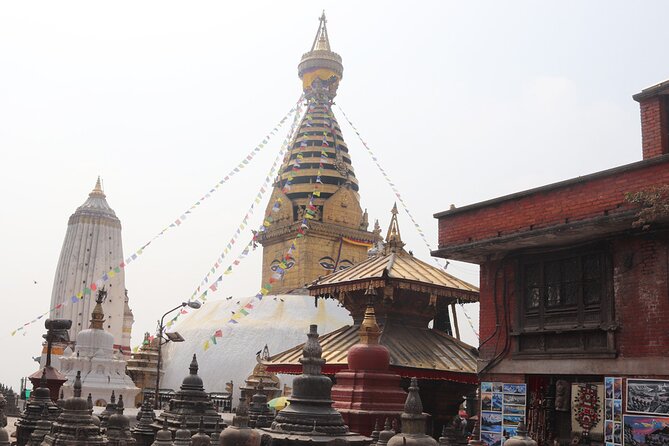
- Swayambhunath (Monkey Temple): the classic hilltop view site. Plan for stairs and time to look around at the stupa and the surrounding lanes.
- Kathmandu Durbar Square: the old royal-square area with historic buildings and courtyards. Give yourself time to walk slowly; it’s more interesting when you browse side streets.
- Boudhanath Stupa: massive, calm, and active. The surrounding area is great for people-watching and noticing how everyday life circles around religion.
- Pashupatinath Temple: a powerful Hindu temple complex. It’s not a “quick photo stop” unless you want it to feel rushed.
A key practical point: admission tickets aren’t included for these Day-2 sights (and the tour lists an estimated $25 per person for entrance fees). That’s worth factoring into your budget early so you’re not doing math at the ticket booth.
You can also read our reviews of more tours and experiences in Kathmandu.

The Road to Pokhara: Scenic drive along Trisuli and Marsyangdi Rivers
Day 3 is one of those “you’ll feel grateful later” days. You leave Kathmandu and drive to Pokhara, and the route follows the Trisuli and Marsyangdi River corridor. In practical terms, it’s a nice shift from city intensity to softer rhythm—less noise, more open views, and a sense you’re really moving toward the mountains and trails.
The drive is about 6 hours. If you’re prone to motion sickness, I’d treat this like an actual road trip: pack what you need (your preferred remedy, water, and something to keep you comfortable). Pokhara sets up the mood for the trek because it’s where the journey starts to feel outdoors, not just sightseeing.
First Trek Day (Tikhedhunga): Nayapul to the climb-in-your-legs start
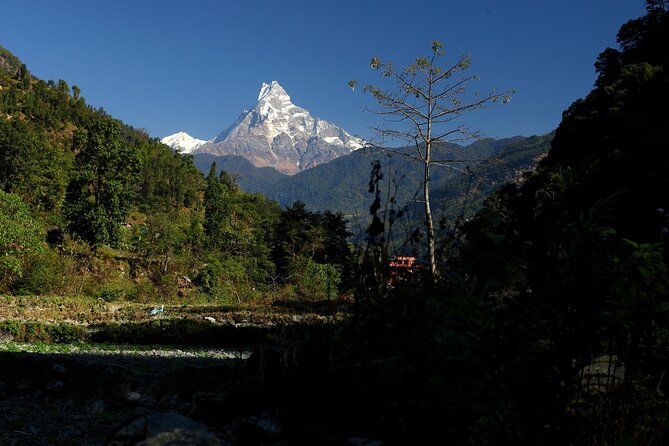
After breakfast, you drive to Nayapul (about 1.5 hours) and then begin the first hike, heading toward Tikhedhunga (1577m). The trail route runs via Birethanti, and the day is scheduled for around 6 hours.
What makes this first trekking day valuable is that it teaches you trail basics before things get steeper. You’re not just walking; you’re learning how the route feels—stone steps, uneven ground, the rhythm of uphill effort, and how your breathing changes as elevation starts building.
If you’re nervous about your fitness level, this day is a good “reality check.” It’s not the hardest day on paper, but it’s enough to confirm what pace works for you.
Ghorepani (and Ulleri villages): The trail that builds altitude the right way
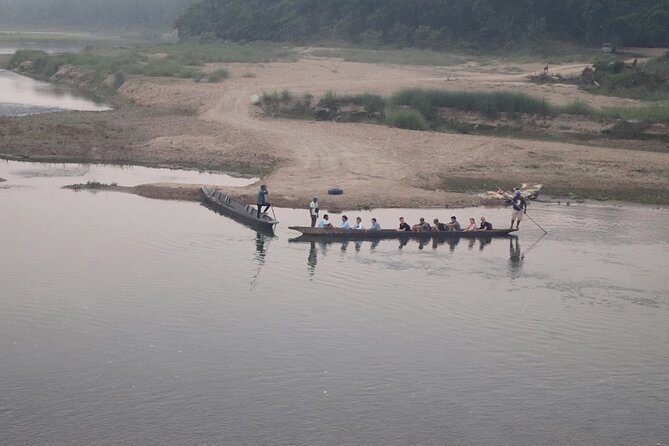
Day 5 is a longer day on the trail, around 7 hours, and it culminates in Ghorepani. You’ll start after a lodge breakfast and then work upward, with a pattern that’s described clearly: steep ascent for the first two hours, then a gentler climb passing places like Ulleri (2070m.) and Banthanti.
This day is important because it’s where you start stacking the “views credit” for later. You’re moving into the Annapurna foothills in a way that feels gradual, but the body still notices. Expect that you’ll arrive tired, not crushed—especially with a guide setting pace.
If you like having structure, this is a good day. The route doesn’t feel random. You can plan your effort: go steady on the initial steep section, keep moving on the gentler stretches, and save strength for the final approach into Ghorepani.
Poon Hill sunrise day: a 3232m viewpoint with the big stair challenge
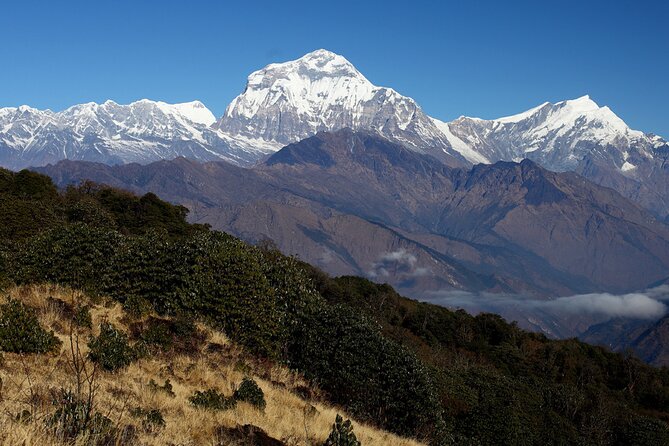
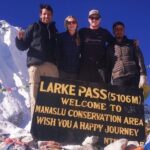
Day 6 is the day you’ve come for: moving from where you slept to Tadapani, with a detour for Poon Hill (3232m.) sunrise views.
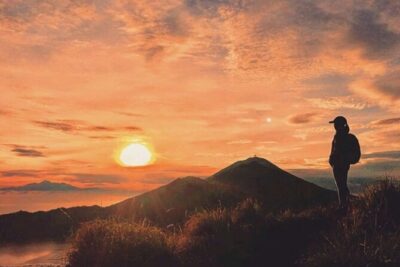
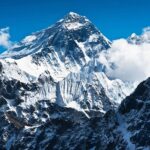
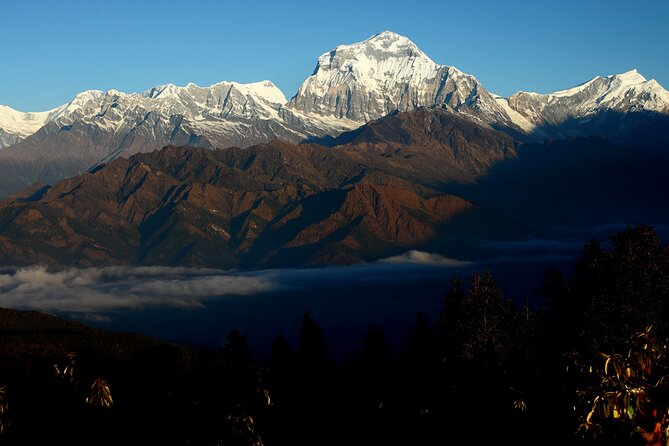
The itinerary gives the reason: you’re aiming at sunrise sightlines over several high peaks, including Dhaulagiri (8167m.), Annapurna I (8091m.), and other named summits visible on the day’s plan. For most people, that’s the “wow” moment that justifies the trek part of the whole trip.
But the tour also comes with a reality check. Reviews point out that there’s a day with extreme elevation gain and preparation for something like 3000 stairs at one go. So here’s your practical takeaway: train your legs a bit before you go. If you can’t train much, then plan a slow, steady pace and don’t chase anyone else’s speed.
The day is listed at about 7 hours, so it’s not a short walk to a viewpoint. Treat it like a full trekking day with sunrise as the emotional reward.
Ghandruk and the rhododendron descent: when trekking turns calmer
On Day 7, you shift to Ghandruk. The scheduled hike time drops to about 4 hours, and the description leans “easy trekking” style: descending gently through dense forests and through plant life like rhododendron and oak.
This is the kind of day you want after a sunrise-heavy trek morning. It gives your body time to recover while still keeping you moving. And in Nepal, the forest sections matter. You’re not only collecting photos; you’re experiencing cool shade, bird sounds, and the slower pace that makes trekking enjoyable instead of punishing.
If your feet get cranky, this is also where you can manage blister risk. Take your shoes seriously here—tighten laces, check for hot spots, and don’t wait until the worst pain shows up.
Syauli bazaar and rice fields: your last trek day into Pokhara
Day 8 is your final trekking day, about 6 hours, and it’s described as easy and mostly descending through rice fields and local villages toward Syauli bazaar, then onward to Pokhara.
This is where the trek starts to feel like a cultural walk. The trail passes by places where people live year-round, and it’s less about climbing and more about enjoying the gradual slope. It’s also a good day to practice “travel brain” instead of “survive brain.” If you’ve been keeping your head down for days, this is when you can look up again.
Once you reach Pokhara, you’re done with the trekking rhythm. You’ll feel it immediately in how the day sounds—less step rhythm, more city-air rhythm.
Chitwan National Park: jungle lodge check-in plus a Tharu village tour
Then comes Day 9: a 6-hour drive from Pokhara to Chitwan, check-in at the jungle lodge, and a wildlife Tharu village tour.
This is a strong contrast day. Instead of mountain air and stone steps, you’re in the lowland where wildlife and insects bring a different kind of energy. The Tharu village component also matters because it keeps the trip from being only “search for animals.” You’re seeing how people connect with the region around the park.
If you’re the type who likes cultural context, this is one of the better ways to do it. You’ll get the human story alongside the wildlife story.
Full day jungle activities: walking, safari routes, and stick dance culture
Day 10 is built as a full day of Chitwan action. The activities listed include:
- Jungle walking
- Jungle safari across streams and into the jungle
- Tharu cultural stick dance (a named highlight on the schedule)
Here’s what I like about this structure: it separates “animal time” from “experience time.” Even if you don’t see every species you hope for, you still get to move through the habitat and learn how the environment works. Jungle walking can be more revealing than a vehicle drive in some cases, since you notice tracks, sounds, and small moments you might miss from a seat.
And the stick dance is a reminder that this is a cultural region, not a theme park. The day is designed to give you both.
Bird watching, then back to Kathmandu: a calmer finish
On Day 11, the morning is dedicated to bird watching, then you drive back to Kathmandu and check into your hotel. That “bird” piece is a nice fit with the Chitwan setting because it changes the lens. Instead of focusing only on larger animals, you shift to smaller life signs—often where skilled guides help you spot what you’d miss alone.
The day is practical: you get morning nature time, then you travel back and reset for departure. Day 12 is the wrap-up—tour ends after your return plans.
Price and what $950 really buys (and what it doesn’t)
At $950 per person, this tour is aimed at being a full Nepal sampler: Kathmandu heritage, Annapurna Poon Hill trek, and Chitwan jungle time, all stitched together with transport and guides.
What’s included:
- 11 nights of accommodation
- Airport transfers
- Local guide throughout
- Transport by tourist bus between Kathmandu, Pokhara, and Chitwan
- Trekking permits and TIMS permit
- Meals listed as 11 breakfasts, 7 lunches, 6 dinners
That’s real value, because permits and transport add up fast, and trekking logistics can be a headache when you’re doing it solo.
What’s not included (budget this):
- Nepal entry visa fee
- Travel insurance
- Meals not listed in the schedule
- Alcohol and sweet snacks like chocolate
- International airfare
- Tips for guide/porter/driver
- Trekking porter if you need one
- Entrance fees for Day-2 sightseeing (listed as $25 per person)
My advice: treat the $25 sightseeing entrance fee and tips as part of the real trip cost. If you go in with that mindset, the overall value feels solid.
Guides, porters, and pacing: why the experience feels “handled”
The tone in feedback is consistent around the people running the trip. Names like Raj, Amrit Sapkota, Ami, and Saroj show up in positive notes about being professional, helpful, and attentive.
Two things this matters for on your trip:
- Your pace matters. If you’re not the fittest person in the group, the trek can still work. Reviews specifically mention accommodation for slower walkers, including porter support assigned to stay with someone through the trek.
- You’re not left to guess. From airport pickup to guide-led sightseeing to trek support, the trip is set up so you rarely wonder what happens next.
Also, accommodations are described as basic but clean, and food is described as plentiful and good. That’s exactly what you want on a trek: simple, reliable fuel and sleep without drama.
Who should book this Nepal Adventure trek and who might want to choose differently
This tour fits best if you want:
- One organized two-week Nepal circuit instead of piecing together Kathmandu, trekking, and Chitwan separately
- An Annapurna intro trek (Poon Hill) without committing to a longer, higher-altitude grind
- A mix of culture and nature: temples, villages, Tharu culture, jungle walking, safari time
- A small group where you’re not constantly waiting on huge crowds
It might not be your best choice if you:
- Have very limited stamina for the stair-heavy elevation day
- Want a totally customized itinerary with no group pacing at all
- Expect every major expense to be included (entrance fees, tips, visa, insurance, and international flights are on you)
Should you book it? My take
If you want a Nepal trip that’s well organized and doesn’t leave you scrambling, I think this one is a strong bet. You’re getting the big three components—Kathmandu culture, Poon Hill mountain sunrise trekking, and Chitwan wildlife/nature time—without the stress of planning each piece.
My main caution is simple: take the trek seriously. Train your legs a little, pack smart for foot care, and accept that one day may ask for big stair effort. If you do that, you’ll likely feel the tour’s biggest strength: guides who keep the experience moving and help you finish what you came for.
FAQ
How long is the Nepal Adventure Trek with Jungle Safari?
It’s scheduled for 12 days (approx.) and includes 11 nights of accommodation.
Where does the tour start, and what time?
The meeting point is Tribhuvan Airport, Kathmandu, Nepal, with a start time listed as 6:15 am.
What’s included in the trek permits?
The tour includes trekking permit and TIMS permit.
Are meals fully included?
Breakfast is included for 11 days, lunch for 7 days, and dinner for 6 days. Meals not stated in the itinerary are not included.
Are Kathmandu sightseeing entrance fees included?
No. The Day-2 sightseeing places have entrance fees not included, with an estimated cost of $25 per person.
Is the tour good for people who aren’t very fit?
The tour is described for travelers with a moderate physical fitness level, and support like porter help may be available for slower walkers. Still, expect at least one demanding elevation day.
What activities are included in Chitwan?
You get a Tharu village tour, plus a full day of jungle walking and jungle safari activities, and a Tharu cultural stick dance. There’s also a morning bird-watching tour.
Can I get a refund if I cancel?
You can cancel up to 3 days in advance of the experience for a full refund. If you cancel less than 3 days before the start time, the amount paid is not refunded.