REVIEW · KATHMANDU
Ghorepani Poonhill Trek
Book on Viator →Operated by Luxury Holidays Nepal Pvt. Ltd. · Bookable on Viator
Poon Hill turns the whole trek into theater. This Ghorepani Poonhill trek mixes rhododendron forests, waterfall-and-creek valleys, and Gurung community life with a once-in-a-lifetime sunrise over the Annapurna ranges. You also get Kathmandu Valley and Pokhara built into the same program, so it feels like real Nepal, not just hiking between viewpoints.
I love how the route keeps you moving through classic country settlements, then rewards you with that high-altitude panorama from Poon Hill. You’ll also appreciate the small comforts—teahouse stays and local organic food along the way—because they make the day-to-day feel manageable (even when your calves are auditioning for a replacement body).
One consideration: it’s still a trek with a few full hiking days (often 5–6 hours), plus an early morning push for sunrise. If you want totally relaxed pacing, this may feel like a “wake up, go, repeat” style of travel.
In This Review
- Key highlights worth planning for
- Why Poon Hill sunrise is the whole point (and how to enjoy it)
- Kathmandu pre-trek days: setting your Nepal up right
- Kathmandu to Pokhara drive: a long transfer you should treat like part of the trip
- Nayapul to Tikhedunga: foothill walking with real village rhythm
- Tikhedunga to Ghorepani: rhododendron country and your first real view moments
- Poon Hill to Tadapani: the early climb, the big view, then forward motion
- Ghandruk village: where Gurung culture becomes part of the trek story
- Ghandruk back to Nayapul, then Pokhara: finishing strong without rushing
- Pokhara sightseeing day: lakeside time before the Kathmandu finish
- Price and logistics: does $299 feel fair for what you get?
- What to pack and how to pace your Poon Hill days
- Who this trek suits best (and who should reconsider)
- Should you book the Ghorepani Poonhill trek with this operator?
- FAQ
- How long is the Ghorepani Poonhill trek experience?
- Where does the trek start and end?
- What time is the start/meeting?
- Is pickup and drop-off included?
- Do I reach Poon Hill at a specific altitude?
- Are vegetarian meals available?
- What is the expected fitness level?
- Is there free cancellation?
Key highlights worth planning for
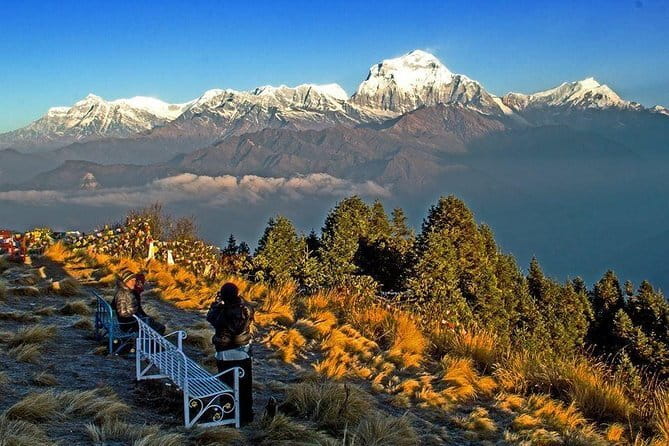
- Poon Hill sunrise at 3,210m: the big payoff with wide views across multiple peaks.
- Ghorepani and Tadapani teahouse nights: cozy, practical lodging built around trek life.
- Rhododendron country: lush foothills scenery that changes with the season.
- Ghandruk village time: Gurung culture and a satisfying end-of-trek transition.
- Kathmandu + Pokhara add real variety: UNESCO sights and lakeside downtime between hikes.
Why Poon Hill sunrise is the whole point (and how to enjoy it)
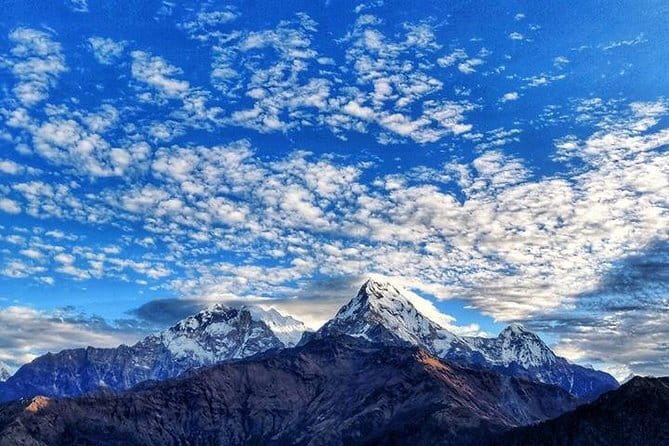
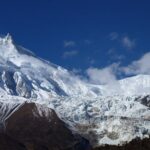
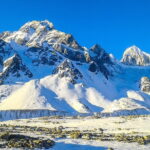
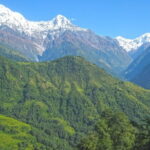
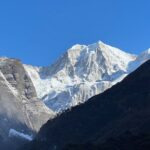
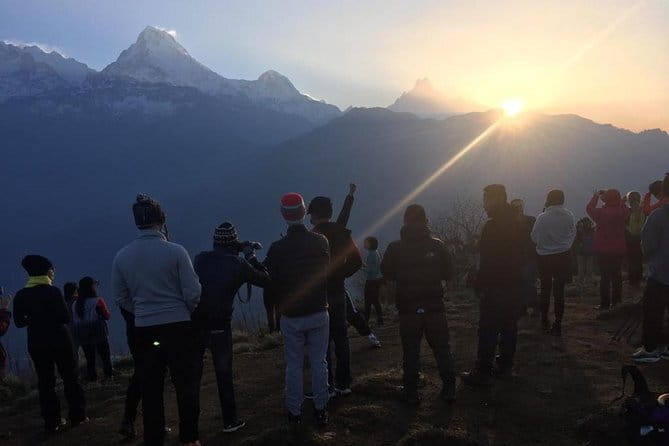
If you’re choosing this trek for one reason, make it the sunrise from Poon Hill (3,210 meters). The mountain views here are framed like a natural stage: you look outward toward the Annapurna massif plus Gangapurna, Himchuli, Dhaulagiri, Manaslu, Ganesh Himal—and Machapuchare (Fish Tail) often dominates the skyline. On clear mornings, it’s the kind of view that makes you briefly forget your feet exist.
The trick is knowing how to work with early mornings. You’ll hike up to Poon Hill and then continue the day afterward (ending in Tadapani), so treat sunrise as both spectacle and schedule. Bring warm layers even if the forecast looks friendly—temperatures near dawn at elevation can turn crisp fast. If you get to the viewing area with plenty of time, you’ll have a calmer experience, not a frantic scramble.
Also, look at sunrise as a “visibility game.” Clouds can roll in, and views can vary by day. When they’re good, they’re great. When they’re mixed, you still get the early-morning trekking energy—birds, weather shifts, and the sense of standing at a real seam between lower foothill life and high Himalayan air.
You can also read our reviews of more tours and experiences in Kathmandu.

Kathmandu pre-trek days: setting your Nepal up right
You start in Kathmandu with an arrival day and a pre-trip meeting at the hotel (start time listed as 9:00 am). This is a smart setup because it gives you one place to sort out gear questions, confirm trekking rhythm, and get your bearings before the long drive to Pokhara.
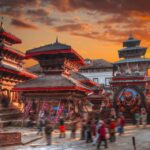
Kathmandu day includes a full recreational sightseeing block focused on Kathmandu Valley UNESCO World Heritage sites. Even if you’re not a hardcore history person, this matters. It helps you understand what you’re seeing later—Nepal isn’t just mountains. It’s also temples, city life, and centuries-old culture that shape how people live and travel.
Then comes the practical handoff: the trek part starts after you relocate to Pokhara. That’s not just logistics—it’s a mental shift. Kathmandu is traffic, crowds, and temples; Pokhara is lakes, viewpoints, and a slower pace that makes hiking feel like the next natural step.
Kathmandu to Pokhara drive: a long transfer you should treat like part of the trip
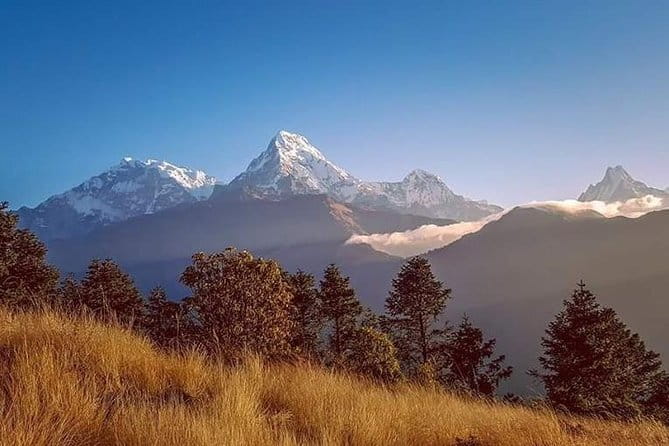
Day 3 is a 200 km drive from Kathmandu to Pokhara, usually 6–7 hours. It’s a real chunk of time, but it’s also a chance to watch the scenery change as you head toward the Annapurna foothills. If you take the transfer as “transport only,” you’ll feel the hours. If you treat it as moving scenery, it feels more like the opening act.
Your trip includes transport between Kathmandu and Pokhara on a luxurious tourist bus, and later the return leg is either another drive (6–7 hours) or a short flight (about 25 minutes). That flexibility is worth noting. When you’re trekking for multiple days, cutting time on the last travel day can make the whole trip feel more humane.
If you get motion-sensitive, consider packing something simple for the bus ride. Nepal roads can be bumpy, and no one wants to be dealing with nausea on top of altitude planning.
Nayapul to Tikhedunga: foothill walking with real village rhythm
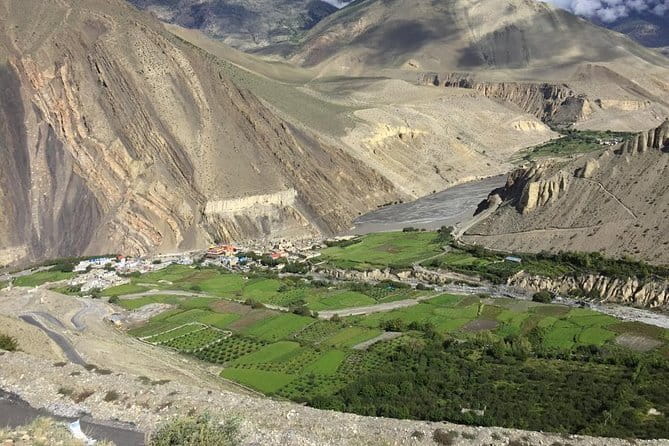
The trek begins from Nayapul (after a short drive from Pokhara). You’ll then head to Tikhedunga over roughly 3–4 hours of hiking. This first day is important because it helps your body switch from city muscles to trail muscles.
You start learning how the trail behaves: uneven steps, small climbs, and the normal rhythm of lodge-to-lodge trekking. You’re not jumping straight into “big altitude suffering,” but you are testing your pacing. I like day one for that reason. It’s where you figure out your walking cadence without the pressure of a peak day.
A practical mindset helps here: walk steady, not fast. You’re aiming for consistent breathing rather than sprinting for distance. You’ll still feel the effort—this is hiking—but you’ll arrive with enough energy to enjoy dinner and relax in the teahouse atmosphere.
Tikhedunga to Ghorepani: rhododendron country and your first real view moments
Day 5 runs about 5–6 hours from Tikhedunga to Ghorepani. This is where the trek starts feeling more “wild.” The foothills and trails open up, and you’re surrounded by lush rhododendron areas that come alive with birdsong and seasonal color.
What I like about a climb into Ghorepani is that it’s not just about altitude—it’s about anticipation. As you move upward, the air shifts and the views gradually start feeling closer. Even if you don’t have the full panorama yet, you can sense you’re nearing the classic vantage points.
Teahouse life also becomes part of your daily flow. Your accommodation is in lodges/guest houses in twin sharing arrangements (with breakfast basis during the itinerary). Expect practicality: warm meals, simple rooms, and a place where trekkers trade small updates like route notes and weather guesses. It’s not luxury, and that’s okay. It keeps the trek experience authentic and affordable.
If you’re the kind of traveler who gets tired easily by constant logistics, take advantage of this stage. Check your pack once, keep your essentials easy to reach, and use the evening to prep for the most important morning ahead.
Poon Hill to Tadapani: the early climb, the big view, then forward motion
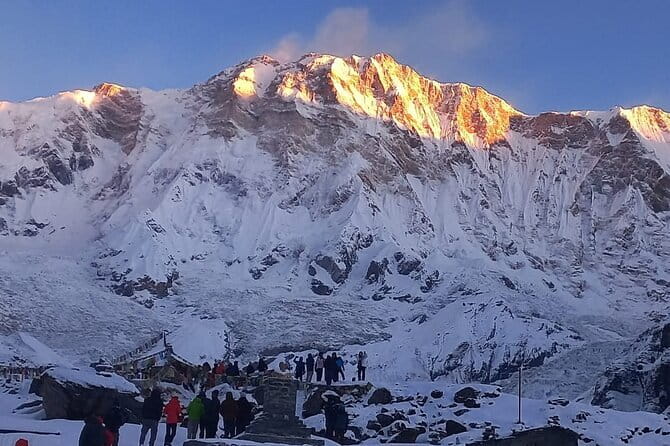
Day 6 is the headliner. You’ll hike up to Poon Hill (3,210m)—then continue the day on to Tadapani (about 5–6 hours total hiking, including time tied to the Poon Hill stop). This is a long day, but it’s built that way for a reason: you get sunrise views and still move forward toward the next village.
After sunrise, don’t expect the day to slow down. You’ll transition into another descent and walking stretch toward Tadapani at around 2,675m. It’s a good example of how this trek balances reward with progress. The view is the climax, and then the trail takes you to the next cozy lodge base.
This is also where guide support matters. You’ll have an experienced guide and porters (listed as 1 porter for 2 people). Having local knowledge helps with route timing and finding good mountain-view spots when conditions shift. Past experiences with this operator have highlighted guides and porters who were attentive, skilled with pace, and helpful in getting you to the right viewpoints—names like Pradip and Sunil have come up in guest feedback, and guide names like Rupak Kadel show up in other Annapurna trekking experiences under the same company umbrella.
Even if you’re not chasing speed, you’ll want comfort in your day planning. Warm up before sunrise, then after the views, keep your energy steady on the walk. Bring a snack you actually like, not the one you bought “just in case.”
Ghandruk village: where Gurung culture becomes part of the trek story
Day 7 covers about 3–4 hours from Tadapani to Ghandruk. Ghandruk is a classic Annapurna foothills stop because it feels more like a community town than just a collection of lodges. This is where the trek’s cultural theme shows up in a clearer way—Gurung people and their hospitable local life are a big part of what you’ll notice here.
I like this stage because it gives you a softer emotional landing. After a long, high-emotion sunrise day, walking into a village lets you slow your brain down. You can browse, chat, and take in how locals live with the mountains nearby. If you’re interested in Nepal beyond scenic photos, this is the part that pays back.
From a trekking perspective, the day’s shorter hiking time helps you reset. You’ll still climb and descend, but you’re not stacking another 6-hour day right after Poon Hill.
Ghandruk back to Nayapul, then Pokhara: finishing strong without rushing
Day 8 brings you back to Nayapul (then drive to Pokhara), with about 4–5 hours of trekking. This is where you’ll appreciate pacing decisions from earlier days. If you’ve walked steadily and rested well at night, this final trek stretch usually feels like “I can do this.”
When you reach Nayapul, you switch gears to transport and return to Pokhara. The day becomes about recovery: shower, meals at a normal restaurant (not just teahouse menus), and letting your body cool down after the trail.
I’d also plan for a little mental transition. Trek days have a rhythm; city days have a different rhythm. The last thing you want is to cram in too many activities right away. Let yourself decompress.
Pokhara sightseeing day: lakeside time before the Kathmandu finish
Day 9 is a full day in Pokhara, described as a sightseeing tour of the city of lakes. This is a key ingredient for a trek like this. After days of walking between lodge stops, you get a “normal day” with more flexible pacing and fewer altitude worries.
Then Day 10 returns you to Kathmandu via drive or flight (6–7 hours by road or about 25 minutes by air). That last travel day matters because you’ll be tired, and the trip includes an international departure on Day 11. Using the flight option can be a great way to make sure you still enjoy your final Kathmandu meal and don’t arrive at the airport feeling wrecked.
Day 11 ends with transfer to the international airport for your departure.
Price and logistics: does $299 feel fair for what you get?
At $299 per person (for an ~11-day trip), the value here comes from the “everything organized” approach. This price covers a lot more than just guiding:
- Private vehicle pickups and drop-offs (hotel and airport)
- Transportation Kathmandu–Pokhara–Kathmandu (bus and private vehicle legs)
- Twin/double accommodation with breakfast on the trek, plus lodge/guesthouse stays during hiking days
- An experienced guide and porters (1 porter for 2 people)
- Support costs for the guide and porter (salary, food, drinks, accommodation, transportation, insurance)
- Maps and down jackets/duffle bags if needed
- A farewell dinner in Kathmandu with cultural dance program
- Government taxes and official expenses
What’s not included is also clear, and you should budget it: international airfare and the Nepal visa fee (obtainable at the airport), plus lunch and dinner while you’re in Kathmandu, Pokhara, and on trekking days. Monument entrance fees also aren’t included.
For me, the fairest way to judge the price is this: you’re paying for fewer decisions. You don’t need to coordinate transport, lodging logistics, porter staffing, or route planning. When you’re new to Nepal, that’s a genuine time-saver. If you already know how to self-organize everything, you might find cheaper options. But if you want a smooth, guided route with village and sunrise built in, this $299 package can feel like a strong deal—especially with the included guide/porter support.
One more cost note: if you’re traveling solo, there’s a single supplement of USD 300.
What to pack and how to pace your Poon Hill days
Because this is a moderate-fitness trek, you don’t need to be an athlete, but you do need to be ready for consistent uphill/downhill walking. Bring trekking shoes that grip well and socks you trust. Cold mornings are a real possibility at elevation, so pack layers you can adjust fast.
The trip includes down jackets and duffle bags, plus city and trekking route maps if necessary, which helps if you don’t want to buy gear before you fly. Still, I’d recommend bringing your own daypack and a small rain layer. Weather can shift quickly around mountain areas.
For pacing, aim for steady effort. On longer days like Tikhedunga to Ghorepani and Poon Hill to Tadapani, your goal is to finish feeling like you could do a bit more—rather than arriving cooked. A guide can help set rhythm, and the porter system (1 porter for 2 people) is there to keep your pack manageable.
Finally, food: you’ll have breakfast included and local organic food described for trekking days. Vegetarian options are available if you tell the operator at booking, so don’t wait until you’re hungry to figure it out.
Who this trek suits best (and who should reconsider)
This is a great fit if you want:
- A classic Annapurna foothills route with teahouses and village life
- One “big view” day—Poon Hill sunrise—without committing to a longer, more technical expedition
- A combined plan that includes Kathmandu Valley UNESCO sights and Pokhara downtime
It may be less ideal if you’re looking for ultra-slow travel, dislike early mornings, or want every meal included. Also, since the trek requires moderate physical fitness, if you’re planning to take it easy because of injuries or stamina limits, you’ll want to talk it through first.
Should you book the Ghorepani Poonhill trek with this operator?
If you want a guided, efficient Nepal plan that blends sunrise magic with real culture—and you’d rather not spend your vacation solving logistics—yes, it’s worth serious consideration. The combination of Kathmandu and Pokhara with an Annapurna foothills trek gives you variety without breaking the flow of the trip.
I’d especially recommend it if you value helpful guidance and pacing support. The recurring names in guide and porter feedback—Pradip, Sunil, Rupak Kadel, Mountain Ram, and Niraj—signal that the human side of the experience gets attention, not just the scenery.
If you go, do it with the right expectations: expect long-ish walking days, plan for early sunrise time, and budget for lunch and dinners that aren’t included. If that sounds like your kind of adventure, you’ll likely come home with the kind of sunrise memory you keep pulling out when winter hits.
FAQ
How long is the Ghorepani Poonhill trek experience?
It’s listed as 11 days (approximately).
Where does the trek start and end?
You begin the trek from Pokhara to Poonhill and end it at the same point (back at Pokhara).
What time is the start/meeting?
The start time listed is 9:00 am, with a pre-trip meeting at the hotel after your arrival in Kathmandu.
Is pickup and drop-off included?
Yes. Pick up from and drop off at the hotel and the airport are included, using private vehicle transport.
Do I reach Poon Hill at a specific altitude?
Yes. Poon Hill is listed at 3,210 meters (10,530 ft), and you hike there on the key highlight day.
Are vegetarian meals available?
Yes. A vegetarian option is available if you advise the operator at booking.
What is the expected fitness level?
You should have a moderate physical fitness level.
Is there free cancellation?
Yes. Free cancellation is available up to 24 hours in advance of the experience start time for a full refund.