REVIEW · KATHMANDU
Annapurna Circuit Trek
Book on Viator →Operated by The Great Adventure Treks & Expedition - Private Day Tours · Bookable on Viator
Big mountains, one steady plan. The Annapurna Circuit Trek is a classic Nepal route stitched together with village days, big-altitude drama, and a few spiritual stops that feel surprisingly grounded. I like that your trip comes with the essential paperwork—an ACAP permit and a TIMS card—so you can focus on walking and acclimating instead of scrambling for documents.
I also like the human side. In the feedback I read, guides like Sudam are described as patient and caring, and you’ll see a strong emphasis on porters too. You’re not just handed a route—you’re guided through it, with help that can matter when weather, trails, or your energy level gets unpredictable.
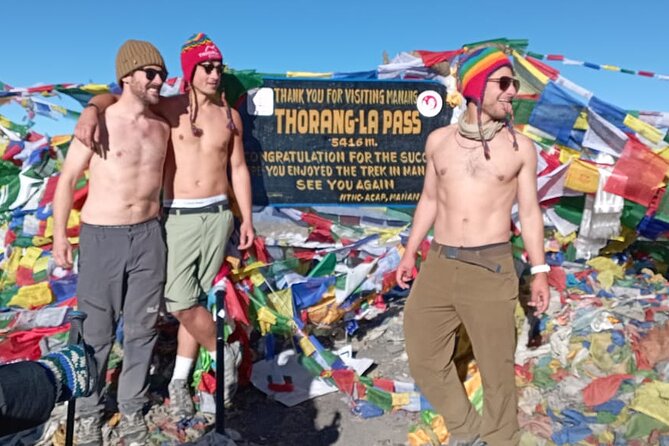
Here’s the main consideration: this trek climbs to Thorong La (5,416 m). That altitude can test your breathing and mental focus, so you’ll want a moderate fitness base and a realistic pace from day one.
In This Review
- Key highlights I’d plan my trip around
- Annapurna Circuit: why this route hits so many different moods
- Kathmandu warm-up: hotel, pickup, and your first organized day
- From Kathmandu to Besisahar: the scenic transition that matters
- Manang, Marpha, and the village days that make the circuit feel real
- ACAP permit included: a conservation route with wildlife in the mix
- Ghorepani and Poon Hill sunrise: the morning plan that never feels like a chore
- Crossing Thorong La at 5,416 m: the pass is the test
- Muktinath temple (3,410 m): Shakti Peeth and a calmer kind of focus
- Kali Gandaki gorge: the “world’s deepest gorge” moment
- Back down: Tatopani, Tikhedhunga, Ulleri, and Nayapul into Pokhara
- Price and value: what $1,074.88 buys you on the Annapurna Circuit
- Guides and porters: why service quality shows up on hard days
- Who should choose this trek, and who should rethink it
- Quick FAQ about the Annapurna Circuit Trek
- FAQ
- How many days is the Annapurna Circuit Trek?
- What is the highest point on this trek?
- Is hotel accommodation included in Kathmandu?
- Are the permits included?
- What is included for airport transfers?
- Are meals included in Kathmandu and Pokhara?
- What is the cancellation policy?
- Should you book this Annapurna Circuit Trek?
Key highlights I’d plan my trip around
- ACAP wildlife in the background: chances to see animals tied to the Annapurna Conservation Area Project, like Himalayan tahr, musk deer, and (rarely) snow leopards
- Poon Hill sunrise: a morning mountain show you build your schedule around
- Thorong La at 5,416 m: the trek’s altitude summit moment
- Muktinath temple at 3,410 m: a holy Shakti Peeth stop at the base of Thorong La
- Kali Gandaki gorge: the world’s deepest gorge, crossed as part of the circuit’s big-geometry scenery
- Small group size: max 10 people, which usually means less crowding on the trail
Annapurna Circuit: why this route hits so many different moods
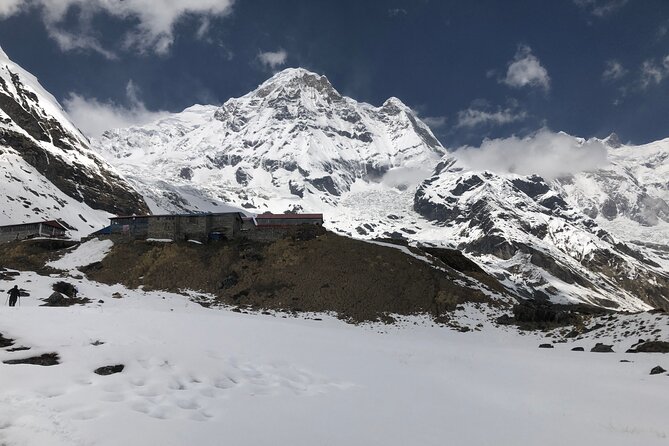
The Annapurna Circuit Trek works because it’s not one long view. It’s many views, with real variety baked in. You start with a scenic bus ride out of Kathmandu into the trekking world, then spend days moving through different villages—Manang, Marpha, Ghorepani, and Muktinath among them—where the air changes and the culture shifts along with it.
You’ll also get several “headline moments” that make it feel like more than a normal hike. There’s the spiritual detour to Muktinath, the altitude crossing of Thorong La, a sunrise plan at Poon Hill, and a big-scale geography stop at Kali Gandaki gorge. If you like trips where you can feel the route’s logic—from settlement to high pass to return valleys—this one has that.
And the trek’s location matters. Much of it runs through the Annapurna Conservation Area Project (ACAP), so you’re traveling in a protected region where wildlife is part of the story, even if you shouldn’t count on spotting any specific animal.
You can also read our reviews of more tours and experiences in Kathmandu.

Kathmandu warm-up: hotel, pickup, and your first organized day
Most people think of the Annapurna Circuit as a trekking story. But your Kathmandu days set the tone.
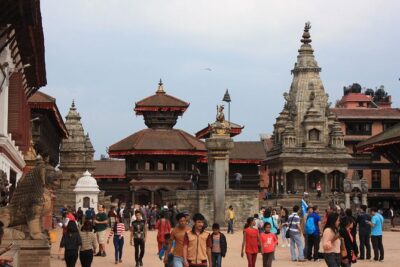
This tour includes airport pickup and transfer to a 3-star hotel in Kathmandu, plus Kathmandu sightseeing by car. You also get a later drop to the airport. That kind of basic structure is worth real money in Nepal: it reduces stress when you land tired, jet-lagged, or just unsure how things run on the ground.
One practical note: lunches and dinners in Kathmandu aren’t included. That’s normal for many tour packages, but you’ll want to plan your food budget and keep things simple during your first day so you’re not fighting an upset stomach right before altitude days.
From Kathmandu to Besisahar: the scenic transition that matters
The trip begins with a bus ride from Kathmandu to Besisahar. It’s not just transportation; it’s your transition from city noise to trekking rhythm.
Why I think this matters: it gives you a clean mental switch. Instead of jumping straight into a high-effort day after travel, you ease into the route. You also get a chance to see a slice of Nepal beyond the airport-and-hotel bubble.
If you’re the type who likes to get oriented early, arriving with a plan helps. Once you’re on the trekking side, your routine takes over: steady walking, frequent breaks, and a constant eye on trail conditions.
Manang, Marpha, and the village days that make the circuit feel real
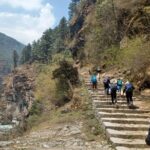
A big reason the Annapurna Circuit stays popular is that you don’t just climb—you pass through places with character. Your route includes villages such as Manang and Marpha, plus stops that bring you into the heart of the circuit’s village network.
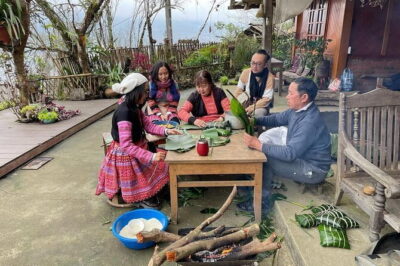
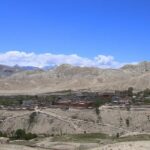
Manang is often talked about as a turning point on Annapurna-style trekking—partway through the trek’s “serious” altitude phase. Marpha has a different flavor, and the whole stretch of villages helps you avoid the feeling that you’re walking through only empty mountain space. You’re moving through living communities, meeting people as you go, and seeing how daily life adapts to the terrain.
Ghorepani also shows up on your route, and that’s where the scenery starts getting more “photo-scheduled.” You’re not just hiking toward a pass; you’re hiking toward a sequence of moments—sunrise, high ground, and temples.
ACAP permit included: a conservation route with wildlife in the mix
This trek includes an Annapurna Conservation Area Project permit (ACAP). That’s important in two ways.
First, it’s official. You’re trekking in a protected region, which is tied to conservation efforts and regulated access. Second, it changes the kind of expectations you can have. Wildlife is part of ACAP’s story, and the trek description specifically mentions animals you might encounter, such as snow leopards, musk deer, and Himalayan tahr.
Here’s the honest approach: you’re not booking a safari. Animals are wildlife—so sightings aren’t guaranteed. But carrying that “conservation context” makes your experience feel more meaningful. You’re walking in a place where ecosystems are valued, and the route passes through habitats that support species adapted to high, rugged terrain.
Ghorepani and Poon Hill sunrise: the morning plan that never feels like a chore
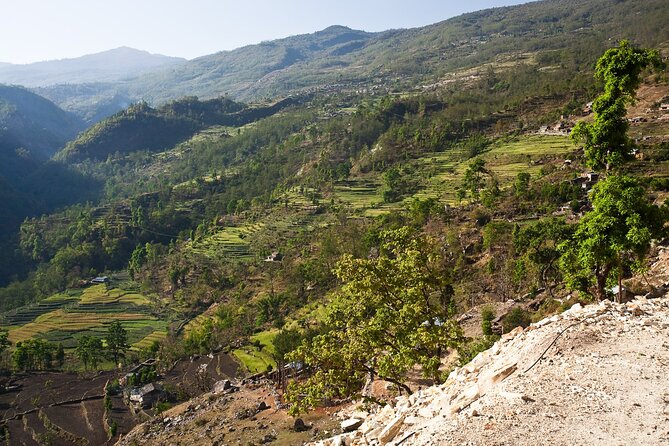
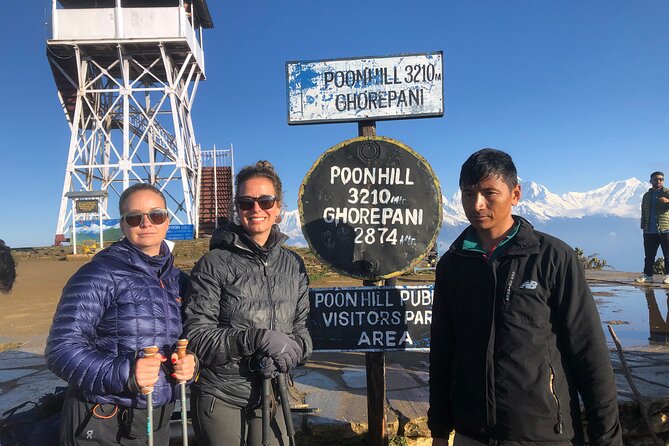
One of the most memorable parts of this itinerary is sunrise amidst mountains from Poon Hill.
This is one of those trek features that can sound generic until you actually picture what it means: you’re waking up early, moving into cold air, and then getting rewarded with wide mountain views. It’s not the most difficult hike in Nepal, but it’s one of the most atmospheric.
What I like about scheduling sunrise here: it creates structure. You’re not wandering around waiting for good light—you’re showing up at the right time for it. If you’re the sort of person who enjoys a clear plan, Poon Hill gives that.
Tip: keep your layers ready. Early mornings can feel colder than you expect, especially before you’ve warmed up on the trail.
Crossing Thorong La at 5,416 m: the pass is the test
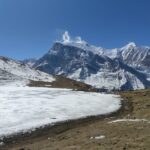
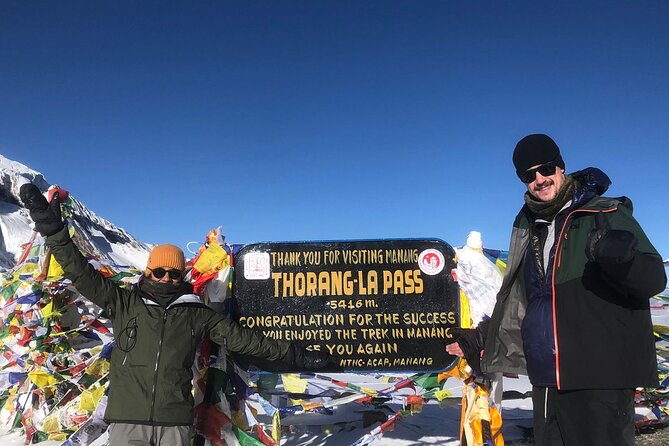
The highest point of this trek is Thorong La at 5,416 meters. This is the day you should think of as both physical and mental.
Physically, you’ll be dealing with high-altitude effort: slower steps, heavier breathing, and the need to pace yourself. Mentally, it’s about staying calm when the climb feels relentless. This is also where guidance becomes more than nice-to-have. A good guide keeps you moving with realistic expectations instead of letting you burn out too fast.
From the overall trek structure, you can see why this works: you’ve already spent trekking days in the region. By the time you reach Thorong La, you’re not coming in cold.
Just remember: “challenging” doesn’t mean “impossible.” It means you should respect the day. Take it steady, listen to your body, and don’t treat altitude like a race.
Muktinath temple (3,410 m): Shakti Peeth and a calmer kind of focus
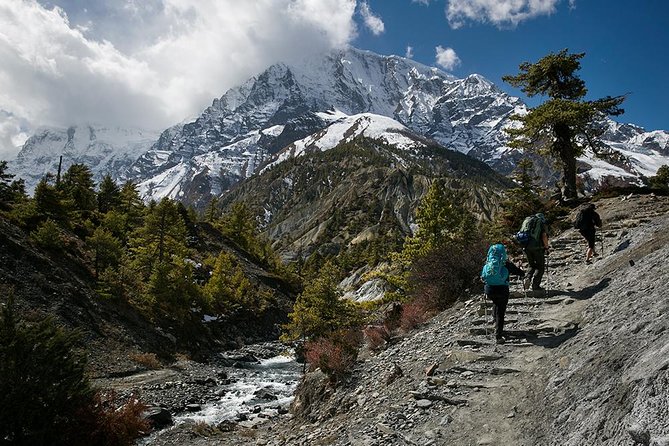
After the intensity of the high pass, your route includes a visit to Muktinath, one of Nepal’s holiest temples. The temple sits at an altitude of 3,410 meters and is described as a Shakti Peeth, a source of primordial energy sources. It lies at the base of Thorong La mountain pass.
This stop changes the mood. Instead of pushing forward for another view, you slow down near something sacred. Even if you’re not deeply religious, the temple atmosphere can feel grounding—like a breath between hard chapters of the trek.
It also helps that your route is set up so Muktinath isn’t random. It’s right in the sequence of the circuit, so it feels like part of the route’s logic rather than an add-on.
Kali Gandaki gorge: the “world’s deepest gorge” moment
The Annapurna Circuit also includes crossing the Kali Gandaki gorge, described as the world’s deepest gorge. This is the kind of scenery that changes how you feel about scale.
When you’re in a gorge area, it’s not just pretty mountains—it’s the shape of the terrain. Your mind keeps measuring distance differently once you’re surrounded by steep walls and big drop-offs. It’s one of those moments where the trek stops being a series of daily hikes and becomes “a place.”
If you like dramatic geography, this is a highlight worth mentally saving for. Don’t blow through the area just to keep time. Step out, look around, and let it register.
Back down: Tatopani, Tikhedhunga, Ulleri, and Nayapul into Pokhara
The return from the circuit brings you back into familiar trek villages, including Tatopani, Ghorepani, Tikhedhunga, Ulleri, and Nayapul, then on to the beautiful valley of Pokhara.
These return days matter because your body needs “release” after altitude work. Going back through village sections can feel easier than pushing new height, even when your legs still complain. The trade-off is that you get the chance to notice details you might miss earlier—trail textures, changing vegetation, and how communities adapt to trekking traffic.
Tatopani is on the return list, and the word itself hints at why this part is popular, but the trek data here doesn’t specify activities—so treat it simply as part of the route’s rhythm: hike, rest, reset.
When you reach Pokhara, the tone shifts again. You’re leaving trekking terrain for a more relaxed valley environment. The tour includes reaching Pokhara, and you’ll just want to plan for meals there too, since lunch and dinner in Pokhara aren’t included.
Price and value: what $1,074.88 buys you on the Annapurna Circuit
At $1,074.88 per person for about 18 days, the first question is always: what’s actually included beyond the trekking?
Here’s what you get based on the package details:
- Airport pickup and transfer in Kathmandu, plus drop to the airport
- 3-star hotel accommodation in Kathmandu
- Kathmandu sightseeing by car
- ACAP permit and TIMS card
- The trek program “as per itinerary” (so you’re not assembling the route yourself)
Two cost-saving categories matter a lot: paperwork and organization. Permits (ACAP and TIMS) aren’t optional extras for this region, and arranging them smoothly can be its own hassle. Organization also means you’re not stuck figuring out how all transfers and key steps fit together once you arrive.
What’s not included:
- Lunch and dinner in Kathmandu and Pokhara
- Any kinds of drinks (soft and hard)
So, you’ll want to budget day-to-day meals and drinks. But overall, for an 18-day trek package with permits and multiple transfers, this price can make sense—especially if you prefer a guided route where someone else handles the “move from A to B” parts.
One more value factor: small group size. This tour lists a maximum of 10 travelers, which usually means less crowding and more flexibility in the real world.
Guides and porters: why service quality shows up on hard days
A trekking guide isn’t just there for directions. On a route like this, the guide helps you manage pace, interpret conditions, and keep your day from going sideways.
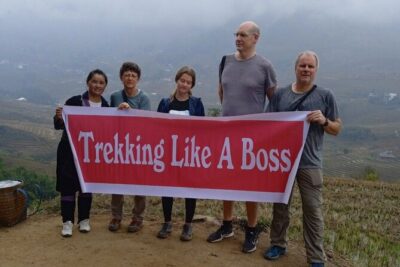
In the feedback you provided, Sudam is described as professional, patient, and caring, and that support helped people feel comfortable across the trek. Porters also get real credit—hardworking, dependable, and part of the comfort equation.
You’ll also see names like Binod (mentioned for responsible care and good management), Pasang (with strong communication noted, including English and Chinese), and Jayaram with porter Dinesh. Some notes even mention flexibility with schedules, which can matter when weather shifts or timing needs adjusting.
And while the company leadership isn’t part of your daily hike plan, there’s clear evidence of hands-on responsiveness: Mr. Mani shows up repeatedly in the service story, including help with practical items like exchange and local SIM support in at least one account.
In short, the people side isn’t random here—it’s one of the strongest recurring themes tied to why the trek feels smooth.
Who should choose this trek, and who should rethink it
This Annapurna Circuit Trek is described as suitable for people with moderate physical fitness. That means it’s not a casual stroll, but it’s also not sold as a hardcore “no training needed” challenge.
If you:
- want one trip that includes Poon Hill sunrise, Thorong La, Muktinath, and Kali Gandaki gorge
- like village trekking with real community stops
- prefer a guided, organized plan with permits included
…then you’ll likely fit well.
If you:
- dislike high-altitude challenges
- need everything to feel easy and predictable every day
- struggle with early wake-ups for sunrise
…then you might want to choose a gentler route or talk with the operator about whether this pace matches your needs.
Quick FAQ about the Annapurna Circuit Trek
FAQ
How many days is the Annapurna Circuit Trek?
It runs for about 18 days.
What is the highest point on this trek?
The highest point is Thorong La at 5,416 meters.
Is hotel accommodation included in Kathmandu?
Yes. The tour includes accommodation in Kathmandu in a 3-star level hotel.
Are the permits included?
Yes. The package includes the Annapurna Conservation Area Project (ACAP) Permit and a TIMS (Trekkers Information Management system) card.
What is included for airport transfers?
Pickup from the airport in Kathmandu and transfer to your hotel is included, and there is also a drop to the airport later.
Are meals included in Kathmandu and Pokhara?
Lunch and dinner in Kathmandu and Pokhara are not included.
What is the cancellation policy?
You can cancel for a full refund up to 24 hours in advance. If you cancel less than 24 hours before the experience starts, the amount you paid is not refunded. If the trip is canceled due to poor weather, you’ll be offered a different date or a full refund.
Should you book this Annapurna Circuit Trek?
Book it if you want a classic Annapurna Circuit experience with the big “must-see” stops: Poon Hill sunrise, Thorong La, Muktinath, and the Kali Gandaki gorge—and you value having key paperwork handled through the ACAP permit and TIMS card.
Don’t book it if high-altitude days like Thorong La aren’t in your comfort zone or if you’re looking for a fully food-and-drink-inclusive deal (since Kathmandu and Pokhara meals plus drinks aren’t included).
If you’re mentally prepared for early mornings and altitude effort, this trek looks like a strong match—especially with the guidance and porter support that shows up again and again in the service feedback.