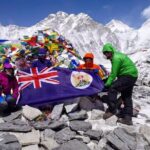
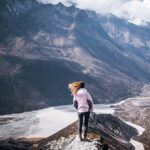
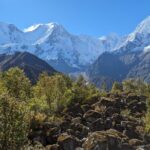
Most people come to Nepal for one thing. Then Poon Hill gives you five. This short trek sets you up for the sunrise panorama over Annapurna I, Gangapurna, Dhaulagiri, and Machhapucchre, plus a real feel for Gurung life in places like Ghandruk. It’s an ideal introduction to the Annapurna region without needing weeks on the trail.
I like that the itinerary is short but not skimpy. You get full trek days with three meals a day (plus fresh fruit in the evening), and you stay in village accommodation after each walking day. I also love the human support: a professional, English-speaking, government-license guide handles the schedule, meals timing, and logistics so you can focus on breathing and taking photos.
One possible drawback: it’s still trekking, and at least one day is described as among the hardest, with lots of up-and-down steps on the way to Ghorepani. If you’re new to hiking or have knee issues, you’ll want to move slowly on the descents and plan for cold mornings near sunrise.
In This Review
- Key Things That Make This Trek Work
- Kathmandu Start: Transfers and Your First Real Check of the Plan
- Getting to Ghandruk: Flights, Jeep Links, and the Modi Khola
- Banthanti Forest Day: A Steady Climb Through Rhododendrons and Pasture
- Ghorepani: Your Higher-Altitude Headspace Before Sunrise
- Poon Hill Daybreak: The Walk That Turns a Trek Into a Story
- Tikhedhunga to Nayapul to Pokhara to Kathmandu: The Smart Finish
- Price and Logistics: Does $1,024.36 Buy You Real Value?
- Who Should Book This (and Who Might Want Another Option)
- What to Pack and How to Prepare (So the Trek Feels Good)
- Should You Book Poon Hill Panorama Trek?
- FAQ
- FAQ
- What time does the trek start in Kathmandu?
- Is airport pickup and drop-off included?
- How long is the trek?
- What meals are included during the trek?
- What documents do I need to provide?
- Can I cancel for a full refund?
Key Things That Make This Trek Work
- Poon Hill sunrise without a long slog: you’re set up for the big view early, then you walk onward instead of just waiting around.
- A short trek, Kathmandu to Kathmandu: flights and jeep transfers cut the travel time between villages.
- Village stays with included meals: breakfast in Kathmandu plus full board during the trek keeps your planning simple.
- English-speaking, government-licensed guides: multiple guide names were praised for reliability and attentive care (including Joi, Ghanesh, Shailesh, and Ganesh).
- Ghorepani as your pre-sunrise base: rhododendron forests and colder air help you feel like you’re getting higher every day.
Kathmandu Start: Transfers and Your First Real Check of the Plan
Your trek starts in Kathmandu at Tribhuvan Airport, with an early start time listed as 6:00 am. From there, you’re picked up by private vehicle (per group size) and taken to a 3-star hotel for one night with breakfast. You’ll also get the chance to sort out your gear and paperwork before the mountain days start.
The evening in Kathmandu is your “reset” time. You’re free to enjoy Nepali food, wander the area, or simply get an early night. No trek day stress yet—just a chance to mentally switch from city tempo to mountain tempo.
One small practical note: you’ll need passport details (name, number, expiry, country) at booking, and you must carry a current valid passport on travel day. If you’re planning to use a visa, the responsibility is on you to confirm requirements before any border crossing.
You can also read our reviews of more tours and experiences in Kathmandu.

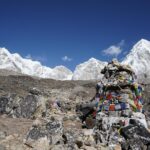
Getting to Ghandruk: Flights, Jeep Links, and the Modi Khola
Day one after Kathmandu is all about transition. You fly to Pokhara (the plan calls out a short flight time), then drive to Bhirethanti. From Bhirethanti, you do a brief trek down the river for about 10 minutes, then climb up to the main village across the Modi Khola area, and then head onward by jeep to Ghandruk.
Why this matters: you’re not doing a super-long “start from scratch” day. That helps if you want to enjoy the Annapurna region without feeling like your legs are already cooked before the real views begin.
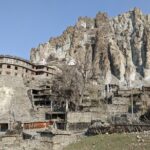
Ghandruk is a Gurung settlement, and that village personality is part of the point of this trek. You’re not hiking through empty scenery; you’re moving through lived-in communities with daily routines, guesthouses, and a sense of place. The included dinner and breakfast help you settle in without extra decisions.
Banthanti Forest Day: A Steady Climb Through Rhododendrons and Pasture
The next walking day goes through pastures and forest, with a trail that descends then ascends before reaching Banthanti. The walk time is estimated around 5 hours, and the route is described as a densely forested area, best in spring. That’s a hint that season matters here for colors and feel.
If you like variety in a single trek day, you’ll appreciate the mix: open sections (pastures) plus wooded hiking where the air can feel cooler and quieter. On a short trek, variety is gold—because you don’t have many “extra” days to recover and redo.
The main consideration: forest trails can be uneven underfoot, and the walking rhythm can trick you into going too fast. Your best move is to keep a steady pace, drink water often, and treat the “steady climb” as a warm-up for the tougher route coming next.
Ghorepani: Your Higher-Altitude Headspace Before Sunrise
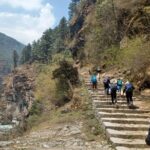
When you move toward Ghorepani, you’re told this is one of the hardest days, roughly 6 hours, with several up-and-down sections. This part is classic Annapurna trekking: your legs work on small climbs, then you get a descent, then you climb again. It’s not just distance—it’s the stop-and-start effort.
The reward is gradual altitude change. The description notes colder temperatures and a shift in vegetation, including rhododendron forests. If you time this well, you’ll feel the trek turning from “pleasant hike” into “early-morning adventure mode.”
Ghorepani also functions like a support hub. It’s noted as having a post office and health post, and it’s the village base for your viewpoint day. That means you’re not completely cut off; you have services nearby, and you’re positioned well for an early start without a long morning scramble.
Poon Hill Daybreak: The Walk That Turns a Trek Into a Story
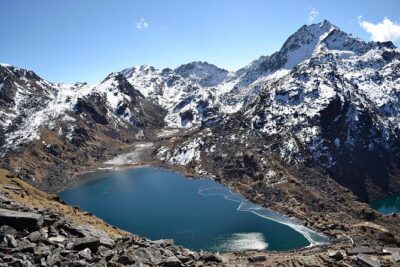
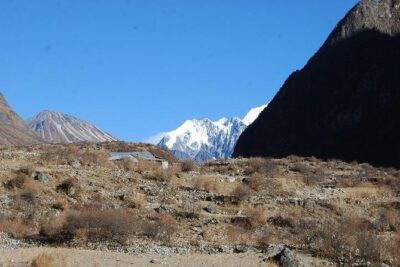
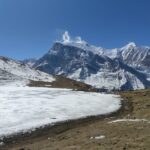
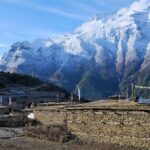
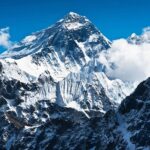
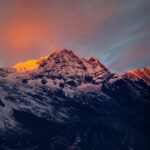
This is the highlight. The plan is to scale Poon Hill early in the morning so you can catch the sunrise over the Annapurna range. You’ll be viewing snow-clad peaks including Annapurna I, Gangapurna, and Dhaulagiri, along with Macchapucchre and other surrounding summits.
Here’s why this works so well on a 6-day trek: the big sight is scheduled as a mission. You’re not wandering the mountains for days hoping for perfect skies. You’re set up for the moment—then you move on to the next village day with momentum.
What you’ll want to do: dress for cold. Sunrise at altitude can feel sharp, even if the daytime hikes are comfortable. Bring layers you can manage easily because you’ll likely warm up as you walk.
After the sunrise viewing, you head toward Tikhedhunga. The descent is described as gradually intensifying, with a standout stretch: a stone paved path from Ulleri to Tikhedhunga that takes about two hours. This is where your calves earn their keep—lots of steps, lots of focus.
Tikhedhunga to Nayapul to Pokhara to Kathmandu: The Smart Finish
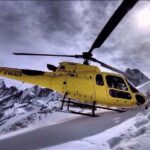
The walking day to Tikhedhunga is estimated at 7–8 hours, and then the next morning you start early. You wake up, depart Tikhedhunga to Nayapul by jeep, then drive to Pokhara. After that, you catch a flight back to Kathmandu to wrap up the short trek.
This “fast exit” is a big part of why the trek is popular as an introduction. Instead of finishing with another long days’ worth of hiking, you get a mobility boost through jeep and flight links. Your legs may still be tired, but you’re not punished with more distance on the last day.
Back in Kathmandu, you return to the meeting point and can finally switch back into normal-life pacing. If you’re feeling proud, you’ll be right to feel that way: this is a compact trek that still delivers real high-mountain payoff.
Price and Logistics: Does $1,024.36 Buy You Real Value?
At $1,024.36 per person, this trek isn’t a budget-only experience. But it is priced like a guided, supported package, not a do-it-yourself project.
What’s included is the big value driver:
- Professional guide (English-speaking, government-license holder) with guide costs handled by the operator.
- Airport picks up/drops by private vehicle per group size.
- One night 3-star hotel with breakfast in Kathmandu.
- All accommodations during the trek.
- Three meals a day during the trek (breakfast, lunch, dinner) plus fresh fruit in the evening.
What’s not included is also standard: travel/medical insurance, personal expenses (like phone calls or alcohol), and tips for guides and porters.
For most people, the question is simple: are you paying for convenience and support you would otherwise have to manage? If you want the peace of mind of having transfers, meals, and a guide organized—this price can feel fair. If you’re the kind of traveler who prefers to build everything yourself, you may find cheaper paths, but you’ll likely also lose the structured help that makes this short trek so manageable.
Who Should Book This (and Who Might Want Another Option)
This trek fits best if you want the Annapurna region experience in a short time window. It’s also a great option for first-timers who want a guided introduction to village trekking, with the biggest view day anchored on Poon Hill sunrise.
It may be less ideal if:
- You have knee or balance issues and don’t handle lots of steps well.
- You hate cold early mornings (Poon Hill requires an early start).
- You want a slower pace with more acclimatization days. This is compact by design.
If you do like doable challenges, though, this trek is a strong “confidence builder.” You’ll hike, you’ll climb, you’ll descend, and then you’ll get the payoff at the moment your effort peaks.
What to Pack and How to Prepare (So the Trek Feels Good)
Even though the trip is only about 6 days, preparation matters because you’re hitting cold mornings and step-heavy sections.
Plan for layers: morning cold, daytime movement warmth. Bring rain protection if your season is wet. Wear shoes you trust on uneven stone paths, especially for the Ulleri to Tikhedhunga segment.
Also, pack smart snacks if you’re the type who likes something extra between meals. Meals are included, but a small personal backup can make you feel better on long hiking stretches.
Finally, remember that altitude can affect appetite and energy. A steady pace beats hero mode. You’ll enjoy the views more when you’re not burning yourself out by midday.
Should You Book Poon Hill Panorama Trek?
I’d tell you to book it if you want a short, guided Annapurna introduction with strong odds of a memorable sunrise at Poon Hill. The combination of included meals, village stays, and a government-licensed English-speaking guide is exactly what makes this trek feel “managed” in the best way.
Skip it if you’re chasing a slow, long-form trek experience or you know your body won’t handle a hard day with repeated up-and-down walking. In that case, you’ll enjoy a longer route where the mountains have more time to meet you gently.
FAQ
FAQ
What time does the trek start in Kathmandu?
The start time is listed as 6:00 am at Tribhuvan Airport in Kathmandu.
Is airport pickup and drop-off included?
Yes. The tour includes all airport pick-ups and drop-offs by private vehicle per group size.
How long is the trek?
The duration is approximately 6 days, from Kathmandu to Kathmandu.
What meals are included during the trek?
Breakfast is included in Kathmandu, and during the trek you get three meals a day: breakfast, lunch, and dinner, with fresh fruit in the evening.
What documents do I need to provide?
You’ll need passport name, number, expiry, and country at booking, and a current valid passport is required on the day of travel.
Can I cancel for a full refund?
Yes. Free cancellation is available if you cancel up to 24 hours in advance of the experience start time.