REVIEW · POKHARA
Pokhara: 3-Day Ghorephani and Poon Hill Private Trek
Book on GetYourGuide →Operated by Snow Peak Tours and Travels pvt.ltd. · Bookable on GetYourGuide
Three days, two mountain moods.
This private trek from Pokhara to Ghorepani and Poon Hill is all about big Annapurna and Dhaulagiri range views plus local guidance that helps you enjoy the climb, not just survive it.
I love the way the route builds in Gurung culture in Ghandruk village, so you get more than mountain photos. The one drawback to plan for: the trail has plenty of steps and can feel steep, so you’ll want a decent fitness base and rain-proof layers.
In This Review
- Key things you’ll notice
- Getting from Pokhara to Ulleri: the start is organized, not rushed
- The Ulleri to Ghorepani day: views, effort, and rhododendron country
- Poon Hill sunrise: the early hike that pays off
- Ghandruk and Gurung culture: the human side of the Annapurnas
- Rhododendron forests, flora, and wildlife moments you can actually enjoy
- Your guide and porter: why support matters on a steep 3-day trek
- What the lodging and food feel like in real life
- Transportation and timing: pickups, transfers, and photo stops
- Price and value: is $151 a fair deal for a 3-day Poon Hill trek?
- Fitness and packing: make the steps feel manageable
- Who should book this private Ghorephani and Poon Hill trek
- Should you book this 3-day Ghorephani and Poon Hill private trek?
- FAQ
- How long is the Pokhara to Ghorepani and Poon Hill private trek?
- What’s the starting point and how do pickups work?
- Is this trek private or shared with other groups?
- Do I need permits for this trek?
- Do I need to send my passport copy ahead of time?
- What languages does the live guide speak?
- What’s included in the trek price?
- Are meals included?
- What should I bring for the trek?
- Is cancellation possible if plans change?
Key things you’ll notice
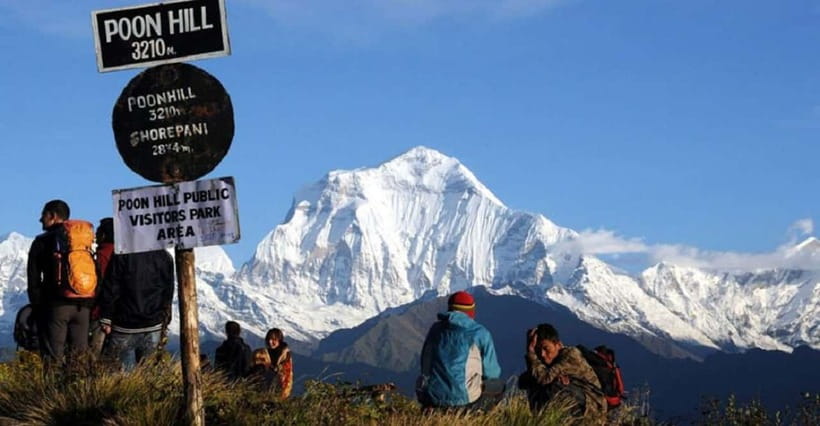
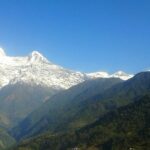
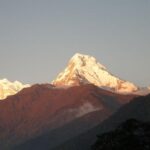
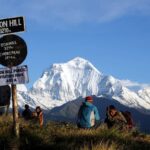
- Panoramic peak views on clear mornings, with Annapurna and Dhaulagiri in the frame.
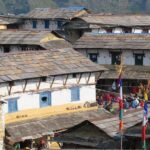
- Gurung village time in Ghandruk, adding real cultural texture to a short trek.
- Rhododendron forest walking that can look especially good when the flowers are out.
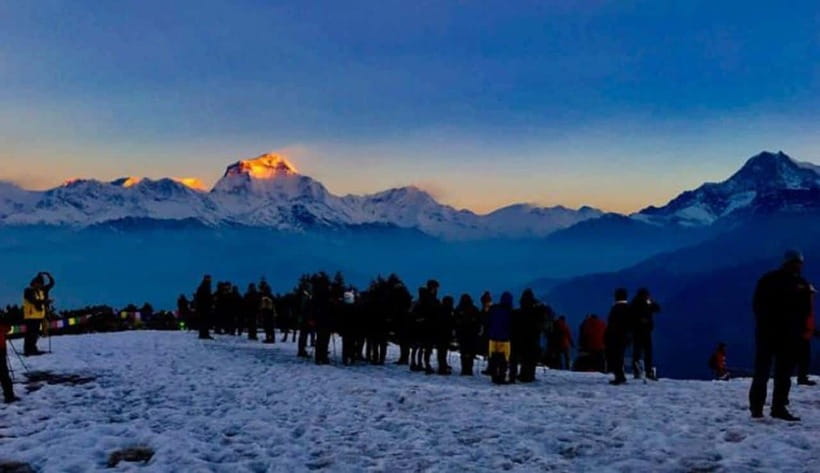
- Poon Hill sunrise hike that’s short, but timed for the golden mountain light.
- Supportive guides and porters who help with pacing and practical details along the way.
Getting from Pokhara to Ulleri: the start is organized, not rushed
Your day begins in Pokhara, with pickup from many hotel options around the lake area (and even the international airport). The morning setup feels important here because the trek proper starts with a long, steady transition from low altitude into the foothills.
You’ll drive from Pokhara to Nayapul (about 1 to 1.5 hours). Then you start walking from Nayapul uphill toward Tikhedhunga, taking roughly 3 to 3.5 hours for that first leg. After a break and photo stops along the way, the trail continues from Tikhedhunga to Ulleri (about 2 to 2.5 hours). Ulleri is your overnight stop, so this is where you settle in and let your legs recover.
Here’s what I like about this structure: you’re not hit with the whole climb at once. You get a phased ramp-up, with enough breaks built into the schedule that you can keep your breathing steady. For the people who found this trek hard, the common theme was steep steps. That’s why the first day matters: it sets the pace for the whole trip.
You can also read our reviews of more tours and experiences in Pokhara.
The Ulleri to Ghorepani day: views, effort, and rhododendron country
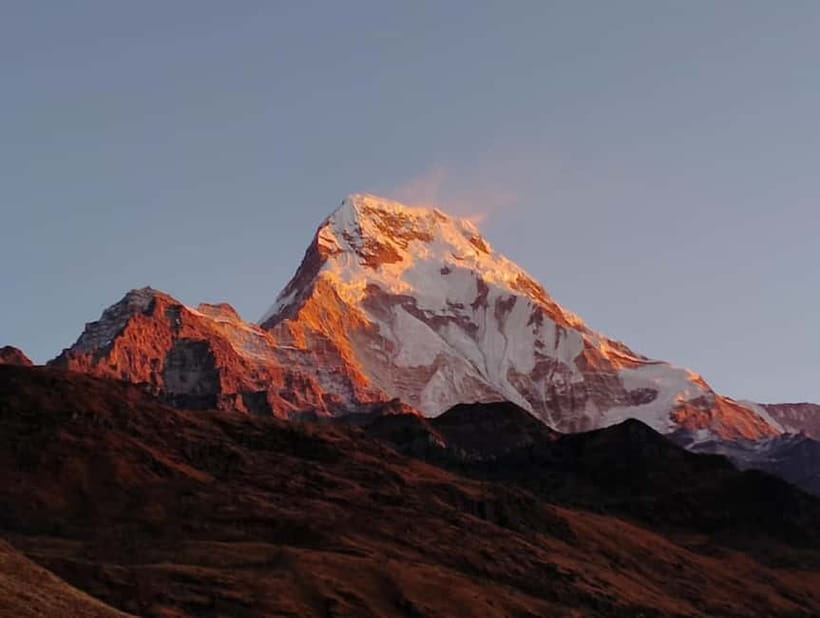
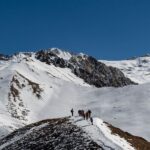
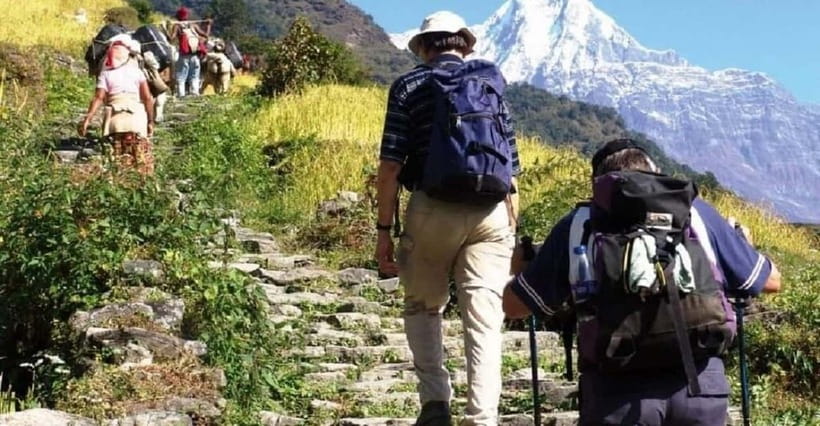
Day two is the longest hiking day at about 5 to 6 hours. You’ll climb from Ulleri (around 2,070m) up to Ghorepani (around 2,860m). This is the classic Annapurna region feeling: switchbacks, stone steps, and constant mountain scenery when the clouds cooperate.
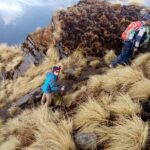
This is also where the trail’s seasonal character shows up. Expect sections through rhododendron forest, and if you’re lucky with the season and weather, you’ll see flowers and plants that make the walk feel less repetitive. The route is also a good spot for Himalayan nature moments. You might notice birds in the trees or find it easier to spot varied plant life as you gain altitude and cool down.
The practical upside of Ghorepani as a base: it’s high enough to feel like you’re truly in the hills, but it keeps the overall trek compact. That means you’re not spending days on logistics and slow acclimatization. You’re building toward sunrise the next morning.
The trade-off is that you’ll still be working. Even with a supportive guide, you need to be ready for stone steps and uphill effort. If you tend to go out too fast on the first push, the second day is where you’ll pay for it.
Poon Hill sunrise: the early hike that pays off
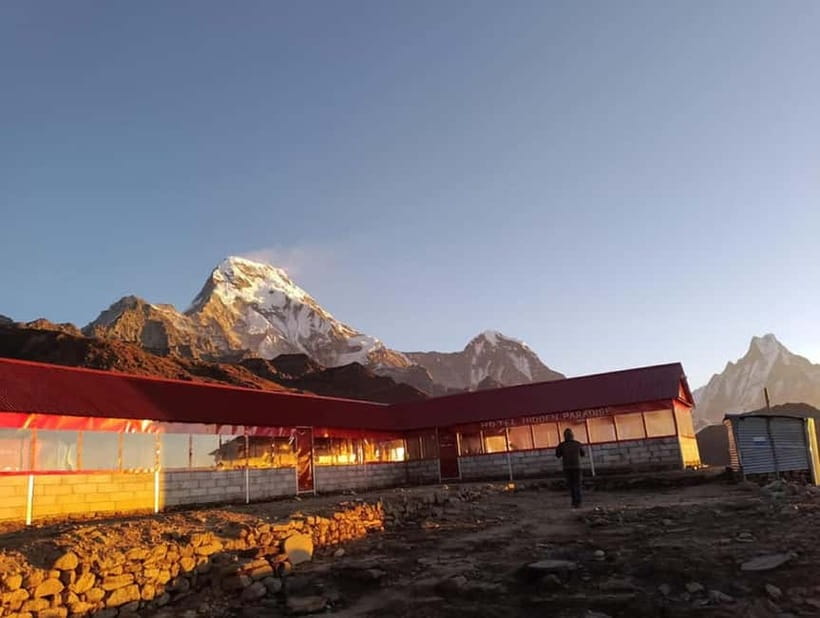
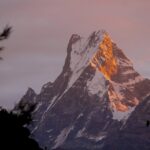
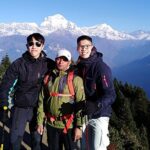
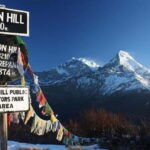
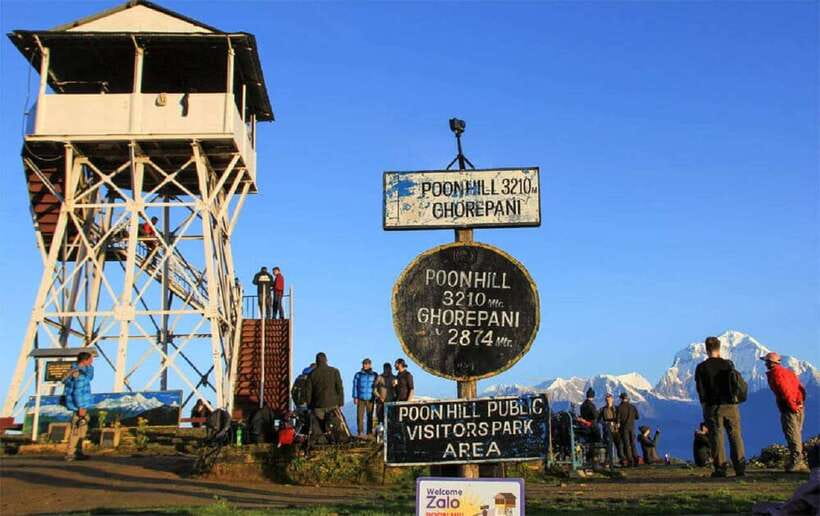
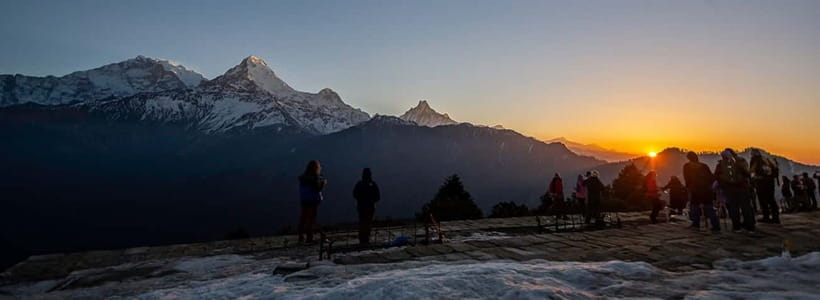
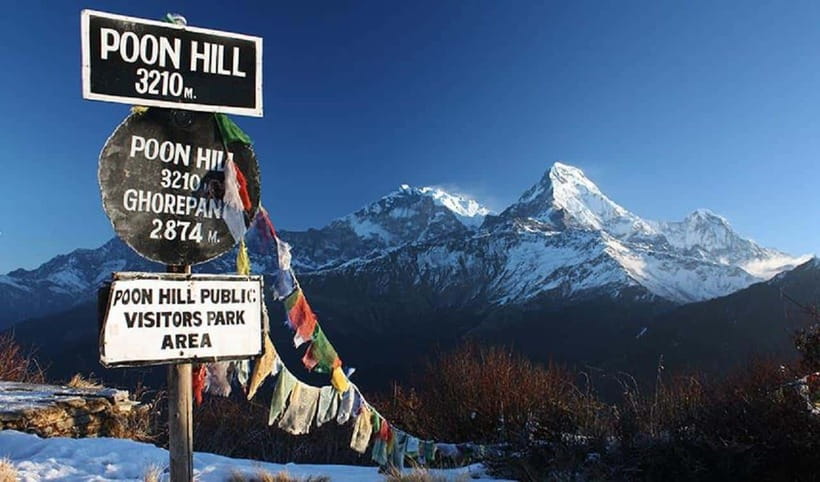
Day three starts with the short, early push to Poon Hill (about 2 to 3 hours from Ghorepani). You’ll climb from Ghorepani (around 2,860m) up to Poon Hill (around 3,210m). The goal is sunrise from the Poon Hill viewpoint, which is the moment most people come for.
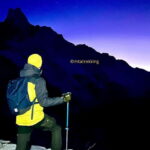
This is the part that’s easiest to underestimate. You’re not just walking a little. You’re hiking in the pre-sunrise window, and it can feel cold even if the afternoon was warm. Good shoes help, and a warm layer matters. The good news is the climb isn’t long in distance. The better news is that your guide can help you find a steady rhythm.
After sunrise, the plan is to hike back to Ghorepani for breakfast. Then you transition downhill from Ghorepani back to Nayapul (about 5 to 6 hours). Finally, you’re picked up for the drive back to Pokhara (about 1 to 1.5 hours).
So you get the big highlight twice in different ways: first with mountain light at the viewpoint, then with the satisfaction of finishing the descent without scrambling for transport. If your knees are sensitive, mention it early to your guide. One key detail from the people who did this successfully: a guide arranged a return bus ride from a closer point when a knee issue popped up near the end.
Ghandruk and Gurung culture: the human side of the Annapurnas
A big reason this trek works as a 3-day experience is that it doesn’t feel like a “straight to the summit” grind. A standout highlight is cultural time in Ghandruk village, tied to Gurung community life.
Even when your trek schedule is tight, this kind of village stop gives you something that mountain views alone can’t. You see how people live at these elevations, what daily life looks like away from the road, and how hospitality works in smaller communities. It also helps you interpret the terrain. When your guide explains what you’re walking through and why villages sit where they do, the whole region becomes easier to understand.
In practical terms, this cultural element is also a morale booster. After long stretches of uphill, a village with friendly faces and food choices makes the hike feel like part of a journey, not just a workout. If you prefer guided conversation and explanations, this trek is a strong match.
Rhododendron forests, flora, and wildlife moments you can actually enjoy
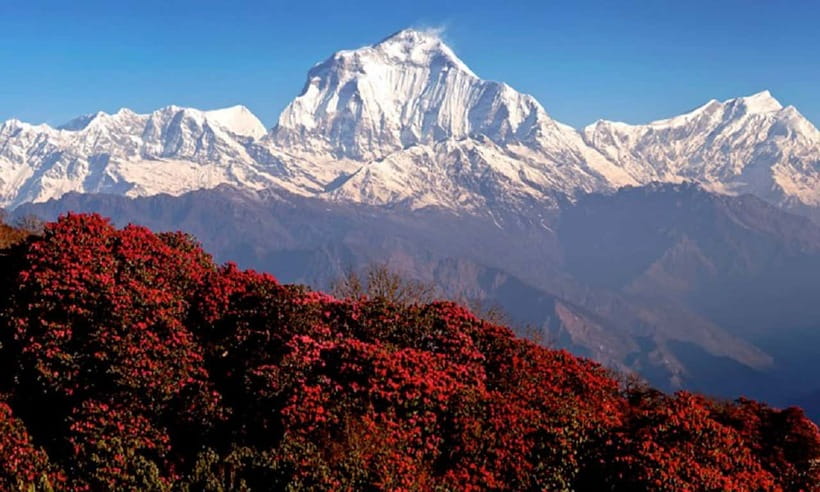
One of the pleasures of this route is variety within a short time. The trek includes sections known for rhododendron forests, which can bring color to your photos and break up the mental monotony that sometimes comes with step-heavy walking.
You’re also in a zone where Himalayan flora and fauna show up in small, realistic ways. That doesn’t mean you’ll guarantee wildlife sightings. But with a guide, you’re more likely to notice what’s around you: different plants at different elevations, small birds, and changes in the forest as you climb.
My practical advice: slow down for 30 seconds during natural breaks and let your eyes adjust. If you’re always rushing to the next viewpoint, you’ll miss the little details that make this trek feel like it has its own rhythm.
Your guide and porter: why support matters on a steep 3-day trek
This trek runs as a private group with an experienced, certified trekking guide. You’ll also have porter support included, and that matters more than most people expect on a compact trek.
The strongest recurring value in the experience is the guide’s ability to tailor pace and help with practical details:
- Guides take breaks when you need them, not just when the schedule says so.
- Many guides are good at explaining what you’re seeing and what to do next.
- If you struggle with menus or ordering food, your guide can help you get the right meals without stress.
- If you have an injury or knee sensitivity, a good guide can help adjust the return plan.
Some guides linked to positive experiences include Laxman, Tanka Dahal, and Sun. Even if you don’t meet those specific names, the lesson stays the same: you want a guide who reads your energy and keeps you moving safely.
Also, there’s an included first aid kit and the guide and porter’s expenses (meals, accommodation, insurance, salary, transportation, and equipment) are handled. That reduces the usual “who pays for what” friction and lets you focus on walking and resting.
What the lodging and food feel like in real life
This is a standard-lodging trek, meaning you’re not expecting luxury hotels. Still, the places you stay are a core part of why this trek gets recommended.
You should expect:
- Clean, welcoming overnight spots (often simple guesthouse style).
- Meals along the way if you choose the option for meals throughout the trek.
- Rooms that are practical for a short trek: warm enough to sleep after hiking and close enough to be convenient.
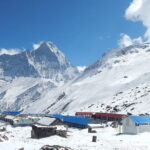
One of the nice things about Ghorepani and the surrounding villages is the view potential. Even when accommodations are basic, the mountains can feel close.
If you’re picky about beds, this isn’t the trek to book expecting padded comfort. But if you want a comfortable base to recover and wake up ready for the next walking segment, the lodging style fits the schedule well.
Transportation and timing: pickups, transfers, and photo stops
Because it’s private, your trip starts with pickup from Pokhara hotels and can include airport-related pickup points. Your route includes breaks and photo stops, including at Nayapul and scenic points like Kaski, Ghode Pani, and Poon Hill.
There’s also a transfer segment that includes a bus/coach portion of about 1 hour. Then you return with the reverse travel flow: walk down to Nayapul, drive back toward Pokhara, and finish around the lake area hotels.
This matters for value because it reduces your planning load. Instead of arranging local buses yourself, you’re using the trek’s built-in structure. The downside is that you’ll be awake and moving early on day three. Sunrise hikes don’t care about your alarm.
Price and value: is $151 a fair deal for a 3-day Poon Hill trek?
At around $151 per person, this trek can feel like a good value because so much is included that usually costs extra on independent trekking days.
What’s included (key value items):
- Round-trip transportation between your hotel/airport and the trek starting point.
- Permits and fees required for the trek.
- A private certified guide and porter support.
- Private accommodation in standard lodging.
- Trekking gear such as trekking sticks and sleeping bags as needed.
- Luggage storage in Pokhara, plus a duffel bag.
- First aid kits and coverage for guide/porter operations.
What’s not included:
- Personal expenses.
Here’s the balanced way to think about it: this is priced for travelers who want the Himalayan experience without stitching together permits, transport, and guide coordination. If you already have trekking experience and local connections, you might DIY it for less. But for most people, the saved time and reduced risk are worth it, especially on a short 3-day schedule.
If your priority is sunrise at Poon Hill plus culture and good guiding, this price is easier to justify. If your priority is maximum comfort and slow, gentle walking, you might consider a longer trek instead.
Fitness and packing: make the steps feel manageable
This trek may be challenging for some participants, mainly because of steep sections and lots of steps. The good news is that your guide can keep your pace steady and your breaks frequent.
Before you go, make sure you’re in good health and have a reasonable level of fitness. If you’re recovering from an injury or you tend to overexert, plan to speak up fast when you meet your guide.
Packing list based on what’s provided and recommended:
- Warm clothing for cold mornings and summit air.
- Hiking shoes and hiking pants (steps and uneven ground demand proper footwear).
- A waterproof bag for protecting your essentials.
- Passport or ID card, plus a copy.
Also, submit a copy of your passport at least one day prior to the trek so the necessary Nepal permits can be obtained. That step is easy to forget, but it’s part of making the trek run smoothly.
Weather can change in the Annapurna foothills. Even if the day starts sunny, bring a rain-ready layer. You’ll feel better if you treat this trek like the hills can switch moods quickly.
Who should book this private Ghorephani and Poon Hill trek
I’d book this if you:
- Want a compact 3-day Nepal trekking experience with major viewpoints.
- Care about both mountains and people, including Gurung culture at Ghandruk.
- Prefer private guiding over a crowded group pace.
- Like the idea of a sunrise hike that’s short enough to be realistic.
I wouldn’t choose it if you’re looking for a slow walking pace, lots of downtime, or mostly flat terrain. This trek is built for movement and effort, even though it stays short.
Should you book this 3-day Ghorephani and Poon Hill private trek?
Yes, if you want maximum payoff in a short time: Annapurna and Dhaulagiri views, Gurung village culture, and a sunrise morning at Poon Hill. The best part is the support. The guides and porters help you keep going safely and comfortably, and that makes a steep 3 days feel far more doable.
Just go in with realistic expectations. Expect steps. Bring warm layers. Respect the pace. If you do that, this trek is one of those rare Nepal experiences where the effort actually leads to a clear payoff.
If you’re comfortable with hiking and want a guided, permit-handled plan, this is a strong booking. If you want a gentler route, consider extending the days elsewhere before you commit.
FAQ
How long is the Pokhara to Ghorepani and Poon Hill private trek?
The duration is 3 days.
What’s the starting point and how do pickups work?
Pickup is optional from hotels in Pokhara Valley. You should wait at the main entrance about 10 minutes before your pickup time and look for a vehicle with the company logo or a guide holding a sign with your name. There are also multiple pickup options listed, including Pokhara Lakeside and Pokhara International Airport.
Is this trek private or shared with other groups?
It’s a private group.
Do I need permits for this trek?
Yes. Permits and trek fees are included.
Do I need to send my passport copy ahead of time?
Yes. You’re asked to submit a copy of your passport at least one day prior to the trek for permit processing in Nepal.
What languages does the live guide speak?
The live tour guide speaks English, Hindi, and Nepali.
What’s included in the trek price?
Included items cover round-trip transportation between your hotel/airport and the trek starting point, permits and fees, a certified guide (and porter support), private standard lodging, trekking gear such as trekking sticks and sleeping bags as needed, luggage storage in Pokhara, a duffel bag, first aid kits, and all guide and porter expenses.
Are meals included?
Meals are included throughout the trek if you choose that meals option.
What should I bring for the trek?
Bring warm clothing, hiking shoes, hiking pants, a waterproof bag, and your passport or ID card (a copy is accepted).
Is cancellation possible if plans change?
You can cancel up to 24 hours in advance for a full refund.