REVIEW · KATHMANDU
Langtang valley trek
Book on Viator →Operated by Gokyo Treks and Expedition Pvt Ltd · Bookable on Viator
Higher passes, warmer lodges, better stories. This Langtang valley trek pairs the Langtang range (think Langtang Lirung at 7,227m) with Gosainkunda’s sacred lakes and Helambu’s Buddhist villages, plus big moments like crossing toward the Tserkuri area at 4,900m and heading for Suryakunda and the 15,187 ft pass. I also like that the pace is built around comfortable mountain lodges and local food—so you’re not just surviving the day.
The second thing I like: you get an English-speaking license holder trek guide and a porter setup geared for comfort and safety, with bus transfers from Kathmandu to Syabrubensi and back. If you’ve seen guides named Rajesh, Bishnu, Prem, or Kamal connected to this kind of trek, that tracks with the overall feel here—clear communication, professional care, and a team that keeps things moving.
One drawback to weigh up front: on trekking days you’ll stay in lodges without attached bathrooms, and the package doesn’t cover extra comforts like drinks, desserts, battery charging, laundry, or showers. Also, Nepal entry visa cost (US$40) is extra.
In This Review
- Key things I’d circle before you book
- Langtang Valley, Gosainkunda and Helambu: What You’re Really Getting
- Price and Logistics: Getting Permits, Staff, and Most Meals Covered
- Altitude Reality Check: Passes Up to 15,187 ft
- Day-By-Day Flow from Kathmandu to Langtang, Gosainkunda, and Helambu
- Day 1: Kathmandu → Syabrubensi, then settle in
- Day 2–3: Langtang valley trekking toward major holy/monastery stops
- Day 4: Tserkuri direction and the run-up to the pass country
- Day 5: Suryakunda lakes, Gosainkunda pilgrimage, and the 15,187 ft pass day
- Day 6: Helambu villages and the long finish back toward Kathmandu
- Lodges and Food: Comfort That Actually Matters on a Trek
- Guides, Porters, and Team Energy: Why the Trek Feels Managed
- Gosainkunda and Suryakunda: More Than a Photo Stop
- Who Should Book This Trek—and Who Should Think Twice
- Should You Book This Trek?
- FAQ
- How long is the Langtang valley trek?
- What is the price per person?
- What does the price include?
- Do I need a Nepal visa?
- Is pickup or transport provided?
- What are the lodges like during trekking days?
- Is travel insurance required?
- When can I cancel for a full refund?
Key things I’d circle before you book
- Bus transfers Kathmandu ↔ Syabrubensi so you’re not stress-scheduling day one and the final day.
- Langtang National Park permits included for a smoother trip through protected areas.
- Lodge accommodation for 6 nights on the mountain side (shared bathroom setup while trekking).
- Gosainkunda pilgrimage focus with time around the lakes and religious sites.
- A high pass up to 15,187 ft (about 4,630m) with views and altitude pressure.
- Guide + porter support using a 2-guest to 1-porter basis.
Langtang Valley, Gosainkunda and Helambu: What You’re Really Getting
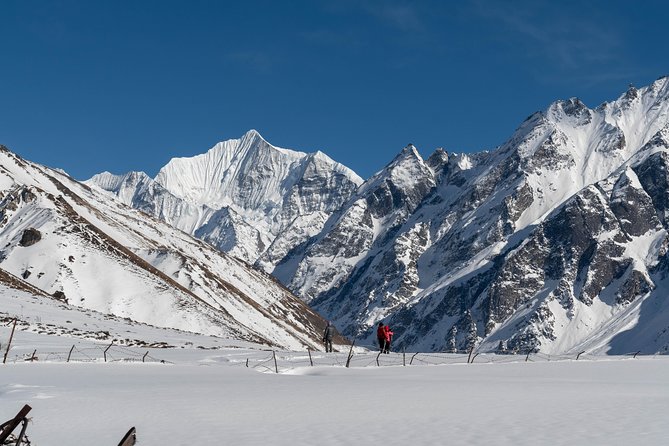
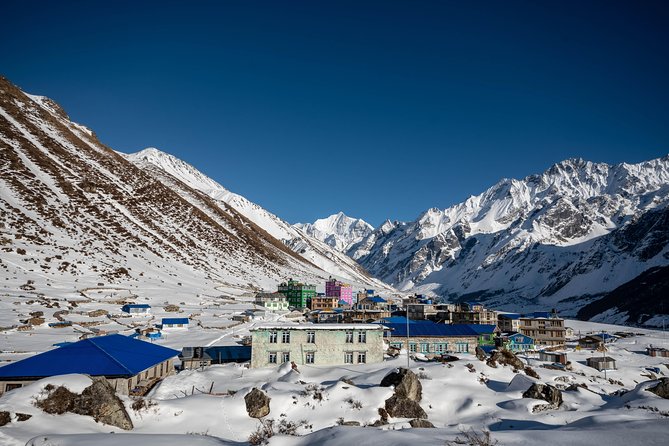
This trek is a “mountains plus meaning” combo. You’re not just hiking scenery in the Langtang Himalayan range dominated by peaks like Langtang Lirung (7,227m) and Xisapangma (8,103m). You’re also walking into a place with a story: the legend says a lama following a runaway yak found the valley—Lang means yak in Tibetan, Tang comes from “follow,” giving Langtang its name. That matters because the route includes Gosainkunda, which is treated as an important pilgrimage destination.
Then you link that pilgrimage vibe to the practical side of trekking. The operator builds the trip around comfortable lodge stays and “delicious cuisines” served by locals. In plain terms: you’ll spend your energy on walking and acclimatizing, not on hunting down food options at the end of each long day.
Finally, you add Helambu villages into the mix. Helambu is a great place to notice Buddhism in everyday life—monastery culture, village rhythm, and the calm feeling you get when a trek shifts from “climb mode” into community discovery.
You can also read our reviews of more tours and experiences in Kathmandu.
Price and Logistics: Getting Permits, Staff, and Most Meals Covered
At $618.75 per person for a roughly 6-day trek, the value comes less from “cheap trekking” and more from what’s bundled. This price includes:
- 6 nights of mountain lodge accommodation
- Food on the trail: 6 lunches, 6 dinners, and 5 breakfasts
- Bus transfer from Kathmandu to Syabrubensi and back
- Langtang National Park permits
- An English-speaking licensed trek guide, plus a 2 guests to 1 porter ratio
- Pay and support for Nepali trekking staff
That’s the real money question for treks: will you be left to arrange logistics, permits, meals, and reliable staff while you’re tired and adjusting to altitude? Here, most of those pain points are handled.
What’s not included is also pretty clear, and you should plan around it:
- Nepal entry visa fee (US$40)
- Lunch and dinner in Kathmandu (this trek mainly covers meals once you’re on the trail)
- Personal trekking gear and clothing
- Travel insurance (mandatory in case of emergency)
- Tips (not compulsory, but highly expected)
- Battery charging, laundry, phone calls, and showers
- Drinks and desserts during the trek
So I’d treat the quoted trek price as the “trail package cost,” then add a realistic buffer for visa, personal extras, and your insurance.
Altitude Reality Check: Passes Up to 15,187 ft
The tour includes a high pass at 15,187 ft (15,187 ft), and it also references the Tserkuri peak at 4,900m. That combination is a reminder: even if the trek is described as accessible for “most travelers,” altitude still decides how the day feels.
Here’s the practical way to handle that without guesswork:
- Expect at least one harder day where the pass segment dominates the schedule.
- Take breaks before you feel wrecked. Don’t wait until you’re gasping.
- Hydrate steadily. Cold weather tricks you into drinking less.
- If you have any history of breathing issues, talk to a medical professional before you go.
You’ll also notice in the route emphasis—Suryakunda lakes and the Gosainkunda area. Lakes country can look “pretty easy” on a map, but the path up to the sacred basin and pass edges is what will test you.
Day-By-Day Flow from Kathmandu to Langtang, Gosainkunda, and Helambu
You start in Kathmandu, then the trip quickly turns into mountain time with a bus transfer to Syabrubensi. From there, the trek runs in a logical mountain arc: Langtang valley up toward sacred sites, then over the high pass, then down toward Helambu villages before returning.
Day 1: Kathmandu → Syabrubensi, then settle in
The key goal on day one is to move you out of Kathmandu and into trekking rhythm. You’ll begin with bus transfer and then get your first nights’ lodge accommodation in the mountain area.
Practical tip: day one is where you should organize your layers and charging strategy, because you’ll later be in a zone where battery charging isn’t part of the package.
Day 2–3: Langtang valley trekking toward major holy/monastery stops
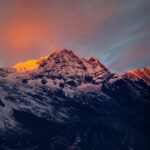
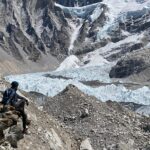
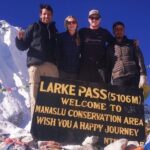
This is where the Langtang valley portion does its work—walking through the heart of the region associated with Langtang Lirung and the surrounding peak family. A highlight that comes up in the trek’s wider route is reaching Kyanjin Gompa. Gompa stops add two benefits:
1) you get a natural place to rest
2) you see how Buddhism is stitched into daily mountain life
You’ll be in lodge accommodation on these nights, with meals that keep you fueled for the next hiking window.
Day 4: Tserkuri direction and the run-up to the pass country
The trek description calls out crossing over the Tserkuri peak area (4,900m), plus the broader high-country feel as you push toward the big crossing. This is the day where pacing matters most. If you go too hard early, the pass day punishes you later.
Also, you’ll start thinking less about “how far is left?” and more about “how steady can I walk?” That mental shift is what turns a tough trek into a doable one.
Day 5: Suryakunda lakes, Gosainkunda pilgrimage, and the 15,187 ft pass day
This is the emotional peak of the route. The trek highlights Gosainkunda as an important pilgrimage destination and includes time around the Suryakunda lakes. Then you face the high pass at 15,187 ft.
What makes this section special isn’t only the elevation—it’s that the lakes are spiritually loaded. You’re walking in a space where people come for more than views. That makes the day feel quieter and more focused, even when the trail is busy.
Practical tip: bring a headlamp and keep your essentials easy to grab. High pass days can mean early starts and late finishes, even if the trekking pace is controlled.
Day 6: Helambu villages and the long finish back toward Kathmandu
The trek transitions to Helambu villages, described as a great valley to discover Buddhism. This is the softer landing after pass pressure. You’re still hiking, but you’re likely thinking more about conversation, culture, and slowing down your breathing.
The package then ends back at the meeting point, with the return flow to Kathmandu. You’ll have enough logistics support to get you home without having to negotiate the last steps on your own.
Lodges and Food: Comfort That Actually Matters on a Trek
One of the big selling points here is the promise of comfortable accommodation and food run by local inhabitants. On trekking days, lodging has no attached bathroom, which is standard for many Nepal trekking routes, but the inclusion of 6 nights lodge stays removes uncertainty.
Food coverage is solid: you get 6 lunches and 6 dinners (plus 5 breakfasts). That matters because if you’re relying on a hit-or-miss menu after a pass day, you can lose energy fast. With meals planned, you can focus on eating the right kind of fuel: warm meals, carbs for walking days, and not skipping because you’re too tired.
Just remember what isn’t covered: battery charging, laundry, phone calls, showers, drinks, and desserts. If you want extra comfort, budget for it, and don’t assume you can plug in whenever you want.
Guides, Porters, and Team Energy: Why the Trek Feels Managed
This trek includes an English-speaking licensed guide and a porter system set at each 2 guests to 1 porter basis. That ratio signals a simple idea: the trek isn’t built for “struggle together and hope.” It’s built for moving as a team so you don’t arrive at a lodge with everything heavy still on your back.
The operator’s reputation in the materials you provided leans hard toward organization and professional care. Names like Ammar (owner/organizer), and guides such as Rajesh, Bishnu, Prem, and Kamal show up connected to trekkers who felt safe, supported, and treated with real kindness—often the difference between a trek that feels smooth and one that feels chaotic.
Practical advice: treat your guide as your best information source. If you’re unsure about pace or symptoms on a high-altitude day, don’t tough it out silently. Ask. Good guides expect questions.
Gosainkunda and Suryakunda: More Than a Photo Stop
Gosainkunda isn’t just a name on a route. The tour frames it as a pilgrimage destination, and the inclusion of Suryakunda lakes reinforces that you’re hiking into a sacred landscape with cultural gravity.
A good way to experience this section (besides taking photos) is to slow down once you reach the lakes area. Walk a bit, pause, notice the people moving with purpose, and give your body time to adjust to the day’s altitude. The lakes and pilgrimage sites tend to make trekkers forget to breathe slowly. Don’t do that.
Also keep in mind the pass altitude. Even if you feel okay on the final approach, the descent and recovery still matter.
Who Should Book This Trek—and Who Should Think Twice
This trek says most travelers can participate, which points to a route design meant to be reachable with the right effort and planning. It’s especially good if you want:
- A multi-part experience: Langtang valley + lakes pilgrimage + Helambu villages
- Lodge trekking with meals handled for you
- A guided experience with a porter support structure
- A route with a clear emotional arc (valley walking → sacred lakes → pass day → village landing)
You might think twice if:
- You’re very altitude-sensitive and don’t have a strong plan for acclimatization and pacing.
- Shared-lodge bathroom setups won’t work for you.
- You expect drinks, desserts, charging, or showers to be included. They aren’t.
If you’re the type who likes walking, history-by-living-culture, and a trek that feels meaningful rather than only scenic, this fits well.
Should You Book This Trek?
If you want a practical, guided package that includes permits, staff, lodge nights, and most trail meals, this is a strong choice. The added value is the combination: Langtang valley trekking tied directly to Gosainkunda, plus Helambu village culture after the hard stuff.
I’d book it when:
- you want the logistics handled (bus transfer, guide, permits, meals)
- you’re excited by pilgrimage sites, not just viewpoint chasing
- you can handle at least one day shaped by the 15,187 ft pass in the plan
I’d pass or look for an easier alternative if:
- you’re uncomfortable with lodge living without attached bathrooms
- you don’t want to plan around extra trek-day costs like charging, drinks, and personal comforts
FAQ
How long is the Langtang valley trek?
The trek is listed as 6 days (approx.).
What is the price per person?
The price is $618.75 per person.
What does the price include?
It includes 6 nights lodge accommodation in the mountains, the bus transfer from Kathmandu to Syabrubensi and back, an English speaking license holder trek guide with each 2 guest 1 porter, Langtang National park permits, staff food/salary, and trail meals: 6 lunches, 6 dinners, and 5 breakfasts.
Do I need a Nepal visa?
Yes. The Nepal entry visa fee is not included and is listed as US$ 40.
Is pickup or transport provided?
You get bus transfer from Kathmandu – Syabrubensi and to Kathmandu, and the start/end meeting point is back at the same area in Kathmandu.
What are the lodges like during trekking days?
You’ll have lodge accommodation without attached bathrooms while on trekking days.
Is travel insurance required?
Yes. Travel insurance is listed as mandatory in case of emergency.
When can I cancel for a full refund?
You can cancel up to 24 hours in advance for a full refund. If you cancel less than 24 hours before, the amount paid is not refunded.