REVIEW · PUCON
Trekking Mirador el volcano + Geometric hot springs
Book on Viator →Operated by Rutas Outdoors · Bookable on Viator
Snow, volcano views, and hot springs in one day.
You get a full mountain-to-thermal rhythm: a drive out of Pucón, a trek through native forest and araucarias (about three hours), then a relaxing shift to the Geometric Baths with 20 natural hot pools. After the climb, the day turns surprisingly elegant—walking paths cut through a natural ravine around the pools, with architecture that feels made for the landscape.
I really like the way the hike climbs from around 900 meters up to the southern face of Villarrica, then leaves the vegetation behind as you near the volcano skirt. The guide approach matters too: in real-world examples, guides like Bos and Blas are described as supportive on the uphill and sharp at navigation, which is exactly what you want when weather turns or footing gets tricky.
One possible drawback: the trek is rated medium but it can feel sporty—especially with snow or thicker conditions. If the weather is poor, the views from the top can be limited, though the forest and the thermal payoff still make the day worthwhile.
In This Review
- Key things that make this day special
- Pucón to Villarrica: why the drive matters more than you think
- The Mirador el volcano trek: from araucarias to the Villarrica skirt
- The uphill feel: what medium means in practice
- What the guide helps you do
- Geometric Baths: thermal pools plus a real walking circuit
- Why the “geometry” vibe works after hiking
- What you should bring so the baths don’t turn annoying
- Timing and the 8-hour flow: how not to run out of steam
- Price and value: what $195 buys you (and what it doesn’t)
- Weather realities: when the view changes, the day still can work
- Who this tour suits best (and who should think twice)
- Should you book Mirador el volcano + Geometric Hot Springs?
- FAQ
- How long is the trek and the overall tour?
- Where does the tour start and end?
- What time does the tour start?
- Is this tour private?
- What’s included in the price?
- What should I bring since snacks and swimwear aren’t included?
- How difficult is the hike?
Key things that make this day special
- A 3-hour trek starting around 900 meters with a steady climb and changing terrain
- Forest-to-volcano progression: native forest and araucarias up top, then the treeless volcano skirt
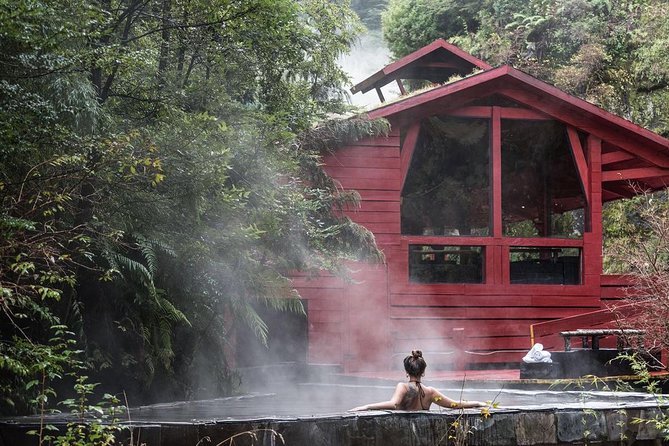
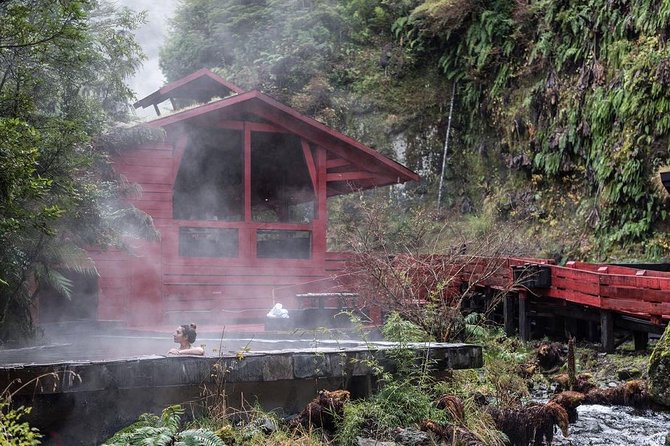
- Geometric Baths after the hike: 20 natural thermal pools to unwind
- 450 meters of walkways over a natural ravine, so you’re not just sitting in one spot
- Supportive, experienced guiding that helps you handle the uphill and route
- A clean, well-organized bathing setup that makes post-hike soaking feel easy
Pucón to Villarrica: why the drive matters more than you think
This tour is built as a day out, not a quick half-hour shuffle. You start in Pucón at Colo Colo 485 at 8:30 am, and you’ll ride about 90 kilometers toward the Coñaripe area. Then you take an interior road between Coñaripe and Palguín, and you turn off at kilometer 16 to begin the hike.
That drive isn’t just transportation. It’s what gets you into the right start zone—high enough (around 900 meters) that the trek feels like a real outing, but not so high that it turns into an endurance test. Because it’s private transportation, you’re less likely to waste time waiting around, and the timing stays focused: hike, return, soak.
If you’re the type who likes a plan you can feel, this is one. The itinerary is long enough to matter, but it’s not so long you’re out of commission for the rest of the day.
The Mirador el volcano trek: from araucarias to the Villarrica skirt
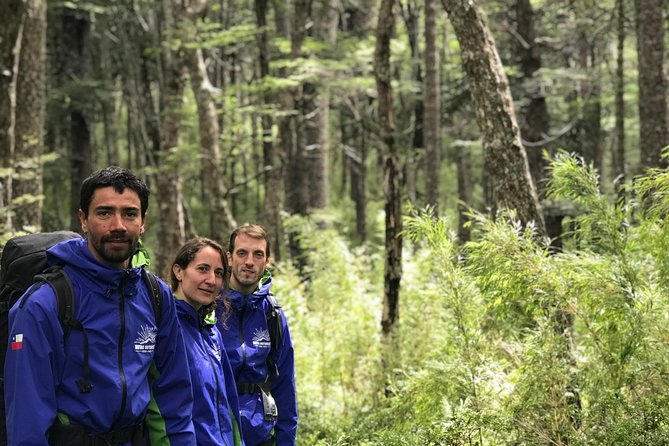
The hiking portion runs for about 3 hours, and the route is described as moving between native forest and araucarias. That matters because you don’t start out staring at rock and ice—you start in a living, changing environment. The sounds and the texture of the walk are different when you’re among trees versus when you’re climbing into open volcanic terrain.
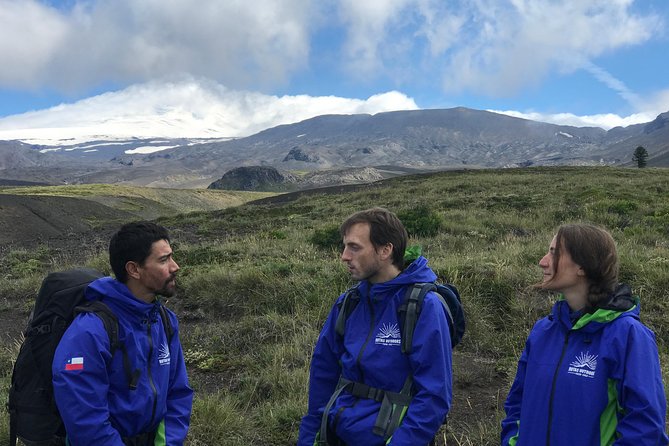
As you gain elevation, you eventually reach the skirt of the Villarrica volcano on its southern face. This is the moment where the vegetation falls away, and the experience shifts from forest trekking to a more exposed, mountain-feeling climb. It’s also where the payoff potential is highest: in one set of experiences, hikers were able to see four volcanoes from the top.
Now, let’s keep it real: that kind of view depends on weather. With poor conditions or thick cloud, the top may be less dramatic visually than you hoped. But even then, the forest walk can still feel special, and the day doesn’t collapse. If you come ready for the outdoors regardless of the sky, you’ll likely enjoy it more.
The uphill feel: what medium means in practice
Difficulty is marked as medium, yet the feedback you’re given points to an uphill that can be intense. In snowy or heavier conditions, the climb can be tougher from the start, and footing can get demanding.
So here’s my practical advice: treat medium as medium-athletic, not casual stroll. You don’t need to be a mountaineer, but you should be comfortable walking uphill for sustained stretches and keeping steady steps.
What the guide helps you do
This is where the guide makes a big difference. Experiences highlight that guides such as Bos and Blas can be supportive and smart about navigation. That’s useful in two ways:
- It reduces stress if visibility drops.
- It keeps you moving with confidence rather than guessing where to step.
If you’re traveling with confidence issues on rocky or snowy ground, a strong guide approach is the difference between a shaky scramble and a controlled hike.
Geometric Baths: thermal pools plus a real walking circuit
After you return to the trek starting point, the tour shifts to the Geometric Baths, located in the same enclosure. This part is designed like a reward, but it’s also built to keep you moving in a relaxed way.
You get access to 20 natural thermal pools. Instead of one soaking tub and done, you’ll have a circuit of different pool options, each one changing the feel depending on temperature and how much steam you’re in.
The layout is another selling point: there are 450 meters of walkways that run through a natural ravine. That means you’re not stuck in one flat area. You’ll walk among pools, cross the paths, pause, soak, and repeat—without feeling like you’re cramming your body into one spot for hours.
Why the “geometry” vibe works after hiking
The baths aren’t just there for heat. The walkways and the way the structures meet the rock create a clean visual contrast with the outdoors around you. In snowy or cold conditions, it’s the kind of setting where steam, heat, and ice-cold air play off each other. The result can feel extra satisfying when you’re coming off a climb.
Also, the bathing facilities are described as clean and well organized, with nice staff. That matters more than people expect. After a sporty trek, you want a smooth transition: change fast, find a pool without confusion, and spend your energy relaxing instead of sorting logistics.
What you should bring so the baths don’t turn annoying
Swimwear is not included. Bring it. Also expect that you’ll be damp from the hike and then warm from the water—so having your gear and towel situation sorted helps a lot.
Snacks aren’t included either, so if you’re the type who gets hungry during the hike, plan a small pre-hike snack or something you can eat beforehand.
Timing and the 8-hour flow: how not to run out of steam
The tour runs for about 8 hours total. That’s enough time for a real hike and a meaningful soak, but it also means you should pace yourself from the start.
A good mental rhythm looks like this:
- Start early (8:30 am).
- Focus on steady trekking for roughly 3 hours.
- Return and switch gears into the baths circuit.
- Use the pools as recovery, not as an all-or-nothing endurance challenge.
If you go hard on the uphill, you might enjoy the hike more in the moment but then feel slower during the bath walkways. If you go steady, you’ll likely get more out of both halves of the day.
Price and value: what $195 buys you (and what it doesn’t)
The price is $195 per person. For a day that includes both a guided trek and timed access to thermal pools, it can work out as good value—especially because several key costs are folded in.
Included:
- Technical team
- Accident insurance
- Certified professional guide
- Entrance to the National Park
- Private transportation
Not included:
- Snacks
- Portage
- Swimwear
Here’s how I’d translate the value: you’re paying for a guided experience that covers transport, access, and safety basics, plus a structured end point at the thermal baths. If you tried to do this on your own, you’d likely spend time coordinating transport and park entry, and you could easily lose the “turn one problem into two hours of relaxation” flow the tour provides.
The only clear cost pressure is personal: you’ll need to handle your own food/snacks and bring swimwear. If you show up without snacks, you might feel it during the hike. If you forget swimwear, you’ll lose the easiest part of the day.
Weather realities: when the view changes, the day still can work
This experience depends on good weather. That’s not the kind of tour where the plan survives in rain or severe conditions without compromises.
Also, views can be weather-dependent. In clearer conditions, the top can deliver dramatic panoramas—like the example of seeing four volcanoes. But if you’re unlucky with visibility, you won’t get the same sight show.
So plan for two versions of the day:
- The best-case version includes big volcanic viewpoints.
- The backup version is still a strong nature hike through forest and araucarias, followed by serious thermal recovery.
If you’re the kind of traveler who can enjoy a hike even when the summit is hidden, you’ll likely have a great day.
Who this tour suits best (and who should think twice)
This is a strong fit if:
- You love hiking and want a real climb rather than a flat stroll.
- You want a nature-forward day that ends with an actual recovery session in thermal water.
- You like guided safety and direction, especially in variable conditions.
You might think twice if:
- You want a gentle walk with minimal uphill effort. Even though it’s rated medium, the uphill can feel intense.
- You’re not comfortable with cold or wet conditions if snow shows up.
- You’re counting on perfect summit views. Weather matters here.
Should you book Mirador el volcano + Geometric Hot Springs?
I’d book it if you want your Pucón day to mix two things that work extremely well together: a guided mountain hike toward Villarrica’s southern face, then a thoughtfully designed thermal soak with 20 pools and 450 meters of walkways.
It’s not a luxury-only day, and it’s not a flat sightseeing route. But that’s the point. The hike gives you a reason to feel good afterward, and the baths give you a way to recover without rushing.
If you’re physically ready for medium hiking and you pack the basics (especially swimwear and a plan for snacks), this can be one of those trips that actually changes how you feel—because you earn the warm water.
FAQ
How long is the trek and the overall tour?
The hiking portion lasts about 3 hours, and the full experience takes about 8 hours in total.
Where does the tour start and end?
It starts at Colo Colo 485, 4920474 Pucon, Pucón, Araucanía, Chile and ends back at the same meeting point.
What time does the tour start?
The start time is 8:30 am.
Is this tour private?
Yes, it’s a private tour/activity, and only your group will participate.
What’s included in the price?
Included are the technical team, accident insurance, a certified professional guide, entrance to the National Park, and private transportation.
What should I bring since snacks and swimwear aren’t included?
Bring snacks if you need them during the day, and pack swimwear for the baths.
How difficult is the hike?
The difficulty level is medium, and it’s best for travelers with a moderate physical fitness level.