REVIEW · KATHMANDU
Everest Base Camp Trek
Book on Viator →Operated by Nepal Trekking Experts Pvt. Ltd. · Bookable on Viator
Tea houses, yak trails, and big-mountain calm. This 12-day Everest Base Camp trek is interesting because you combine classic high-altitude scenery with real mountain life—tea-house nights and cultural stops in villages and historic monasteries. I especially like the small-group setup and the way the trek is paced around roughly 6–7 hours of hiking a day, plus guided education on the mountains’ flora and fauna. One drawback to weigh: you need a strong fitness level, and the experience is weather-dependent in the Himalayas.
What I like most is that the trip is truly set up for trekkers who want “all-in” help: accommodation, meals, permits/fees, and an experienced guide are included, so you can focus on putting one foot in front of the other. You’ll also get convenient support like hotel pickup and drop-off in Kathmandu, and the operator is responsive in tricky moments (like flight delays) based on past guide-led experiences with their team in Nepal. Just note that drinks during the trek—especially bottled water and soft drinks—are not included, so budget for that upfront.
In This Review
- Key things I’d plan for before you go
- Everest Base Camp: what this trek really delivers
- Kathmandu start and the human logistics that matter
- The 12-day trek rhythm: hiking effort and tea-house nights
- Reaching Everest Base Camp: why the journey feels bigger than the destination
- Culture stops: villages and historic monasteries on your way up
- Guide quality: the difference between a trek and a trek that goes smoothly
- Price and value: what $1,590 covers (and what it doesn’t)
- What you’ll pack for a tea-house Everest Base Camp trek
- Cancellation and weather reality (keep it in mind)
- Who should choose this trek
- Should you book Nepal Trekking Experts for Everest Base Camp?
- FAQ
- How long is the Everest Base Camp trek?
- What is the price per person?
- How long do you hike each day?
- Is this a small group?
- What’s included in the tour price?
- What is not included?
- What fitness level do I need?
- What is the cancellation policy?
Key things I’d plan for before you go
- Max 10 travelers: less crowd pressure, easier group coordination, and a better feel for the trek’s rhythm
- Daily 6–7 hour hiking blocks: steady effort most days, with tea-house overnights to recover and reset
- All-inclusive trek basics: meals, guide, accommodation, national park fees, and permits are covered
- Sherpa hospitality in tea houses: you sleep in simple mountain lodges and eat local-style food along the trail
- Culture stops along the way: villages and historic monasteries add meaning beyond just the summit views
- Weather can change plans: the tour needs good conditions, so be ready to shift dates if needed
Everest Base Camp: what this trek really delivers
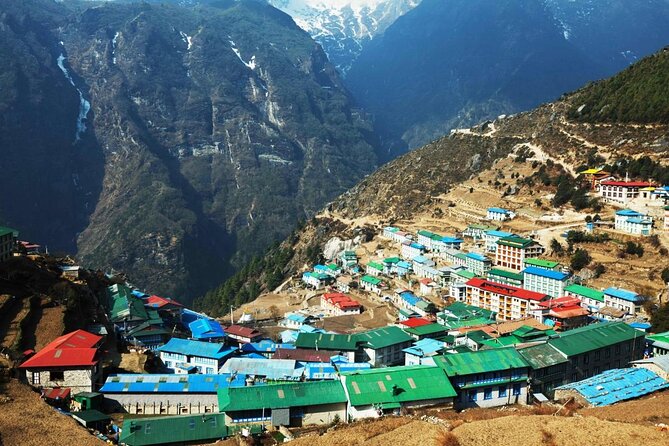
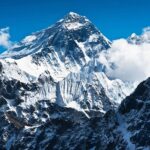
Everest Base Camp is famous for a reason: it’s where the world’s tallest mountain stops being an idea and becomes a physical presence. This trek is built around reaching the base camp at the foot of Everest while also giving you time to notice the smaller stuff—daily life in the region, how people adapt to the altitude, and what the mountains look like when you’re moving through them day after day.
I like that this isn’t sold as a “just hike and forget it” deal. You get guidance on the mountains’ plants and animals, and you also visit villages and historic monasteries along the route. That kind of context changes how you see the journey: you’re not only collecting views, you’re understanding why this place matters to the people who live there.
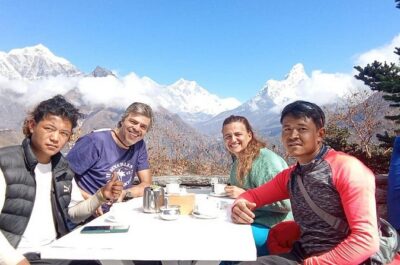
The other big factor is the tone of the trek: Sherpa hospitality and tea-house comfort are part of the core experience. Tea houses are basic—think warm rooms when available, simple meals, shared spaces—but that’s also the point. It’s a trek where you learn how to slow down, eat what’s offered, and recover without expecting luxury.
You can also read our reviews of more tours and experiences in Kathmandu.
Kathmandu start and the human logistics that matter
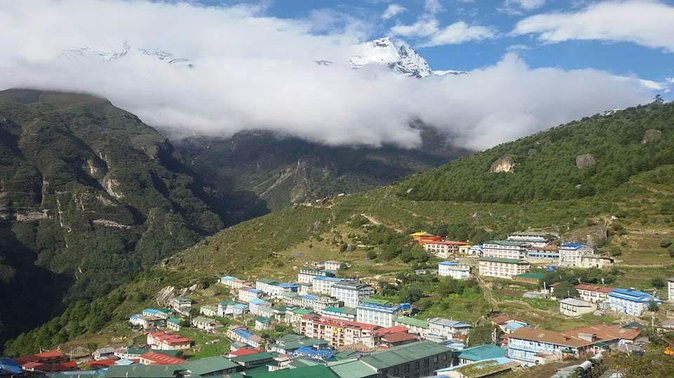
Your trip is based in Kathmandu, Nepal, with hotel pickup and drop-off included. That sounds simple, but in practice it matters a lot when you’re dealing with Nepal timing, possible pre-trek admin, and jet lag.
You’ll also want to keep your paperwork ready. At booking, the operator requires passport name, number, expiry date, and country for all participants. This is one of those details that can feel tedious until you’re standing around in an office later wishing you’d done it right the first time.
Also pay attention to timing windows for meeting points and support hours: they list operating hours from 6:15 AM to 10:45 PM, daily. In plain terms, it’s useful if you land late, need last-minute check-ins, or want help coordinating early travel days.
The 12-day trek rhythm: hiking effort and tea-house nights
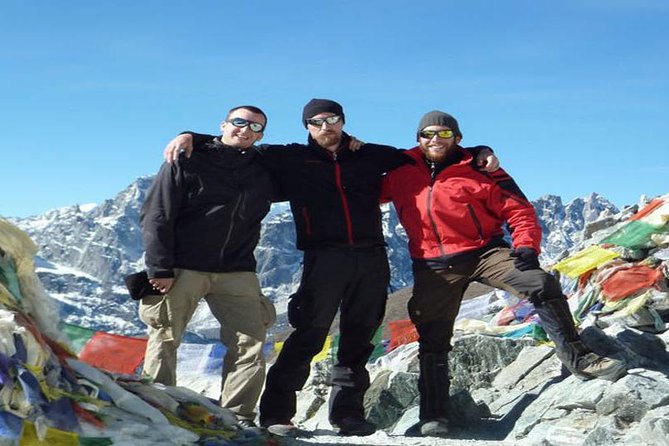
The core “engine” of this trip is straightforward: you hike about 6–7 hours each day in the Himalaya region and sleep overnight in tea houses. That repeated rhythm is what makes the trek feel manageable (and also what makes it demanding).
Why this matters: when the hiking time is consistent, you can train your body around that routine instead of guessing what each day will cost you. It also helps your mind settle into a pattern—wake up, eat, hike, rest, repeat—rather than constantly adjusting to surprise effort.
Tea-house nights are the practical backbone of the experience. You’ll eat meals as per the itinerary (breakfast, lunch, dinner are included), and you’ll stay in accommodation provided by the trek plan. You’re not searching for beds or negotiating with vendors every evening; you’re trekking, guided and scheduled.
One planning note: while meals are included, drinks during the trek are not. That includes things like cola, Fanta, mineral water, and similar items. In the mountains, water access and snack options can vary, so it’s smart to budget for beverages and any small comforts you want.
Reaching Everest Base Camp: why the journey feels bigger than the destination
You’ll reach the famous Everest Base Camp at the foot of the world’s tallest mountain. That alone is the headline. But the real value is that your days leading up to base camp include villages and historic monasteries, plus guided learning about local nature.
When you’re trekking, every day gives you a new angle on the same range. You’ll be watching how the mountains change with altitude, light, and weather. That’s part of what makes Everest so special: it looks different depending on where you are and how the day is treating you.
This trek also leans into education, not just distance. You learn about flora and fauna along the way, and those stops help you pay attention when your legs want to go on autopilot. It’s a nice balance, especially if you’ve done other hikes where the “guide” mostly focuses on distance tracking.
Culture stops: villages and historic monasteries on your way up
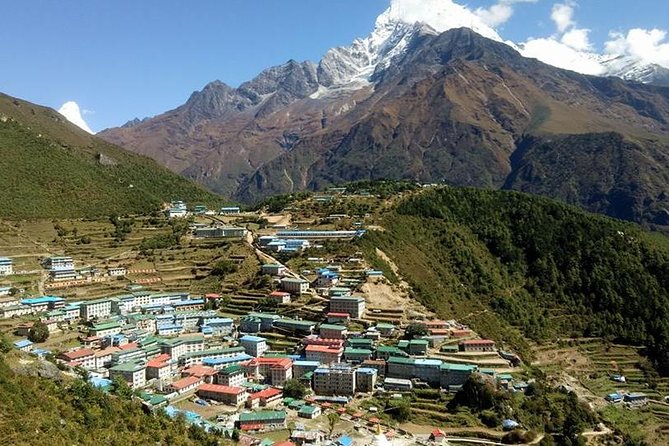
One of the understated strengths of this trek is that it builds in time to interact with mountain culture. The itinerary includes visits to villages and historic monasteries along the route.
These stops matter because Everest can turn into a one-note quest. Monasteries and villages remind you that this is not a theme park. It’s living geography—people have traditions shaped by altitude, seasons, and limited resources.
You should also know that the temple/monastery entrance fees are not included. If you care about visiting every site along the way, bring extra cash for those individual entry costs. It’s common for optional fees to vary by site, and this trek explicitly calls those out as your responsibility.
Guide quality: the difference between a trek and a trek that goes smoothly
The trek includes an experienced, professional guide, and the standout theme in past experiences is how reliable and responsive the team is. Names that show up in prior trek stories include Rajesh (often mentioned as the owner and point person), along with guides like Dinesh, Orsun, Resham, and Prakash.
What you can reasonably expect from a guide like this, based on those accounts: clear communication before you arrive, calm problem-solving during travel hiccups, and pacing that helps you keep going when the day gets tough. One story highlights how Rajesh stepped in when a flight was delayed, helping make a connection onward for the trek. That kind of support matters in Nepal, where weather and schedule changes happen.
Also keep in mind group size: the maximum is 10 travelers. A smaller group tends to make it easier for the guide to notice who needs to slow down, who wants a longer break for views, and who might be pushing too hard.
Price and value: what $1,590 covers (and what it doesn’t)
At $1,590 per person for a roughly 12-day trek, the value comes from what’s included rather than what’s “extra.” This package covers accommodation as per itinerary, meals as per itinerary, national park fees, local taxes, and professional guide support. It also includes hotel pickup and drop-off in Kathmandu.
That’s a big deal if you’d otherwise have to piece those things together yourself. Once you’re in Nepal trekking logistics, costs add up fast: permits/fees, guide time, and the chain of tea-house arrangements aren’t things you can easily DIY without experience.
What’s not included is also important:
- Temple/monastery entrance fees
- Alcoholic drinks
- Drinks during the trek, including mineral water and soft drinks like cola/Fanta
- Food and drinks in the city
- Souvenir photos (sold separately)
The takeaway: this price is positioned for a “trek with a plan” mindset. If you prefer to control every decision and bring your own water/snacks strategy, your total spending might feel different. But if you want fewer unknowns once you leave Kathmandu, this package is built for that.
What you’ll pack for a tea-house Everest Base Camp trek
The operator doesn’t list packing items, so I’ll keep this practical and general. For tea-house treks, you want to prioritize warmth, layers, and comfort that holds up after hours of hiking.
A good rule of thumb:
- Pack layers so you can handle temperature swings through the day.
- Expect simple tea-house conditions, so bring what helps you sleep comfortably.
- Bring money for drinks not included and for any temple/monastery entrance fees.
If you’ve never trekked at altitude before, also plan to go slower on day one. A review story from a first-time hiker above 3,000m is a reminder that your body may need time to adjust. You don’t need to be a mountain athlete, but you do need patience and steady effort.
Cancellation and weather reality (keep it in mind)
This experience requires good weather. If it’s canceled because of poor conditions, you’ll be offered a different date or a full refund.
It also lists free cancellation if you cancel up to 24 hours in advance of the experience start time for a full refund. If you cancel less than 24 hours before, you don’t get your money back. That’s not unusual for tour operators in Nepal, but it matters because mountain weather can shift fast.
Who should choose this trek
This one fits best if you want:
- an organized Everest Base Camp journey with tea-house accommodation and meals included
- a small-group feel (max 10)
- a guided experience that includes culture and nature education, not just distance
It’s also a strong choice for first-time trekkers who are ready to work on fitness. The trip explicitly says you should have a strong physical fitness level, and it regularly attracts hikers who’ve never done Everest region trekking before—people who can manage hours of daily hiking and still listen to their guide.
If you’re the kind of traveler who hates being told when to eat and when to move, this may not be your style. But if you like structure and you want to spend your energy on the trail instead of logistics, you’ll likely enjoy it.
Should you book Nepal Trekking Experts for Everest Base Camp?
I think you should book if you want a well-scaffolded Everest Base Camp trek: guide-led pacing, tea-house nights, meals, permits/fees, and Kathmandu pickup/drop-off all handled for you. The package price makes more sense when you compare it to the hassle of coordinating each part on your own, especially in the Everest region.
I’d think twice if you’re sensitive to the idea that drinks and monastery entry fees cost extra, or if you’re not confident about physical readiness for 6–7 hours of hiking daily. Also remember: weather can force date changes, so don’t plan your whole Nepal trip like a clockwork machine.
If you’re aiming for Everest Base Camp with practical support and a human, culture-aware approach, this is a solid way to do it.
FAQ
How long is the Everest Base Camp trek?
It’s listed as approximately 12 days.
What is the price per person?
The price is $1,590.00 per person.
How long do you hike each day?
The trek involves hiking about 6 to 7 hours each day in the Himalaya region.
Is this a small group?
Yes. The maximum group size is 10 travelers.
What’s included in the tour price?
Included are accommodation as per itinerary, local taxes, national park fees, meals (breakfast, lunch, dinner as per itinerary), a professional guide, and hotel pickup and drop-off.
What is not included?
Not included are temple/monastery entrance fees, alcoholic drinks, drinks like cola/Fanta/mineral water during the trek, food and drinks in the city, and souvenir photos.
What fitness level do I need?
You should have a strong physical fitness level.
What is the cancellation policy?
Free cancellation is available up to 24 hours before the experience start time for a full refund. If the trek is canceled due to poor weather, you’ll be offered a different date or a full refund.