REVIEW · KATHMANDU
Ghorepani Ghandruk Wellness Yoga Trek
Book on Viator →Operated by Places Nepal Trek & Tours · Bookable on Viator
Early mornings, big mountain calm.
This Ghorepani Ghandruk Wellness Yoga Trek is built for people who want both legs and lungs worked, plus a steady mental reset. You get daily yoga (with breathing and mantra) wrapped around trekking days, and then you land on some of the most famous sunrise views in the Annapurna region at Poon Hill. One thing I really like is how the rhythm stays consistent: practice in the morning, move through the day, slow down at night.
The main drawback to think about is that the schedule is structured and physically active—especially the day that starts from Ghorepani and includes the steep climb toward higher viewpoints. If you have certain dietary needs, this tour says it is not recommended.
In This Review
- Key things I’d circle on your planning sheet
- Why this Ghorepani–Poon Hill trek + yoga rhythm works
- Price and value: what $1,979 is buying you (and what it isn’t)
- Before you go: altitude basics, gear, and comfort for yoga days
- Day 1 in Kathmandu: orientation, hotel, and a calm start
- Kathmandu Durbar Square, Monkey Temple, Boudhanath, and Pashupatinath
- Pokhara first steps: stretching before the mountains
- Day 4: Ghorepani prayer, yoga, and the hardest push
- Day 5: Poon Hill sunrise at 3210 m and the morning routine payoff
- Day 6: Ghandruk village time and a reset between hikes
- Day 7: Jeep rides, Pokhara comfort, and not-so-hidden recovery
- Day 8: Kathmandu again and a full yoga sequence to close the loop
- Day 9: fly home day, plus optional monastery time
- Wellness extras: massage, meditation, and natural hot springs
- Who should book this (and who should pause)
- Should you book the Ghorepani Ghandruk Wellness Yoga Trek?
- FAQ
- What is the duration of the Ghorepani Ghandruk Wellness Yoga Trek?
- Where does the tour start and end?
- How do I get to Pokhara?
- Are airport transfers included?
- What are the major sightseeing stops in Kathmandu?
- Does the trek include yoga sessions?
- Are yoga mats and supplies provided?
- What does the package include for meals?
- Is altitude monitoring included?
- What is the cancellation refund rule?
Key things I’d circle on your planning sheet
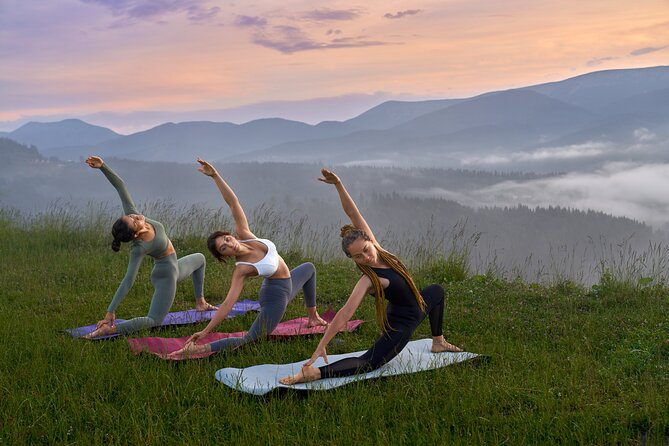
- Yoga that’s scheduled daily (stretching, sun salutations, pranayama, mantras), not just a one-off class
- Sunrise payoff at Poon Hill (3210 m) with views across many peaks
- Cultural stops in Kathmandu at major UNESCO heritage sites and temples
- Comfort built into logistics: airport transfers, domestic flight to Pokhara, and ground transportation
- Altitude-awareness tools: an oximeter is included so you can monitor oxygen levels
- Wellness add-ons like a Pokhara Ayurvedic massage and time for relaxation
Why this Ghorepani–Poon Hill trek + yoga rhythm works
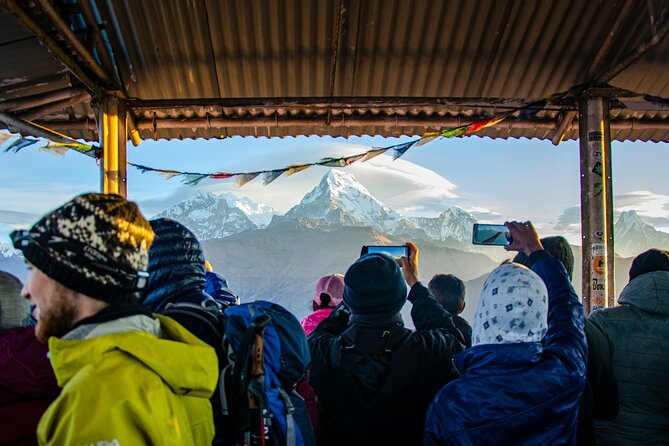
This is not a “hop on a bus and take photos” trek. It’s a mountain route shaped around wellness. You start each day with a routine that typically includes prayers, stretching, sun salutations, yoga poses, breathing exercises, and a peace mantra. Then you move into the hike part of the day. That mix matters because it helps you show up calmer for the climb, and it gives you a way to settle your body afterward.
The other reason it works: the trek is short enough to feel manageable. You’re not signing up for weeks in the mountains. You get time for cultural orientation in Kathmandu, a transition in Pokhara, then a trek that hits the highlights—Ghorepani, Poon Hill sunrise, and Ghandruk village—before you return.
One more practical point I like: the guides handle the timing. When sunrise hiking starts early, small delays can wreck the whole morning. Here, the plan is clearly built for those early starts, and that keeps the experience smooth rather than chaotic.
You can also read our reviews of more tours and experiences in Kathmandu.



Price and value: what $1,979 is buying you (and what it isn’t)
At $1,979 per person for about 9 days, you’re paying for more than the hiking. This package is structured to cover the big “life admin” pieces:
What’s included that usually costs extra on your own
- Airport pickup and drop-off
- One-way domestic flight to Pokhara
- Ground transportation tied to the itinerary (jeep rides are part of it)
- 1 night in Pokhara plus two nights at a 4-star hotel in Kathmandu
- Standard meals during the trek (breakfast, lunch, dinner)
- A yoga expert and a local licensed guide throughout the trek
- Yoga mats and a blanket (returned at the end)
- Trekking permits and admission costs for sightseeing
- An oximeter and trekking support items (duffle bag, sun cap, T-shirt)
- Pokhara Ayurvedic massage
What’s not included
Lunch in Kathmandu and Pokhara, and bar bills/personal expenses. Tipping for staff is expected.
So is it good value? For many people, yes—because the package lowers the odds of missed connections and last-minute costs. You’re also paying for guided yoga instruction and daily wellness structure, not just a standard trek. If you like comfort plus accountability, this cost starts to look reasonable.
Before you go: altitude basics, gear, and comfort for yoga days
This route climbs high enough to take altitude seriously, even if it’s not a technical trek. Poon Hill is at 3210 meters, and you’ll sleep around 2700 meters on one of the nights. That’s where your body can get breathy.
A smart touch here: you get an oximeter for checking oxygen levels. Use it in a sensible way—don’t panic over one reading. Use it as a “slow down” signal if you feel off.
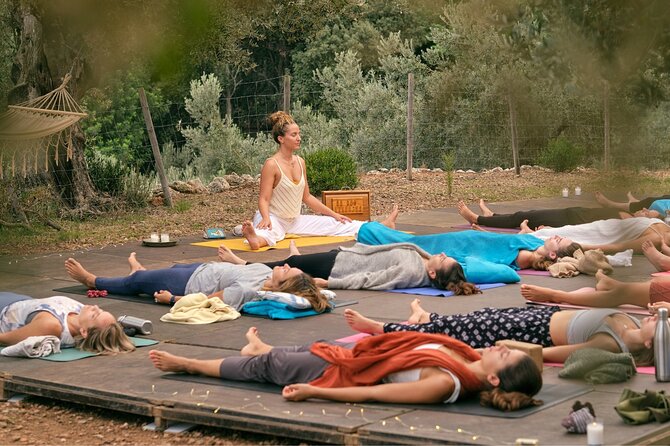
Also, the trek design includes yoga props and basics: yoga mats and a blanket. That’s helpful because mountain air can be chilly at sunrise and in the evenings. You should still pack your own warm layers, but the comfort layer is clearly considered.
Gear you should plan for
- Layers for cold mornings (sunrise hikes start early)
- Good walking shoes with traction for uneven paths
- A day bag for water and small essentials
- Respectful clothing for temple visits (shoulders and knees covered)
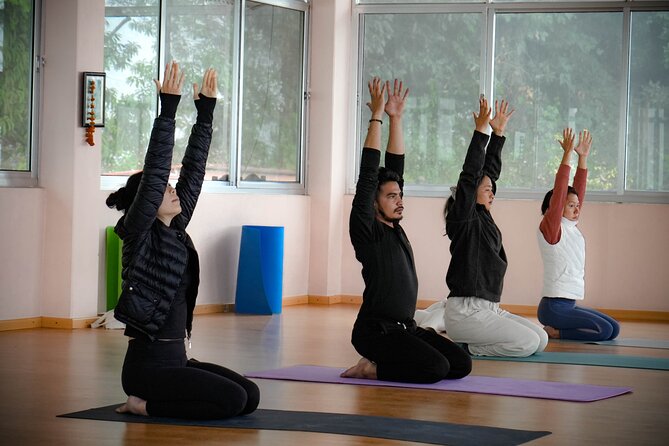
And a note on yoga: the schedule is there, so you’re expected to participate at your comfort level. If you’ve never done yoga, it’s still possible for most travelers, but you’ll want to be open to following guided instructions gently.
Day 1 in Kathmandu: orientation, hotel, and a calm start
Day 1 is your arrival and settling-in. You’re met after you land and taken to your hotel. Before check-in, you get a quick rundown of what’s coming next. If you arrive before 4 PM, they meet you at their office first, which can help you get your bearings fast.
Why this matters: trekking success is partly logistics. If you’ve handled stress before Day 2, you’ll feel better when the schedule starts moving.
Kathmandu Durbar Square, Monkey Temple, Boudhanath, and Pashupatinath
Day 2 is your cultural runway. You start with breakfast, then head out with a guide for major landmarks:
- Kathmandu Durbar Square (UNESCO World Heritage). This is where you see how old power and old art still shape the city.
- Swayambhunath Stupa, also called the Monkey Temple. You’ll get city views, plus the energy that comes with people moving through a living religious site.
- Boudhanath Stupa, one of the biggest stupas in the world. This is a slow, focused place—ideal after travel.
- Pashupatinath Temple, where you can watch traditional rituals.
Then there’s time for last-minute shopping for your trek. That’s practical—bring what you need without scrambling days later.
If you’re the type who likes to understand a place instead of just pass through it, this day adds depth without adding fatigue. It also positions you well for the mindset shift you’ll make once the hiking begins.




Pokhara first steps: stretching before the mountains
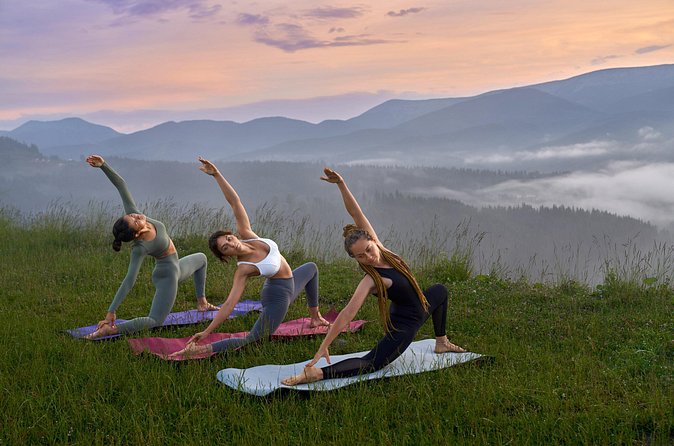
Day 3 moves you toward the trekking zone. Morning starts with stretching and breathing exercises, then sun salutations, plus breathing techniques meant to calm you down. After that, you say a peace mantra.
Then the day transitions toward Pokhara. The key idea here is pacing. Instead of throwing you straight into hills, you build a routine first.
You also get a sense of the route ahead—what the weather might feel like, and how your body will respond. You’re not just “touring”; you’re preparing.
Day 4: Ghorepani prayer, yoga, and the hardest push
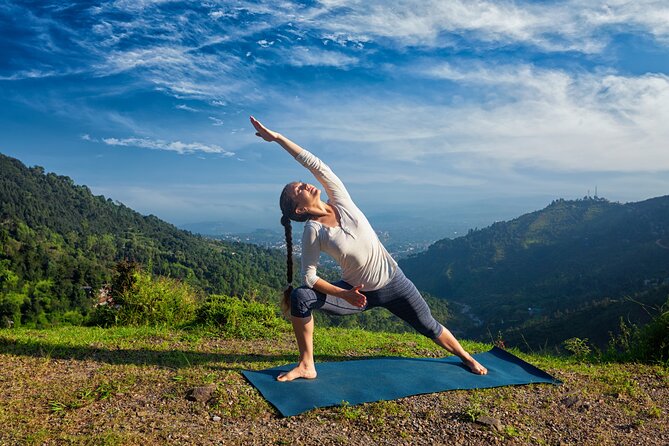
Day 4 is flagged as the hardest day. You’ll start early with morning prayers, stretching, sun salutations, yoga poses, breathing, and a peace mantra. After breakfast, the trek begins.
Why it feels harder: early starts plus steep sections can test endurance even if the trek is short. This is the day where your breath control from pranayama and mindful breathing can actually help you keep a steady pace.
What to expect:
- You’ll be hiking after you’ve done your morning routine
- You’ll likely feel the altitude more on exertion
- You’ll need to follow your guide’s pace rather than “push through” out of pride
A wellness trek should still respect physics. Your goal on this day is to finish feeling like you can enjoy the next morning, not like you survived a battle.
Day 5: Poon Hill sunrise at 3210 m and the morning routine payoff
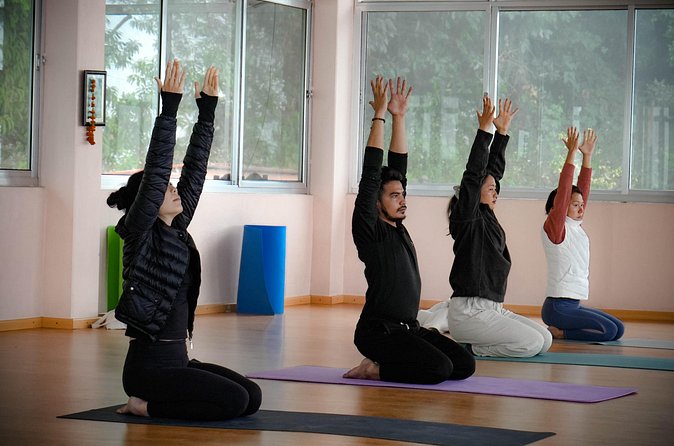
Day 5 is the headline morning. After returning back down to Ghorepani for a light mountain breakfast, you hike to Tadapani for the next night. But the big moment is the early climb to Poon Hill.
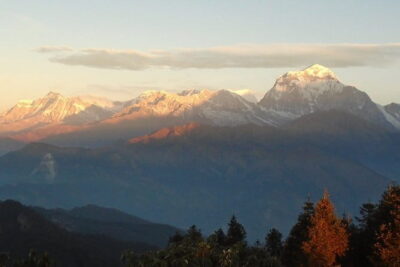
You start with an early hike up to Poon Hill at 3210 meters. The hike to the viewpoint is about an hour, and the payoff is sunrise plus views of 10 different mountain peaks. That’s one reason this trek stays popular: the distance isn’t huge, but the results are dramatic.
After sunrise viewing, the day becomes more about rhythm than spectacle—moving down, then settling in for the night at a guest house around 2700 meters. You can meditate and enjoy dinner there, which is a good match for a yoga-centered trip.
Practical tip: bring warm layers for sunrise. Even if the sun is strong after, pre-sunrise air can feel sharp.
Day 6: Ghandruk village time and a reset between hikes
Day 6 continues with the usual morning wellness flow: prayers, stretching, sun salutations, yoga poses, breathing exercises, and a peace mantra. Then you head toward Ghandruk.
Once you arrive, you get a break to relax. Then there’s village exploration time—visiting Ghandruk and spending time with the local community. This is one of the key benefits of choosing a guided trek with cultural pacing: you don’t just pass through; you slow down enough to notice how people live.
Even if you’re not a “culture person,” village time helps you feel less like you’re doing an athletic task and more like you’re part of a place for a few days.
Day 7: Jeep rides, Pokhara comfort, and not-so-hidden recovery
Day 7 is a transition day. You keep the morning yoga routine, then take a jeep ride to Nayapul and another jeep ride to Pokhara.
This is a smart design feature. Trek days can stack fatigue quickly. Using jeep transport at the right time gives your legs a break without ending the trip early.
Back in Pokhara, you’ll have time to rest and reset. That’s also where the wellness focus becomes useful: even if you don’t do extra “workouts,” you still have that guided yoga structure to bring you back to center.
Day 8: Kathmandu again and a full yoga sequence to close the loop
Day 8 returns you to Kathmandu by ground transport, and it includes a longer yoga sequence. The morning follows the standard pattern—prayers, warm-ups, Suryanamaskar, Yogasana, Pranayama—then a peace mantra (Shanty Path) to end.
After yoga, you get some free time before the final day activities. The key here is mental closure. You’ve hiked high and walked far; a structured yoga session on the final full day helps your body transition from trek mode back to city mode.
Day 9: fly home day, plus optional monastery time
On Day 9, an airport representative picks you up from your hotel and transfers you to Tribhuvan International Airport.
If you have an extra day, you can opt for a retreat in the monastery or other activities. This is a nice option if you want a quieter final chapter instead of flying out immediately after trekking.
Wellness extras: massage, meditation, and natural hot springs
This trek isn’t only about movement. It also includes relaxation time designed to help you recover.
One clearly listed wellness treat is the Pokhara Ayurvedic massage. That’s a practical recovery tool after several days of hiking. It can also complement the yoga work you’ve done—stretching prepares tissues, and massage can help your body feel less tight.
The trip description also calls out natural hot springs. The schedule notes downtime for meditation and relaxation at guest houses, so your evenings are set up for slowing down. I’d treat any hot-springs time as icing on the wellness cake rather than an every-day guarantee.
Who should book this (and who should pause)
This is a good match if:
- You want a trekking experience with daily structure and guidance
- You like yoga, breathing work, and calm routines, not just sightseeing
- You value comfortable logistics: hotels, domestic flight, and handled transportation
- You want a “best-of” route: Kathmandu highlights, Pokhara pause, Poon Hill sunrise, Ghorepani/Ghandruk village time
It may not be ideal if:
- You have certain dietary needs (the tour explicitly says it isn’t recommended)
- You want total freedom and no schedule (this trip is structured)
- You dislike early mornings (sunrise at Poon Hill starts early by necessity)
The private setup is also worth noting: it’s described as private, so you’re traveling with your group, not mixing with random strangers mid-itinerary. That usually makes yoga sessions and guidance feel more personal.
Should you book the Ghorepani Ghandruk Wellness Yoga Trek?
If your idea of a great trip is mountains plus a calm mind, I think it’s a strong choice. You’re getting the two big “reasons people book Nepal” moments: sunrise views and cultural sites in Kathmandu. Then you’re adding wellness that’s actually scheduled—breathing, mantra, and yoga every day—so it isn’t just a marketing label.
I’d book it if you want:
- A guided, low-stress plan with permits and transport handled
- A trek that feels challenging but not endless
- A built-in recovery rhythm (yoga + massage + downtime)
I’d hesitate if you’re sensitive to a structured schedule, need special dietary accommodations, or you’re expecting a purely relaxed walk with no uphill effort.
FAQ
What is the duration of the Ghorepani Ghandruk Wellness Yoga Trek?
The trek runs about 9 days.
Where does the tour start and end?
It starts at Tourist Bus Stop 16 Nayabazar, Kathmandu 44600, Nepal, and ends back at the same meeting point.
How do I get to Pokhara?
The package includes a one-way domestic flight to Pokhara, plus ground transportation according to the itinerary.
Are airport transfers included?
Yes. Airport pickup and drop-off are included.
What are the major sightseeing stops in Kathmandu?
The itinerary includes Kathmandu Durbar Square, Swayambhunath Stupa (Monkey Temple), Boudhanath Stupa, and Pashupatinath Temple, plus time for last-minute shopping.
Does the trek include yoga sessions?
Yes. Yoga and meditation sessions follow the scheduled routine, and a yoga expert is included throughout the trek.
Are yoga mats and supplies provided?
Yes. Yoga mats and a blanket are provided and must be returned.
What does the package include for meals?
During the trek it includes standard meals: breakfast, lunch, and dinner. Lunch in Kathmandu and Pokhara is not included.
Is altitude monitoring included?
Yes. An oximeter is included for checking oxygen levels.
What is the cancellation refund rule?
You can cancel up to 3 days in advance for a full refund. Cut-off times are based on local time, and cancellations with less than 3 full days before the start time are not refunded.