REVIEW · KATHMANDU
Everest Base Camp Trekking-14 nights/15 Days
Book on Viator →Operated by Himalayan Trekking Path (P). Ltd. · Bookable on Viator
The mountains start working on your mind quickly. This 15-day Everest Base Camp trek (14 nights) pairs a straightforward Kathmandu start with KTM–Lukla–KTM domestic flights and a full-time team, so you can focus on walking and altitude. You’re aiming for Everest Base Camp at 5,364 m, with views tied to Everest plus the big-name neighbors like Lhotse, Pumori, and Nuptse.
I especially like the airport-to-hotel pickup and the way the company frames the trip as handled from the moment you land. I also like that the price covers real, non-glam items that can otherwise surprise you later, including national park fees, taxes, and a baggage carried service.
One drawback to plan for: the tour price does not include visa, international flights, travel insurance, and daily foods and drinks (plus tips). That means your total cost will likely be higher than the headline number once you’re in Nepal and paying for day-to-day stuff.
In This Review
- Key highlights worth marking on your map
- Kathmandu Day One: the part you’ll thank yourself for later
- What to watch for
- The included KTM–Lukla–KTM flights: time saved, energy spared
- Everest Base Camp at 5,364 m: what you’re actually buying
- Altitude reality check (practical, not scary)
- Trek pace and daily rhythm: what you can expect without the guesswork
- The real-life tradeoff
- Accommodation, guide leadership, and porter support: the human part
- Names you might recognize from past departures
- Price and value: what you’re really paying for
- What’s included that often costs extra elsewhere
- What’s not included (and why it changes your final budget)
- Weather and operating conditions: how to avoid getting blindsided
- Who this trek fits best (and who should reconsider)
- Great fit if you want…
- You might want to reconsider if…
- Small practical tips that make a big difference
- Should you book Everest Base Camp with this operator?
- FAQ
- What is the meeting point and start time?
- Does the tour include domestic flights in Nepal?
- What is the trek aiming for altitude-wise?
- What’s included in the price?
- What is not included?
- What fitness level do I need?
- Is this a private tour?
- Can I cancel and get a refund?
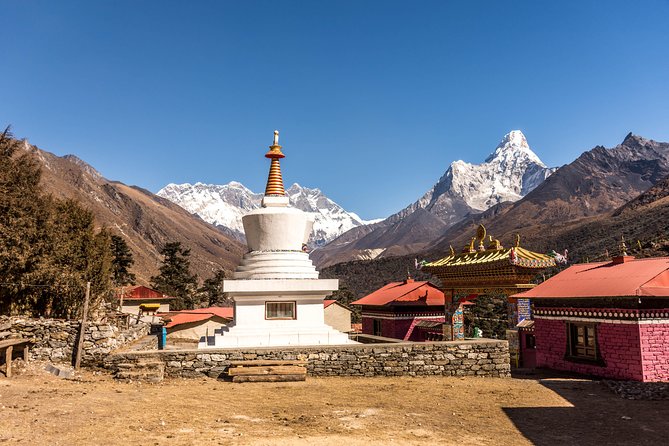
Key highlights worth marking on your map
- KTM–Lukla–KTM flights included so you’re not wasting days on long ground rides
- Full guide support and escort/host for logistics and on-the-ground decisions
- National park fees and environmental management charge included
- Baggage carried service so you can travel lighter on trek days
- Past departures mention guides like Chandra and Sreekrishna, with organizers such as Ram and Ramhari Neupane
- Works in all weather conditions, but it still needs reasonable conditions for the experience to run well
Kathmandu Day One: the part you’ll thank yourself for later
Most Everest trekkers fail for boring reasons, not heroic ones. They lose time. They miss paperwork. They scramble for the right transport at the wrong moment. This trip starts by solving that early hassle.
You meet at Tribhuvan International Airport (Ring Rd, Kathmandu) at 5:45 am. From there, you’re transferred to a hotel. It’s not a sightseeing day. It’s a set-your-base day. The goal is simple: get checked in, get your documents sorted, and get ready for the jump toward the Khumbu.
A small detail I like: the start includes a local company contact point (Himalayan Trekking Path) right at the start of the experience. In practice, that usually means fewer handoffs and less waiting around with a tired head and a heavy backpack.
Also note the travel paperwork rules: you need a current valid passport, and the booking requires your passport name, number, expiry, and country. If you’ve ever had a passport problem mid-trip, you know how fast it turns stress into chaos.
You can also read our reviews of more tours and experiences in Kathmandu.
What to watch for
Because the start time is early, you’ll want to plan your Kathmandu arrival the day before (or at least not bank on a late flight). If you’re already in Kathmandu, getting plenty of sleep the night before is the smartest “gear” you can bring.
The included KTM–Lukla–KTM flights: time saved, energy spared
This trek includes Ktm-Luk- Ktm flight by domestic airlines. That matters more than it sounds. With Everest routes, saving time isn’t just convenience—it’s also energy. When you remove unnecessary travel days, you reduce the odds you’ll arrive at trek start worn out.
Think of it like this: your legs will do the heavy work on the trail anyway. Why add travel grind on top of it?
You also get a clearer rhythm to the itinerary. Instead of guessing how to reach the trekking starting point, the trip is built around the flight. That makes planning easier for you, and it makes packing decisions easier too, since you’ll likely be asked to keep some items manageable for trekking.
Everest Base Camp at 5,364 m: what you’re actually buying
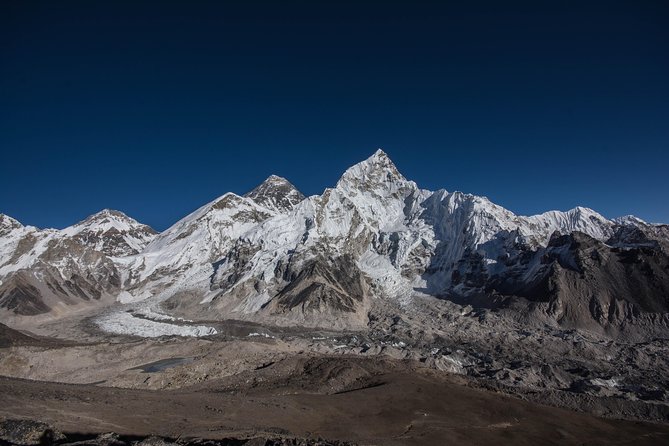
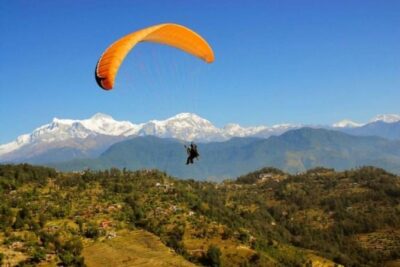
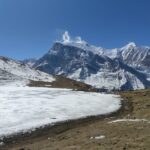
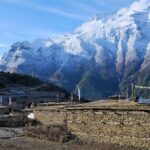
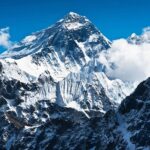
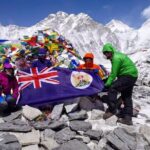
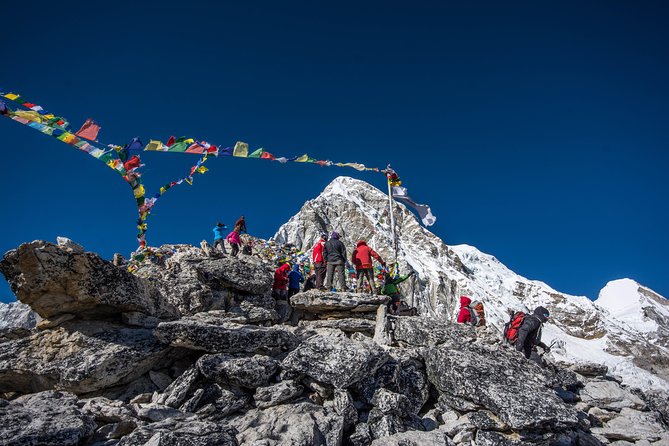
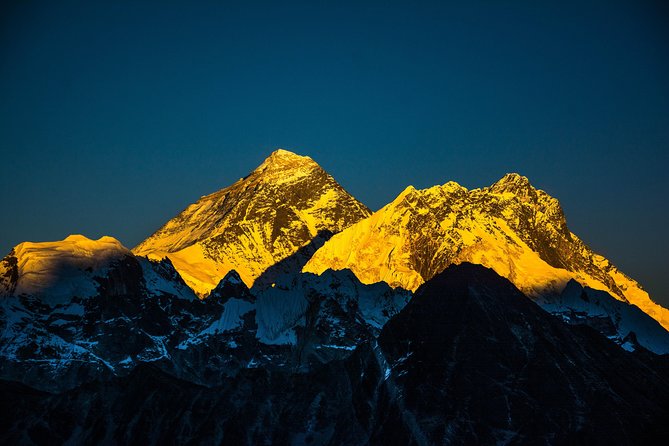
The heart of this trip is the Everest Base Camp dream: the chance to stand at 5,364 m and look up at the world’s highest peak, known locally as Sagarmatha. And it’s not just Everest. The region includes the surrounding stars you listed in the trip pitch—Lhotse, Pumori, Nuptse, and more.
The big value here is not a single photo moment. It’s the gradual build of your effort, then the payoff: a place where the scale feels real. If you’ve done hiking before, you’ll recognize the pattern—only with more altitude stress and more thin-air decisions.
Altitude reality check (practical, not scary)
The tour is meant for people with moderate physical fitness. That’s a fair match for many travelers—but Everest region trekking still demands pacing and good self-management. Even if you feel strong, altitude can shift how you breathe and how quickly your body recovers.
This is one of those trips where “I’m fit” is only half the sentence. You also need patience, hydration habits, and the willingness to move slower than you want.
Trek pace and daily rhythm: what you can expect without the guesswork
The data you provided doesn’t spell out each day’s trail distance or the exact sequence of villages, so I won’t invent a fake day-by-day schedule. But the trip length is clearly set: 14 nights / 15 days. That usually translates to a multi-day walking plan with built-in time for acclimatization and rest.
Here’s what you can count on as structure, based on what’s included:
- You’ll have a professional guide and a tour escort/host, which usually means you’re not improvising route decisions or timing.
- You’ll have accommodation as per itinerary, so you’re not hunting for beds each night.
- Your baggage is carried, which helps you keep your energy for trekking rather than hauling everything yourself.
The real-life tradeoff
The tradeoff with the mountains is always the same: you’ll trade comfort for view time. If you want a “sit back and cruise” vacation, Everest Base Camp is not that trip. If you want the kind of journey where you earn the big moments, this format fits well.
Accommodation, guide leadership, and porter support: the human part
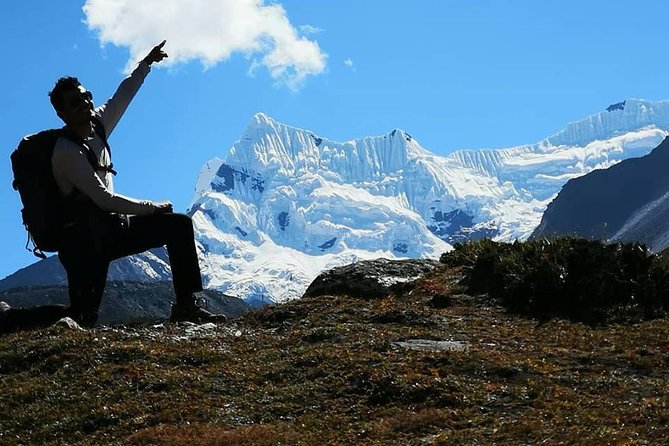
Even with incredible views, the Everest region can turn chaotic fast without a capable team. This tour includes:
- Professional guide
- Tour escort/host
- Staff food, accommodation, and salary
- Baggage carried service
That last item is key for your comfort. Lighter loads make a huge difference when you’re hiking in cold air and at higher elevations. You also keep more mental energy for hydration, foot care, and pacing.
Names you might recognize from past departures
From prior trip feedback tied to this operator, I’ve seen guides such as Chandra and Sreekrishna mentioned, along with an organizer figure such as Ram / Ramhari Neupane. A porter named Bikash also appears in feedback. You can’t treat this as a guarantee, but it signals the kind of local staffing you’re likely dealing with: real people who know the rhythm of the region.
Price and value: what you’re really paying for
The tour price is $1,600 per person. On its face, it’s a big number. The value is in what’s bundled.
What’s included that often costs extra elsewhere
This trip includes:
- Accommodation as per itinerary
- All taxes, fees, and handling charges
- Environmental Management Charge (listed as Reef Tax)
- Local taxes and national park fees
- Tour escort/host and professional guide
- Hotel pickup and drop-off
- Baggage carried service
- KTM–Luk–KTM domestic flights
- Staff food, accommodation, and salary
That set of inclusions matters because it covers a lot of the “surprise” costs people hit on Everest trips: park fees, logistics fees, guides, and flight costs.
What’s not included (and why it changes your final budget)
Not included are:
- International airfare
- Visa fees
- Foods and drinks
- Travel insurance
- Tips of staff
- Extra activities
So you should budget beyond the sticker price. If you don’t plan meals and snacks, you’ll feel it quickly. And on a multi-day trek, tips are part of the reality of having a guide and support team.
My advice: treat the $1,600 as the core trip cost, then add a buffer for the missing items before you commit.
Weather and operating conditions: how to avoid getting blindsided
The tour states it operates in all weather conditions, and you’re told to dress appropriately. That’s helpful wording because mountain weather is unpredictable and sudden.
But the experience also needs good weather to run well. If it’s canceled due to poor weather, you’re offered a different date or a full refund.
That combination is common in mountain travel: the operator aims to continue where it can, but safety and feasibility still rule. If your trip dates are flexible, you’ll feel more comfortable. If they aren’t, you’ll want to plan for the chance of change.
Who this trek fits best (and who should reconsider)
This experience is aimed at people with moderate physical fitness who want a guided, structured route to Everest Base Camp. It’s also private in the sense that only your group will participate.
Great fit if you want…
- A guided Everest Base Camp trek with logistics handled
- Lighter trekking days thanks to baggage carried service
- A trip that includes major items like park fees and the domestic flight
You might want to reconsider if…
- You dislike budgeting for meals and tips (since those are not included)
- You want an easy, minimal-effort hike. Everest Base Camp is not designed for that mindset.
Small practical tips that make a big difference
Since the trek is high altitude and multi-day, your daily habits matter as much as your gear.
- Pack for cold and changing weather. Even if you think you’re prepared, bring layers.
- Take your walking pace seriously. Slow is smooth; smooth is safer.
- Keep your valuables and documents organized from Kathmandu onward (passport details are required at booking).
- If you’re paying extra for foods and drinks, set a daily expectation so you’re not doing math on tired days.
Also, because you’re starting with a specific meeting point and early time (5:45 am at Tribhuvan Airport), be ready the night before with a plan for how you’ll get there (and where you’ll store anything you won’t use immediately).
Should you book Everest Base Camp with this operator?
If your goal is Everest Base Camp without logistical headaches, I think this is a strong pick. The value is real for people who want:
- Flights included (KTM–Luk–KTM)
- A professional guide plus escort/host support
- National park fees and taxes included
- Baggage carried service to reduce daily strain
The one caution is budget math. Your final total will rise because visa, international flights, insurance, foods and drinks, and tips are not included. If you’re comfortable with that—and you’re ready for a physically serious trek at altitude—then booking makes sense.
If you want, tell me your travel month and whether you’re hiking solo or with someone. I can help you estimate what your added costs might look like and how to plan around weather risk.
FAQ
What is the meeting point and start time?
You meet at Tribhuvan International Airport (Ring Rd, Kathmandu) at 5:45 am.
Does the tour include domestic flights in Nepal?
Yes. It includes Ktm-Luk- Ktm flights by domestic airlines.
What is the trek aiming for altitude-wise?
The experience targets Everest Base Camp at 5,364 m.
What’s included in the price?
Included are accommodations as per itinerary, guide/escort support, hotel pickup and drop-off, national park fees, taxes and handling charges, an environmental management charge, and baggage carried service, along with domestic flights.
What is not included?
International airfare, visa fees, foods and drinks, travel insurance, extra activities, and tips for staff are not included.
What fitness level do I need?
The experience is for people with moderate physical fitness.
Is this a private tour?
Yes. Only your group will participate.
Can I cancel and get a refund?
Yes. You can cancel up to 24 hours in advance for a full refund. The experience also depends on weather; if it’s canceled due to poor weather, you’re offered another date or a full refund.