Misty mornings and border waterfalls—two days of hiking. This trek takes you from Ban Gioc into a more local rhythm: caves, Tay village stone houses, and a “hidden” style route through ethnic communities near the Vietnam–China border. I love how the hike paths are planned to reduce route repetition, and I also love the mix of scenery and culture, not just walking to viewpoints. One thing to consider: it’s weather-dependent, and the route is for people with moderate fitness.
If you’re looking for a small-group adventure with practical comfort (air-conditioned transport and an English-speaking guide), this is a strong pick. I also like that you get enough time to slow down at key spots like Ngao Cave and the waterfall area, rather than racing past everything.
In This Review
- Key highlights you’ll feel fast
- From Cao Bang to Ban Gioc: a very early start that pays off
- Why this pre-hike rhythm matters
- Ngao Cave (Tiger Cave): stone columns and the cool quiet underground
- The tradeoff
- Bong Son Village trek: Tay stone houses and the feeling of a border life
- Why village treks beat viewpoint-only days
- Watch-outs to keep it enjoyable
- Coming back by a different way: two-day route design that feels smarter
- Day two breakfast to waterfall country: Cao Bang flavor to get you going
- Trekking along the Quay Son River toward Ban Gioc and Detian Falls
- What makes this part worth your time
- Lunch at Thác Ban Gioc: where the day slows down
- Price and value: what you’re really paying for at $129
- The one extra cost you should plan for
- Who this trek is best for
- The guide factor: why Nhat’s presence matters
- Practical tips for packing and planning (so the hike stays fun)
- Should you book this Ban Gioc to hidden village trek?
- FAQ
- How long is the Ban Gioc to hidden village trekking experience?
- What does the tour cost?
- Is pickup available, and where does the tour start?
- What’s included in the price?
- What’s not included?
- How strenuous is the trek?
- What if the weather is bad?
Key highlights you’ll feel fast
- Small group size (max 8): easier pacing and time to ask questions
- Nguom Ngao / Tiger Cave: dramatic stone columns and stalactites
- Tay village trekking: stone houses and village life along the way
- Ban Gioc to Detian Falls experience: border waterfall views from the walking route
- Meals included: Cao Bang rice paper, duck noodle soup, sour noodle, and homestay-style dining
- Route planning: different ways back so you don’t repeat the same trail
From Cao Bang to Ban Gioc: a very early start that pays off
The day starts before the light really settles. You’ll meet your driver around 5:30–6:00am in Cao Bang, then transfer toward the Ban Gioc Waterfall area. The point of the early timing is simple: you get moving while the air is cooler and the trails feel less crowded, which matters on any trek where you’ll be walking for hours.
Once you arrive, you’ll get a warm welcome at a homestay in Khuoi Ki Stones Village (Bản Giốc area). This is a nice moment to reset. You’re not immediately dropped into “hike-only” mode. Instead, you start day one with a human pace—then you’re off to the first big nature stop.
Why this pre-hike rhythm matters
On border-region treks, the landscape can feel huge and you can lose time fast. Having a guide who sets your tempo (and an English-speaking guide to keep things smooth) helps you enjoy the walk instead of mentally wrestling with timing.
Ngao Cave (Tiger Cave): stone columns and the cool quiet underground
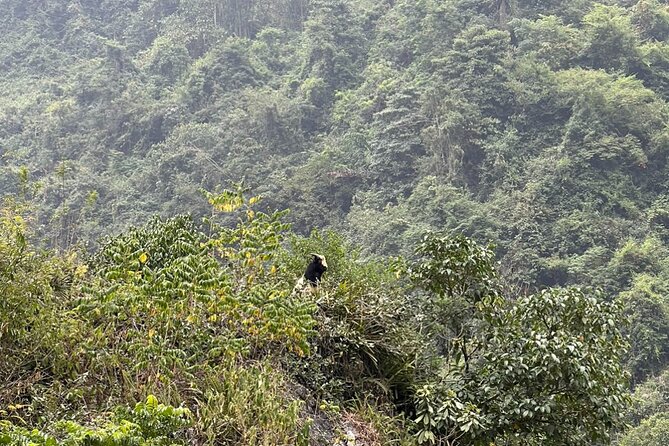
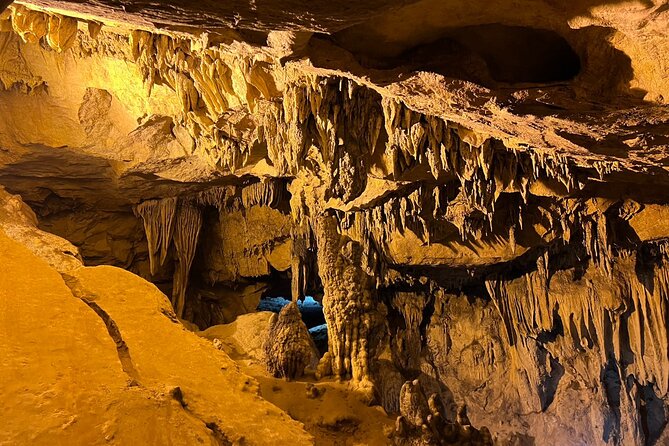
About 9:00–10:30am, you’ll visit Nguom Ngao Cave, also known as Tiger Cave. This is the kind of cave that works even if you’re not a “cave person,” because the setting is built around long-formed features: natural stone columns, plus stalactites that have formed over hundreds of millions of years.
What I like about this stop on a trekking tour is the pacing. You walk, you work your lungs, then you get a break from sun and heat. Caves also tend to change how you feel on a hike—you start noticing how sound travels and how cool air restores you.
The tradeoff
Cave visits can mean a short period of uneven footing and damp surfaces. If you have any hesitation about slippery floors, wear shoes you trust. Also, cave time sits in a sweet spot: late morning, when you’ve built some energy but you’re not yet worn down for the long trekking segment.
Bong Son Village trek: Tay stone houses and the feeling of a border life
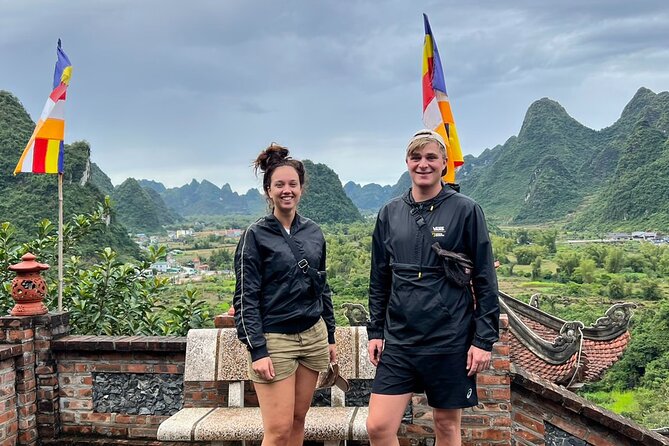
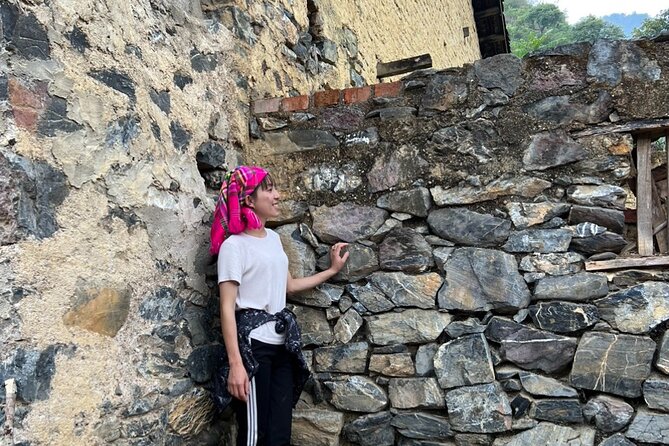
After the cave, you move into the main walking day. Around 10:30am, you start trekking toward Bong Son Village, a Tay ethnic community. The highlight here is what you’re walking between: ancient stone houses, some said to have been built around 30 years ago. You’re not just passing a landmark—you’re moving through the area’s daily geography.
The trek runs for about 6 hours in this part of the day. That’s enough time to feel like you’re part of the route instead of just checking boxes. You’ll pass through village spaces that are shaped by mountain life near the border with China, so the scenery has a “human scale” to it.
Why village treks beat viewpoint-only days
The Ban Gioc region is visually dramatic, but the cultural context makes it stick. When you walk this route, you’re seeing the landscape the way locals do: paths that connect homes, stopping points that make sense in daily life, and houses that don’t look like tourist sets.
Watch-outs to keep it enjoyable
This is where moderate fitness matters. Even if the pace isn’t meant to be brutal, six hours of trekking means you should plan for sore calves and dry skin. Bring what you’d bring for a full day outdoors: water discipline, sunscreen, and shoes with grip.
Coming back by a different way: two-day route design that feels smarter
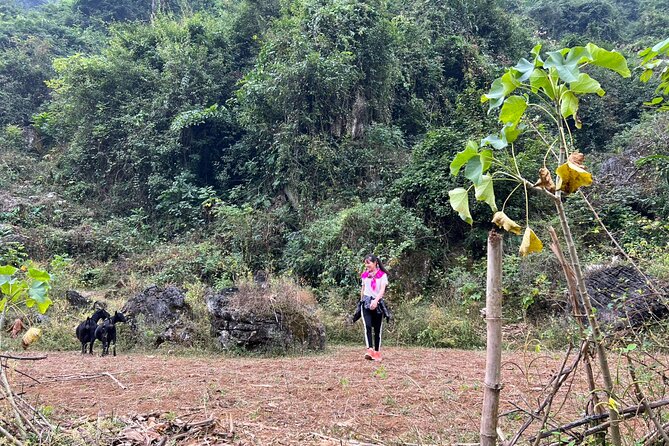
Later in day one, you trek back toward your homestay in Khuoi Ki Stone’s Village, but you don’t take the same exact path. It’s scheduled around 16:30–17:30, finishing with arrival at the homestay around 17:30–18:00.
I like this detail because it changes the experience. You get different trail angles and different views into the valley and village edges. It also helps the “hidden route” feeling—like you’re doing a real walking itinerary instead of repeating steps for no reason.
Day two breakfast to waterfall country: Cao Bang flavor to get you going
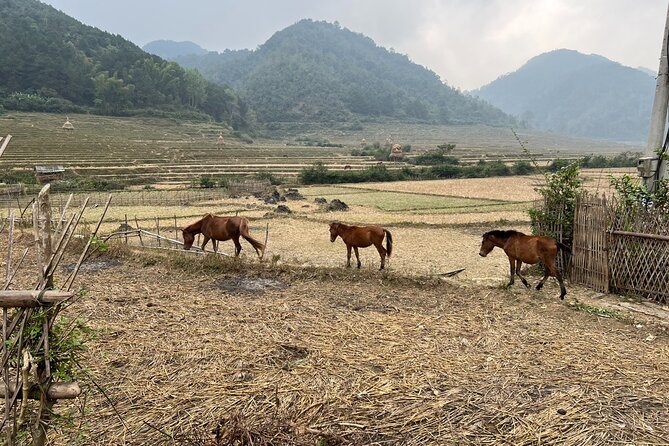
On day two, your early start continues. You’ll enjoy breakfast around 7:00–7:45am, with special Cao Bang foods like Cao Bang rice paper, duck noodle soup, and sour noodle. This is more than a meal break. It’s a practical reset for a day that includes both a trek and waterfall time.
Food like this also helps you understand the region: Cao Bang cuisine is built for mountain travel—hearty, filling, and suited to long hours outdoors.
Trekking along the Quay Son River toward Ban Gioc and Detian Falls
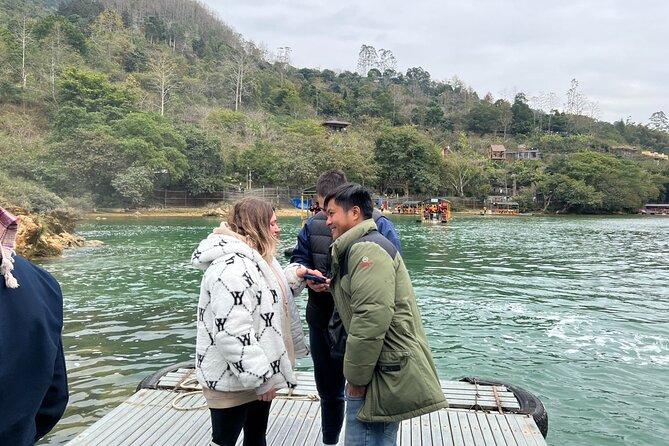
From around 7:45–9:00am, you’ll trek along the Quay Son River. The route includes views of mountains and the famous “double mountain” effect you can see in this landscape. Even if you’ve seen waterfall photos before, the river approach changes the story. You’re building the scenery layer by layer.
Then the day moves you into the Ban Gioc – Detian Falls experience. Detian Falls is the cross-border waterfall area tied to the Vietnam–China border, and the overall tour frames Ban Gioc as one of the biggest waterfall areas in Southeast Asia, described as the fourth biggest waterfall in the world with the border between the two countries.
What makes this part worth your time
Instead of treating the waterfall like a single-photo stop, this tour uses the walk to set context. You’re close enough to feel the terrain shaping the views, but the trek keeps you engaged with the journey, not stuck waiting.
Lunch at Thác Ban Gioc: where the day slows down
By late morning, you take a breather. Lunch is scheduled around 11:00am–12:00pm at Thac Ban Gioc Restaurant, with time to relax and eat regional specialties. You’ll have a proper pause before the rest of the day continues.
This meal break is also part of the value. Some treks feed you quickly and move on. Here, lunch is built into the rhythm so you’re not trying to recover while still trekking.
Price and value: what you’re really paying for at $129
At $129 per person for about two days, you’re paying for much more than a basic “walk to a waterfall.” Your package includes:
- Air-conditioned vehicle transport
- An English-speaking guide
- Homestay welcome in Khuoi Ki Stones Village
- Breakfast (2) and lunch (2) plus dinner
- Insurance up to 20,000,000 VND per case
- All fees and taxes, plus included admission tickets for key stops
That matters because the hidden cost on independent travel here is time. Getting transport set up, arranging guides, and coordinating entrance or permit needs can add up fast—then you’re still doing the planning yourself.
The one extra cost you should plan for
The only clearly stated add-on is an entry permit in a restriction area costing 15 USD per person. If your waterfall viewing or border-side access falls under that restriction, you’ll want to budget for it in advance. It’s the kind of cost that can surprise you if you only think about the base price.
Who this trek is best for
This tour fits best if you want:
- Small-group hiking with a guide who can answer questions in English
- A mix of caves + village trekking + border waterfall
- A pace that’s active but not designed to be a personal endurance test
The tour notes moderate physical fitness, which matches what you should expect from a route that includes multiple hours of trekking on day one and another trek day two.
If you love photos but also like real places—stone houses, cave interiors, river paths—this is a good match.
The guide factor: why Nhat’s presence matters
One name shows up in the experience: Nhat. People appreciated that he was attentive, answered questions, and made the hike feel easier by keeping things clear. For me, that’s a big deal on a border-region trek. When you understand what you’re seeing, the walk feels less like random sightseeing and more like a story unfolding step by step.
A great guide also helps you move at the right speed—especially important on a two-day route where you need your legs intact for day two.
Practical tips for packing and planning (so the hike stays fun)
Since the itinerary is outdoors-focused, plan for the basics:
- Wear trekking shoes with good grip for uneven and possibly damp surfaces (especially around caves)
- Bring a light rain layer. Waterfall regions can shift fast, and the tour depends on good weather
- Start hydrating earlier than you think you need. Morning walking gets you before you realize you’re already thirsty
Also, because it’s a two-day experience with meals included, you won’t have to make constant food decisions. Use that time to focus on rest and comfort rather than logistics.
Should you book this Ban Gioc to hidden village trek?
If your ideal trip includes hiking that connects nature to real village life, and you’re happy to trade “sleep in” for waterfall views and mountain trails, I’d say yes. The small group size, the cave stop, the Tay village trekking, and the planned route variety make it feel like a full experience rather than a single sightseeing stop.
Skip it only if you know you struggle with multi-hour hikes or you’re looking for an ultra-lazy day. And do budget the possible restriction-area permit cost so you aren’t surprised when you’re close to the border-side sections.
FAQ
How long is the Ban Gioc to hidden village trekking experience?
It runs for about 2 days.
What does the tour cost?
The price is $129.00 per person.
Is pickup available, and where does the tour start?
Pickup is offered, and the tour starts in Cao Bằng, Cao Bang, Vietnam. The activity begins around 6:00am.
What’s included in the price?
Included are English-speaking tour guide, air-conditioned vehicle, insurance, breakfast (2), lunch (2), and dinner, along with all fees and taxes. Some stops list admission tickets included.
What’s not included?
The tour notes an entry permit in a restriction area costing 15 USD per person.
How strenuous is the trek?
The tour is for travelers with moderate physical fitness.
What if the weather is bad?
This experience requires good weather. If it’s canceled due to poor weather, you’ll be offered a different date or a full refund.