REVIEW · KATHMANDU
Mardi Himal Trek – 12 Days
Book on Viator →Operated by Eco Holidays Nepal · Bookable on Viator
Mardi Himal is the quiet Annapurna detour. This trek cuts away from the busy main trails into hidden areas of the Annapurna Himalaya, then keeps rewarding you with big ridge walks and close views of Mardi and Machhapuchare Himal. I also like that the trip is built around route-smart guiding (people highlight guides like Sagar and Suman) and trekking gear that’s said to be strong and useful, like sleeping bags, down jackets, and duffel bags. The one thing you’ll want to double-check before you book is timing: the title says 12 days, but the provided trek duration is listed as about 4 days.
There’s a lot to like about how the logistics are handled for you. You get private-vehicle transport for the necessary parts, Kathmandu hotels plus Pokhara hotels, and meals arranged around the trek days. The experience is also private—only your group—so you should get that personal attention feel, even if your departure date includes more hikers in the region.
In This Review
- Key Things I’d Fix My Eyes On (Before You Go)
- Mardi Himal: Why This Trek Feels Different Than the Usual Annapurna Route
- The Kathmandu Setup: Thamel, Durbar Square, and the Sights That Give Context
- Pokhara Lakeside: Calm After Kathmandu Noise
- Dhampus View Tower: A Scenic Preview of the Annapurna “Wow”
- The Trek Itself: Rice Fields to Rhododendron Forest, Then High Ridgelines
- Food, Comfort, and the Little Things That Make Trekking Easier
- Gear, Permits, and Why They Matter for Your Peace of Mind
- Guides and Local Support: Sagar, Suman, and Quick Responses from Dhruba
- Private-Vehicle Transport and the Flight/Bus Mix in Nepal
- Price and Value: What $980.87 Is Covering (And What to Watch)
- Altitude and Fitness: Moderate Fitness Needed, But Take It Seriously
- Who This Mardi Himal Trek Suits Best (And Who Might Want Another Option)
- Should You Book This Mardi Himal Trek – 12 Days?
- FAQ
- How long is the Mardi Himal trek portion?
- Where does the tour start, and when?
- What kind of hotels are included in Kathmandu and Pokhara?
- Is a guide and porter included?
- Are trekking permits included?
- How do you travel between Kathmandu and Pokhara?
- What trekking equipment is provided?
Key Things I’d Fix My Eyes On (Before You Go)
- Off-main-trail feeling: the route is described as moving into hidden areas rather than sticking to the busiest paths
- Ridge views of Mardi and Machhapuchare: the highlights are the high ridgeline walks and close mountain panoramas
- Gear support that’s actually practical: sleeping bags, down jackets, and duffel bags are specifically called out as excellent in feedback
- A guide who knows the route: guides like Sagar and Suman are mentioned for experience with the wayfinding and pacing
- Owner responsiveness: the company owner Dhruba is noted as quick to respond to questions
- Transport built in: Kathmandu to Pokhara by flight, then back by tourist bus, plus private vehicles for other transfers
Mardi Himal: Why This Trek Feels Different Than the Usual Annapurna Route
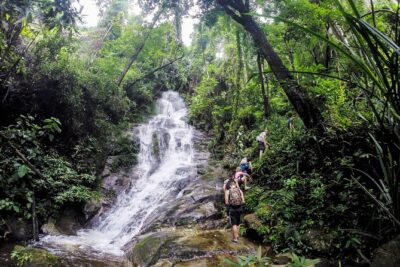
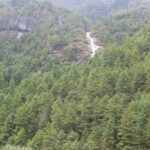
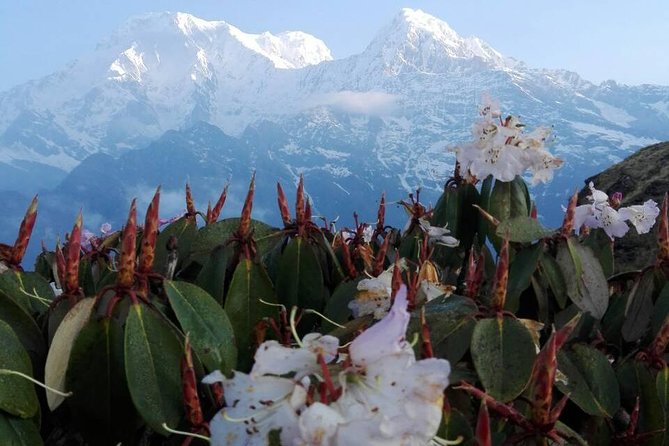
Mardi Himal sits in the Annapurna region, but the big selling point here is the change in rhythm. You start lower, in warmer rice-field country, and work your way upward toward cooler alpine hills. As you gain altitude, the scenery shifts through thick forest zones—rhododendron, oak, magnolia, pine, and fir tree lines are all part of the trek’s described character.
What I like about this style of trekking is that it’s not just about hitting one postcard viewpoint. You’re walking high ridges and moving through different ecological zones, so your day-to-day experience stays varied. And because the route is described as going away from the main trail, the feel is more quiet and exploratory than the big, traffic-heavy sections you might find elsewhere in the Annapurna area.
You can also read our reviews of more tours and experiences in Kathmandu.

The Kathmandu Setup: Thamel, Durbar Square, and the Sights That Give Context
You’ll begin in Thamel, Kathmandu’s tourist hub. Expect a familiar intro: shops, guesthouses, and the easy ability to orient yourself. In a practical sense, this is a good start because it helps you settle your basics—gear questions, last-minute items, and just getting comfortable with Nepal’s pace before the mountains.
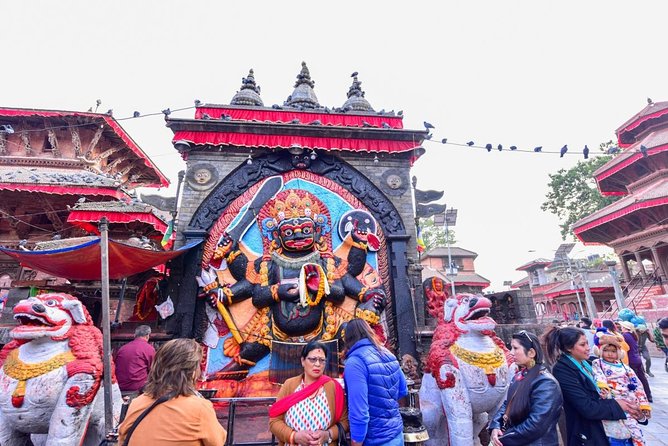
Next comes a guided city block built around major cultural landmarks: Kathmandu Durbar Square plus Pashupatinath, Boudhanath, and Swayambhunath. The time shown here is short, but it’s the type of “hit the big ones quickly” tour that works well when you know you’re about to spend several days hiking. The key detail for you: city-tour entry fees are not included, so plan on paying those onsite if you choose to enter specific monuments.
My take: This Kathmandu portion is more about getting your bearings and learning what you’ll see later in town than about museum-style depth. If you want slow, deep cultural immersion, you’d need extra days in Kathmandu. But if you want a clean handoff into trekking mode, this gets you there.
Pokhara Lakeside: Calm After Kathmandu Noise
Then it’s off to Pokhara. The plan includes a stay in Lakeside and a walk near Phewa Lake, aimed at giving you a calmer reset. If you’ve ever trekked after a fast, chaotic city start, you know how valuable it is to have a gentler day. Lakeside is also where you’ll feel the contrast: from temples and traffic to lake air and a slower rhythm.
You’ll also get time during this stage for rest and practical prep. Even if your trekking starts later, you’ll want to use this day to check your socks, test your boots, and make sure your pack is set up the way you like. The plan includes admission ticket coverage for this stop, so you won’t have to worry about extra fees for the specific included activity.
Dhampus View Tower: A Scenic Preview of the Annapurna “Wow”
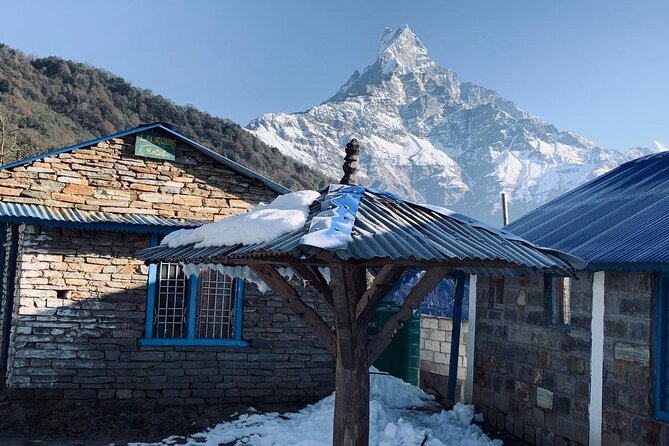
After Pokhara, you’ll head toward Dhampus View Tower for a mountain-view break. This is the kind of stop that can do two jobs at once: it warms up your eyes for what’s coming and gives you a sense of the mountain geometry—how ridges stack up and where valleys cut through.
The views listed here include Annapurna, Manaslu, and Fishtail, plus a look at green hills and farm villages. The practical value is simple: once you start trekking, you’ll be able to connect those shapes you saw from the tower with the trails you’re walking. If you’re the type who likes to “read” mountains as you go, this preview helps.
The Trek Itself: Rice Fields to Rhododendron Forest, Then High Ridgelines
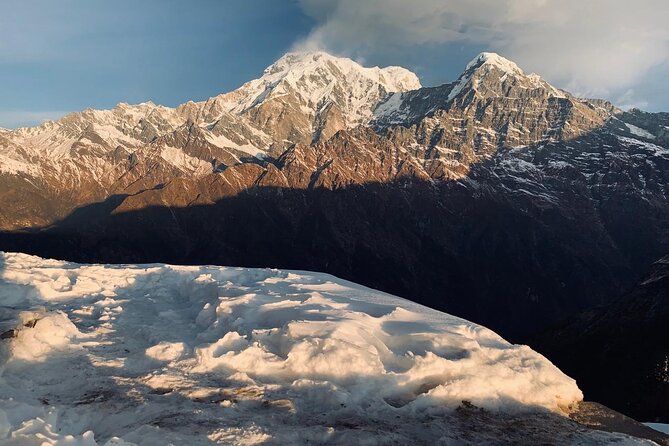
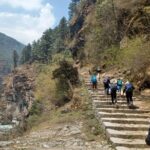
The heart of Mardi Himal is the movement from lower farmland into higher, cooler country. The description of the route is clear about that progression: warm rice fields up to alpine hills, then through dense forests with tall rhododendron-oaks-magnolia-pines and fir tree lines. That matters because you’ll feel it in your body and your packing choices.
Here’s what that usually translates to when you’re standing on the trail:
- Earlier walking often feels easier in temperature, with greener, softer terrain vibes
- Mid-trek tends to shift into forest shade and cooler air, so layering becomes your friend
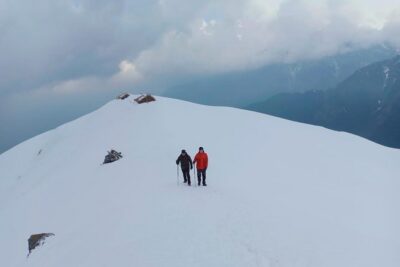
- Later high ridges bring stronger exposure, and that’s where good planning for wind and cold becomes non-negotiable
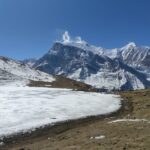
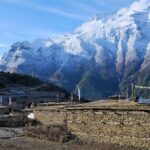
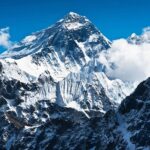
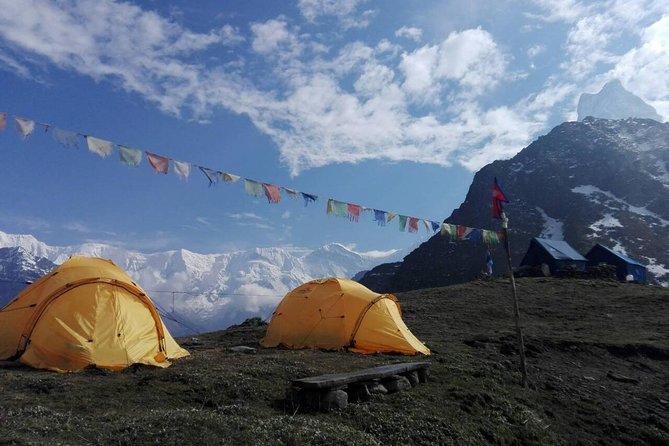
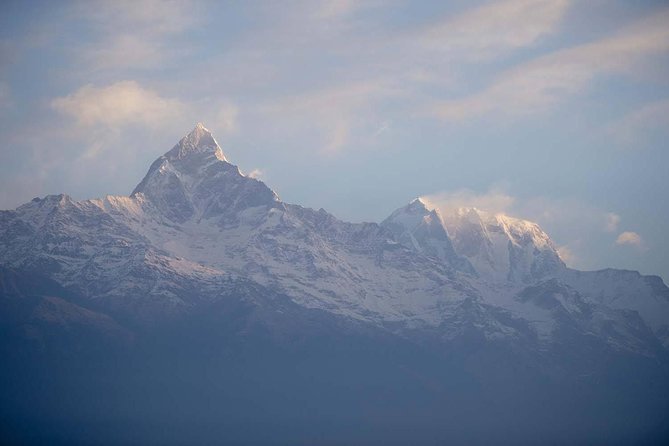
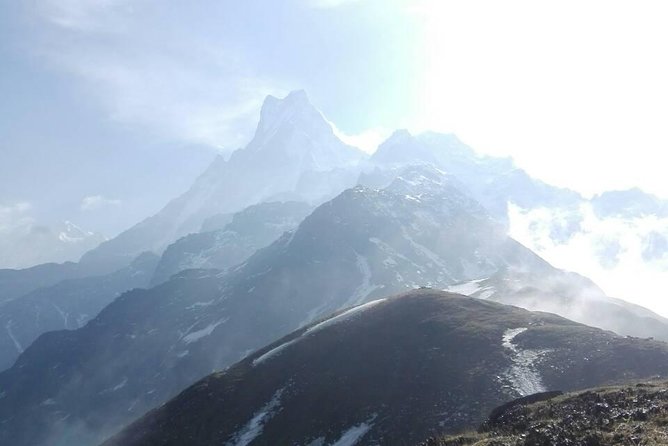
And then you reach the payoff: incredible panoramas of the Annapurna range with close views of Mardi and Machhapuchare. If you’re hoping for those tight, dramatic moments where a peak feels close enough to reach, this trek’s design is aimed at delivering that feeling.
One more detail worth noting: Mardi Himal is described as leading you into hidden areas. That wording is meaningful. It suggests your days aren’t just long stretches between two big tea houses. Instead, the route emphasis is on the journey through less-traveled terrain and ridgelines.
Food, Comfort, and the Little Things That Make Trekking Easier
The package includes three meals per day during the trek (breakfast, lunch, dinner). That’s more than convenience. When food is handled for you, you can focus on pace, hydration, and warm-up instead of decision fatigue on trail.
Lodging is listed as tourist standard hotels during the city and rest days, with twin sharing for Kathmandu (three nights) and Pokhara (two nights). During the trek itself, the specific cabin or lodge style isn’t spelled out in the details you provided, so your best approach is to ask your operator what the sleeping setup looks like for your exact dates. The good news is that your plan includes a guide and porter, so you’re not doing everything by yourself.
And then there’s the gear: the feedback you have here points to equipment supplied being excellent, with sleeping bags and down jackets mentioned, plus duffel bags. If you’re traveling without trekking gear, this can be a major value add. Even if you bring your own hiking clothing, having access to a warm layer and a proper bag can help you travel lighter.
Gear, Permits, and Why They Matter for Your Peace of Mind
Let’s talk about the practical bits that often get skipped in flashy trek ads.
Your trek permits are listed as included (necessary permit). That matters because Annapurna-area trekking is paperwork-heavy, and you don’t want to show up to trailheads wondering what’s legal or missing.
You also get a route map and “necessary equipment to be return after complete trek.” That tells you the operator is supplying at least some key items for the mountains segment, then collecting them at the end. For you, that means you should do one thing carefully before you leave: inventory your gear when you receive it, then again when it’s time to hand it back. It’s not hard, just easy to miss if you’re excited.
Finally, there’s transport and staffing. You have a professional trekking guide during the trek and a strong porter. Ports aren’t just comfort—they’re risk management. Less load on you usually means better footing and less fatigue, which helps when you’re dealing with colder temperatures at higher points.
Guides and Local Support: Sagar, Suman, and Quick Responses from Dhruba
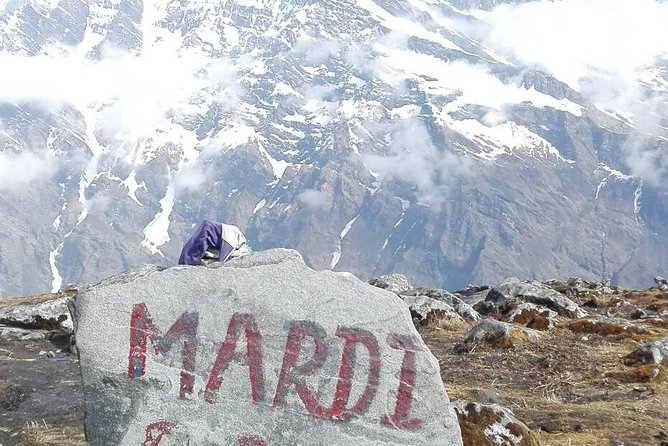
One of the strongest signals in the feedback is that route knowledge and helpful guiding made a real difference day after day. Names that come up include guide Sagar and Suman. That’s important because on mountain routes, good guiding isn’t just finding the trail. It’s pacing, weather awareness, and knowing when a shortcut is smart versus when it’s a mistake.
The company owner, Dhruba, is also mentioned as being fast to respond with questions, and that’s another quiet but valuable piece of the equation. If you’re unsure about what to pack, how the cold will feel, or what kind of day-by-day schedule to expect, quick answers reduce stress.
Private-Vehicle Transport and the Flight/Bus Mix in Nepal
Logistics can make or break a trekking holiday. Here’s what’s included in the movement pieces you were given:
- Private vehicles handle necessary transports
- Kathmandu to Pokhara is by flight
- Pokhara to Kathmandu is by tourist bus
That mix is common for people who want to save time without giving up the experience of seeing Nepal from the ground. For you, it means you’re not locked into one long day of overland travel each way. It also means you’ll want to be mentally flexible around flight days—arrive early, keep essentials in your day bag, and don’t plan anything tight immediately after landing.
Price and Value: What $980.87 Is Covering (And What to Watch)
At $980.87 per person, you’re paying for more than a trail name. This price includes:
- A professional trekking guide and a porter
- Permits
- Meals during the trekking days (breakfast, lunch, dinner)
- Kathmandu and Pokhara tourist-standard hotels on twin sharing
- Kathmandu to Pokhara flight and Pokhara to Kathmandu tourist bus
- A guided city tour in Kathmandu, with note that entry fees aren’t included
So where’s the value? It’s in the total bundle: route support, meals, lodging during the rest days, and the intercity transport. If you tried to assemble all of that yourself, you’d still need to handle permits, guide/porter coordination, hotel confirmations, and flight/bus planning. Paying for this built-in structure is often worth it if you want a stress-light trek.
What to watch is simple: city tour entry fees are not included. That’s not a deal-breaker, but it’s an easy “surprise budget” item if you assume everything is covered. Also, double-check what your trek timing truly is, because the package title says 12 days while the trek duration listed is approximately 4 days.
Altitude and Fitness: Moderate Fitness Needed, But Take It Seriously
Your info says moderate physical fitness level is required. That’s helpful, but it’s still worth thinking realistically about what “moderate” means on a mountain trek: you’ll likely deal with long walking days, changing temperatures, and the mental challenge of keeping steady when you feel pressure from altitude and cold.
The best move for you is to prep before you go. Even if you can handle regular hikes at home, training for longer walks with a loaded daypack makes a difference. Also plan on layering. Since the route goes from low warmer rice-field country up into cooler alpine hills and dense forest zones, you’ll be adjusting warmth constantly.
Who This Mardi Himal Trek Suits Best (And Who Might Want Another Option)
This trek fits best if you want:
- A quieter Annapurna-area route away from the most crowded main trails
- Close mountain viewing of Mardi and Machhapuchare
- A structured plan with guide + porter + meals built in
- A combination of culture time (Kathmandu monuments) and mountain time (ridgeline walks)
It might be less ideal if you’re the type who wants full control and don’t want to pay for built-in hotels and transport. It can also be a mismatch if you prefer a clearly defined itinerary length without any confusion between the 12-day label and the trek duration shown as about 4 days. In that case, ask for the exact day-by-day trekking schedule for your dates.
Should You Book This Mardi Himal Trek – 12 Days?
Yes, I’d consider booking if you want an operator-handled experience where the difficult parts—permits, guiding, porter support, meals, and key transport—are already arranged. The strongest selling points in your details and feedback are the route style (away from the main trail into hidden areas), the ridge-and-panorama focus, and the practical support, including gear that’s specifically called out as high quality.
I’d pause and confirm before paying if your main concern is timeline clarity. The title says 12 days, while the trek portion is listed as roughly 4 days. That doesn’t mean it’s a bad trip—it just means you should get the exact schedule for your dates in writing so you know what you’re signing up for each day.
If you’re good with a plan that balances Kathmandu and Pokhara setup days with a shorter trek highlight, Mardi Himal is a very solid pick.
FAQ
How long is the Mardi Himal trek portion?
The provided trek duration is listed as approximately 4 days, even though the overall tour name includes 12 days.
Where does the tour start, and when?
The meeting point includes Thamel, Kathmandu, with a listed start time of 7:45 am.
What kind of hotels are included in Kathmandu and Pokhara?
The package includes three nights in Kathmandu and two nights in Pokhara using tourist standard hotels on a twin sharing basis.
Is a guide and porter included?
Yes. A professional trekking guide is included during the trek, along with a strong porter.
Are trekking permits included?
Yes. Necessary permits for trekking are listed as included.
How do you travel between Kathmandu and Pokhara?
Kathmandu to Pokhara is included by flight, and Pokhara to Kathmandu is included by tourist bus. Private vehicles are included for other necessary transports.
What trekking equipment is provided?
The package includes necessary trekking equipment to be returned after the complete trek. Sleeping bags, down jackets, and duffel bags are specifically mentioned as supplied in feedback.