REVIEW · KATHMANDU
Everest Base camp Trekking
Book on Viator →Operated by Nepal Horizon Treks and Expedition Pvt. Ltd. · Bookable on Viator
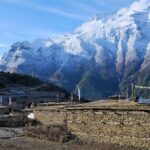
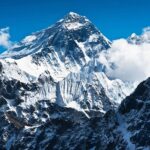
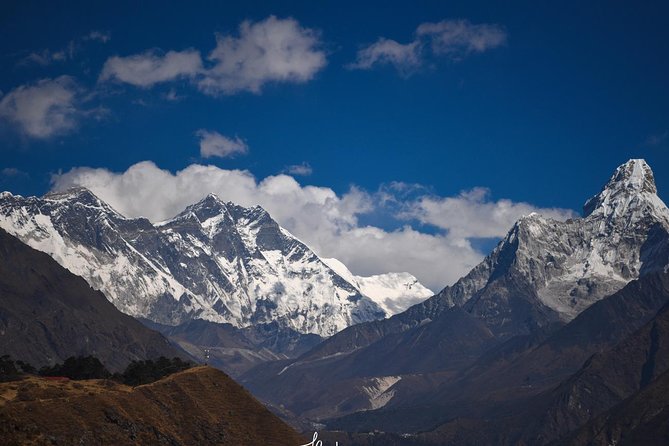
Everest Base Camp trek is a walk you remember. This 14-day route in Nepal mixes Sherpa culture with big mountain views, plus the drama of a Lukla flight before you even start hiking. You’ll pass Buddhist monasteries, green farmlands, and high Khumbu scenery as you move toward Mount Everest at 8,848m (from the 5,364m base camp viewpoint).
Two things I really like are the built-in breathing room of acclimatization days and the fact you’re traveling with a licensed guide plus support for the trekking period. That matters when altitude is the boss. The plan gives your body a chance to catch up to the climb.
One thing to think about: the trek price includes some lodging, but it doesn’t include your meal and drinks. So your real daily budget depends on how you eat once you’re in the mountains, plus tips for guide and staff.
In This Review
- Key things that make this Everest Base Camp trek work
- Why Nepal Horizon’s EBC trek feels practical, not just scenic
- Kathmandu Day 1: Pickup, planning talk, and a proper welcome
- The Lukla jump-in day: Kathmandu to Phakding by foot
- Phakding to Namche Bazaar: the climb that teaches patience
- Namche acclimatization day: rest that actually helps
- Namche to Tengboche: monastery views and a steadier pace
- Tengboche to Dingboche: higher, thinner, and slower
- Dingboche to Lobuche: getting close to the cold edge
- Gorak Shep and Everest Base Camp: what you’re really buying
- Tea-house nights and what the BB plan really means
- Guides, porters, and the small-group advantage
- Price and logistics: is $1,340 good value?
- Who should book this Everest Base Camp trek
- When altitude meets real life: tips to enjoy the climb
- Should you book this Everest Base Camp trek with Nepal Horizon?
- FAQ
- What is the duration of the Everest Base Camp trekking experience?
- Where does the trek start, and is pickup included?
- How many nights of accommodation are included?
- What gear does the trek include or rent for you?
- Are meals included in the price?
- Do I need travel insurance, and what should it cover?
- What is the group size limit?
- Can I cancel for a full refund?
Key things that make this Everest Base Camp trek work
- Small group size (max 10) keeps the pace more manageable on narrow mountain paths.
- Acclimatization stops in Namche Bazaar and Dingboche reduce the “just keep climbing” pressure.
- Licensed guide included, with guide food, accommodation, and insurance handled during the trek.
- Tea-house stays for 10 nights (BB plan) means you’ll have reliable sleeping each night without carrying everything.
- Gear rental includes a sleeping bag and a jacket, which can save you from buying gear you’ll use once.
- Sagarmatha National Park fees/local taxes included on this route, so fewer line items to worry about.
Why Nepal Horizon’s EBC trek feels practical, not just scenic
Everest Base Camp is the kind of trip where the views get the headlines, but the details decide whether it feels fun or exhausting. This trek is set up around the core reality of the Khumbu: altitude changes fast, walking days are uneven, and you need good timing more than fancy extras.
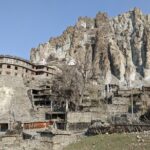
I like that the route mixes classic EBC sights with everyday Sherpa life—bazaars, farm fields, monasteries, and villages—so your trek doesn’t feel like a long climb through empty scenery. The cultural bits are not stuck on as a side show. They’re part of how you travel between checkpoints.
And there’s another practical plus: this trek is built as a group experience with professional support. A max of 10 people helps keep things organized, especially when you’re waiting for tea-house rooms, arranging pack carry, or pausing for the altitude reality check.
You can also read our reviews of more tours and experiences in Kathmandu.
Kathmandu Day 1: Pickup, planning talk, and a proper welcome
Your trek starts in Kathmandu, arriving around 1,300m. You get an airport pickup from Tribhuvan International Airport and a transfer to your hotel.
In the afternoon, you’ll do a trip discussion with trek leaders and management. That’s a big deal for Everest trekking, because most problems start long before you reach high ground—wrong expectations, missing gear, or unclear policies. In the mountain season, these small issues become big ones.
Then there’s a welcome dinner in a typical Nepali restaurant with cultural shows in the evening. After a travel day, I consider this the easiest way to shake off jet lag and get oriented in Kathmandu without rushing straight into logistics.
The Lukla jump-in day: Kathmandu to Phakding by foot
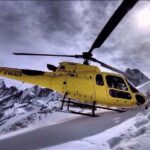
Next comes the flight from Kathmandu to Lukla, then you trek to Phakding. This is your first taste of Khumbu walking: about 8km and roughly 3–4 hours.
Why this day matters: it’s long enough to wake your legs up, but short enough that you’re not crushed before altitude ramps up. Lukla sits much higher than Kathmandu, so even a “not too long” day can feel different in your breathing.
You’ll reach Phakding around 2,651m. This is a good place to practice your rhythm: slow steps, steady breathing, and staying hydrated even when you don’t feel thirsty.
Potential drawback: flights to Lukla can be weather-dependent in general (not a problem unique to this operator). So build in flexibility mentally for the first day’s schedule.
Phakding to Namche Bazaar: the climb that teaches patience
Day 3 takes you from Phakding to Namche Bazaar—around 11km and about 5–6 hours. You’ll move up to about 3,438m.
Namche is where the trek starts to feel like a proper mountain hub. You’re no longer just walking through villages; you’re arriving at the place trekkers rely on for supplies, gear checks, and acclimatization support.
If you’ve never hiked at altitude before, Namche is where your body starts negotiating with you. I like that this trek doesn’t pretend altitude is easy. It builds you up to Namche, then gives you time to adapt.
Namche acclimatization day: rest that actually helps
Day 4 is an acclimatization day in Namche Bazaar at about 3,440m. This is one of the most important days on the whole trip.
Here’s the logic: you gain altitude over two consecutive walking days, then you stop and let your body respond. Even if you feel good, staying put for a day is still useful. The goal is not to “win Everest trekking.” The goal is to finish the trek feeling steady.
What I’d do on this kind of day: keep the day light, walk a bit if your body wants it, and focus on hydration. Your sleep will probably be less comfortable than in Kathmandu, and that’s normal up here.
Namche to Tengboche: monastery views and a steadier pace
From Namche, day 5 is a trek to Tengboche—around 10km and about 5–6 hours, climbing to roughly 3,870m.
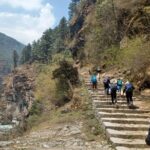
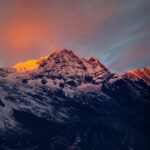
Tengboche is one of those stops people remember because of the spiritual setting and the classic Khumbu feel. Expect monasteries and Sherpa community life to be part of your walking day, not just a quick photo op.
A practical note: the weather can shift fast at these elevations. If visibility improves, you’ll benefit immediately from better views. If clouds roll in, you’ll still get the cultural atmosphere and the sense of place.
Tengboche to Dingboche: higher, thinner, and slower
Day 6 takes you from Tengboche to Dingboche: about 9km and roughly 5–6 hours, climbing to around 4,360m.
By this point, the trek becomes more about pacing than distance. The path is still walkable, but every meter higher makes your body work. This is where smart trekking becomes a skill—consistent effort, short breaks, and no hero moves.
Day 7 adds another acclimatization day in Dingboche at about 4,360m. I’m glad this trek includes a second pause here. It’s one of those quiet decisions that can make the difference between feeling solid later and feeling wiped out.
Dingboche to Lobuche: getting close to the cold edge
Day 8 moves from Dingboche to Lobuche—about 7km and about 5–6 hours, reaching roughly 4,940m.
This is where the air starts to feel sharper. Shorter distance, but often tougher effort. You’re climbing toward the high base camp corridor, and the scenery becomes more rugged as the trekking environment changes.
Day 8 is also where you should be paying attention to how you’re eating. Because meals and drinks aren’t included in the trek price, this is also where your day-to-day spending becomes more visible. If you’re trying to keep costs down, plan for a practical approach: keep snacks simple and prioritize enough calories for the next walking day.
Gorak Shep and Everest Base Camp: what you’re really buying
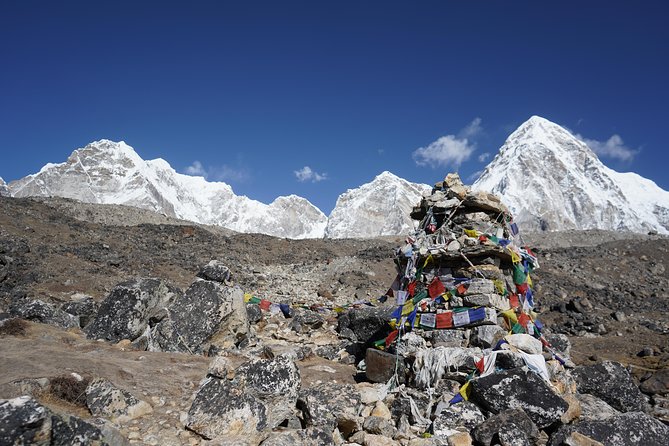
Day 9 is the big push: Lobuche to Gorak Shep (about 5,170m), then you visit Everest Base Camp, with base camp at around 5,364m.
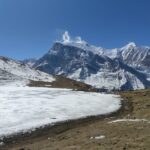
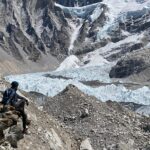
Even if you’ve seen photos, the first moment you realize how high you are hits differently. Base Camp is the destination, but reaching it is also about managing expectations. You’ll be in a real high-altitude setting—thin air, cold temperatures, and the need to move carefully.
This day is also where gear choices matter. This trek includes rental of a sleeping bag and a jacket, which helps you avoid buying cold-weather gear you might only use for one trip. Still, plan to bring your own layering system so you can adjust as temperature changes.
Reality check: you may feel the day more than you expect, even if you’re fit. That’s normal. The key is steady breathing, short pauses, and not treating altitude like a puzzle you can solve with speed.
After Base Camp, you continue onward for the rest of the trek period back toward Kathmandu. Specific overnight stops after Day 9 aren’t spelled out here, but the overall rhythm remains the same: you’ll keep moving through the Khumbu corridor with time for rest and descent.
Tea-house nights and what the BB plan really means
This trek includes 10 nights of accommodation on a tea-house Bed & Breakfast plan during the trekking period.
That’s helpful because it reduces the amount you carry and makes sleeping more predictable. But it also means you should budget for other meals. Since the trek price excludes meal and drinks, lunch and dinner costs will add up in the high towns and at tea houses where supply is limited.
What this inclusion does for you: it keeps the trek simpler. You focus on walking, hydration, and rest instead of arranging tents or cooking gear.
Gear rental also supports this simplicity. Having a sleeping bag and jacket provided can be a real value, especially if you’re traveling light or flying in from somewhere where buying trekking cold-weather gear would be a waste.
Guides, porters, and the small-group advantage
This operator runs with a government license holder professional guide, and the guide’s food, accommodation, salary, insurance, and equipment costs are included for the trekking period.
That’s meaningful because it shifts the burden away from you. On Everest routes, you don’t want to wonder whether your guide has the training or paperwork for the job. A professional guide also keeps the group organized around pace, safety, and altitude decisions.
From past experiences with this company, names that come up include Dipendra (often called Dip) as the main contact, with guides such as Raju and DB, and porters like Yambo. You don’t need to memorize names to benefit from that fact. It’s a sign the company has an established team and client handling system, including responsive pre-trek communication.
Small group size (up to 10) also helps. It makes it easier to manage check-ins, rest breaks, and tea-house room logistics. You’ll still share the trail—this is one of the most popular trekking regions on earth—but you won’t feel swallowed by a huge crowd.
Price and logistics: is $1,340 good value?
At $1,340 per person for an approx. 14-day Everest Base Camp trek, you’re paying for a full structure: Kathmandu support, hotel pickup/drop-off, a licensed guide, tea-house accommodation for 10 nights, park fees/local taxes, and gear rental (sleeping bag and jacket).
Whether it’s good value depends on your own travel habits:
- If you like not thinking about park fees and guide costs, this price is more attractive.
- If you’re the type who eats lots of restaurant-style meals in the mountains, the excluded “meal and drinks” line item will add more than you expect.
- If you already own cold-weather gear, the rental value might be less exciting—but it still helps simplify your packing.
Also note: this trek price doesn’t include travel insurance or visa fees, and you also need to plan for tips to the guide/staff. Those are normal costs for this kind of adventure. They’re just not baked into the $1,340.
One more logistics cost consideration: there’s an extra USD 250 per group if you want a guide who is different from an English-speaking setup. If language matters to you, ask early so you don’t get surprised.
Who should book this Everest Base Camp trek
This trek is a solid fit if:
- you have moderate physical fitness
- you want the classic EBC route with Sherpa villages and monasteries
- you like clear structure and professional guidance rather than DIY planning
- you’re okay budgeting extra for meals and drinks in the mountains
It may be less ideal if:
- you dislike early starts or basic travel discipline
- you want everything fully inclusive (meals and drinks are excluded)
- you’re not comfortable with altitude and cold, even with acclimatization days
Good news: the minimum age is 10 years, so it’s not restricted to only adult hikers, though the altitude challenge still applies for everyone.
When altitude meets real life: tips to enjoy the climb
Even with acclimatization days, Everest trekking is not a casual walk. The altitude is real, and your pace becomes your safety tool.
Here are a few practical habits I recommend for this exact route style:
- Walk slower than you think you should on the first high days to protect your energy for later.
- Keep eating and drinking simple and consistent, especially on the longer climb days.
- Dress in layers because the temperature changes when you go from village altitude to higher passes and ridges.
- Treat tea-house rest time as part of the hike, not downtime. Sleep and recovery matter.
If you have any medical concerns related to altitude, make sure your travel insurance is truly set up for emergency medical and evacuation coverage. This trek requires proof of insurance that includes medical expenses and emergency evacuation.
Should you book this Everest Base Camp trek with Nepal Horizon?
If you want an organized, classic Everest Base Camp trek with tea-house comfort, licensed guidance, and two acclimatization days in key places, this is a strong option. The inclusions (guide support, park fees, ten tea-house nights, and rental gear) help you travel smarter without juggling lots of extra planning.
I’d book it if your priorities are:
- structured altitude pacing
- a small group size
- real Sherpa-village trekking days
- support from a company that’s ready to handle the Kathmandu-to-mountain flow
I’d hesitate if your priority is fully inclusive meals and drinks or if you’re hoping to treat altitude like a normal hike. Plan for the cold, plan for extra food spending, and bring the insurance the trek requires.
FAQ
What is the duration of the Everest Base Camp trekking experience?
The trek runs for about 14 days.
Where does the trek start, and is pickup included?
The trek is based in Kathmandu, Nepal, and hotel pickup and drop-off are included.
How many nights of accommodation are included?
You get 10 nights of tea-house accommodation during the trekking period on a Bed and Breakfast plan.
What gear does the trek include or rent for you?
The trek includes one sleeping bag and a jacket on rent.
Are meals included in the price?
No. Meal and drinks are not included, so you’ll budget for lunches and dinners during the trek.
Do I need travel insurance, and what should it cover?
Yes. Travel insurance covering medical expenses and emergency evacuation is required, and proof must be shown to the tour leader on the first day.
What is the group size limit?
The trek has a maximum of 10 travelers.
Can I cancel for a full refund?
Yes, you can cancel up to 24 hours in advance for a full refund.