REVIEW · MOUNT ETNA
Etna South: High Altitude Winter Trek with an Alpine Guide
Book on GetYourGuide →Operated by Ashàra Etna & Stromboli Guides · Bookable on GetYourGuide
Etna in winter is pure drama. This Etna South trek brings you into snowy, high-altitude terrain on the volcano’s south side, with authorized alpine and volcanological guides and a cable car ride that sets the stage for what you’ll see.
I love the small-group feel and the way the guides connect the scenery to what Etna is doing. I also like that the tour includes real cold-weather hiking support, from boots and helmet to snow gear like crampons, so you’re not improvising in bad conditions.
One key consideration: this is not a casual walk. It’s built for experienced hikers, and the route can shift (or cancel) if ice or safety conditions demand it.
In This Review
- Key Things You’ll Really Notice On Etna South
- Etna South Winter Trek: What Makes It Different in the Cold
- The Guide Team: Why Volcanology Matters on This Hike
- Cable Car Up to 2,500m: The Quick Start That Changes Everything
- The First Viewpoints: A Guided Read of What You’re Standing On
- Valle del Bove (Valley of the Ox): The Walk That Feels Like an Inside View
- Barbagallo Crater: The Portion That Turns Into Real Hiking
- Mount Etna Walk: Summit Crater From a Safe Distance
- Optional Lava Channel Stop (If Conditions Allow)
- Pace, Altitude, and Winter Gear: What You’ll Be Counting On
- Who This Trek Is For (And Who Should Skip It)
- Price and Value: Why €106 Can Make Sense Here
- Safety Flexibility on an Active Volcano
- Should You Book Etna South: The Decision Cheat Sheet
Key Things You’ll Really Notice On Etna South
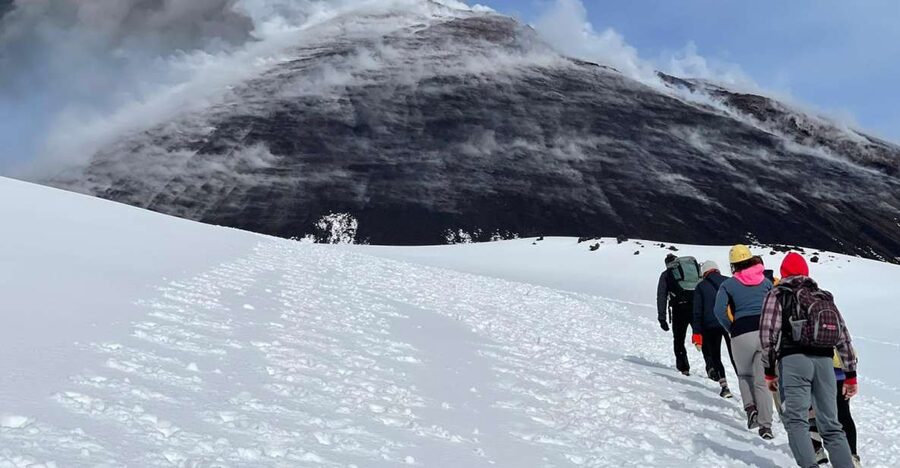
- Authorized alpine + volcanological guides who keep you safe in steep, icy terrain
- Small group size that helps you get answers, not just a line-walk up a mountain
- Cable car up to about 2,500 meters, then hiking toward roughly 3,000 meters
- Valle del Bove (Valley of the Ox) views paired with guided geology
- Barbagallo Crater and the cone from the 2001 eruption, seen from the hike route and viewpoints
- High-quality winter gear included: boots, helmet, walking sticks, and necessary snow equipment
Etna South Winter Trek: What Makes It Different in the Cold
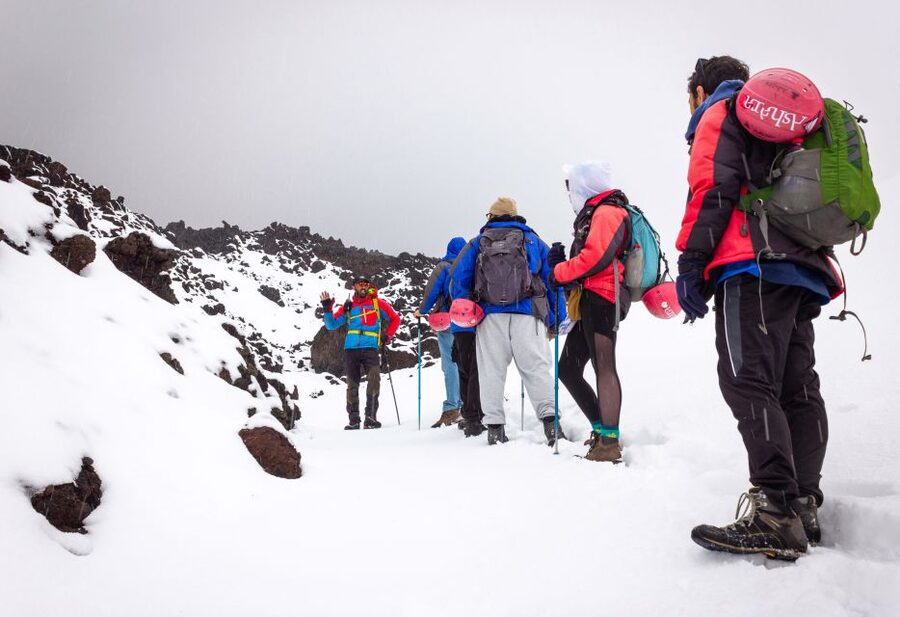
Winter on Mount Etna is not about comfort. It’s about clarity—clean light, sharp contrasts, and that eerie mix of white snow against black volcanic ground. You’re out on active-volcano territory, so the goal isn’t to “conquer the mountain.” It’s to experience Etna up close while staying within the safety boundaries the guides set.
What I like most is how the tour blends two worlds: winter hiking technique and volcano education. Riding the cable car isn’t just transportation—it’s a lead-in. Then, once you’re walking, the terrain forces you to pay attention: where you plant your crampon, how you move on uneven snow, and why the guide’s route matters.
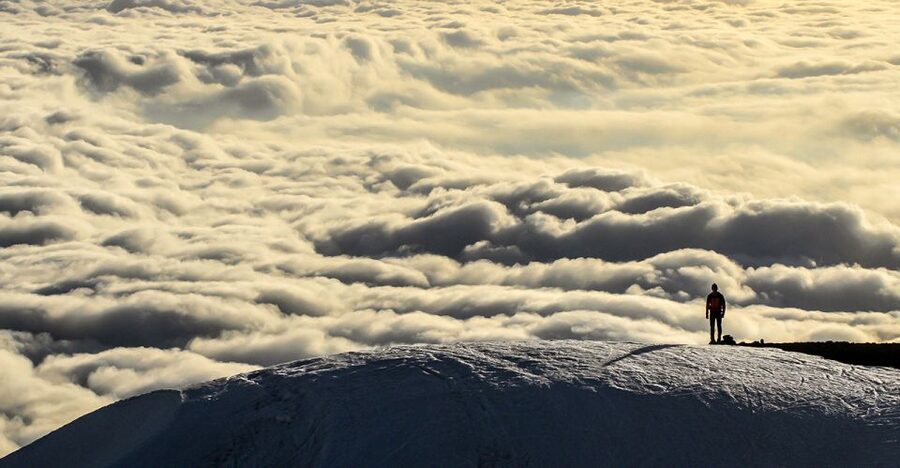
And there’s a simple thrill here: you’re climbing Europe’s highest active volcano while it’s in its coldest, most dramatic season. The views from high altitude tend to make people quiet for a moment.
You can also read our reviews of more tours and experiences in Mount Etna.
The Guide Team: Why Volcanology Matters on This Hike
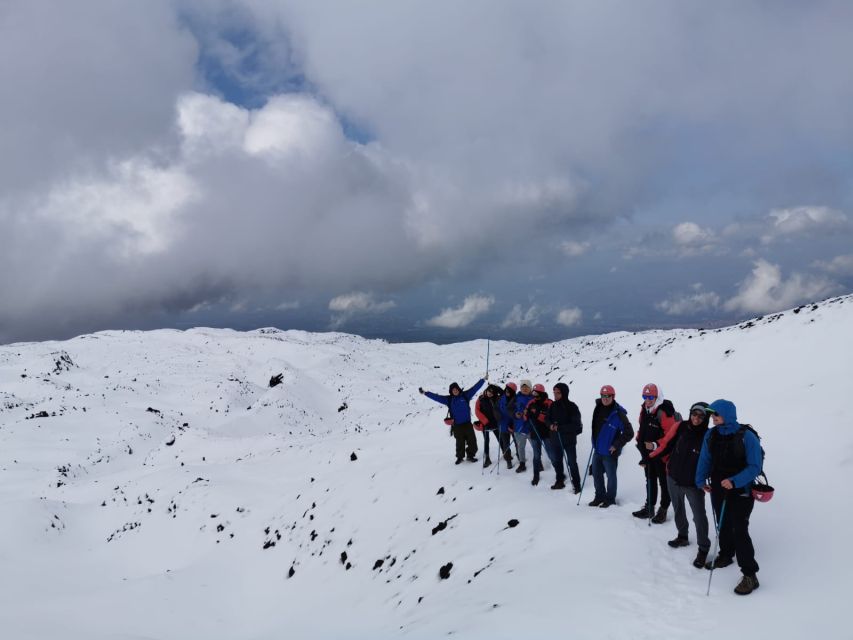
This tour is guided by licensed alpine and volcanological professionals, and that’s the point. Etna isn’t a static landmark. It changes—sometimes visibly, often in subtle ways—and winter adds another layer: ice, slippage, and unpredictable ground.
In this kind of setting, you want a guide who understands both:
- how to keep you moving safely in snow and cold
- how to explain what you’re seeing in the volcano’s crater zones
You’ll likely spend time asking questions. Past groups have included guides such as Massimo, Fabio, and Antonio, and the theme from their approach is consistent: they talk geology, explain eruption history, and adjust the pace so people stay steady on the uneven parts.
You don’t need to be a science student to enjoy it, though. The best part is how the facts connect directly to the route: craters you walk by, valleys you look into, and the way winter makes shapes easier to read.
Cable Car Up to 2,500m: The Quick Start That Changes Everything
You start at the Ashàra info point at Rifugio Sapienza (near the Terrazza dell’Etna restaurant) and then take the cable car for about 20 minutes. The ride brings you up to roughly 2,500 meters, which is a big deal on Etna.
At this altitude in winter, two things happen fast:
- The air feels colder and thinner, so pace matters.
- The terrain becomes more “winter-alpine” than “walking around a viewpoint.”
During the cable car portion, you also learn about the eruption that happened in 2001. That matters because, once you’re walking, you’re not just looking at random crater marks. You’re seeing parts of Etna’s story in the places you visit.
One small drawback to know up front: the cable car tickets aren’t included. You pay €50 per person in cash on the spot.
The First Viewpoints: A Guided Read of What You’re Standing On
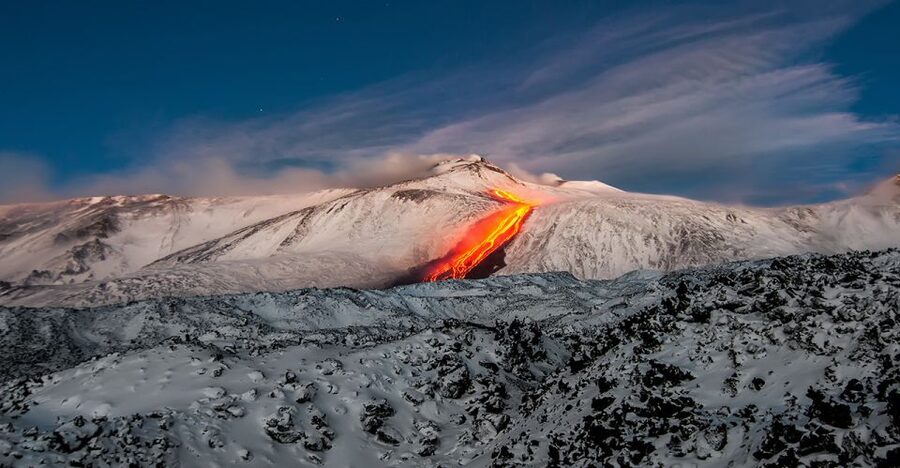
Right after the cable car, you get a guided viewpoint stop. This is where the guide helps you “map” the volcano in your head, before the hike turns into a real snow route.
It’s a smart use of time. When you’re at high altitude with ice on the ground, you don’t have energy for confusion. A good guide helps you understand where the main zones are—so every next stop feels connected rather than random.
Also, winter visibility can be hit-or-miss. Even when the weather changes, the guide’s job is to keep you on the safe side of the mountain and adjust the plan if necessary.
Valle del Bove (Valley of the Ox): The Walk That Feels Like an Inside View
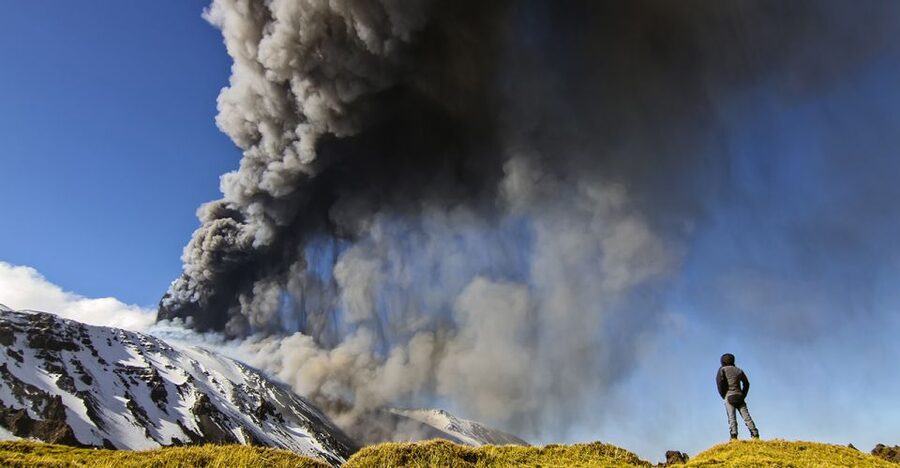
The route then heads into Valle del Bove, with about 40 minutes on this section. If you’ve heard it called the Valley of the Ox, you’re not imagining it—people use that translation in English discussions of Etna’s landscapes.
Why this stop is special: it’s one thing to see craters from above, and another to walk through a volcanic basin-feeling area. The geometry of this zone helps you understand how Etna shapes space. In winter, the snow makes the ground texture easier to read, and the black rock lines can look bold against the white.
Expect guided commentary while you hike and look out along the route. This is also where you’ll start feeling the rhythm of the group—steady steps, crampons biting, occasional pauses to keep everyone together and comfortable.
Barbagallo Crater: The Portion That Turns Into Real Hiking
Next is Barbagallo Crater, with around 1 hour of walking/hiking. This is the section where the winter skills matter most: uneven snow, possible ice patches, and the need to move deliberately.
Even though the tour is described as challenging, it doesn’t feel like random climbing. The guide keeps the focus on safe movement and clear explanations. You’ll likely hear how this crater zone fits into Etna’s eruption patterns and what to look for as you walk.
If you’re the type who enjoys understanding the “why” behind the route, this is where the experience tends to become memorable. You’re not just passing through; you’re getting a guided look at a major crater area.
Mount Etna Walk: Summit Crater From a Safe Distance
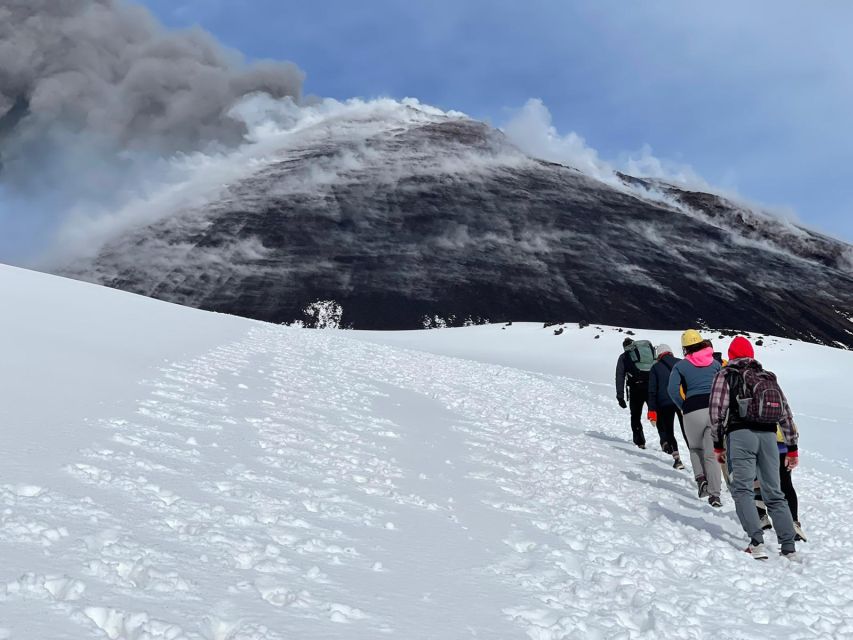
After Barbagallo, you’ll have about 30 minutes of additional walking toward the summit crater view, but from a safe distance.
That phrasing matters. With an active volcano, close-up access isn’t guaranteed, and safety rules are real. The value here is that you still get summit-zone sightlines and context without pushing into risky areas.
This is also where winter can be an advantage. When the sky is clear, high-altitude craters can look surprisingly crisp. When conditions are worse, the guide’s experience is what keeps you enjoying the day instead of worrying about where you stand.
Optional Lava Channel Stop (If Conditions Allow)
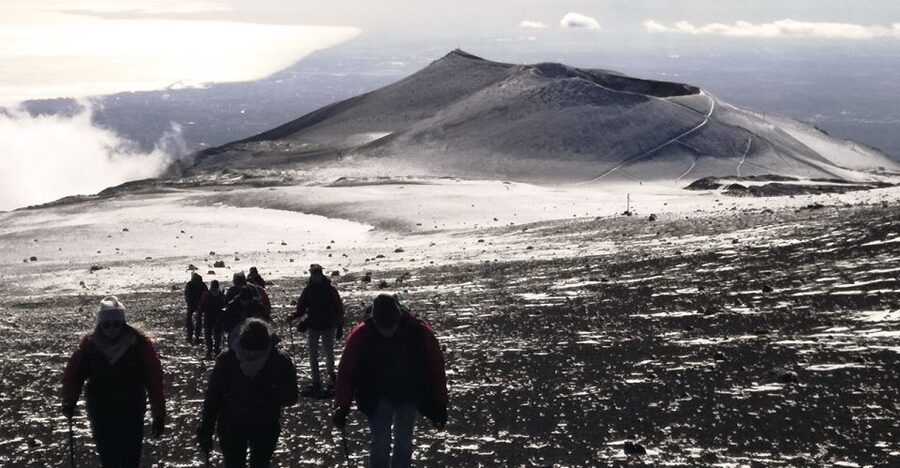
One of the most interesting possibilities is an additional visit to a lava channel, but only if snow conditions allow it.
That’s a good example of how winter affects Etna tours. The plan isn’t fixed like a city walking tour. Ice and snow can either expose what’s normally difficult to see—or block access for safety. The guide decides based on what the group can safely handle that day.
So if you’re hoping for the most dramatic volcanic features, this is the part that can add extra wow. And if it’s skipped, you still get the core crater and valley experience.
Pace, Altitude, and Winter Gear: What You’ll Be Counting On
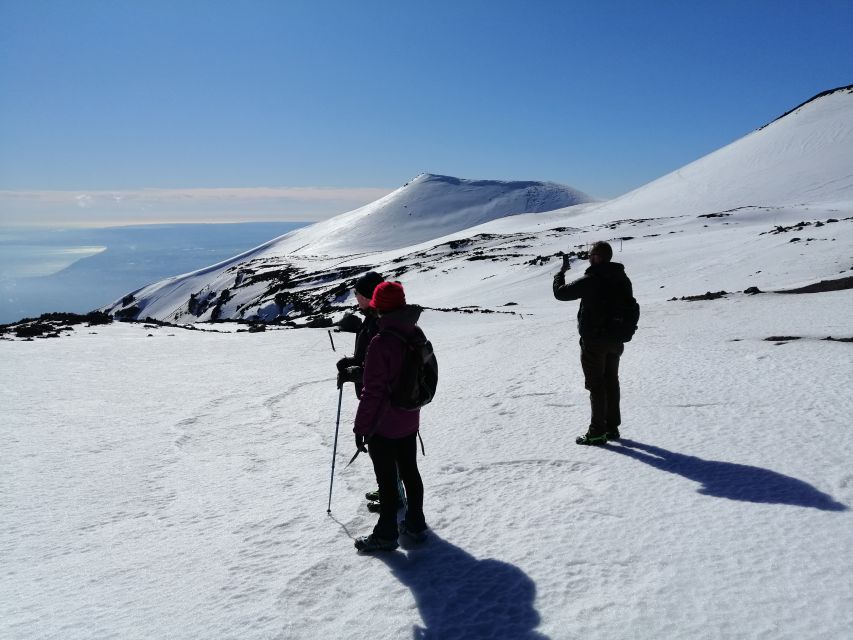
This trek goes from about 2,500 meters up toward roughly 3,000 meters. At those heights in winter, the tour isn’t about speed. It’s about stable footing and staying warm.
Here’s what’s included:
- Hiking boots
- Helmet
- Walking sticks
- Necessary snow equipment (the highlights also mention crampons)
That included gear is huge for value and comfort. Buying boots and crampons just for one Sicilian day is a pain, and doing it wrong is worse. Instead, you show up and focus on moving correctly.
What you should bring yourself:
- warm clothing and a windbreaker
- gloves, socks, scarf, hat
- long pants
- food and drinks
- cash (for the cable car tickets)
Not allowed items include pets, shorts, sleeveless shirts, open-toed shoes, and luggage or large bags.
In practice, that means you’ll want to travel light in cold-weather layers. The guides can only help you so much if you show up underdressed or carrying extra bulk.
Who This Trek Is For (And Who Should Skip It)
This is explicitly for experienced hikers. If you’re used to uneven ground in cold weather, you’ll probably find it tough-but-doable.
It’s not suitable for:
- children under 10
- pregnant women
- people with back problems
- mobility impairments / wheelchair users
- people with vertigo
- people with heart problems
- respiratory issues
- epilepsy
- people with high blood pressure
- people without experience
I’d also add a reality check: if you panic when you lose traction, winter Etna isn’t the place to learn calm-by-falling. The guide will stop or adjust the plan for safety, but your job is to show up ready.
If you fit the experience level and you want an honest winter volcano hike, this tour gives you a rare combination: high-altitude access plus structured guidance.
Price and Value: Why €106 Can Make Sense Here
The price is listed at $106 per person, and that includes the guide plus the heavy lifting on winter preparedness: boots, helmet, walking sticks, and snow equipment.
The part that changes your total is the cable car:
- €50 per person paid in cash on the spot
So your all-in cost is more like:
- $106 + €50
Whether that feels like a bargain depends on your baseline. If you were planning to buy crampons, rent cold gear, and hire a serious guide for a snow crater walk, this package becomes easier to justify. You’re paying for competence and safety, not just the view.
And the small-group approach matters. When your group is kept small, the guide can slow down for the people who need it, answer questions, and manage risk better in icy conditions.
Safety Flexibility on an Active Volcano
Etna is active, and winter conditions can be unpredictable. The tour notes that the excursion could require variations or be canceled for safety reasons, especially due to ice presence.
That’s not a downgrade. It’s the reality of working around a living volcano in cold season. The guide can also stop the excursion or change the route if anything could compromise safety.
So the best mindset is: expect the mountain to be in charge, and trust the guide to make smart calls.
Should You Book Etna South: The Decision Cheat Sheet
Book this trek if:
- you’re an experienced hiker comfortable on uneven, icy ground
- you want a serious winter volcano experience, not a sightseeing stroll
- you like learning from a volcanology-focused guide while you walk
- you’re okay with a day where the route might shift if conditions demand it
Skip it if:
- you have any of the listed medical or mobility limitations
- vertigo or breathing issues make high-altitude exposure stressful
- you want an easy walk with zero snow challenge
If you do book it, plan to dress like the mountain means business, carry your essentials tightly, and bring a flexible attitude. When the weather lines up, you get an unforgettable combination: snowy crater terrain, guided volcano context, and a high-altitude view that makes Sicily feel bigger than you expected.