REVIEW · SAPA
Fansipan Mount Trekking 1 Day
Book on Viator →Operated by Old Quarter Travel · Bookable on Viator
Fansipan is the kind of hike that changes your pace. This one-day trek from Sapa targets the roof of Indochina with a guide, a porter, and a summit Fansipan certification to mark the effort. I especially love the practical setup that keeps the day moving, plus the fact you get a picnic lunch so you don’t have to haul food uphill.
The main drawback is simple: this is a tough, stair-heavy climb in mountain weather, and rain or fog can hide summit views. If you’re new to hiking at altitude, you’ll want to go in with realistic expectations—and sturdy shoes.
In This Review
- Key things to know before you hike Fansipan in one day
- Fansipan in a single day: what you’re really signing up for
- The 6:00 am pickup that keeps your trek from turning into a slog
- Tram Ton Pass trail to the bamboo forests: where the day gets real
- The lunch stop that prevents the classic mistake: sprint, crash, burn
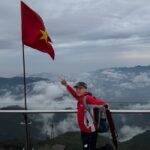
- Reaching the summit around noon to 1 pm: what to expect at the top
- Tram Ton Pass return and the 16:30 pickup back to Sapa
- What you get for $89: the value math that matters on this climb
- Guides and pace: why names you’ve heard can matter
- Fitness and footwear: the two decisions that decide your day
- Weather reality: rain and fog can shape the whole experience
- Who should book this one-day trek (and who should think twice)
- Should you book Fansipan Trekking 1 Day?
- FAQ
- What time does the Fansipan 1-day trek start?
- Is lunch included?
- Do I need to carry my own water and food?
- Are guide and porter included?
- Is cable car included in the price?
- What fitness level do I need?
Key things to know before you hike Fansipan in one day
- Early start from Sapa at 6:00 am, reaching the trailhead area near 1,800 meters
- Guide + porter included, so you focus on footwork instead of carrying everything
- Picnic lunch on the route (about 30 minutes) right before the steeper push
- Summit timing usually lands around noon to 1 pm, depending on conditions
- Certification when you finish, a satisfying souvenir made for this climb
- Weather matters: the experience depends on good conditions, and fog can roll in
Fansipan in a single day: what you’re really signing up for
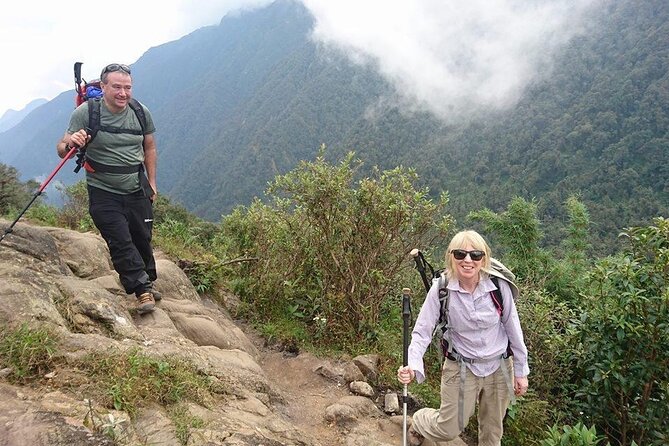
Fansipan is famous for a reason: it’s the highest peak in the Indochinese Peninsula, and it doesn’t treat first-timers gently. This trek is structured like a classic “full-send” day—long hours, plenty of uphill, and a steady focus on getting you safely to the top.
What makes this option interesting is the rhythm. You get a very early handoff from your hotel in Sapa, transportation up to the Tram Ton Pass area, and a guided route through forest and steep sections. Then you turn around and come back down the same day. That means you’ll feel the mountain’s height and effort quickly—no waiting around for a multi-day itinerary.
The value is in the support. Your guide handles the route and safety checks, and a porter helps with gear so the trek stays about moving forward, not packing your entire life into your backpack. You also come away with a summit Fansipan certification, which is more meaningful than a random photo stop.
You can also read our reviews of more tours and experiences in Sapa.
The 6:00 am pickup that keeps your trek from turning into a slog
Your day starts early—pickup around 6:00 am from your hotel in Sapa. The timing matters. Trekking Fansipan feels easier when you’re not chasing daylight and heat. Starting early also helps if weather is unpredictable, because you have more options if conditions shift later in the day.
You’ll travel toward Tram Ton Pass (part of Hoang Lien National Park) at roughly 1,800 meters above sea level. The first stretch is about getting you into position and giving your body time to settle into the altitude before real climbing begins.
This is also where the smooth coordination matters. Guides in the past have handled permits and park coordination quickly, even when plans needed last-minute adjustments. If you hate paperwork and bureaucracy on vacation, this kind of organization is a real quality-of-life upgrade.
Tram Ton Pass trail to the bamboo forests: where the day gets real
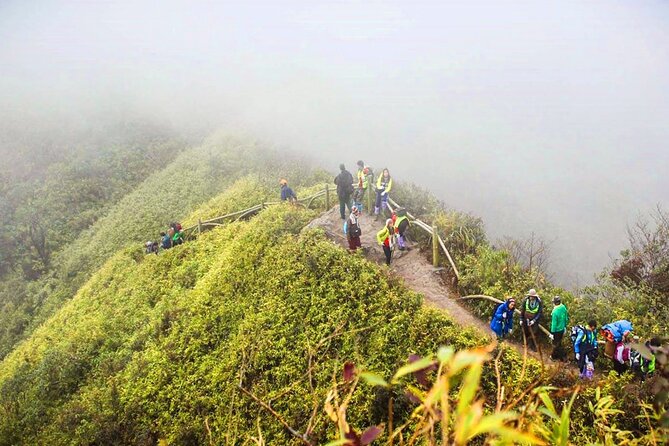
Around 6:50 am, the trekking starts. The route is known for passing through bamboo forest sections early on, and that’s a nice way to transition into the climb. It’s not just scenic fluff—forest cover can soften sun and wind, which helps when you’re breathing hard and trying to keep your pace steady.
You’ll be moving at a climbing rhythm: lots of uphills and stairs, with enough continuous effort that you’ll feel your legs early. This isn’t a casual walk. It’s the kind of trail that rewards good footwear and controlled speed.
A good guide makes a difference here. In earlier experiences, guides like Bao focused on route knowledge and hazard warnings. Another guide, Sii, kept a manageable pace and maintained a safe, fun atmosphere. You want that kind of energy, because the mountain is steep enough that small mistakes compound.
The lunch stop that prevents the classic mistake: sprint, crash, burn
Sometime after the morning push, you stop for a picnic lunch that lasts about 30 minutes. The lunch break is built into the plan on purpose, not as an optional extra. It’s timed so you can refuel before the steeper final approach.
And yes, this is one less stress point for you: the meal is included. You also get bottled water (1 bottle per person) for the day. That means you’re not guessing how much food and drink you’ll need while climbing.
One practical note: 30 minutes goes fast when you’re hungry and your legs feel heavy. Don’t treat lunch like a long break. Eat, drink, use the restroom if available, then get moving again while your body is still warmed up.
If you tend to overthink during hikes, you’ll like this setup. The day gives you a clear rhythm: hike, eat, hike again.
Reaching the summit around noon to 1 pm: what to expect at the top
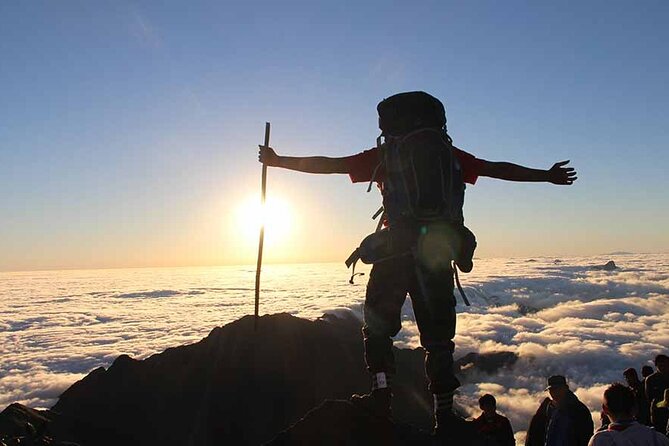
Your summit attempt usually happens between 12:00 and 13:00. That timing is useful because it often puts you above the morning haze but not always in the peak of late-afternoon weather shifts.
But here’s the honest part: Fansipan summit conditions are weather-dependent. Fog and rain can reduce visibility even if you reach the top. In one case, rain started about one third into the journey, and fog meant the summit wasn’t as viewy as hoped. Still, the achievement remains real—and the certification proves you finished the climb.
When the weather cooperates, you’ll feel that classic “roof of Indochina” satisfaction. When it doesn’t, you’ll still earn it. Either way, you’ll be tired in a very specific way: legs heavy, lungs working, brain wide awake.

Tram Ton Pass return and the 16:30 pickup back to Sapa
After the summit window, you head back down. Descents can feel harder than you expect. Your knees and ankles do the work now, and wet rock or slick steps can make you slow down. If rain or fog rolled in earlier, expect the trail to feel more slippery.
Around 16:30, the car picks you up to return to Sapa town center, and the program ends. The total time is about 10 hours (approx.), depending on conditions and your group’s pace.
This is a full day, so you’ll want to plan your evening in Sapa like an adult who understands fatigue: shower, eat, and resist the urge to “just walk around a bit more” unless you love sore thighs.
What you get for $89: the value math that matters on this climb
At $89 per person, this one-day trek isn’t cheap, but it’s also not just paying for a guide to talk while you walk. For that price, you’re getting a bundle:
- Transportation from Sapa to Ton Station
- A guide and 1 porter
- Picnic lunch plus 1 bottle of bottled water
- Medical kit support
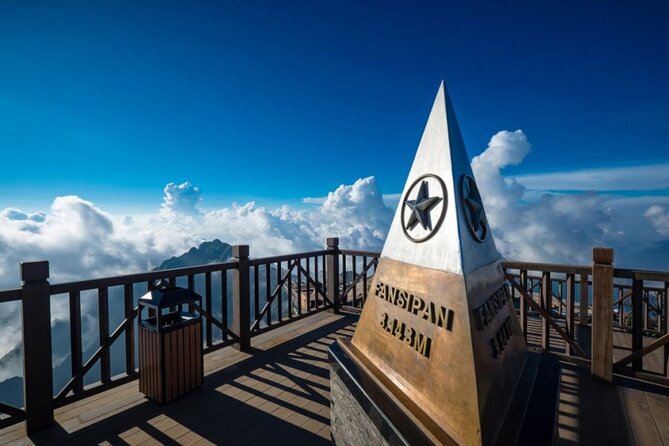
- Summiting Fansipan certification
- Tram Ton Pass access is handled as part of the experience
Porter help is the quiet value here. On a steep mountain, the difference between carrying everything and offloading gear can change how you feel by late morning. Lunch being included also prevents the common day-trek mistake: under-pack food, then negotiate with hunger while your legs are already near the limit.
Cable car is not included, so this is truly about hiking. If you want the “I climbed it” experience and not a shortcut, that clarity matters.
Also worth noting: private means it’s just your group participating, so you’re not pushed into a chaotic pace from strangers.
Guides and pace: why names you’ve heard can matter
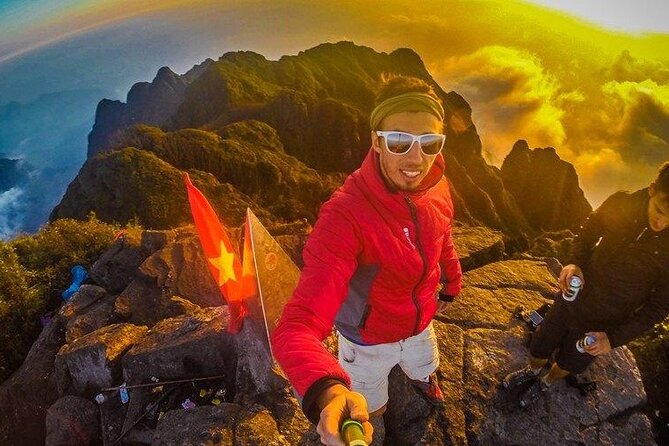
If you pay attention to reviews, you’ll notice a pattern: people remember the guide. That makes sense—Fansipan is steep enough that “good logistics” turns into “good safety.”
Guides previously noted for strong performance include Sii, Pang, and Bao. The themes were consistent:
- Keeping a manageable pace
- Handling coordination smoothly
- Knowing hazards on the route
- Making the climb feel safe and organized
Language can be a factor. One experience mentioned there wasn’t much conversation due to an English-language gap, but the route knowledge and safety warnings still worked well. If you want lots of talk and explanations, you can ask your provider ahead of time what English level you can expect.
Fitness and footwear: the two decisions that decide your day
This trek is described for people with moderate physical fitness. That doesn’t mean it’s easy—it means you can handle strenuous hiking if you pace yourself.
You should be prepared for:
- Lots of uphill and stairs
- A long continuous effort window (not a short hike)
- Altitude effects after starting near 1,800 meters
Wear shoes you trust on uneven steps. If you’re tempted to bring fashion sneakers, I’d stop you now. Rain can turn the trail into a slippery challenge, and you’ll be grateful for real grip and ankle support.
If you’re prone to cramping, consider planning slow breaks during lunch and staying consistent with water. One bottle is included, so bring your own if you know you typically drink more.
Weather reality: rain and fog can shape the whole experience
Fansipan weather is mountain weather—fast changes, fog that can roll in, and rain that can start mid-trek. The experience depends on good weather, so your provider may shift the date if conditions are poor.
Even in clear times, fog is common at altitude, and summit visibility isn’t guaranteed. That doesn’t mean the day is wasted. What changes is how you experience the top: either with views or with cloud-wrapped effort.
My advice: treat the summit as the finish line, not the whole point. If you go chasing perfect panorama conditions, you’ll feel disappointed when the mountain does what mountains do.
Who should book this one-day trek (and who should think twice)
This tour fits best if you:
- Want a high-effort, single-day challenge
- Like having a guide and porter so the day stays focused
- Are comfortable hiking for many hours and climbing stairs
- Want a certification that marks your summit achievement
It’s less ideal if you:
- Want lots of scenic time and minimal exertion
- Feel unsure about heavy uphill hiking
- Know you struggle with steep descents, especially in wet conditions
One clear takeaway: some hikers feel a one-day attempt is doable, but they’d consider doing it over two days if they had the choice. If you’re a cautious beginner, that option can reduce pressure. If you’re a confident hiker, one day can feel like a satisfying mission.
Should you book Fansipan Trekking 1 Day?
Book it if you want the roof-of-Indochina challenge with built-in support: guide, porter, lunch, water, and certification, all for a set price. The early start and tight schedule are exactly what makes it feel like a real achievement instead of a casual sightseeing day.
Skip or reconsider if you’re mainly chasing summit views and you’re likely to feel frustrated by fog or rain. Also reconsider if you know you get overwhelmed by steep stair climbing. In that case, a slower format might suit you better.
If you do book, go in with two goals: pace yourself early, and protect your footing on the descent.
FAQ
What time does the Fansipan 1-day trek start?
The pickup starts at 6:00 am from your hotel, and the trekking begins shortly after that around 6:50 am.
Is lunch included?
Yes. You’ll have a picnic lunch included during the hike (about 30 minutes).
Do I need to carry my own water and food?
Water is included: you get 1 bottle of bottled water per person. Lunch is included too, but if you personally drink a lot, you might want extra water.
Are guide and porter included?
Yes. The experience includes a guide and 1 porter.
Is cable car included in the price?
No. The cable car is not included.
What fitness level do I need?
The trek is for people with moderate physical fitness. Be ready for uphill sections and stairs as part of a long full-day hike.