REVIEW · SA PA
From Hanoi: 2-Days Sapa Trekking Tour Lao Chai and Cat Cat
Book on GetYourGuide →Operated by Anny Travel · Bookable on GetYourGuide
Two days. Three villages. Big mountain air. This Sapa trekking tour from Hanoi combines luxury limousine comfort, local ethnic visits, and guided treks that feel hands-on, not just photo stops.
I love the way the first day puts you right into village life at Cat Cat, with a guide talking through daily routines in the Black H’mong community. I also like the second day’s Lao Chai rice-terrace walk, because you get moving views of terraces and stream paths instead of a long sit-and-watch schedule.
One thing to plan for: if weather turns gray (fog, drizzle, wet ground), expect muddy steps—including sections through rice fields—so good shoes matter more than you think.
In This Review
- Key highlights worth your attention
- Sapa by luxury limousine: comfort that matters on a trekking trip
- Lao Cai city stop: costumes, quick culture, and an easy warm-up
- Cat Cat village trek: the waterfall story is the payoff
- Sapa evening: where you reset before day two’s longer walk
- Day 2 Lao Chai and Ta Van: rice terraces plus stream paths
- The return by Ta Van Bridge and the late-night Hanoi finish
- How much hiking is this, really? Pace, mud, and safety thoughts
- Price and value: what $90 per person buys (and what it doesn’t)
- Lodging and comfort: hotel base vs homestay nights
- Who this Sapa trekking tour suits best
- Should you book this Cat Cat and Lao Chai–Ta Van trekking tour?
- FAQ
- How long is the Sapa tour from Hanoi?
- Where is pickup in Hanoi?
- Which villages does the tour visit?
- What are the main trekking distances?
- What meals are included?
- Where will I stay overnight?
- What’s included in the price, and what’s not?
- Can I cancel and get a refund?
Key highlights worth your attention
- Luxury limousine ride from Hanoi to Sapa, with built-in time stops for food and breaks along the way
- Cat Cat village trek to a waterfall tied to a French-built hydraulic power station
- Ethnic costume and culture stop in Lao Cai city featuring H’mong, Dzao, and Tay people
- Lao Chai + Ta Van trekking with route changes based on your walking ability
- Overnight stay in Sapa (hotel such as Sapa Lodge/Charm Sapa Hotel or similar, or a homestay option)
- Most common Sapa village names on one trip: Cat Cat, Lao Chai, Ta Van, and Giang Ta Chai
Sapa by luxury limousine: comfort that matters on a trekking trip
This is a two-day Sapa experience built around one simple idea: you’ll spend your energy on walking and village time, not on figuring out transport. You get picked up from your Hanoi hotel in the Old Quarter, then ride out by expressway toward Lao Cai and onward to Sapa.
The limousine part isn’t just a nice extra. It helps because trekking days in Sapa start early and go long. A comfortable ride makes it easier to show up to your first walk feeling awake, not wrecked.
You’ll also have time breaks along the route. Day 1 includes a breakfast stop you handle on your own in Lao Cai city, which keeps the schedule flowing instead of freezing in transit.
You can also read our reviews of more tours and experiences in Sa Pa.

Lao Cai city stop: costumes, quick culture, and an easy warm-up
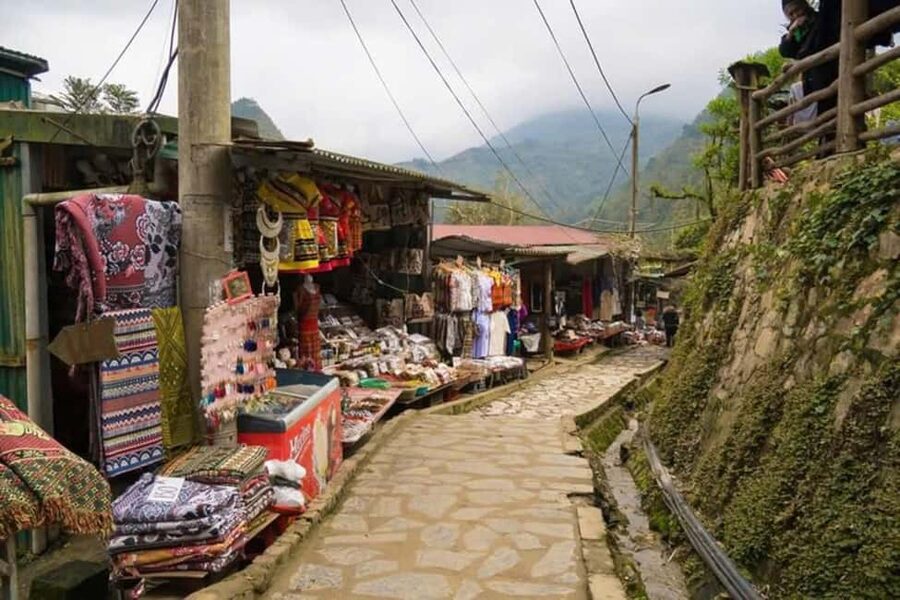
Before Sapa, you’ll stop in Lao Cai city. This is a short but meaningful break where you can see colorful traditional clothing—H’mong, Dzao, and Tay people are specifically mentioned on this stop.
It’s a good moment to get oriented. Sapa can feel like a wall of mountains and fog when you first arrive, so seeing people and fabrics before the steep village paths makes the whole trip feel more grounded.
You’ll also grab lunch in Sapa after you arrive, but this Lao Cai stop helps you get through the morning without arriving hungry or flustered.
Cat Cat village trek: the waterfall story is the payoff
Day 1 settles you into Sapa with an initial village walk: Cat Cat village. This Black H’mong community sits near the bottom of a deep valley at the foot of Fansipan Peak, so even before you hike, you’re surrounded by steep terrain and a feeling of life down in the valley.
Your local guide doesn’t just point. You’ll get insight into daily life—what people do, how the village works, and what makes this place distinct. If you like cultural context with your photos, this is one of the best parts of the itinerary.
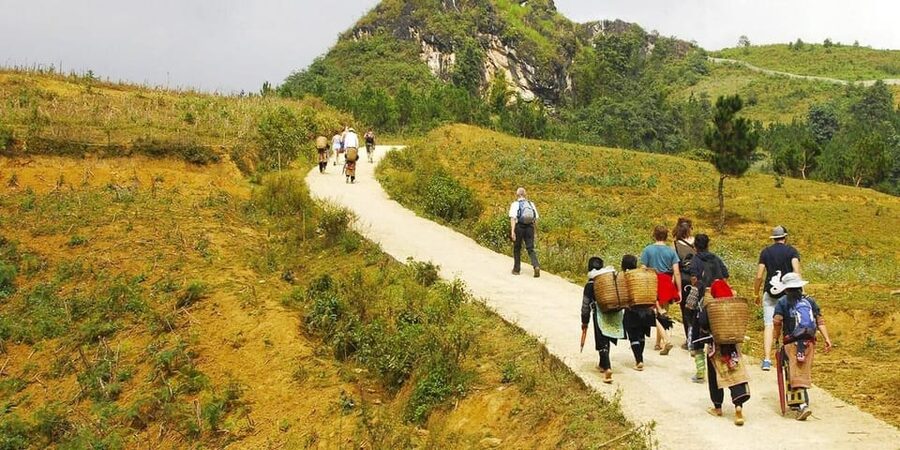
Then comes the hike: a guided trek down to a waterfall. Along the way, you’ll stop to take photos and learn about what you’re seeing. A particularly memorable detail here is that the French built a hydraulic power station near the waterfall area.
Distance is listed as about 3 kilometers and around 2 hours. Expect an up-and-down day: you walk downhill toward the waterfall, then you hike back uphill. Plan on your legs learning fast.
Sapa evening: where you reset before day two’s longer walk
After Cat Cat, you return to Sapa Town. The evening is yours to shape. That matters because day two is the bigger trekking day, and you’ll want sleep, warmth, and time to recover.
Your overnight is in a hotel or a homestay option. The hotel is described as Sapa Lodge or Charm Sapa Hotel (or similar). The key value here is location and comfort: you’re not traveling again at night, so you can focus on recovering and staying warm for the morning.
If the weather is cool (and it often is up here), this is also when warm clothing really pays off. A comfortable evening makes your day two hike feel more enjoyable and less like punishment.
Day 2 Lao Chai and Ta Van: rice terraces plus stream paths
Day 2 starts with breakfast at your hotel and then a light pack for trekking. There’s luggage storage available at reception, so you don’t have to drag everything on the trail.
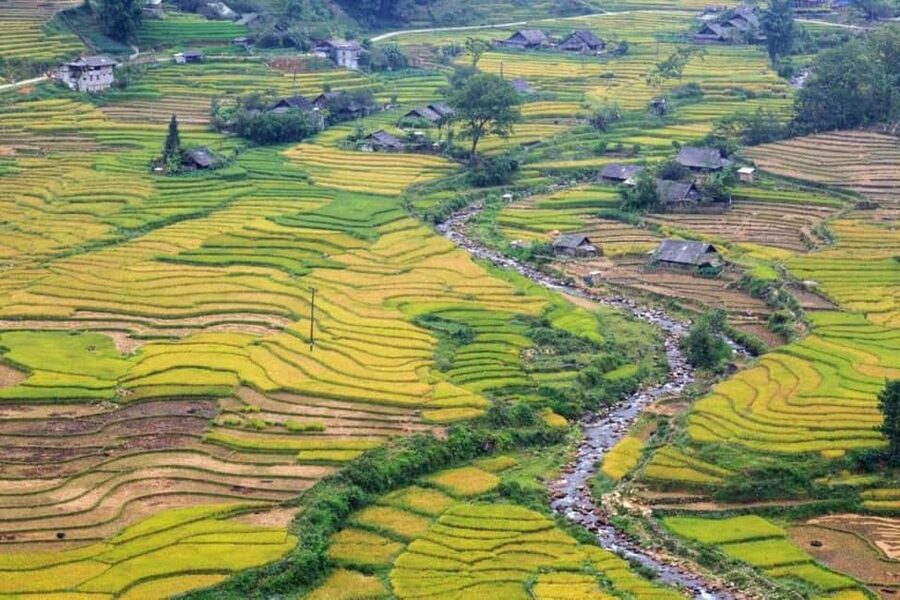
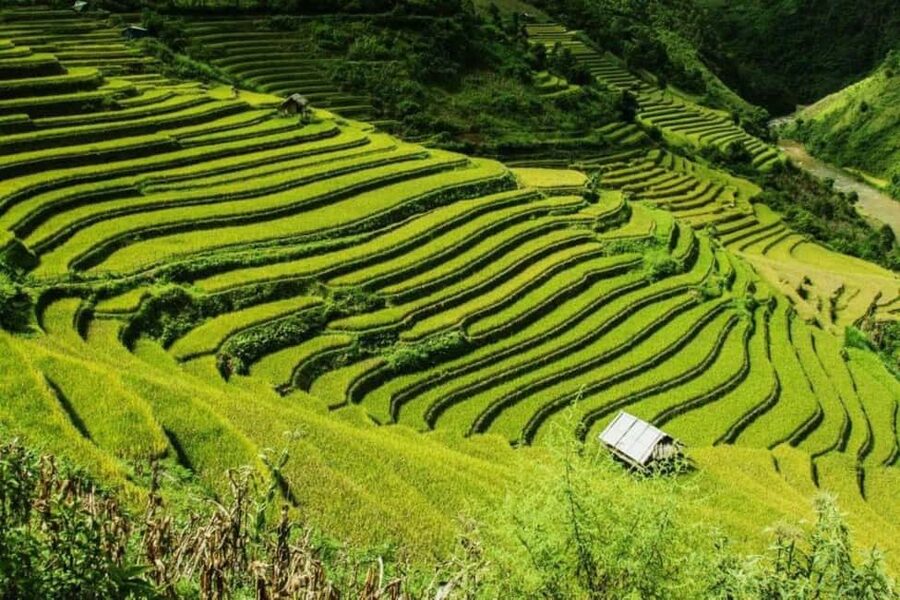
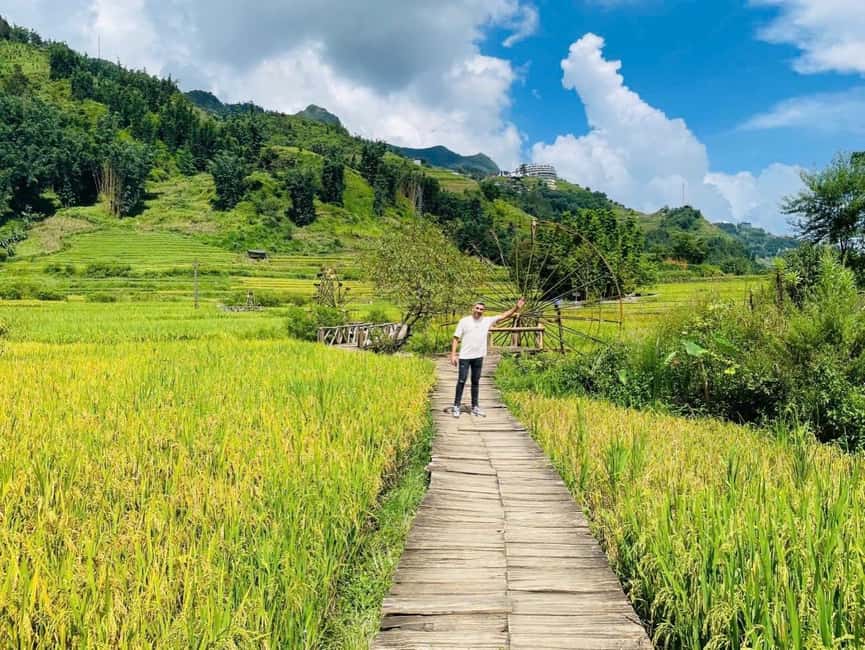
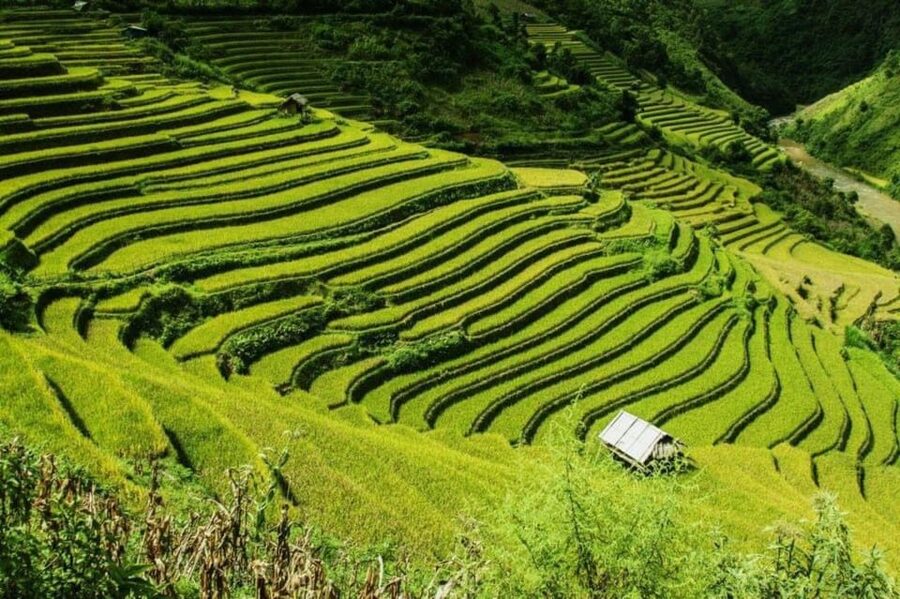
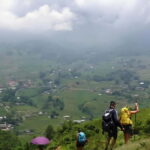
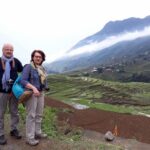
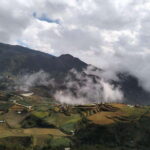
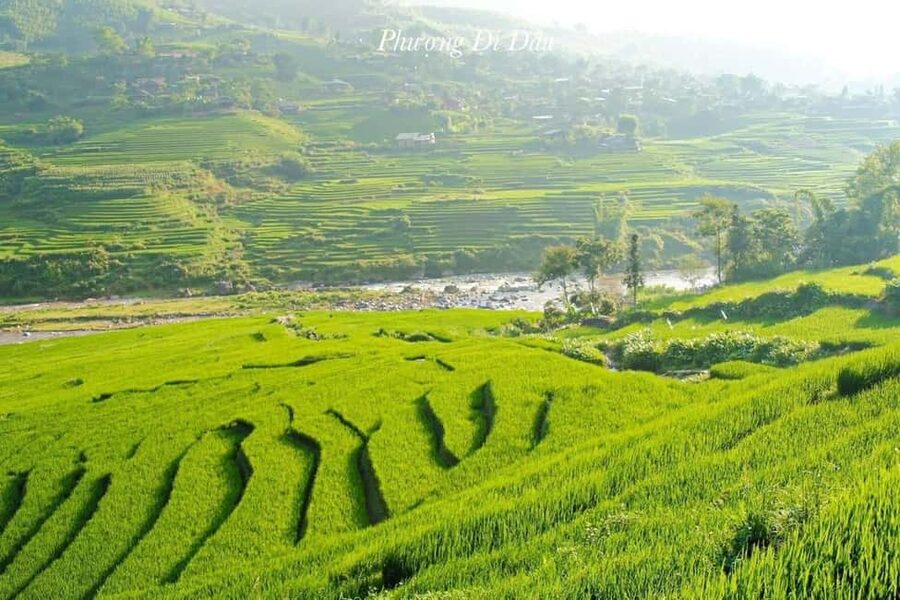
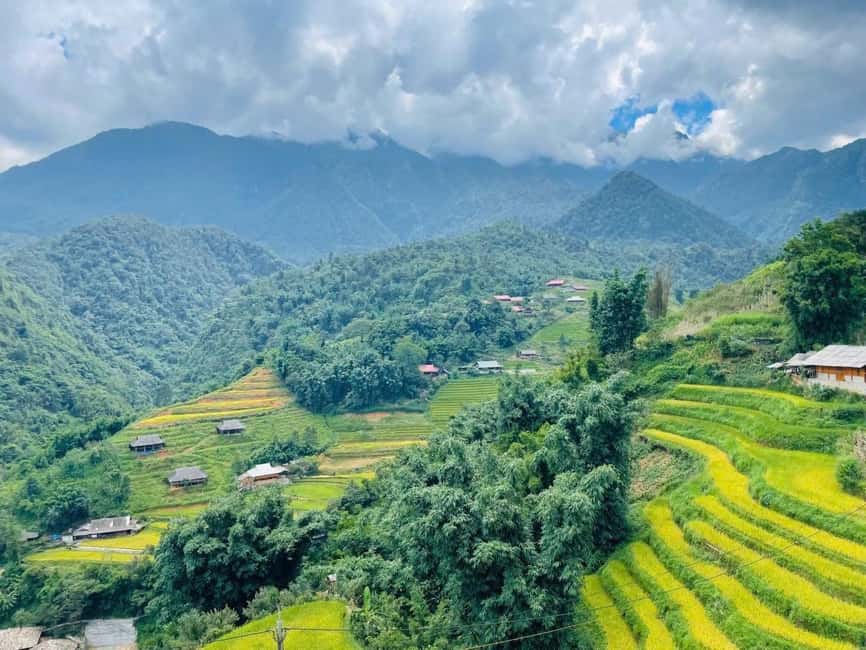
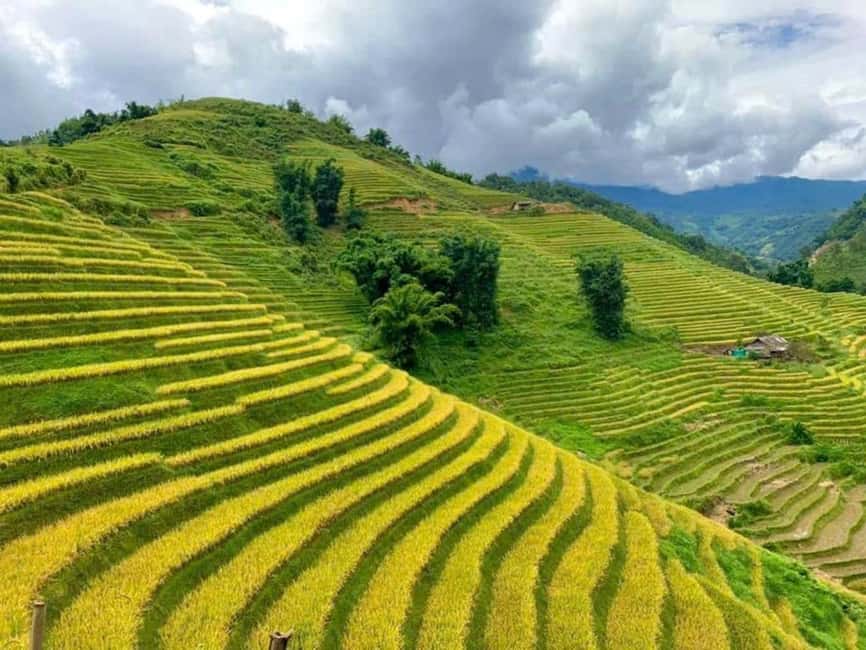
The main trek is through Lao Chai Village and the rice terraces. The route is described as going through rice terraces and along Muong Hoa Streams. This is where the walking time turns into “work,” but in a satisfying way: you’re not just moving from one viewpoint to the next. You’re traveling through the village-and-farming terrain that makes this region famous.
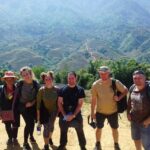
After Lao Chai, the route continues to Ta Van village, home of the Dzay people (spelled as Dzay in the itinerary). Expect a guided trek that adapts to your ability level. The itinerary notes the guide will make the best plan for your group depending on trekking comfort.
Time and distance on day two are listed as about 3.5 hours and around 9–12 kilometers. That’s a real hike, especially if it’s wet.
The tour also references Giang Ta Chai among the attractions. Even if it isn’t framed as a full separate day stop, it fits into the village circuit on your trek route and helps explain why this region is often grouped together rather than treated as one single village.

The return by Ta Van Bridge and the late-night Hanoi finish
After the trekking portion, the bus picks you up at Ta Van Bridge to take you back toward the Sapa center. Then you’ll have a break at the hotel and lunch.
After free time in Sapa, you meet your group again to head back to Hanoi. The bus ride starts around 14:00, with a rest stop along the way, and you should arrive in Hanoi in the late evening.
That end-of-day rhythm matters if you hate rushed travel. The day is long, but it’s structured. You’re not dropped somewhere with no idea what happens next—there’s a planned point when you’re done walking and back on transport.
How much hiking is this, really? Pace, mud, and safety thoughts
Here’s the honest way to think about this tour: it’s not just “a casual walk.” You do two active days with village treks.
Day 1 is shorter at about 3 kilometers and around 2 hours, but it includes a downhill section and then a hike back up. Day 2 is longer—9 to 12 kilometers and about 3.5 hours—through terraces and along stream paths.
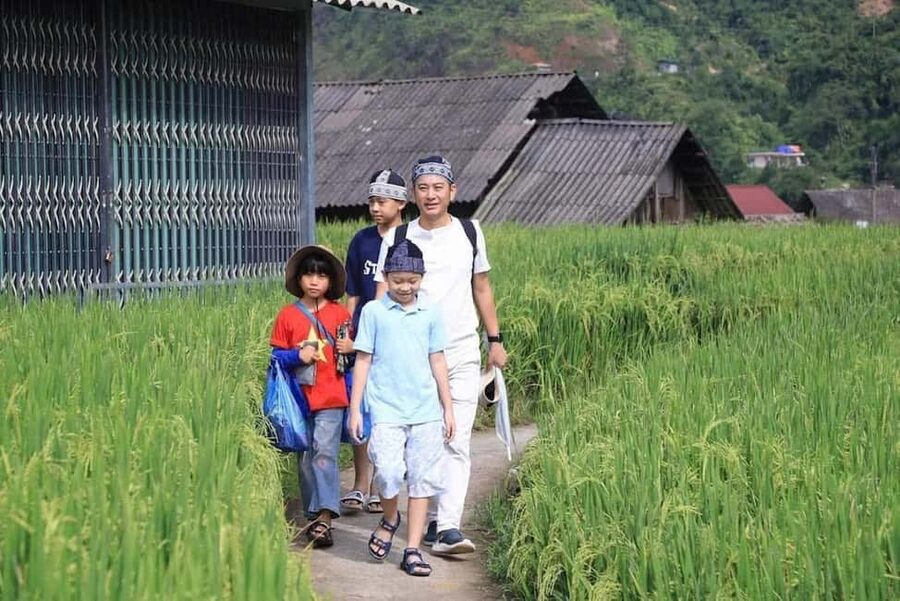
Now add weather. If you get fog or drizzle, the ground can turn slippery. The route passes through rice fields and narrow paths, and in wet conditions that can mean sticky mud and uneven footing. You’ll have guides to help, but your own choices still matter: good soles, real grip, and socks you don’t mind getting dirty.
Also plan your expectations around how interactions feel in village areas. Guides help you navigate and explain what you’re seeing, but friendly guidance can sometimes come with reminders to support communities through small purchases or gratuities. If you’re uncomfortable with that vibe, bring a calm mindset and decide your boundaries early.
Price and value: what $90 per person buys (and what it doesn’t)
At $90 per person for a two-day Sapa experience, the value mostly comes from what’s bundled:
You typically get:
- Roundtrip transportation between Hanoi and Sapa (described as optional in some packages, but pickup is part of the Hanoi side of the schedule)
- An English-speaking guide in the Sapa trekking portion
- Meals (lunch day 1, breakfast day 2, and lunch day 2)
- Entry tickets to indicated sights
- Overnight accommodation (hotel or a homestay option)
What’s not included:
- Drinks
- Single room surcharge if you want a private setup
- Holiday surcharges in Vietnam (if your dates fall on those periods)
For many people, this is a fair deal because the biggest cost drivers—transport, guides, and two-day lodging—are covered. The other big factor is time saved. You’re not organizing each village stop, guide, and trek piece separately.
Lodging and comfort: hotel base vs homestay nights
The overnight part can be a deal-breaker for some travelers, so it’s worth looking at the choices you might get. The tour describes staying at Sapa Lodge/Charm Sapa Hotel or similar, and it also offers a homestay option.
A hotel night is usually the easier reset. You get familiar comforts after the walking day and can focus on sleep and warm clothing without sharing household routines.
A homestay can feel more personal, but the details aren’t spelled out here. If you’re considering homestay, it helps to remember this is still a trekking tour with a schedule, so your priorities should be warm sleep, simple meals, and a place to rest between hikes.
Either way, the location in Sapa Town matters because it keeps your morning and evening simple.
Who this Sapa trekking tour suits best
This tour fits best if you want a guided mix of:
- Village walking in places like Cat Cat, Lao Chai, and Ta Van
- Cultural context tied to ethnic communities like Black H’mong and Dzay people
- A structured two-day plan that returns you to Hanoi in the evening of day two
It’s also better suited for people who enjoy a moderate challenge. If you’re the type who likes “move, pause, learn, keep walking,” this itinerary can be a great match.
Skip it (or choose a gentler plan) if:
- You have back problems or heart problems
- You’re pregnant
- You’re traveling with children under 8
Should you book this Cat Cat and Lao Chai–Ta Van trekking tour?
If you want Sapa with real village names, guided explanations, and treks that match a two-day format, I think this is a strong choice. The Cat Cat waterfall walk is the kind of early highlight that makes the rest of the trip feel worth it, and the second day’s Lao Chai–Ta Van circuit gives you the longer trek you came for.
Book it if you:
- Can handle 9–12 kilometers on day two
- Have comfortable shoes that grip well on wet ground
- Appreciate local-guided storytelling more than just shopping stops
Consider an alternative if you:
- Are sensitive to slippery trails in bad weather
- Want a very short, low-effort hike
- Don’t want any part of the experience involving community purchasing or gratuity prompts
If your dates are flexible, aim for clearer conditions. Your feet will thank you, and the mountain valleys will look their best.
FAQ
How long is the Sapa tour from Hanoi?
It’s a 2-day tour.
Where is pickup in Hanoi?
You’re picked up from your hotel in the Old Quarter of Hanoi.
Which villages does the tour visit?
It includes stops for Cat Cat village, Lao Chai, Ta Van, and Giang Ta Chai. There’s also a stop in Lao Cai city.
What are the main trekking distances?
Day 1 trekking is about 3 kilometers (around 2 hours). Day 2 trekking is about 9–12 kilometers (around 3.5 hours).
What meals are included?
Lunch is included on Day 1. Breakfast and lunch are included on Day 2.
Where will I stay overnight?
You’ll stay overnight in a hotel in Sapa (such as Sapa Lodge/Charm Sapa Hotel or similar) or you can choose a homestay option.
What’s included in the price, and what’s not?
Included are a local guide in Sapa, English-speaking guidance, meals, entry tickets to indicated sites, and hotel accommodation, plus transportation as described in the package. Drinks are not included, and single room and holiday surcharges may apply.
Can I cancel and get a refund?
Yes. You can cancel up to 24 hours in advance for a full refund.