REVIEW · MARRAKESH
From Marrakech:Trekking in Atlas mountains 2 days
Book on GetYourGuide →Operated by Omar Adventures-morocco · Bookable on GetYourGuide
This hike gives you big mountains fast. You go from Marrakech up into Berber villages, with Toubkal glimpses and home-cooked meals waiting after the walking. My kind of “adventure math” here: short duration, real altitude, and human-scale villages, but the trails can be steep in spots—so bring solid shoes and be honest about your hiking fitness.
I like that the trip stays practical: you’re not spending all day in transit. A small group (up to 14) and a guide who can work in English/French help you keep a comfortable pace, even if the climbs bite a little. I also appreciate the mule support for your bags, because it makes the hike feel more like walking than hauling.
In This Review
- Key highlights you’ll care about
- Marrakech to the mountains: the van ride that sets the tone
- Day 1: Aguersiwal (1500m) to Tizi Oussem (1800m) and the feel of village paths
- Toubkal (4167m) from a distance: the “big peak” moment without a summit grind
- Day 2: Tizi Mzik Pass (2300m), Igholidn Waterfalls, then down to Imlil (1750m)
- The food game: cooked meals, not just snacks, in remote mountain settings
- Pace, difficulty, and what to pack so the steep bits don’t get you
- Guides in English/French (and beyond): getting local context without slowing down
- Price and value: what $127 covers, and what you must plan for
- Should you book this 2-day Atlas Mountains trek?
- FAQ
- Is pickup from Marrakech included?
- How long is the trek?
- What difficulty level is this hike?
- What meals are included?
- Are drinks or water included?
- Is trekking equipment provided?
- Can they accommodate gluten-free or vegetarian diets?
- Is the activity wheelchair accessible?
Key highlights you’ll care about
- High Atlas village walking at around 1500–1800m on Day 1, then higher passes on Day 2
- Distant Mt. Toubkal (4167m) views without needing a long summit climb
- Berber guesthouse night with traditional dinner and simple, scenic sleeping
- Meals done on the trail: cooked lunches, dinner, and breakfast included
- Mules carry your gear, so you can hike lighter
- A small group capped at 14, with guides in multiple languages
Marrakech to the mountains: the van ride that sets the tone
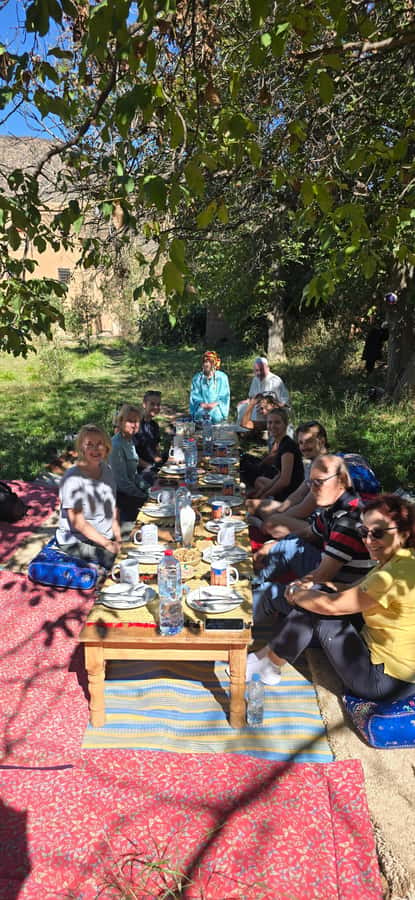
Most Atlas treks start with a drive, but this one keeps it short and useful. You’re picked up in Marrakech and transferred toward the High Atlas for about an hour. That matters because it buys you more time on foot, and you arrive already warmed up for hiking instead of spending the day stuck in traffic.
Along the way, you can expect breaks for photos and tea, plus some added food stops like breakfast/dessert and snacks depending on timing. I like this rhythm. It’s not just “getting there.” It’s a gentle ramp into mountain time—warm tea, quick views when you crest a road, and a chance to get your camera ready.
Why it’s valuable: Morocco’s mountain culture is very tied to daily movement. Starting with those small stops helps you feel the pace shift from city life to village life, before you even put on your boots.
Potential drawback: if you hate being in a vehicle, the drive can still feel like a “prelude.” But at roughly an hour, it’s usually the kind of transit you can tolerate without resenting it.
You can also read our reviews of more tours and experiences in Marrakesh.
Day 1: Aguersiwal (1500m) to Tizi Oussem (1800m) and the feel of village paths
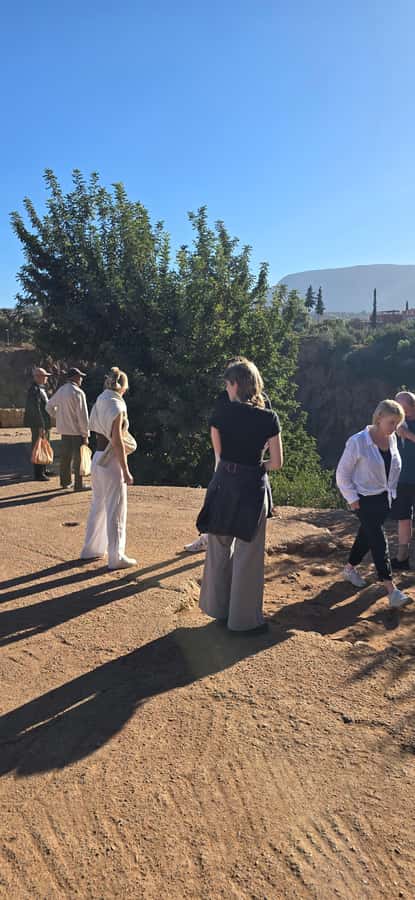
Day 1 begins with a transfer up to Aguersiwal, around 1500m. Then you meet your local guide, and the walk starts in earnest. The plan is a moderate hike (about 4–5 hours total on foot), with climbing that will get your legs working but not require technical gear.
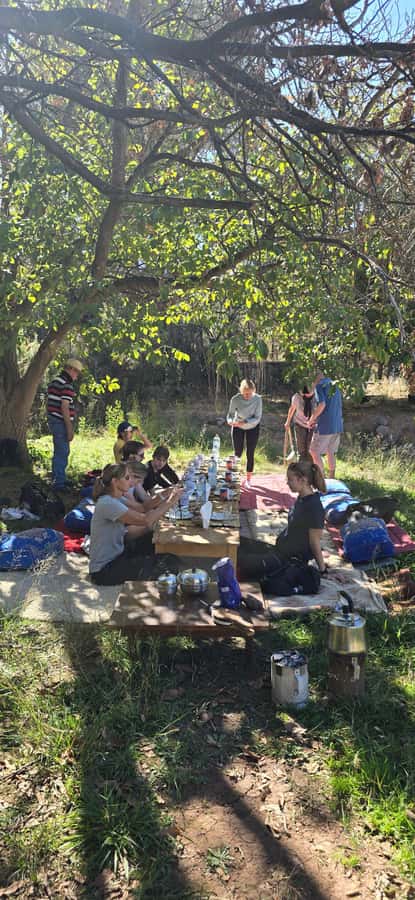
You hike toward Tizi Odid Pass (you’ll hit a high point during the day) and then continue on to Tizi Oussem village at about 1800m. Along the route, you get a cooked lunch—served in a natural setting where you can actually breathe and slow down.
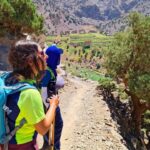
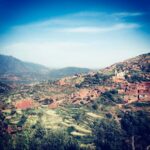
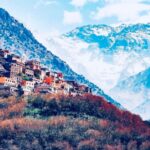
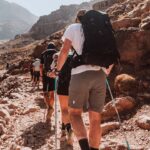
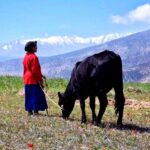
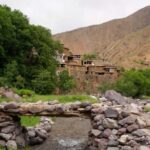
What makes this day special is how it’s village-to-village instead of just “path to viewpoint.” The smaller elevations shift the atmosphere fast: cooler air, stone and earth tones, and the real texture of Berber life. You’re meeting local people, seeing how families live in the mountains, and learning the logic of where homes sit and how trails connect.
Where it can be tough: the climb can feel steep in parts. One of the best practical tips from people who’ve done the trek is simple—wear decent hiking shoes with grip. Not sneakers. Real grip.
End of Day 1 is the payoff. You check into a Berber guesthouse for the night. The accommodation is described as simple, but what you’re really buying is the view and the experience of dinner and hospitality in a mountain home.
Toubkal (4167m) from a distance: the “big peak” moment without a summit grind
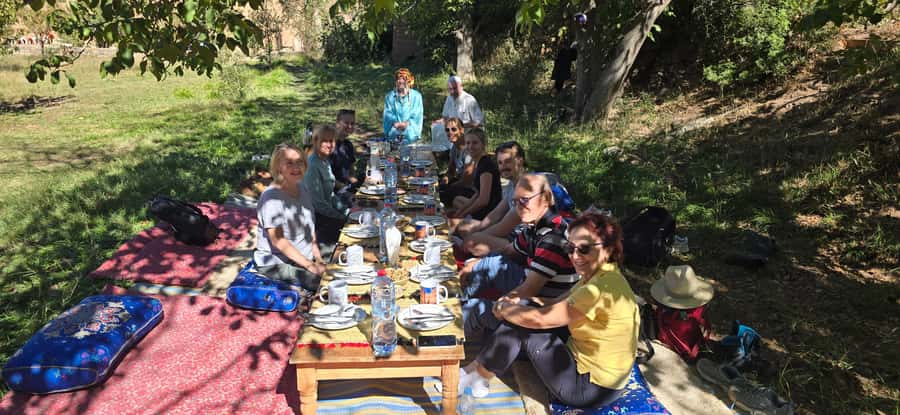
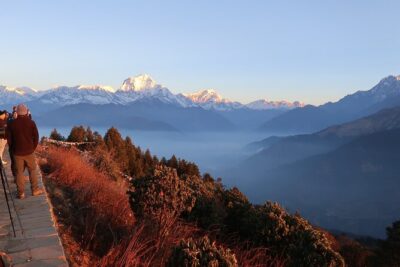
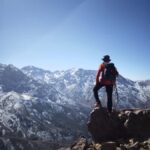
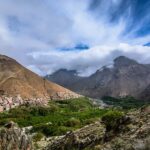
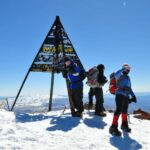
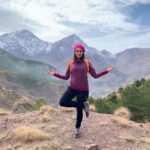
This trek is short, so you don’t climb Toubkal. But you do get something far more common to mountain travelers than summit fever: distant views. Mt. Toubkal towers at 4167m, and you’ll see it from far enough away to appreciate its scale.
Why that matters: when you’re trekking in a short window, distant peaks are often the best version of the Toubkal story. You get awe, not exhaustion. And because you’re hiking through passes and valleys rather than following a single summit route, the mountain presence comes in layers—glimpses, changing angles, and long looks when the weather cooperates.
Practical note: visibility can swing with clouds or haze. Don’t assume you’ll get a perfect “postcard peak” every hour. Keep your camera ready at the passes and photo stops, but also let the morning and afternoon views do their job without obsessing over one exact frame.
Day 2: Tizi Mzik Pass (2300m), Igholidn Waterfalls, then down to Imlil (1750m)
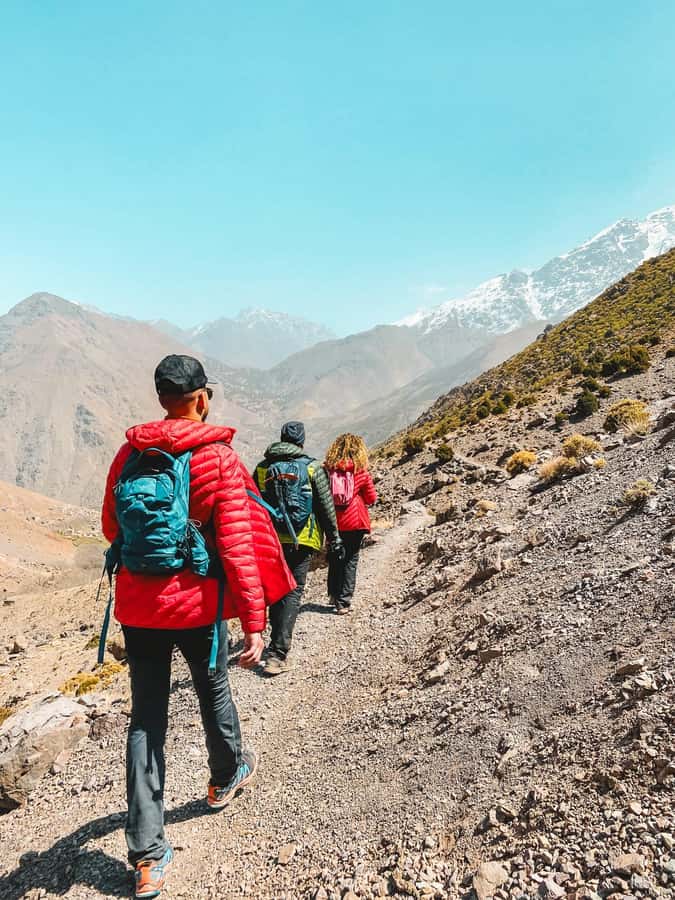
Day 2 is the longer walking day, about 6–7 hours total on foot, after breakfast at the guesthouse. You hike over the Atlas again, and this time you’re aiming higher—reaching Tizi Mzik Pass at about 2300m.
At the pass, expect panoramic views and time for photos plus tea breaks. Then the trek continues downhill toward Igholidn Waterfalls, where you get another photo stop and lunch in a natural setting.
I like waterfall stops on a hike because they do two jobs at once: they break the mental monotony and they give you something to look at besides the next step. If you’re the type who loves little rewards along the route, this day has them.
After lunch, you continue hiking down to Imlil village (around 1750m). From there it’s back down again—then transfer toward Marrakech to finish the trek.
If you’re deciding whether Day 2 is for you: this is the day where endurance matters more than technical difficulty. Bring layers, go at a steady pace, and expect that the walking time is “real time,” not a gentle stroll.
The food game: cooked meals, not just snacks, in remote mountain settings
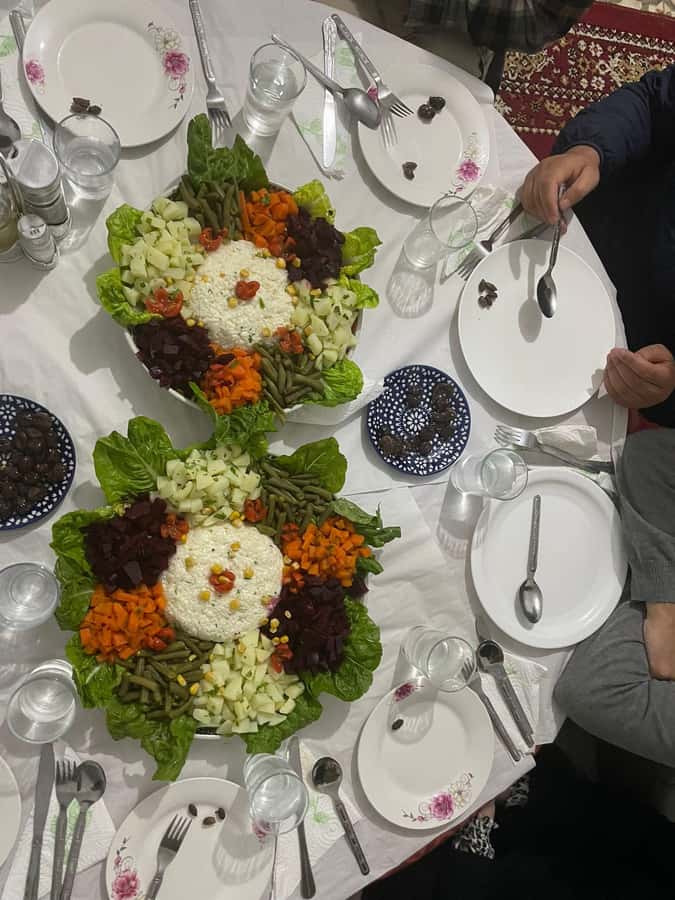
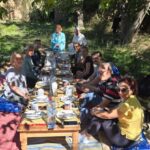
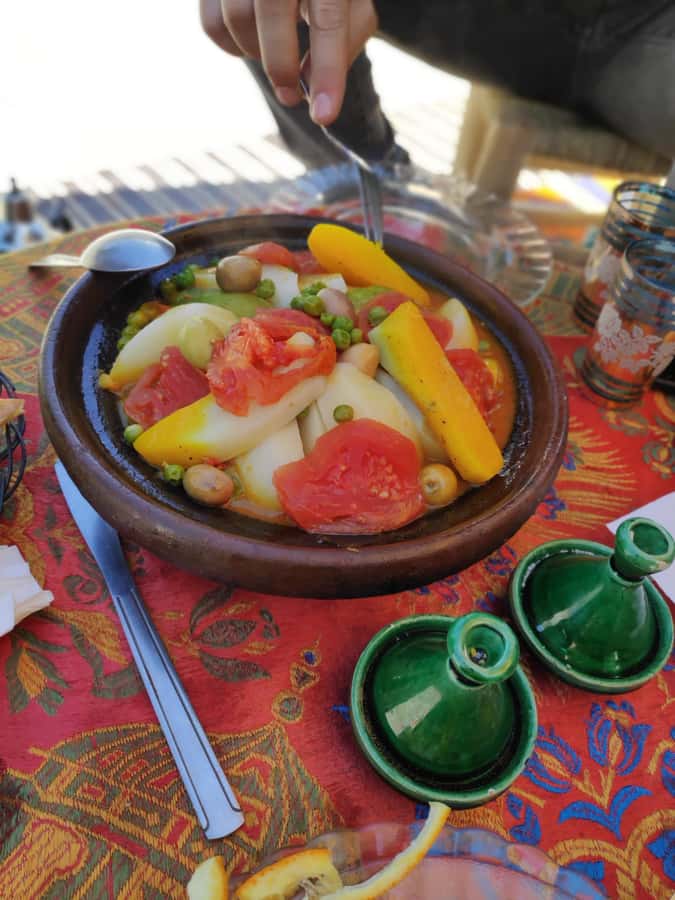
Meals are a core part of this trek’s value. You’re not surviving on packaged bars. You get 1 breakfast, 1 dinner, and 2 lunches included. And lunches are cooked in the mountains, not assembled at the trailhead.
In the best cases, the cook’s skill shows fast. People doing similar Atlas treks often mention how chefs manage to produce hot, satisfying meals even at remote spots—plus big portions. That’s exactly what you want on a moderate two-day trek: enough fuel to finish strong, without turning mealtime into a stressful hunt.
You also get dietary flexibility. If you’re gluten-free, vegetarian, or have allergies, you can tell the team ahead of time so they can prepare different meal options.
I’ll add one practical tip from the way these treks usually run: even though lunch and dinner are planned, you’re still moving for hours. If you’re the type who needs a little extra between meals, you might want to budget for snacks beyond what’s included (and drinks are not included, so plan water).
Pace, difficulty, and what to pack so the steep bits don’t get you
The difficulty level is listed as moderate. That’s accurate in the sense that you’re not doing mountaineering. But moderate in Morocco can still mean steep sections and sustained climbing, especially on Day 1’s approach and Day 2’s pass.
This is where your gear matters. Here’s what you should bring because it’s explicitly recommended:
- Hiking shoes with grip
- Rain gear (mountain weather changes)
- Hat and sun protection basics
- Change of clothes for the guesthouse night
- Outdoor clothing and hiking pants
- Camera
- Reusable water bottle
- Cash
Also, pack warm layers. Even when daytime feels fine, mountain mornings and evenings can turn chilly, especially around guesthouse time.
One more detail that makes the hike easier: you use mules to carry your gears/bags. That means you can keep your personal load more reasonable. Still, you’ll want to carry what you need for the day—water, a layer, and a snack if you use one.
Guides in English/French (and beyond): getting local context without slowing down
The trip runs with a guide for two days, and language coverage includes English, French, Spanish, and Arabic. Small group size (limited to 14) helps here. You get local guidance without the chaotic shuffle of large tour buses.
What stands out in the best guide-led trips is how they manage pace. People mention guides who are experienced and flexible—encouraging you to hike at the speed you want. That’s important on a two-day trek, where you don’t want to burn yourself out on Day 1 and then suffer the pass on Day 2.
You might be led by guides named in past departures such as Khalid, Ayoub, Hamzar, or Yassin. Cooks named like Hicham, Hassin, Mustafa, Joseph, Omar, or Youssef often show up in descriptions of how meals are prepared during remote stretches. You don’t need to chase names—just know that the guide + cook team concept is central to the experience, not an afterthought.
Price and value: what $127 covers, and what you must plan for
At $127 per person for 2 days, you’re paying for a package: transportation from Marrakech and back, a guide for two days, one night in a Berber guesthouse, and scheduled meals (1 breakfast, 1 dinner, 2 lunches). You’re also getting mule support to carry your gear, which can genuinely change how enjoyable the hike feels.
So what’s not included?
- Trekking equipment
- Drinks (water included here as not provided, so plan accordingly)
- Tips for the team
Is $127 fair? For a short hike with mountain logistics, it’s on the reasonable side—especially because your food and lodging are already built in. Many cheaper options give you less structure and leave you to figure out meals, transfers, and local guidance yourself. Here, the backbone is handled.
If you want the best value, bring your own hiking shoes and rain gear. It reduces the chance of discomfort turning into a “wasted money” trip.
Should you book this 2-day Atlas Mountains trek?
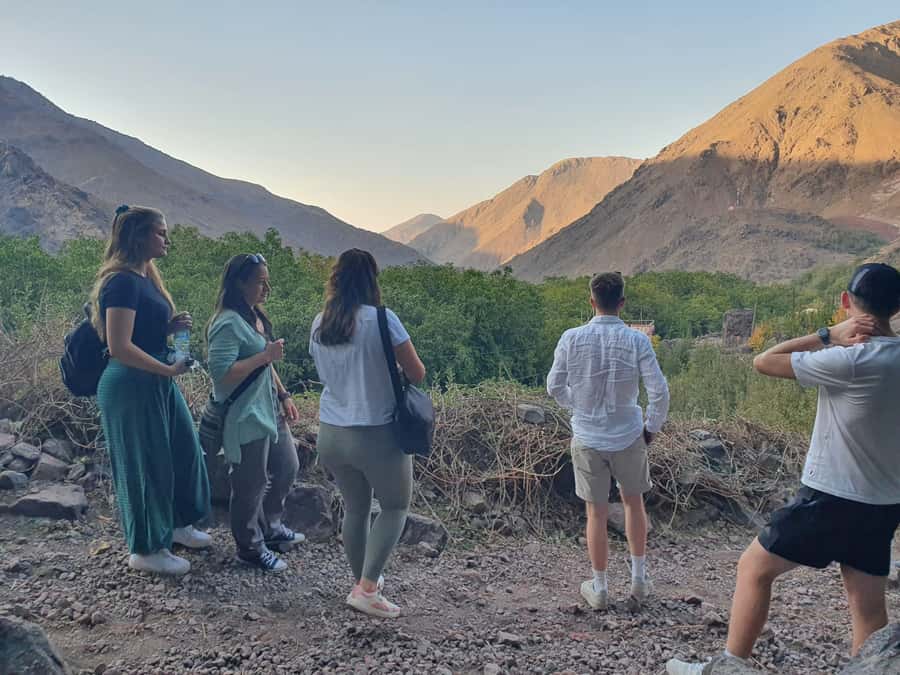
Book it if you want an efficient taste of the High Atlas: villages, passes, mountain views (including distant Toubkal), and a night in a simple Berber guesthouse with dinner and a real rhythm of cooked meals. It’s a great choice when you have limited time from Marrakech but still want more than a quick day trip.
Skip it (or rethink your expectations) if you hate steep trails, or if you need fully cushy accommodations. This is not a luxury hotel weekend. Also, because drinks aren’t included, plan water and extras so you don’t feel short during long walking hours.
If you do book, here’s how to make it go smoothly:
- Bring grippy hiking shoes and rain gear
- Pack warm layers for mountain mornings/evenings
- Tell the team about gluten-free/vegetarian/allergies so meals match you
- Expect Day 2 to feel longer; pace yourself on Day 1
FAQ
Is pickup from Marrakech included?
Yes. Pickup from Marrakech to the Atlas Mountains is included, and you’ll also be transferred back to Marrakech at the end of the trek.
How long is the trek?
The experience runs for 2 days total.
What difficulty level is this hike?
It’s listed as moderate. You’ll hike steep parts in places, so wear proper shoes.
What meals are included?
You’ll have 1 breakfast, 1 dinner, and 2 lunches included during the trek.
Are drinks or water included?
No. Drinks like water are not included.
Is trekking equipment provided?
No. Trekking equipment is not included, so you’ll need to bring your own.
Can they accommodate gluten-free or vegetarian diets?
Yes. If you tell them in advance that you’re gluten-free, vegetarian, or have allergies, they prepare different meal options.
Is the activity wheelchair accessible?
Yes, it’s listed as wheelchair accessible.