REVIEW · POKHARA
Private Mardi Himal Trek
Book on Viator →Operated by Nepal Wilderness Trekking · Bookable on Viator
Mardi Himal is the kind of trek that makes you slow down. This private 5-day hike in Nepal’s Annapurna region is built for big views of Machhapuchhre and Annapurna South, while still feeling personal thanks to your own group and a guide who keeps the pace realistic. I like that the route mixes forest hiking with high camp nights, so you get gradual altitude buildup instead of a sudden jump.
Two things I really like: the program includes practical gear for cold/icy paths (like micro spikes and trekking poles), and it’s set up with a guide and porter system that reduces the “carry everything yourself” stress. One consideration: the meeting time is listed as 11:45 pm, so you’ll want to confirm the exact pickup and start rhythm so you’re not guessing when the first drive begins.
In This Review
- Why This Private Mardi Himal Trek Feels Worth It
- Pokhara to Kande and Dhampus: Setting the Tone for Day 1
- Day 1: Kande to Deurali (About 5 Hours) Through Forest and First Big Views
- Day 2: Forest Camp (2600m) to Low Camp (Lodges and Panoramas)
- Day 3: Low Camp to High Camp (3700m) for Machhapuchhre Moments
- Day 4: Mardi Himal Base Camp (and the Halfway View Option) Then Down to Badal Danda
- Day 5: Badal Danda to Siding Village and the Return to Pokhara
- The People Factor: Guides, Porters, and a Pace You Can Actually Keep
- What’s Included (and What You’ll Need to Budget Separately)
- Itinerary Timing and Physical Fit: Who This Trek Suits Best
- Practical Tips That Make This Trek Smoother
- Should You Book This Private Mardi Himal Trek?
- FAQ
- What is the duration of the Private Mardi Himal Trek?
- Where does the trek start, and is pickup offered?
- How long are the hiking days?
- Are permits included?
- What are the accommodations like during the trek?
- What trekking gear is included?
- What is not included in the price?
Why This Private Mardi Himal Trek Feels Worth It
- Female-led experience: The trip is presented with an expert female guide, adding a supportive, people-first feel on mountain days.
- Permits handled for you: ACAP permit and TIMS card are included, which saves time and paperwork headaches.
- Gear for cold ground: Sleeping bag is included (rated for minus-25 degrees), plus micro spikes and trekking poles for traction.
- Smaller-stress logistics: Private van/car from Pokhara to Kande, then a shared jeep back via Siding Village.
- A real mountain rhythm: Day-by-day lodges and altitude steps (Deurali → Low Camp → High Camp) are designed to keep you moving steadily.
- Guide + porter coverage: One porter for every two trekkers, plus a kitbag for storing your stuff.
Pokhara to Kande and Dhampus: Setting the Tone for Day 1
This trek starts in Pokhara and quickly gets you onto the Annapurna trail system. First you drive about 1 to 1.5 hours from Pokhara to Kande, with Dhampus included as part of the approach. Even though the drive is short, it helps you avoid the common mistake of starting too tired after a long transit day.
What’s smart here is the way the trek begins immediately after the short transfer: Kande is where the hiking starts, so you’re not wasting energy on extra waiting. For me, that matters because Mardi Himal is a steady-effort trek. When your start is clean and organized, you’ll actually enjoy the first forest sections instead of feeling rushed.
Also, it’s private. That means your timing and pacing should be shaped around your group, not some generic tour schedule.
You can also read our reviews of more tours and experiences in Pokhara.
Day 1: Kande to Deurali (About 5 Hours) Through Forest and First Big Views
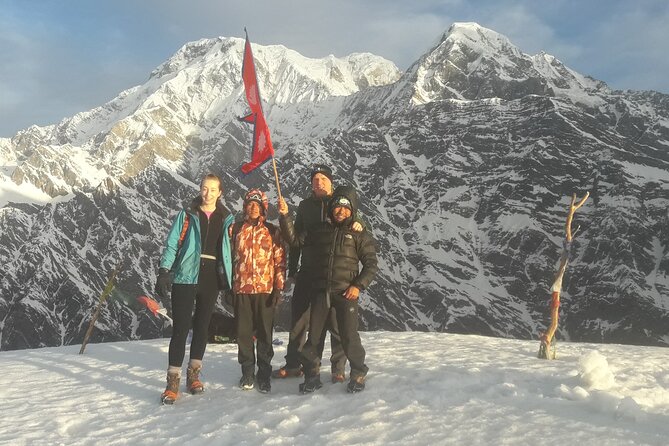
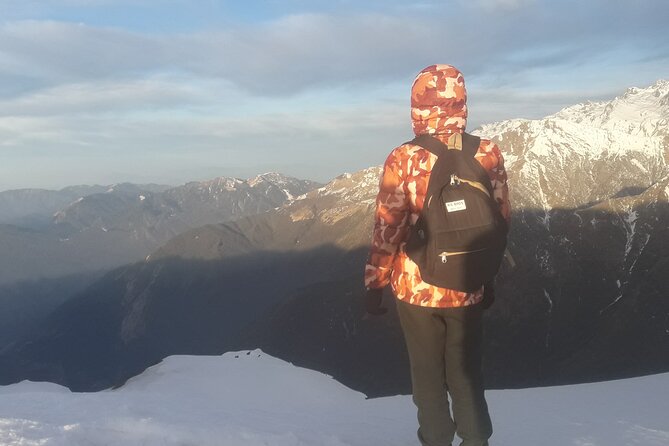
Day 1 is a hike from Kande to Deurali, with about 5 hours on the trail. The route moves through lush forest and gives glimpses of the wider Annapurna region—specifically Annapurna South and Hiunchuli—without you needing to be an elite climber right away.
The practical win: this is your “warm-up altitude” day. You’re hiking long enough to get your legs working but not so far up that you feel cooked before nightfall. If you’re trying to balance scenery with energy, this first push is a good match.
Downside to know: forest hiking can feel deceptively humid, and your pace may be slower than expected because of trail conditions. If you tend to speed early on hikes, I’d remind you to hold back. Day 2 and 3 climb more.
Overnight is at Deurali in a lodge, which keeps your evening simple: food, rest, and an early plan for the next day.
Day 2: Forest Camp (2600m) to Low Camp (Lodges and Panoramas)
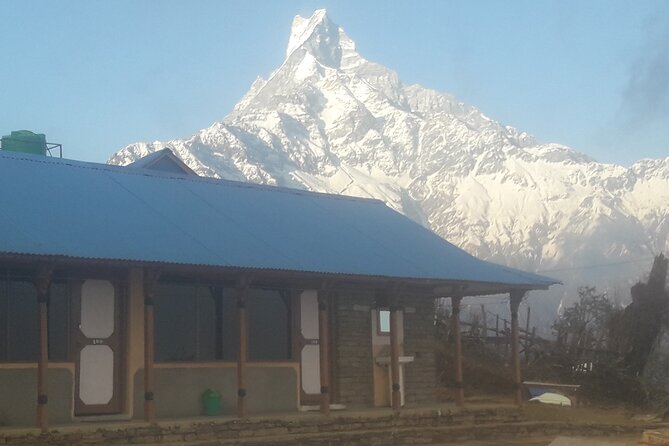
On Day 2, you continue after about 4 hours of trekking to reach Forest Camp (2600m) for lunch. Then you keep going to Low Camp, with a total of about 6 hours from Pothana. This is a classic Mardi Himal pattern: you move steadily, eat at the mid-point, and then keep climbing until your overnight.
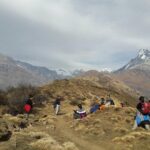
The big value on Day 2 is the scenery transition. Early on, you’re still in the wooded approach. As you rise, you start seeing more open, panoramic views. That’s when the Annapurna region starts feeling larger than the trail in front of you.
Another smart detail: you sleep in a lodge at Low Camp. Lodges are basic, but the included setup keeps your night routine predictable—exactly what you want when the next day takes you to higher altitude.
Day 3: Low Camp to High Camp (3700m) for Machhapuchhre Moments
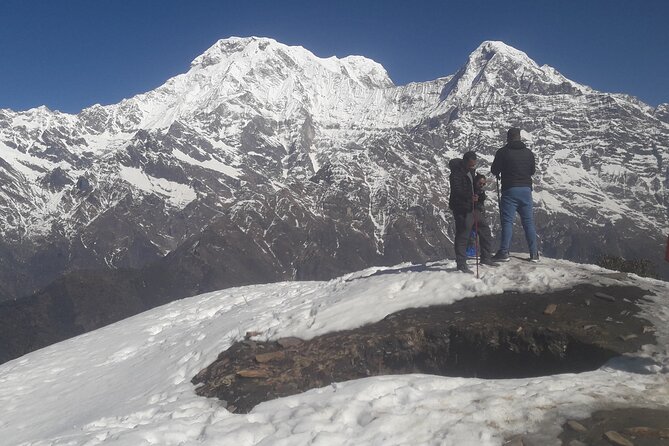
Day 3 is the hike from Low Camp to High Camp (3700m) in about 4 hours. That shorter hiking time compared to the other days matters. You get a “high payoff” day without being stuck on the trail all afternoon.
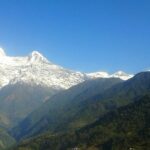
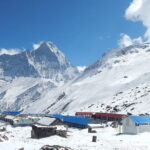
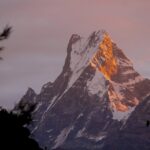
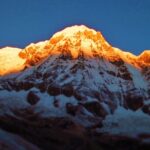
This is also the day for the headline views. The route specifically points to views of Machhapuchhre (Fishtail) and Annapurna South. If you’re coming for the iconic Fishtail silhouette, High Camp is the reason you picked this trek.
Overnight is in a lodge at High Camp. Since you’ll be higher, cold can become a factor quickly. The good news: a sleeping bag is included, rated for comfortable nights down to minus-25 degrees. I’d still plan for your own warm layers, but the bag support is a real value-add.
One more consideration: High Camp nights can feel mentally bigger even when the hike time is shorter. You’re higher, breathing may feel different, and the goal is to pace yourself. A good guide matters here—this company’s team shows up in the reviews again and again for pacing and reassurance.
Day 4: Mardi Himal Base Camp (and the Halfway View Option) Then Down to Badal Danda
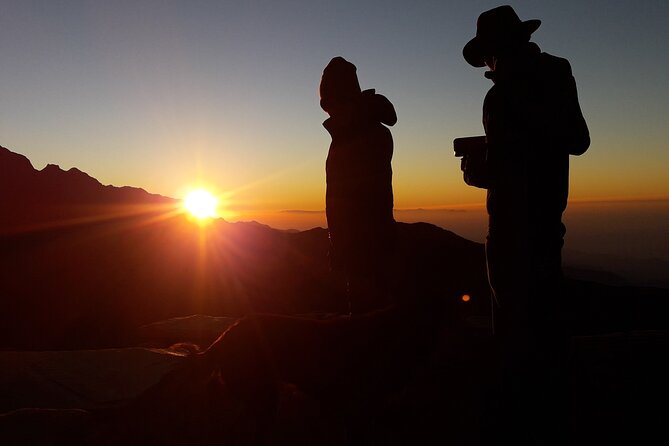
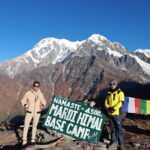
Day 4 is the “choose-your-own-legs” day. From High Camp, you can hike to Mardi Himal Base Camp for a roughly 4 to 5 hour round trip. If you’d rather not go all the way, there’s an alternative: trek to a viewpoint halfway.
After you return to High Camp, you descend to Badal Danda (3210m) for your overnight lodge. This mix—shorter exploratory push for the base camp area, then a descent—keeps the day from turning into one long grind.
Why this is worth it: Base Camp pushes you closer to the rugged core of the Mardi Himal area, but the halfway viewpoint means you don’t have to force it. You can match the plan to how your body feels at altitude.
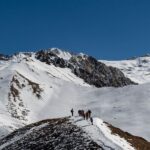
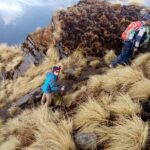
Practical reality: base camp-style routes can be icy and slow, especially in winter season. The included micro spikes and trekking poles help a lot with traction and stability on steep or slick sections.
Overnight at Badal Danda sets you up for Day 5: a downhill-leaning final hiking day that’s long enough to feel like a real trek, but not brutal.
Day 5: Badal Danda to Siding Village and the Return to Pokhara
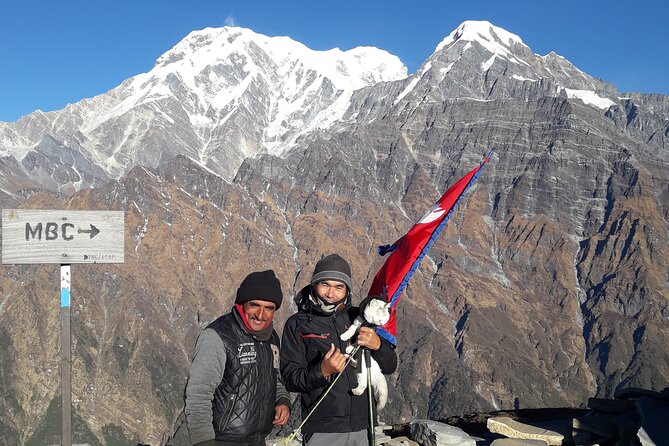
Day 5 is about wrapping cleanly. You trek from Badal Danda to Siding Village for about 5 hours, then drive back to Pokhara after reaching Siding Village.
You also have an extension option if you want extra trail time: you can add one more day by trekking from Siding to Lwang via Ghalel, taking about 5 to 6 hours. If you’re the type who likes less rushed travel, the extension can turn the end of the trek into something more memorable than just a transfer day.
One practical note based on real-world trekkers’ advice: water on the trail can be expensive, so plan for that. I’d treat the trek like you might need to manage hydration costs wisely, even if your lunch and dinner are included.
The People Factor: Guides, Porters, and a Pace You Can Actually Keep
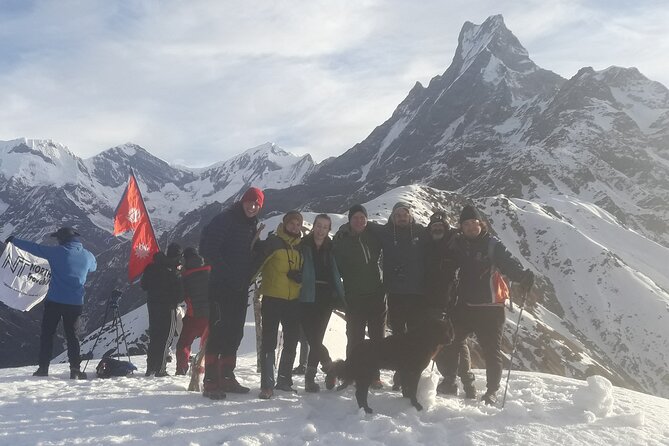
This is a private trek with a guide and porter system designed to protect your energy. The company includes one porter for every two trekkers, plus a kitbag for storing your belongings. That means you’re not just thinking about your footing—you’re also thinking about what you carry, and how tired you’ll be later.
The guide quality shows up strongly in the feedback. Names you may encounter on departures include Bhim, Saugat Tamang, Yakub, Jakub, and Ganesh. Porters mentioned include Tashi Tamang, Menjom, Kazoo, Manjung, Gobinda, and Sabin. Across these experiences, the consistent theme is that the team is punctual, kind, and tuned into pace.
That pacing is not a small thing. At High Camp and on base-camp day, the difference between rushing and steady effort is the difference between arriving energized and arriving drained. I like that the program’s style is supportive and adjustment-friendly, especially for people who are trekking for the first time at higher altitude.
If you’re doing this as a couple, with friends, or solo within a private group, that people setup helps the trek feel less like a conveyor belt.
What’s Included (and What You’ll Need to Budget Separately)
This trip is $399, and the value comes from what’s rolled in, not just the trekking days. You’re getting a private vehicle transfer from Pokhara to Kande, lodge accommodations during the trek, permits (ACAP and TIMS), and a certified guide setup that includes first aid training.
Included highlights that matter on a real hike:
- sleeping bag rated for very cold nights (minus-25 degrees)
- micro spikes and trekking poles
- one porter for every two trekkers
- kitbag storage for belongings
- lunch, breakfast, and dinner on the trek days listed
- ACAP permit + TIMS card
- certificate of appreciation after a successful trek
What’s not included:
- all drinks (this can add up on multi-day hikes)
- personal insurance
- tips for guide and porter
- accommodations and meals in Kathmandu and Pokhara
Here’s how I’d think about the math: at $399, you’re not only paying for trail time—you’re paying for permits, guide attention, logistics, and cold-weather support gear. If you were to price those items separately, the package usually makes more sense than booking them one by one.
Itinerary Timing and Physical Fit: Who This Trek Suits Best
You’re aiming for moderate fitness. The trek is about 5 days total (approx.), with hiking days ranging roughly from 4 to 6 hours, plus the base camp day with a 4 to 5 hour round trip option.
That “moderate” label is important. This trek is not presented as an ultra-sprint challenge. It’s more about consistent hiking, altitude adjustment, and walking smart. If you’re comfortable walking for a few hours and you can handle stairs and uneven trails, you’re in the right category.
A key detail to plan around: High Camp is at 3700m, and the route includes lodge nights at Low Camp and High Camp. That means your altitude game matters. Your guide’s pacing style is a big part of whether you feel good on climb days.
If your goal is a higher-altitude Annapurna experience with fewer crowds than some of the more famous routes, Mardi Himal fits that vibe well.
Practical Tips That Make This Trek Smoother
These are small things that help on a trek like this, based on the structure of the route and the included support:
- Pack light, but don’t underpack warmth. Even with the sleeping bag support, you’ll want your own layers for mornings and lodge evenings.
- Manage water costs early. Bottled water can be expensive, so I’d assume you’ll spend more on drinks than you expect.
- Use the trekking poles and micro spikes if conditions call for it. They’re included for a reason: traction and stability reduce fatigue and slips.
- Keep your day plan flexible. Day 4’s base camp versus halfway viewpoint option is built for real bodies, not perfect schedules.
Should You Book This Private Mardi Himal Trek?
I’d book this private Mardi Himal trek if you want a higher, scenic Annapurna experience with a strong support system: permits handled, cold-weather gear included, porter help, and a team that shows up with a friendly, paced approach. The “private” setup is also a plus if you don’t want to sync your stride to strangers.
I would think twice if you hate uncertainty around start timing. The program lists a 11:45 pm start time, so confirm the exact pickup and what “start” means for your departure day. If that’s clear, you can focus on the real reason to come: the Annapurna South and Machhapuchhre views, and the quiet satisfaction of walking Mardi Himal step by step.
FAQ
What is the duration of the Private Mardi Himal Trek?
The trek runs for about 5 days (approx.).
Where does the trek start, and is pickup offered?
You start from Pokhara. Pickup and private transport from Pokhara are offered, including a private car or van to Kande.
How long are the hiking days?
Day hiking times vary. You’ll trek about 5 hours on Day 1 (Kande to Deurali), about 6 hours on Day 2 (to Low Camp), about 6 hours on Day 3 (Low Camp to High Camp), and about 6 hours on Day 4 (base camp or halfway viewpoint plus descent to Badal Danda). Day 5 includes about 6 hours of walking (Badal Danda to Siding Village, plus the plan back to Pokhara).
Are permits included?
Yes. The ACAP permit and TIMS card permit are included.
What are the accommodations like during the trek?
You stay in clean lodge accommodations along the way during the Mardi Himal Base Camp trek.
What trekking gear is included?
A sleeping bag is included (for minus-25 degrees comfort), along with micro spikes and trekking poles.
What is not included in the price?
All drinks, personal insurance, tips for guide and porter, and accommodations and meals in Kathmandu and Pokhara are not included.