REVIEW · MERZOUGA
From Merzouga: Overnight Camel Trek over Erg Chebbi Dunes
Book on GetYourGuide →Operated by CAMEL SAFARIES · Bookable on GetYourGuide
A night in the Sahara hits different. This 2-day camel trek over Erg Chebbi dunes pairs big sunset/sunrise views with real desert camp life: tagine dinner, tea breaks, and that drum-circle energy by the fire. I like that it’s not just riding and leaving you alone; you get guided moments and shared food, plus a chance to try sandboarding. One drawback to plan for: the camp area is close enough to Merzouga that you may see lights at night, so the darkest-star expectations can be a bit mixed.
I also appreciate the small details that make the timing work. You meet at the Kasbah Mohayut area, relax by the pool, then transfer by Jeep to the camel park before your trek starts. In the morning, you head back after sunrise views, so you’re not stuck in the desert with no structure.
If you care about comfort, or you worry about camel treatment, it’s worth knowing this tour can be a good fit with the right expectations. Many people love how the guides handle the camels, and some even mention a more comfortable tent setup, while others note the tents can feel on the snug side.
In This Review
- Key points to know before you go
- Overnight Camel Trek on Erg Chebbi: what you’re really paying for
- Meeting at Kasbah Mohayut: pool time, voucher check, then Jeep to the camel park
- Day 1 on the dunes: camel trek, sandboarding, and the rhythm of a Berber welcome
- The camp night: tagine dinner, drum circle, and stars with real desert scale
- Day 2 sunrise and the ride back to Merzouga: shorter, calmer, and scenic
- Animals, oases, and looking out: what you might spot on the way
- Price and value: is $70 fair for what’s included?
- Comfort checklist: tents, cold nights, and camel-saddle reality
- Camel care and guide quality: the difference between a good night and a bad one
- What to bring for Erg Chebbi: the practical packing list
- Who this 2-day camel trek is best for (and who should rethink)
- Should you book the Overnight Camel Trek from Merzouga?
- FAQ
- What does the $70 price include?
- Where do I meet the tour and how do I check in?
- Is lunch included?
- What time does the tour start?
- What should I bring?
- What languages do the guides speak?
Key points to know before you go
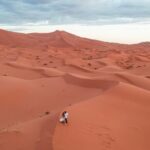
- Erg Chebbi sunset and sunrise: the dunes are the main character, with a morning view route that’s described as catching sunrise across toward Algeria
- Sandboarding included: you’ll get time to slide (gear is basic, but it’s part of the fun)
- Berber camp rhythm: tea, a filling tagine dinner, then drums and singing around the fire
- Guides matter: named guides in past trips include Mohamed, Hamid, and Ali, and many groups highlight photo help and a friendly vibe
- Camel ride length is real: plan for a meaningful chunk of time in the saddle, often described around 1 to 1.5 hours for the main trek segment
- Night sky might be less perfect than you hope: some say the camp is near Merzouga, so light pollution can limit star drama
Overnight Camel Trek on Erg Chebbi: what you’re really paying for
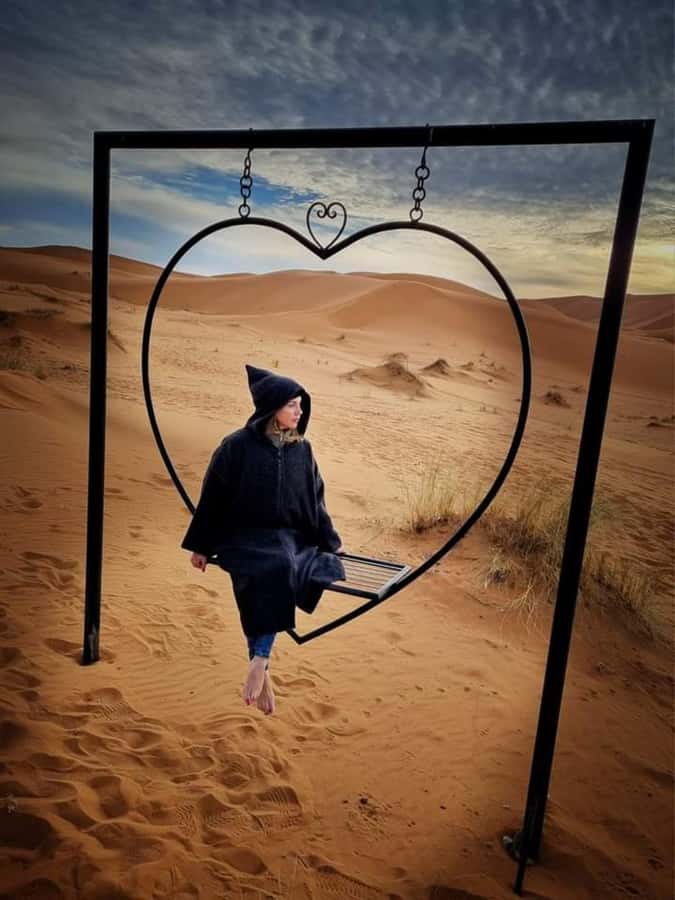
This tour is built around one simple idea: make the Sahara feel personal in only two days. For $70 per person, you’re not just buying a ride. You’re paying for the full chain: Jeep transfer, camel trekking, a bivouac camp night, dinner and breakfast, tea, a guide, and even sandboarding.
That matters because in the desert, “how it’s organized” is half the experience. When the timing clicks, you spend daylight on the dunes and not stressed about what happens next. You also get a night routine that feels Moroccan, not like roughing it with no plan.
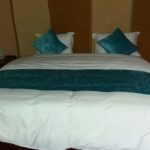
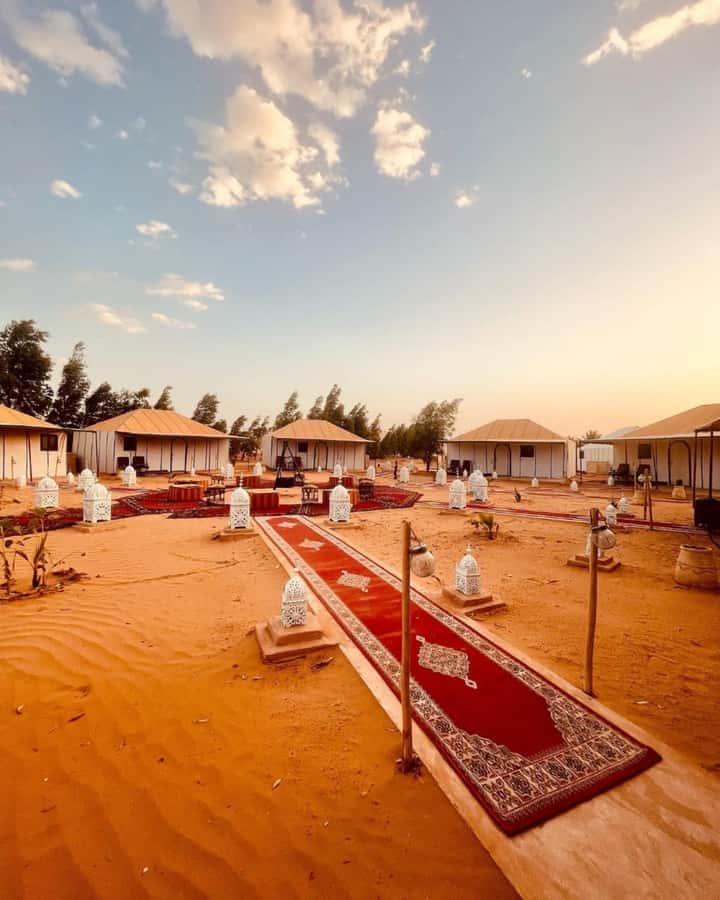
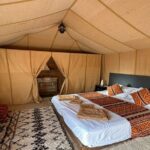
You’ll sleep in an authentic Berber-style tent setup at camp. Based on past experiences, some camps are more comfortable than the word tent alone suggests, with reports of add-on comfort like AC or en-suite setups in certain tent categories. If you’re comparing options, ask what the exact tent category includes for your departure.
You can also read our reviews of more tours and experiences in Merzouga.
Meeting at Kasbah Mohayut: pool time, voucher check, then Jeep to the camel park
Your day starts at Hotel Kasbah Mohayut, with your voucher checked by Koro or Aicha at reception. Then you can use the garden area or the Kasbah Hotel swimming pool while waiting for departure.
From there, the camp team takes you by Jeep to the camel park. This transfer is short enough to keep things smooth, but long enough that you’ll feel like you’re changing zones: from hotel comfort to dunes and desert air.
Timing changes by season. In summer, departures are at 18:00. In other seasons, they begin at 16:00. That one detail can change your whole mood on Day 1. Later starts give a more sunset-focused first half; earlier starts give you a bit more time to settle in before the evening rhythm.
Day 1 on the dunes: camel trek, sandboarding, and the rhythm of a Berber welcome
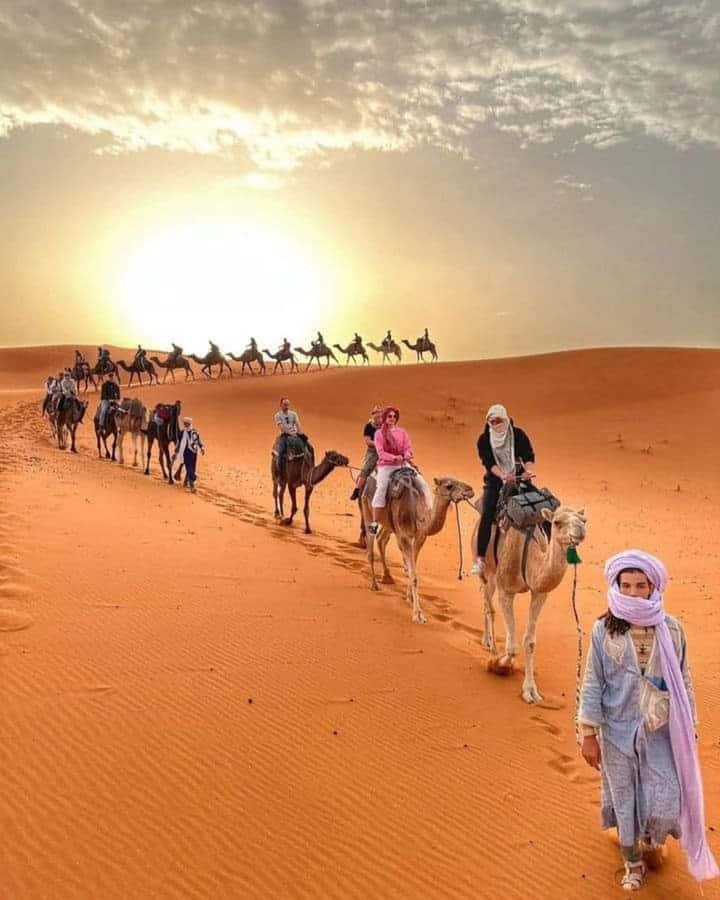
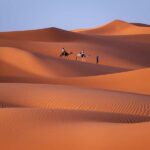
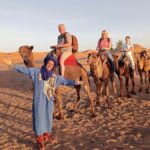
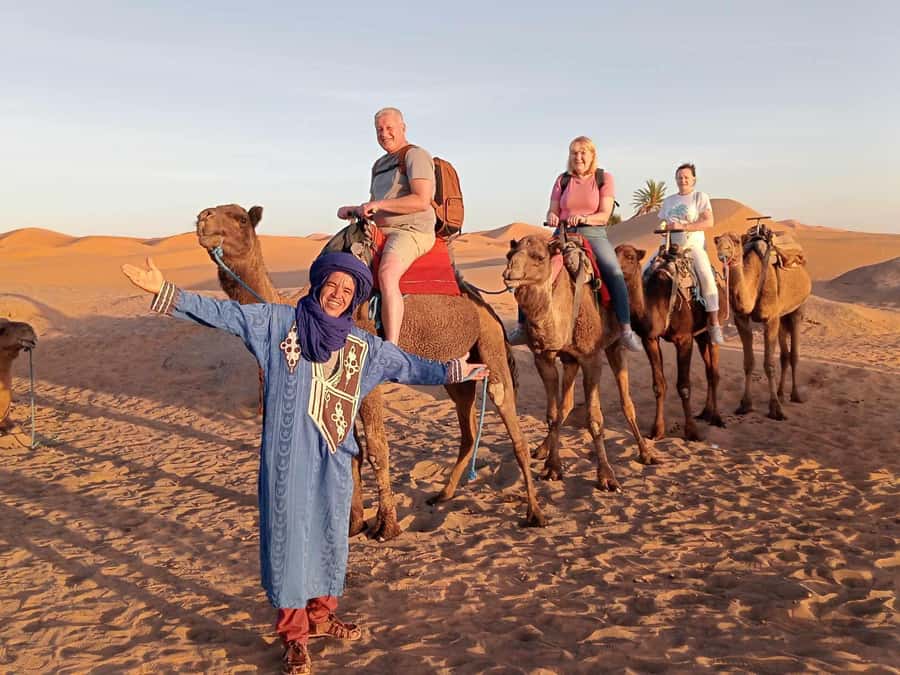
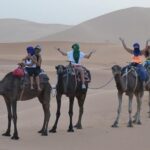
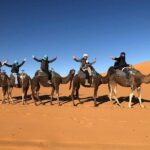
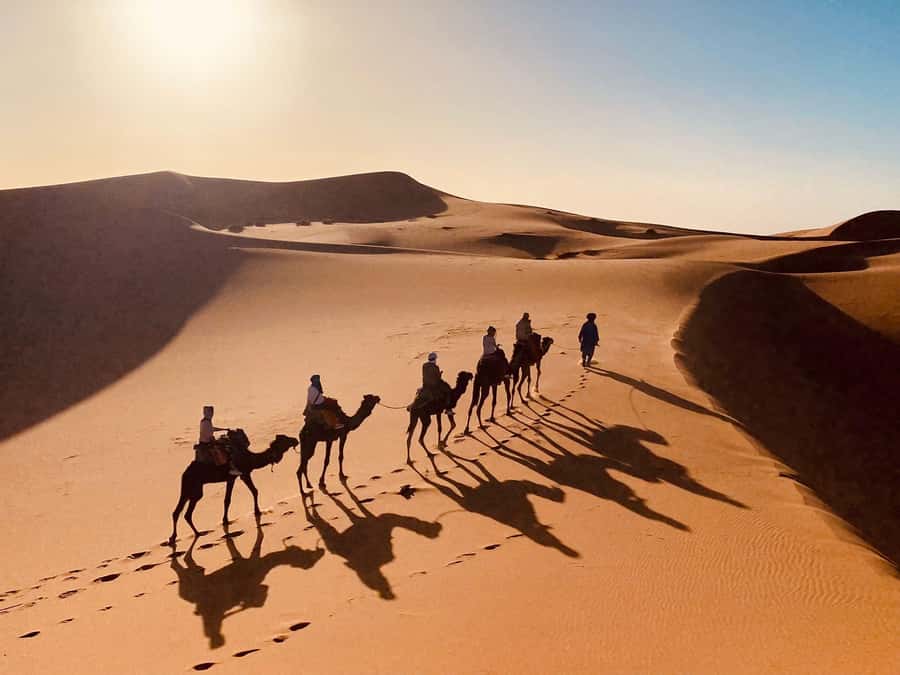
Day 1 is the “arrival into the Sahara” phase. You ride your camel through the Erg Chebbi dunes, with plenty of photo stops built into the pace. One of the best parts is that you’re not rushing across the sand like it’s a transfer road. It’s slow travel, with moments for views and for getting your bearings.
After the main trekking segment, you’ll get a desert welcome at the Berber tent where the camp night begins. Past trip notes often highlight how the guides help with photos, and how the stops are chosen to look good without turning into a parade.
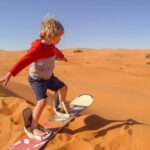
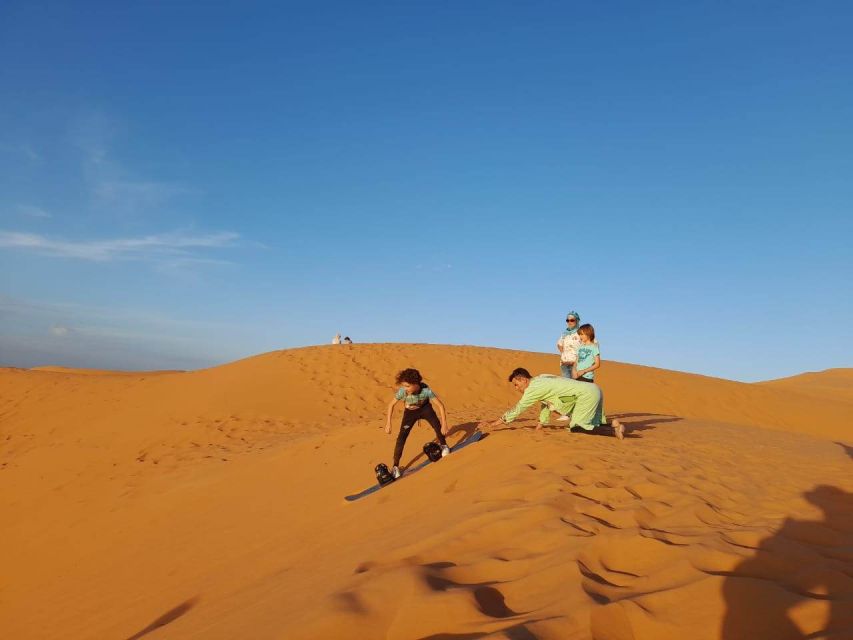
You’ll also try sandboarding. Equipment is described as basic in some cases, but that’s normal for many dune camps. Think of it as a quick adrenaline hit and a fun way to feel how the sand moves under you, not as a full snowboarding training course.
As the evening settles in, expect a sunset camel ride and then camp time: tea, food prep, and eventually the dinner table.
The camp night: tagine dinner, drum circle, and stars with real desert scale
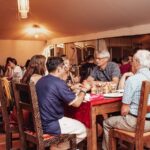
Dinner is a highlight. You’ll get a Moroccan camp meal that’s commonly described as plentiful and very tasty, often centered on tagine. You’ll also have water at dinner time plus tea during the evening.
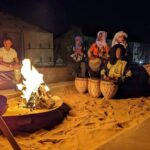
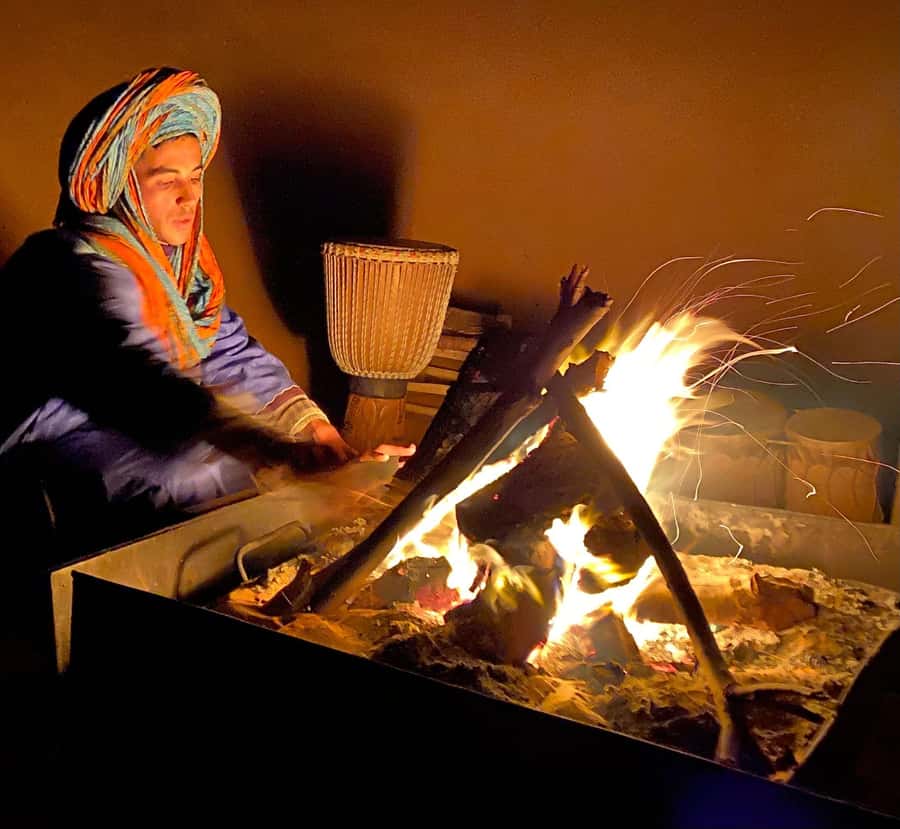
After dinner, the camp shifts into something more social: a drum party around the fire. Many people remember this part as the most entertaining segment of the night, not because it’s a show, but because it invites you to participate. Names like Mohamed, Hamid, Mohammed, Mostafa, and Ali show up in accounts as friendly guides who helped keep the mood light, answer questions, and keep the energy moving.
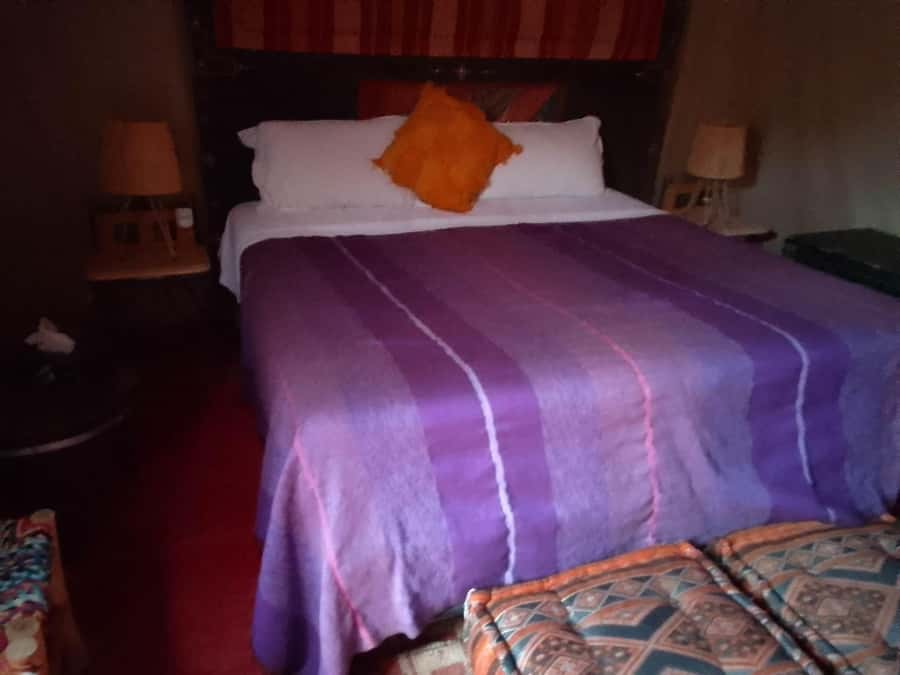
Then comes the sleeping part. You’ll be in a Berber-style tent for the bivouac night. Some descriptions say tents can feel small at first, but the night weather can make the warm blankets feel like a blessing rather than a problem. Cold desert nights are real, even if the day felt warm, so plan to layer.
For me, the star viewing is the main reason to do this as an overnight. The Sahara night sky is one of those moments that you can’t replicate in a day trip. Do go in with one expectation check: some people say the camp’s closeness to Merzouga means the sky is not always as dark as you’d hope, so the star count can vary.
Day 2 sunrise and the ride back to Merzouga: shorter, calmer, and scenic
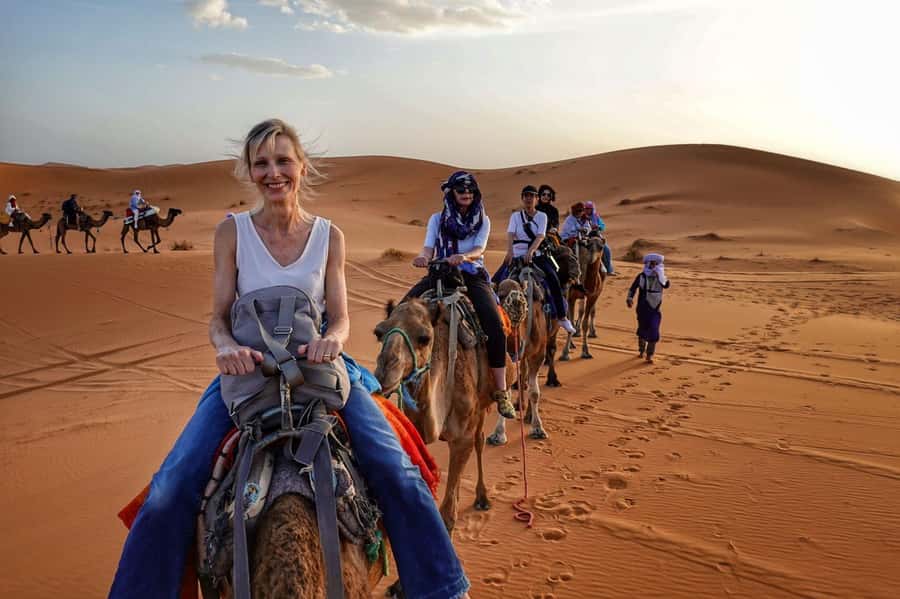
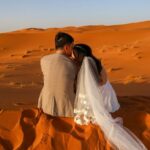
Day 2 starts with breakfast at camp, then you head out for the return. The itinerary calls out sunrise viewing, described as catching sunrise as it hits the dunes toward Algeria. That framing tells you what the morning is for: light changes across the sand.
After sunrise and breakfast, you’ll continue through the Erg Chebbi dunes back toward Merzouga. The return ride feels different from Day 1. You’re not arriving into the desert anymore; you’re collecting the last dunes in daylight and turning the whole experience back into the town map of real life.
Because it’s a 2-day format, you don’t get lingering downtime in the desert. Instead, you get a tight sequence of key moments: camel time, camp dinner, and the sunrise payoff.
Animals, oases, and looking out: what you might spot on the way
This trek includes more than just dunes. The experience notes mention a stop near an oasis near Merzouga to look for pink flamingoes. It also includes opportunities to search for desert reptiles and small mammals during the trek.
Don’t expect a guaranteed wildlife checklist. Desert spotting depends on season, timing, and luck. But it’s a good sign if you’re the type who enjoys scanning the edges of the dunes for movement. Even without big sightings, the breaks help make the trek feel like a real route, not a loop that only goes sand-to-camp and back.
Price and value: is $70 fair for what’s included?
At $70 per person for a 2-day package, the value comes from what’s bundled:
- Camel ride and guided trek
- Sandboarding time
- Bivouac camp night
- Dinner and breakfast
- Live guide
- Tea and water at dinner time
- Jeep transfer
- Kasbah Hotel pool access before departure
The price feels most fair if you would otherwise pay for at least some of those items separately: transport to the dunes, a guided desert night, and meals. If you’re doing Morocco for culture and food, this also saves you from figuring out logistics at the last minute.
What’s not included matters too. Lunch isn’t included, and alcoholic beverages are not included (when available). The tour provides dinner and breakfast, plus tea. So if you’ll feel hungry during daytime downtime, you’ll need to plan food outside of lunch breaks.
Also pay attention to water. Since the included water is specifically noted for dinner time, bring a sensible plan for hydration during the day if you’re sensitive to heat or sun.
Comfort checklist: tents, cold nights, and camel-saddle reality
Comfort comes down to three factors: your tent expectations, your clothing layers, and how you handle time on the camel.
- Tents: accounts describe both basic and more comfortable setups. Even when “luxury” is mentioned, the desert is still the desert. Pack for cold and keep your essentials close.
- Weather: even if you’re doing this in a warm season, nights can turn cool. Layering is your friend.
- Camel time: expect a real ride duration, often described around 1 to 1.5 hours for a main segment. There are photo stops, so it’s not a nonstop jolt, but it still feels like sitting on a moving animal for long enough to notice your posture.
If you want to minimize discomfort, wear comfortable closed-toe shoes and consider how you’ll protect your legs from rubbing. Sunglasses, a hat, and sunscreen are not optional in the Erg Chebbi sun.
Camel care and guide quality: the difference between a good night and a bad one
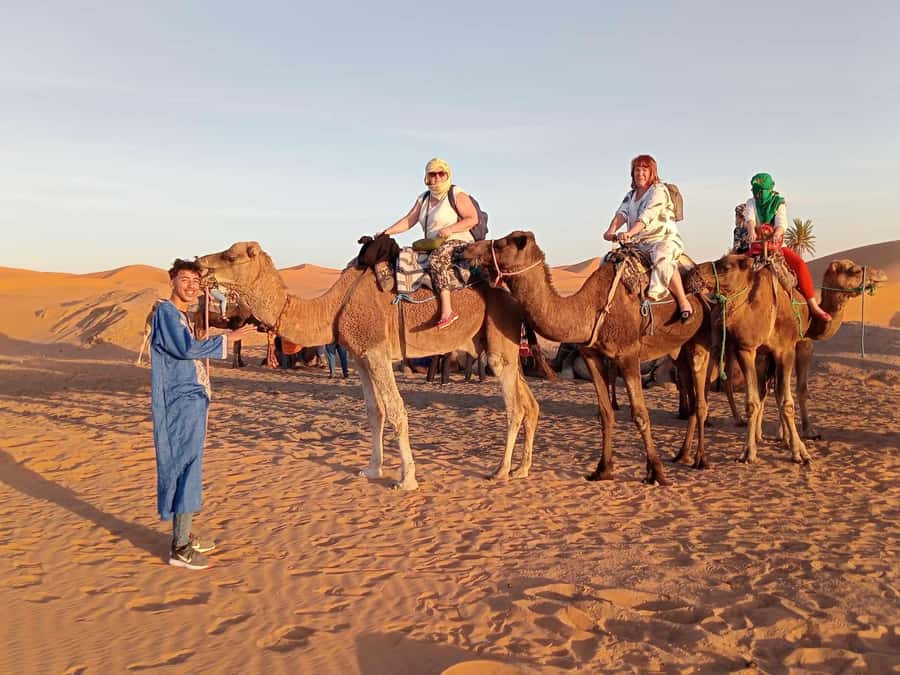
One of the biggest “go/no-go” questions people have for camel treks is animal treatment. In past experiences, a key reassurance came from how guides handled the camels. One account specifically called out that their guides treated camels gently, describing it like caring for pets.
Guide quality also shows up in small ways. Many people mention helpful photo support and a friendly tone in camp. Names that show up in reports include Mohamed, Hamid, Ali, Mohammed, Mostafa, and Mohamed again across different accounts.
If you’re concerned, don’t be shy about asking how the camels are cared for before the trek starts. A respectful camp answers calmly, and you’ll feel the difference right away.
What to bring for Erg Chebbi: the practical packing list
Bring what helps you enjoy the moments, not what just looks good in photos:
- Passport or ID card
- Comfortable shoes
- Sunglasses
- Sun hat
- Sunscreen
For a night outdoors, also think layers, even if you’re traveling during warmer months. The tent has blankets, but your comfort is easier when you’re dressed for temperature swings.
Since lunch isn’t included, plan how you’ll eat before you leave the hotel area, especially if you’re departing at 16:00 in shoulder or winter seasons.
Who this 2-day camel trek is best for (and who should rethink)
This tour is ideal if you want a classic Sahara experience with structure. You like camel travel, you want sandboarding, you enjoy Moroccan food like tagine, and you’re happy to spend an evening around people sharing stories and music.
It also fits well if you’re short on time and don’t want a multi-day trek. The 2-day format gives you the essentials: dunes at sunset, camp dinner and drums, and sunrise on Day 2.
Consider another option if you’re chasing maximum remoteness and total darkness in the night sky. Some experiences describe visible lights from Merzouga at night, and the camp can feel less isolated than you pictured.
Should you book the Overnight Camel Trek from Merzouga?
Book this trek if you want the heart of the Erg Chebbi experience in a tight timeline. It’s strong on the big moments: camel time over the dunes, sandboarding, a tagine dinner, a camp drum circle, and sunrise views on Day 2. At the price point, the inclusions also make it a good deal compared to piecing everything together yourself.
Don’t book it expecting complete luxury or a private experience. Tents can be snug, rides take time, and the night sky might be affected by nearby lights. If that’s okay with you, you’ll likely come away with exactly what this tour promises: a memorable desert night that feels genuinely Moroccan, not just scenic.
If you’d like, tell me your travel month and whether you’re more focused on wildlife, comfort, or photography. I can help you pick the best time and adjust your expectations for the sky and temperatures.
FAQ
What does the $70 price include?
It includes the Jeep transfer, camel ride, bivouac camp accommodation, live guide, dinner and breakfast, drum party, tea, water at dinner time, sandboarding, and access to the Kasbah Hotel swimming pool.
Where do I meet the tour and how do I check in?
You meet at Hotel Kasbah Mohayut. Bring your voucher and present it to Koro or Aicha at the reception. Then the camp team drives you by Jeep to the camel park.
Is lunch included?
No. Lunch isn’t included.
What time does the tour start?
In summer, departures are at 18:00. In other seasons, they begin at 16:00.
What should I bring?
Bring your passport or ID card, comfortable shoes, sunglasses, a sun hat, and sunscreen.
What languages do the guides speak?
The live guide is available in English, French, Spanish, and Arabic.