REVIEW · DOUZ
2-Day Tunisia Sahara Desert Camel Trek from Douz
Book on Viator →Operated by SAHARANSKY · Bookable on Viator
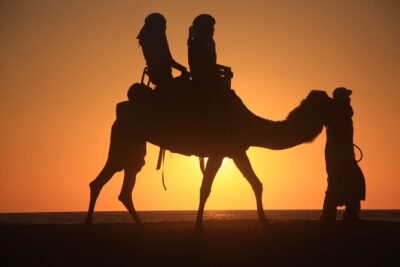
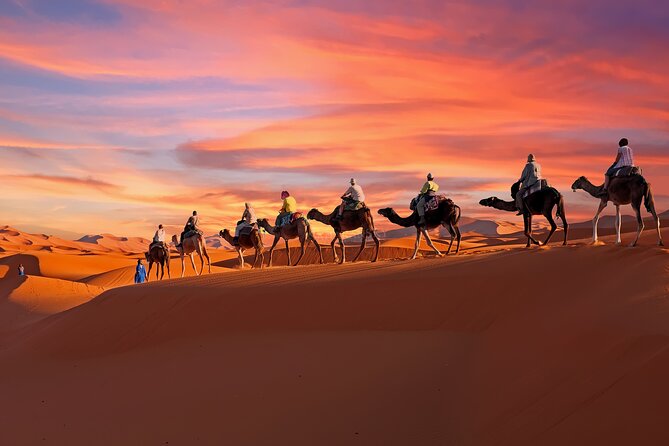
Sahara stars and camel steps start right away. This 2-day guided trek from Douz lets you ride a camel across golden dunes, learn the basics from a cameleer guide, and sleep one night in a desert camp with Berber meals. You also get traditional clothing for the ride, so you feel part of the scene instead of just passing through.
I especially like how the day isn’t just riding. The guide stays with you, teaches you how to handle the camel, and points out what to notice as the light shifts over the dunes. The second thing I really love is the double hit of timing: sunset on Day 1, then sunrise on Day 2, followed by dinner and breakfast that taste like real desert cooking.
One thing to consider: you’re on a camel for a full two days. If you have mobility or back issues, the ride time and the bumpy sand walking can be a lot, even though the tour says most people can participate.
In This Review
- Key Things I’d Plan Around (and Why They Matter)
- Douz Pickup to the Dunes: What Your Morning Really Looks Like
- Camel Basics With a Cameleer Guide (No Guessing Required)
- Day 1 Ride Through Golden Dunes to Sunset
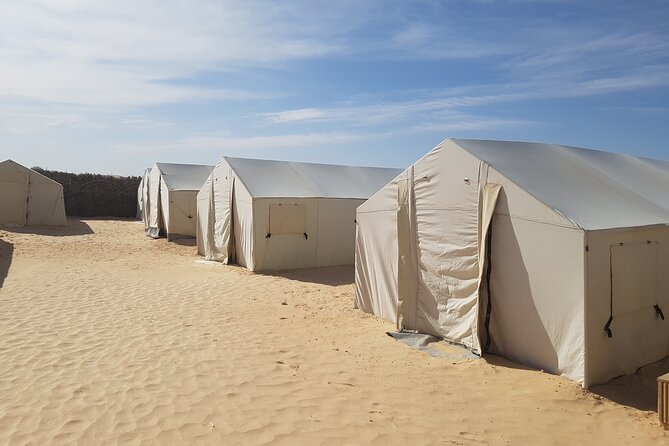
- Desert Camp Night: Dinner, Firelight, and Sleep Under the Stars
- Day 2 Sunrise Camel Trek and Berber Breakfast
- Meals, Water, and Traditional Clothing: Small Inclusions That Add Up
- Price and Value: Is $240 Worth It?
- What to Pack (Without Overthinking It)
- Who This Trek Fits Best (and Who Might Want a Different Option)
- Should You Book It?
- FAQ
- What time does the trek start?
- Is pickup included?
- Where does the tour take place?
- What’s included for meals?
- Do I get a camel ride?
- Is traditional clothing included?
- Is there a vegetarian meal option?
- Is the tour private?
- What kind of accommodation is included?
- What is the cancellation policy?
Key Things I’d Plan Around (and Why They Matter)
- Hotel pickup and drop-off in Douz helps you start without figuring out logistics on day one.
- Camel + instruction from a cameleer guide means you spend less time guessing and more time enjoying the ride.
- Sunset and sunrise camel treks give you two different moods of the Sahara.
- One night in a desert camp with meals included turns an overnight trip into a full experience, not a quick stop.
- Traditional dress (djellaba and turban) adds comfort and style while you’re out in the dunes.
- Vegetarian option available so you can still enjoy the meals without last-minute stress.
Douz Pickup to the Dunes: What Your Morning Really Looks Like
Your day starts with a pickup from your hotel or accommodation in Douz, with the experience set to begin at 9:00 am. That timing matters because the ride and the light change quickly in the desert. Starting early also helps you beat some of the heat and keeps the day from turning into a long, sloggy waiting game.
Once you meet your cameleers (camel handlers) you’ll get your bearings fast. You’re not dropped into the desert with a camel and a shrug. The tour is guided, and the camleers lead in a way that makes the ride feel organized, even when you’re surrounded by nothing but sand and sky.
You should also know this is a private tour/activity, meaning it’s only your group. That changes the vibe. You’re less likely to feel rushed, and you can ask practical questions without feeling like you’re interrupting a bigger crowd.
You can also read our reviews of more tours and experiences in Douz.
Camel Basics With a Cameleer Guide (No Guessing Required)
The heart of this trip is learning how to handle the camel while you’re moving through dunes. You’ll get instruction from a cameleer tour guide who stays with the group and gives directions through the ride. In a place where everything is wide open, that guidance keeps you confident and calm.
You’ll also get riding support in a simple, useful way. The tour provides the camel for you to ride, plus bottled water, and traditional desert clothing during the trek. That matters more than it sounds. When you’re out in open sand all day, comfort and practical coverage beat trying to wing it with random gear.
I like that the focus is on doing, not just talking. The camel ride is the activity, so the guide works to make sure you can actually enjoy it. And if you’re the type who worries about “Will I look awkward?” this helps. You’ll learn what to do and stop thinking about it.
Day 1 Ride Through Golden Dunes to Sunset
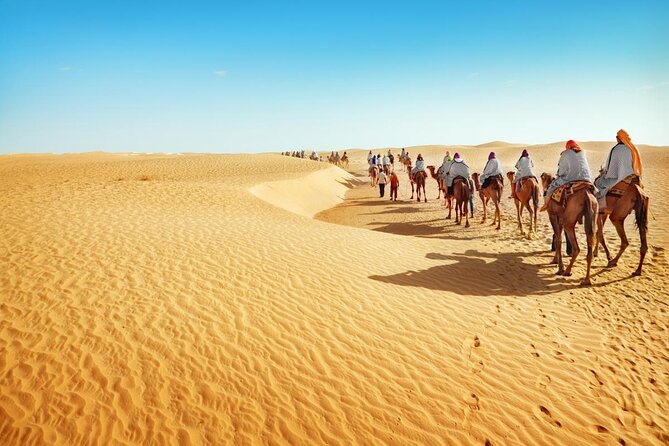
Day 1 starts with the main camel trek through golden dunes and changing views as the day progresses. You’re moving at a pace that lets you take in the terrain instead of just enduring it. It’s also why the guide matters. Dunes aren’t like flat ground; the camel ride is part rhythm, part balance, and part patience.
At midday, you get a lunch break while the chef prepares a meal. The tour includes lunch, and this is the point where the day stops feeling like one long grind. You’ll also have time for photos, and the scenery keeps evolving as the light climbs and then starts to soften.
After lunch, the trek continues until sunset. This is a highlight for obvious reasons: the Sahara at golden hour looks different than it did in the morning, and the dunes pick up shape you can almost feel. You’ll also have the chance to watch the sunset from the dunes, not just from behind glass or a quick roadside stop.
Then you roll into camp. Dinner is traditional, with Berber flatbread cooked on an open fire. The evening also includes drumming around the fire and sleeping under the starry Saharan sky. That combination is what turns a ride into a memory you’ll actually remember later.
Desert Camp Night: Dinner, Firelight, and Sleep Under the Stars
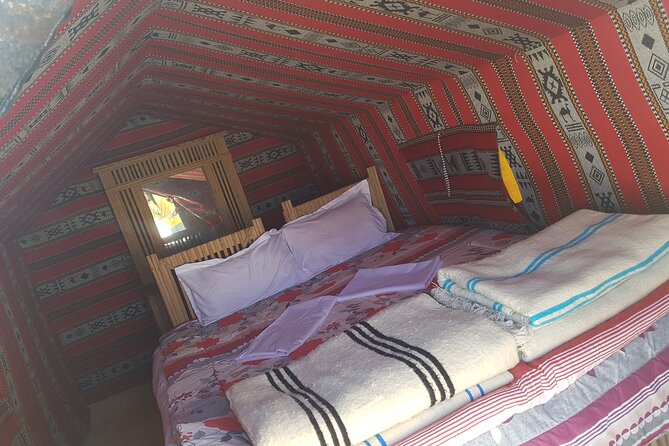
The overnight stay is in a desert camp for one night. You’ll have traditional dinner, and you’ll sleep outdoors under the night sky. The tour includes dinner for that first night, and breakfast plus lunch are built into Day 2, so the camp isn’t just a bed stop.
What surprised me from the feedback is how positive people were about the camp setup. The comments point to accommodations that feel clean and comfortable, and in a trip where you might expect “rough” by default, that’s a big deal. It means you can enjoy the stars and still get enough rest to handle a sunrise trek the next morning.
I also like that the evening includes a cultural element that isn’t staged for an Instagram checkmark. Drumming around the fire gives the night structure, and open-fire cooking makes dinner feel tied to the place instead of delivered as a generic meal.
One practical note: if you’re sensitive to cold at night outdoors, plan for that. The tour doesn’t spell out blankets or sleeping gear here, so it’s smart to bring a layer you can handle comfortably in desert nights.
Day 2 Sunrise Camel Trek and Berber Breakfast
Day 2 begins early with sunrise. The tour gives you a sunrise camel trek, which is a very real advantage of doing an overnight instead of a same-day excursion. Sunrise changes the dunes in a way that’s hard to describe until you’re there: shadows shift fast, and the whole scene feels quieter and sharper.
After the morning riding, you’ll have Berber breakfast before your trek winds down. Then you return by camel to the initial meeting point, where transportation brings you back to Douz.
The day ends up feeling balanced: you get the dramatic morning light, then a calmer finish instead of another full-on sunset push. It’s a solid “two moods of the desert” plan without making you rush or burn out.
Meals, Water, and Traditional Clothing: Small Inclusions That Add Up
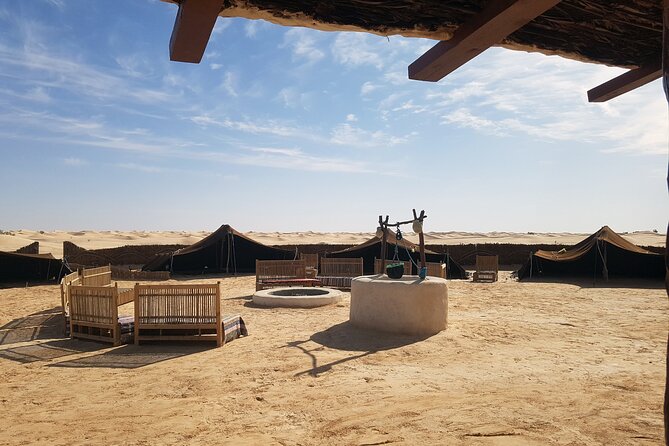
This is one of those tours where the inclusions do real work for you.
- Meals included across both days (lunch Day 1, dinner Day 1, breakfast Day 2, plus camp meals for the overnight) means you’re not hunting for food in the middle of nowhere.
- Bottled water is included, which is exactly what you want on long desert hours.
- Coffee and/or tea are included, giving you an easy comfort break between riding and resting.
- Sahara Desert turban and djellaba are provided during the trek. That’s practical coverage for the sand and sun, and it also makes the whole experience feel more respectful and immersive in the best way.
There’s also a vegetarian option available if you tell the operator in advance. That’s the kind of detail that can make or break food comfort, especially when you’re away from normal restaurants.
Price and Value: Is $240 Worth It?
At $240 per person, this trek sits in the mid-range for a guided overnight camel experience. The smart question isn’t just the price tag. It’s what you get without extra costs:
You’re paying for:
- A private guided overnight trek
- Camel rides across two days, including sunrise and sunset
- A night in a desert camp
- Included meals (lunch, dinner, breakfast) and drinks (bottled water plus coffee/tea)
- Hotel pickup and drop-off in Douz
- Camel instruction from a cameleer guide
- Traditional clothing for the ride (turban + djellaba)
When you add that up, the value looks clearer. A lot of “cheap” tours start charging for meals, transport, or guidance once you’re on the ground. Here, meals and transport inside Douz are included, and you’re not left to figure out how to handle the camel yourself.
One more value angle: it’s booked about 30 days in advance on average. That suggests demand. If you want a calm schedule and fewer last-minute adjustments, book earlier rather than later.
What to Pack (Without Overthinking It)
The tour provides traditional dress and includes bottled water, coffee/tea, and meals, so you don’t need to pack like you’re provisioning a month-long trek. Still, you should plan for the desert realities.
Bring:
- A light layer you can add on Day 2 morning and for night air
- Sunscreen and something to cover your face in the sand
- Sunglasses (seriously, desert light is no joke)
- A small bag for personal items you’ll want while riding
- Your camera gear, since you’ll have photo time at midday and during the dunes at sunset
Also, consider how your body handles long sitting time. A camel ride can be more tiring than it looks on paper.
If you’re traveling with kids, the tour says children must be accompanied by an adult. That’s a practical note: you’re managing the whole experience together, so plan for comfort and control.
Who This Trek Fits Best (and Who Might Want a Different Option)
This works well if you:
- Want a guided overnight desert experience instead of a fast stop
- Enjoy sunrise and sunset as activities, not just background scenery
- Prefer having meals, transport, and camp handled for you
- Like cultural touches like Berber cooking, fire evenings, and drumming around the camp
It may be less ideal if you:
- Have mobility issues or are worried about a two-day camel ride
- Want a fully luxurious lodge experience indoors all night (this is a desert camp, under the stars)
The good news is that the tour notes most travelers can participate, and the setup is private and guided. That usually means fewer surprises once you’re actually there.
Should You Book It?
Yes, if your goal is a true Sahara overnight with camel guidance, real desert timing, and included food. This is the kind of trip where you’re busy the whole time, but in a good way—riding, eating, watching the sun, then sleeping under stars.
I’d book it sooner than later because it’s commonly reserved about a month out, and you’ll want your start day to match your broader Tunisia plan.
If you’re unsure, use this checklist: you’re okay with camel riding for two days, you want sunrise and sunset in the dunes, and you like the idea of sleeping in a desert camp rather than a standard hotel. If that sounds like you, this trek is a strong match.
FAQ
What time does the trek start?
The experience starts at 9:00 am.
Is pickup included?
Yes. Pickup and drop-off are offered from your hotel or location in Douz.
Where does the tour take place?
The trek is based in Douz, Tunisia, and you’ll travel into the surrounding Sahara desert for the camel rides and desert camp night.
What’s included for meals?
Lunch and dinner are included, and you also get breakfast as part of the overnight desert camp experience.
Do I get a camel ride?
Yes. A camel is provided for you to ride during the trek.
Is traditional clothing included?
Yes. You’ll be given a Sahara Desert turban (head scarf) and a djellaba (robe) during the trek.
Is there a vegetarian meal option?
Yes. A vegetarian option is available if you advise the provider at booking.
Is the tour private?
Yes. This is described as a private tour/activity, with only your group participating.
What kind of accommodation is included?
You get one night of accommodation in a desert camp, including meals as listed for the experience.
What is the cancellation policy?
You can cancel up to 6 days in advance for a full refund. For a 50% refund, cancel 2–6 days before the experience start time. If you cancel less than 2 full days before, the amount paid is not refunded. Cut-off times are based on local time.