REVIEW · MARRAKESH
Climb Mount Toubkal: 3-Day Trek from Marrakech
Book on GetYourGuide →Operated by Toubkal Ascent · Bookable on GetYourGuide
Sunrise on Toubkal feels like a dare. This 3-day trek takes you from Marrakech up to Imlil, then onward to the summit of Jebel Toukbal, the highest peak in Northern Africa. You’ll hike through valleys like Mizane, pass notable spots such as the shrine of Sidi Chamarouch, and finish with views that can stretch from the Marrakech Plain toward the Anti-Atlas and the Sahara.
I especially loved two things: the way the guides manage pace and safety, and the way the trip keeps feeding you well. Guides like Abdul and Abdulratif (and also Hassan as a tour manager) are known for practical encouragement—breathing tips, steady timing, and keeping you moving without rushing. And I like that you’re not hiking hungry: you get all meals, cooked during the trek, plus a warm reset in Imlil before the final push.
One consideration: the Toubkal Refuge night can be tough—crowded conditions and limited sleep are part of the deal, and the last ascent starts early, usually around 4 a.m., when it’s cold and steep. If you hate sleeping badly at altitude, plan mentally for a rougher night than the “easy travel” version of Morocco.
In This Review
- Key Highlights to Know Before You Go
- Marrakech to Imlil: trading riad time for Atlas air
- Day 2 up the Mizane Valley toward Toubkal Refuge
- Aremd and the Sidi Chamarouch shrine stop
- The refuge night at Toubkal: crowded, cold, and real
- Summit day at 4 a.m.: steep steps to Jebel Toukbal
- Transport, guides, and mule support: what’s actually included
- Price and value: how $294 fits the real experience
- Gear you should plan for: cold mornings and rocky footing
- Who this trek suits best (and who should think twice)
- Should you book this Mount Toubkal 3-day trek?
- FAQ
- How long is the Mount Toubkal trek?
- Where does the trek start?
- What’s included in the price?
- What should I bring since some items are not included?
- What languages are the guides available in?
- Is pickup offered from Marrakech?
- What’s the age pricing?
- Can I cancel for a refund?
Key Highlights to Know Before You Go
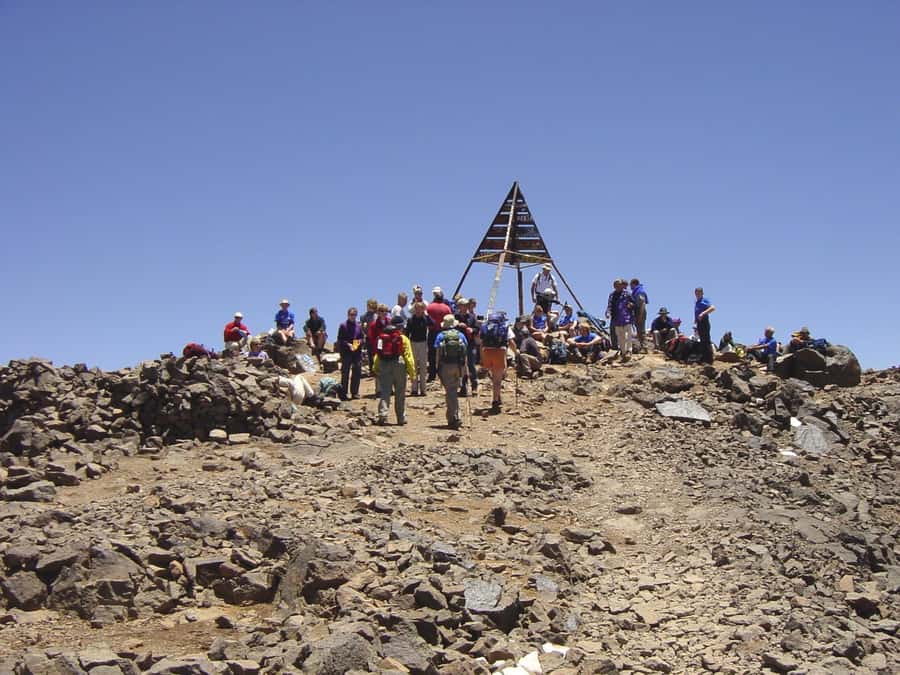
- Sunrise summit push with an early start from the refuge, often around 4 a.m.
- Imlil acclimatization time plus a scenic ride from Marrakech to your trailhead
- Mizane Valley hike via Aremd, with big views and classic Atlas terrain
- Sidi Chamarouch shrine stop with a waterfall nearby along the route
- Cooked meals and mule support, so you carry only essentials
- Refuge sleeping conditions can be crowded, and tents may replace the lodge depending on weather
Marrakech to Imlil: trading riad time for Atlas air
Your journey starts in Marrakech with a road transfer to Imlil. Plan on a drive of up to about 4 hours, then an afternoon-evening in Imlil where you can settle in and let your body adjust. This first day isn’t just travel time—it’s your buffer, giving you time to feel the altitude climb without jumping straight into steep terrain.
What I like about this setup is that it makes the rest of the trek feel honest. You’re not thrown into hard hiking right away. On some departures, you may also get a gentle acclimatization walk around Imlil (one group described an easy trek for about 3 hours up to around 2200 meters), which is a smart way to get used to thin air without burning your legs.
I’d treat Imlil like a warm-up stage: hydrate, eat well, and keep your movements calm. If you’re prone to overdoing it on day one, this is where you practice restraint.
You can also read our reviews of more tours and experiences in Marrakesh.
Day 2 up the Mizane Valley toward Toubkal Refuge
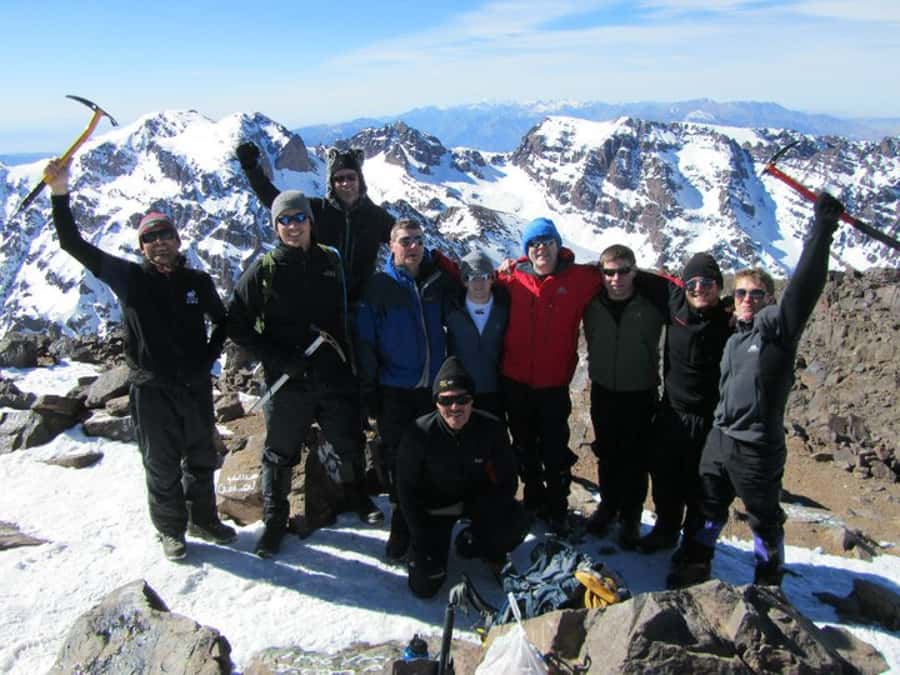
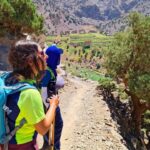
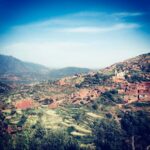
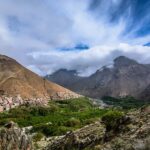
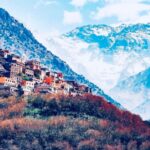
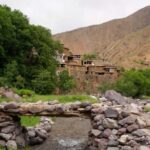
Day two is the real transition day. You leave the Imlil area and head toward the Toubkal Massif, riding through craggy peaks and plunging valleys before you start walking. The route takes you along the Mizane Valley and toward Aremd, where the terrain becomes more rugged and the views start to open up in a serious way.
Expect around 4–5 hours of walking on this day. It’s long enough to feel like a trek, but it’s also paced to get you working without turning it into a sprint. The goal is to gain altitude steadily and reach the snowline region before the final summit attempt, which is why the refuge stop matters.
You’ll likely notice how quickly the “Morocco near Marrakech” feeling changes into something more mountain-focused: stony ground, narrow paths, and changing light across the valley walls. And because it’s a guided climb, you’ll be able to keep your effort consistent instead of constantly second-guessing the route.
Aremd and the Sidi Chamarouch shrine stop
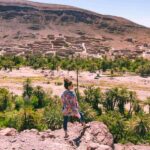
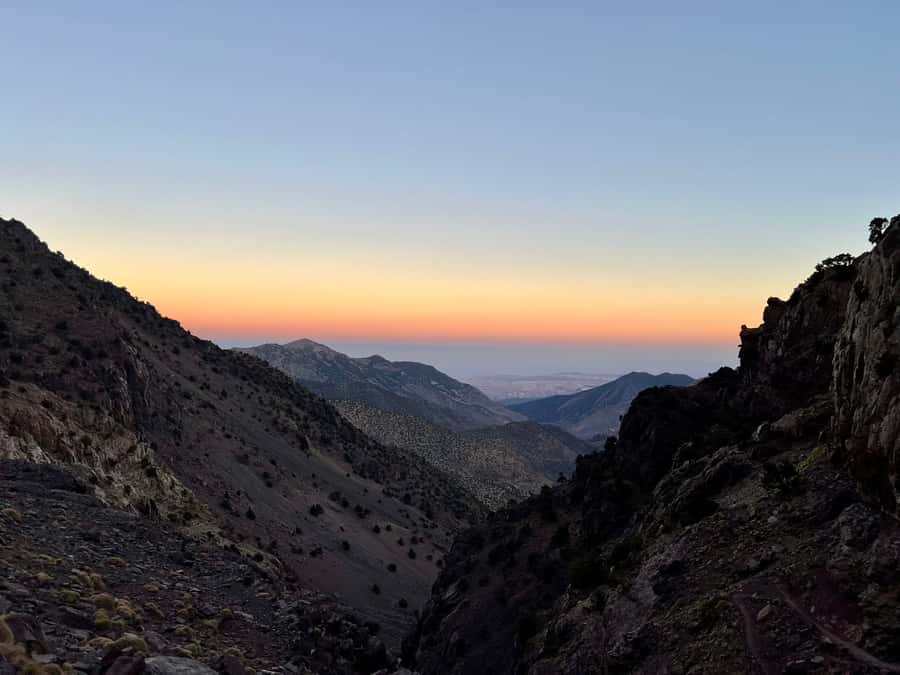
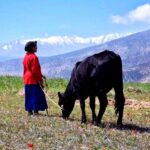
One of the best breaks on day two is the stop for Sidi Chamarouch. You’ll reach it as part of the hike through the Aremd route, with a waterfall nearby that gives the whole area a cooler, more alive vibe.
This is the kind of stop that makes the trek feel grounded in local life, not just a training hike. Even if you only spend a short time there, you get a sense of place—how people move through these valleys, where important religious sites sit in the mountains, and why the path matters to more than just hikers.
It’s also a mental breather. You’ll be able to pause, rehydrate, and reset your shoulders before the climb steepens and continues on toward the refuge.
The refuge night at Toubkal: crowded, cold, and real
You’ll spend the night at the Toubkal Refuge area, or in tents if weather pushes the plan that way. Either way, this is the night that decides how you feel on the summit morning. Reviews and experience summaries repeat the same message: conditions at the refuge can be tough, especially because it can be very crowded and sleep is hard to come by.
If you’re counting on comfort, I’d adjust expectations now. Bring your best “rugged travel” attitude. You’ll likely wake more than once from noise, cold air, and people moving early for breakfast and the final start. If you’re sensitive to nighttime discomfort, plan for that in advance rather than being surprised.
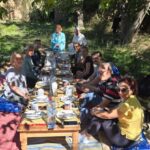
Meal support helps here. The trip includes meals, and the cook prepares food for you during the trek, so you aren’t improvising dinner calories. Still, the refuge night isn’t about luxury—it’s about being ready for a cold, steep push the next morning.
Summit day at 4 a.m.: steep steps to Jebel Toukbal
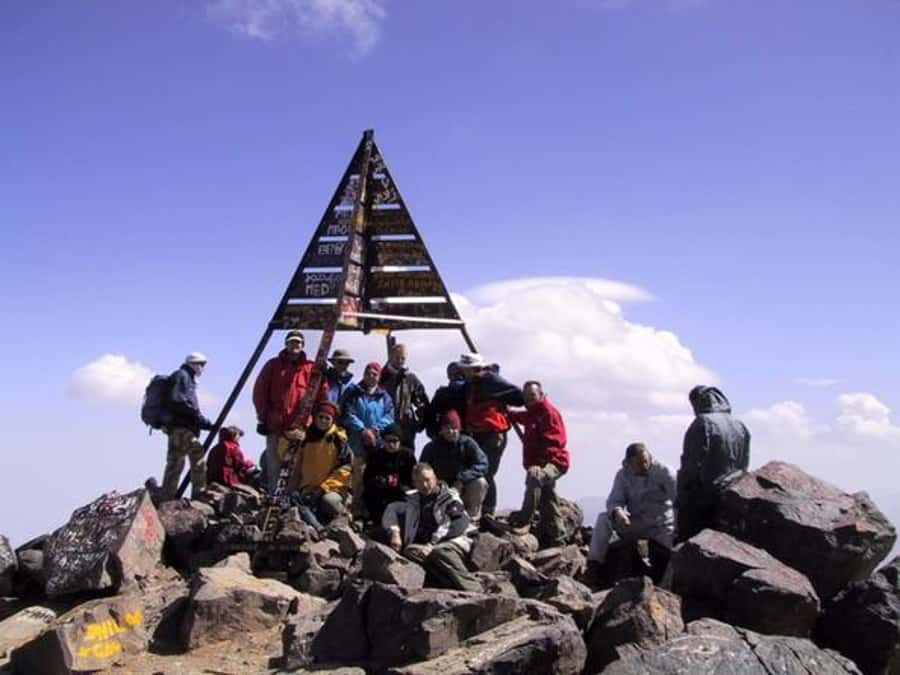
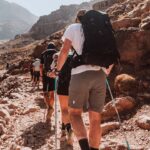
The summit attempt starts early. The final ascent begins around 4 a.m., cold and steep, and you’ll work your way up through rockier terrain, crossing river streams along the route and moving across fields of boulders and rocks. This is not the part of the hike where you can relax your mind. You need focus for footing and energy management.
What makes it workable is the guidance. People consistently mention Abdul and Abdulratif for staying on top of pace and morale, using practical cues like breathing tips. Around 4000 meters, some hikers struggle, and that’s where a good guide really matters: encouragement isn’t just pep talk—it’s guidance that helps you keep moving when your body starts complaining.
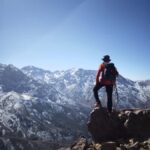
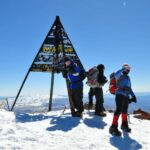
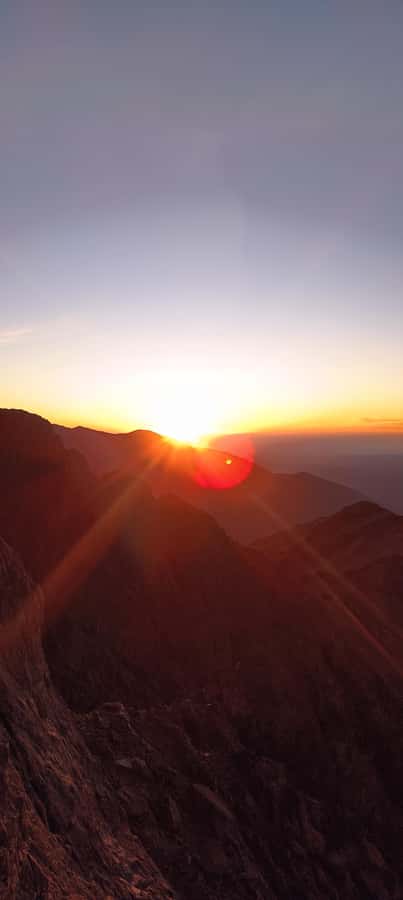
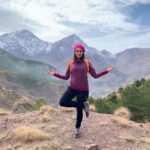
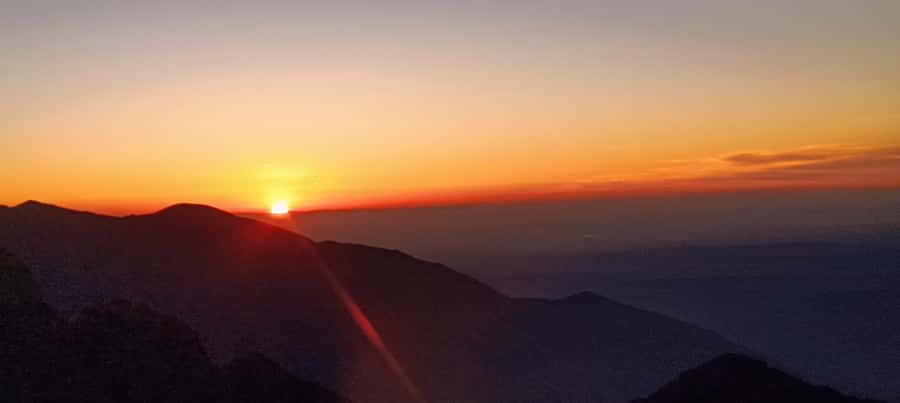
As you crest the ridge line, you reach a plateau and get a first big look around. Then, at the summit, you’re rewarded with sunrise-level views. The stated range of what you might see is impressive: from the Marrakech Plain to the High Atlas in the north, and—on clear days—far south toward the Anti-Atlas and the Sahara.
Once you tag the summit, the descent is the next test. Going down at altitude can drain you faster than you expect, so keep your steps careful and don’t treat it like a victory lap. You’ll return toward Imlil afterward and then transfer back to Marrakech.
Transport, guides, and mule support: what’s actually included
This trek includes more than “a guide and a route.” You also get muleteers and a cook, plus accommodation in Imlil and at the refuge. Transfers to and from the High Atlas area are handled by minibus or 4×4, which matters because the road journey affects how rested you are for day two.
One of the smartest parts: mules handle your baggage. That means you don’t haul your entire kit up the mountain. In practical terms, you end up carrying the essentials like water, sunscreen, and some snacks, while the rest rides with the mule team. It’s a small detail that makes a big difference, especially on a rocky final climb.
Guides also cover the human side of the hike. English, French, and Arabic are available, and named guides in past groups—Hassan as a manager and guides such as Abdul, Omar, Nourdin, Brahim, and Sabir—are repeatedly described as professional, safety-minded, and ready to adjust pace. If you’re traveling solo, that safety factor is especially important; one solo female traveler specifically said she felt safe with her guide.
Price and value: how $294 fits the real experience
At about $294 per person for a 3-day climb, the value depends on what you compare it to. This isn’t a self-guided hike where you just book a trailhead and figure it out. You’re paying for coordination, trained local support, and the logistics that keep you from juggling transport, meals, and carry systems.
Here’s what you’re getting for that cost:
- Local mountain guide plus muleteers and a cook
- Accommodation: 1 night in Imlil and 1 night at the refuge (or tents)
- All meals during the trek
- Round-trip transport between Marrakech and the High Atlas area
When you factor those in, the price starts to make sense. A lot of the “hidden effort” of a mountain trip is paperwork and planning: where to sleep, how to move your bags, how meals happen, and how the summit day runs on a tight schedule. If you’ve done other guided hikes, you’ll know that these details are what prevent the trip from turning into stress.
Two costs to watch that aren’t included: personal travel insurance and key cold-weather gear. Crampons, ice axe, and sleeping bags are listed as not included. In one account, a participant had to pay extra for equipment, so if you’re coming with minimal trekking gear, budget for possible rentals or add-ons.
Also note soft drinks and gratuity aren’t included. That doesn’t make or break the budget, but it’s good to plan.
Gear you should plan for: cold mornings and rocky footing
The tour lists several items as not included: soft drinks, gratuity, personal travel insurance, crampons, ice axe, and sleeping bags. That’s your first clue about conditions you should prepare for.
Even if you don’t expect technical climbing tools, you should assume early summit conditions can be cold and steep. Wear footwear with reliable grip for rock and uneven paths. If you’re bringing a backpack, keep it light—because your personal carry load is still something you’ll feel at altitude.
Also think about layers and the night at the refuge. You may be in tents depending on weather, which can mean wind and cold. Bring what you need for sleep warmth rather than assuming a normal hotel vibe.
If you’re unsure about whether you’ll need crampons or an ice axe, ask before you go. The trek is described as not including those items, so you don’t want to find out at the start that you can’t access needed gear.
Who this trek suits best (and who should think twice)
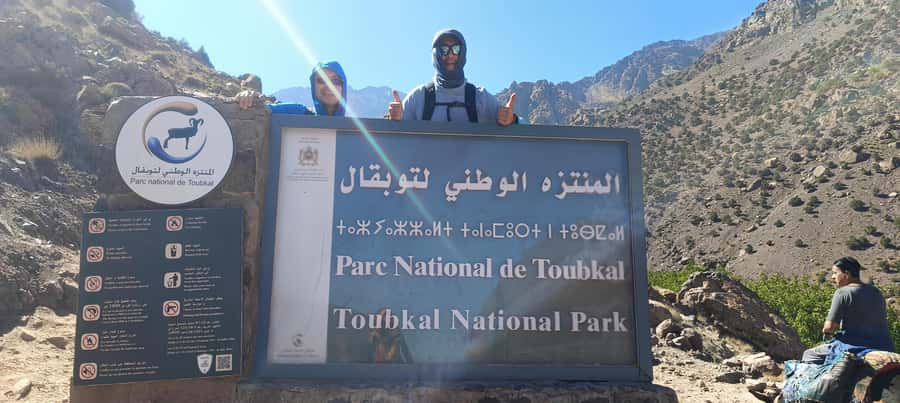
This is a great match if you want a guided, structured way to climb a major North African peak without having to manage the logistics yourself. The route makes sense for people who can handle a few hours of hiking day two and a tougher summit morning. One active 50-year-old described the trek as challenging yet very rewarding, and multiple people praised the guides for adjusting pacing for different fitness levels.
It’s also a good fit for hikers who want more than just the summit photo. The shrine stop at Sidi Chamarouch, the waterfall break, and the valley walking through Mizane and Oued Rhirhaia areas add real context.
Who should think twice? If you hate early wake-ups, crowded sleeping situations, and cold, steep ascents, the refuge night and 4 a.m. start may be a bad fit. Also, if you have limited hiking experience and minimal gear, you’ll want to plan carefully with your operator to cover cold-weather needs and footing.
Should you book this Mount Toubkal 3-day trek?
Book it if you want a guided climb to Jebel Toukbal with strong logistical support: muleteers, a cook, included meals, and transfers that keep your energy for walking. I’d especially recommend it if you like the idea of sunrise views, don’t mind a rugged night, and appreciate a guide-led pace—guides like Abdul and Abdulratif have earned serious praise for keeping people safe and moving.
Hold off if you’re counting on comfortable sleeping every night, dislike cold mornings, or aren’t ready for a descent that can feel as demanding as the climb. Also, check your gear situation early because sleeping bags and ice/cold tools aren’t included.
If you get the right mindset—tough night, focused morning, steady steps—the payoff is massive: a high-altitude summit experience with mountain views that can stretch from the Marrakech region toward desert horizons.
FAQ
How long is the Mount Toubkal trek?
It runs for 3 days total.
Where does the trek start?
You transfer from Marrakech to Imlil, and the trek begins from the Imlil area.
What’s included in the price?
The price includes a local mountain guide, muleteers, and a cook; 1 night in Imlil; 1 night at Toubkal Refuge (or tents depending on weather); all meals; and transport with a minibus or 4×4 for transfers to and from the High Atlas.
What should I bring since some items are not included?
Not included are crampons, ice axe, and a sleeping bag. Soft drinks, personal travel insurance, and gratuity are also not included.
What languages are the guides available in?
The live tour guide is available in English, French, and Arabic.
Is pickup offered from Marrakech?
Yes. Transfers include getting you from Marrakech to Imlil.
What’s the age pricing?
Children under 2 are free. Ages 3 to 11 get a 50% discount, and age 12 and up pay the full cost.
Can I cancel for a refund?
Yes. You can cancel up to 24 hours in advance for a full refund.