Triund Trek is a simple way to get high into the Himalayas without a big, multi-day plan. What I like most is the local guide-led hike, which helps you feel steady on the trail. You also get an overnight setup at a hilltop campsite, so it feels like a real mountain stay, not just a walk and back.
Second, I really like that tents and camping gear are provided, plus breakfast and dinner. That takes the guesswork out of planning, especially if you’re new to trekking. One thing to consider: the experience needs good weather, and that can affect views and even whether your date runs.
In This Review
- Key things you’ll notice before you go
- Dharamsala’s fast track to high views: why Triund works
- Getting to the start: McLeod Ganj timing and first logistics
- Day 1: Up to Triund Hill with a local guide
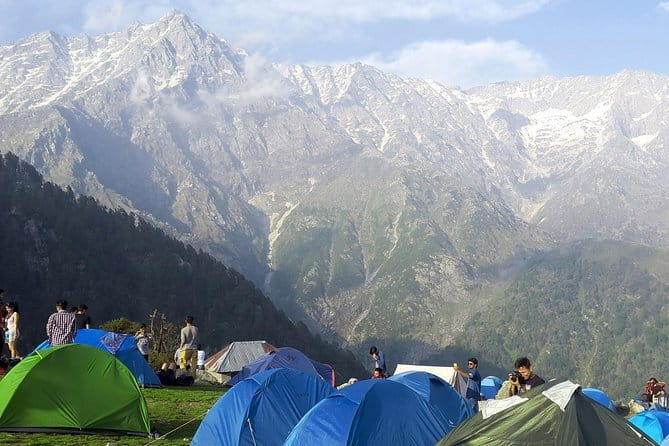
- The Triund campsite experience: tents, meals, and star time
- Morning matters: the Triund view payoff
- Day 2: From Triund to Dharamkot in the afternoon
- How “private for just your party” works (and what to expect)
- Price and value: is $28 really worth it?
- Who should book this trek (and who might not)
- The biggest practical tips I’d follow
- Should you book the Triund Trek?
- FAQ
- Where does the Triund Trek start?
- What time does the experience start?
- How long is the Triund Trek?
- What does the trek include besides the hike?
- Do I need to bring camping equipment?
- Is there a local guide?
- Is this a private experience?
- How big can the group be?
- What kind of difficulty level should I expect?
- What happens if the weather is poor?
- Is there free cancellation?
Key things you’ll notice before you go
- Guide-led safety on a beginner-friendly route with a local leader setting the pace
- Overnight tents and gear provided so you’re not carrying a full camping kit
- Meals included (breakfast and dinner) for a low-stress night in the hills
- Private time for your group while the overall program can include up to 100 travelers
- Views are best in the morning, so plan to wake up on time
Dharamsala’s fast track to high views: why Triund works
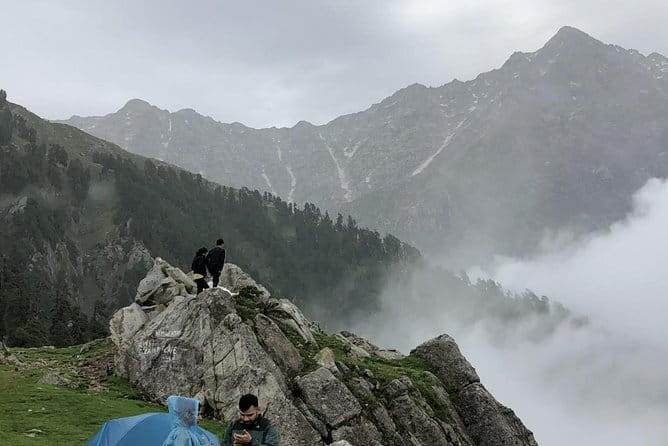
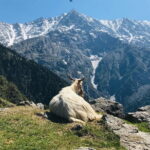
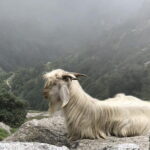
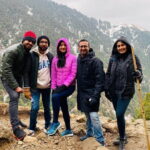
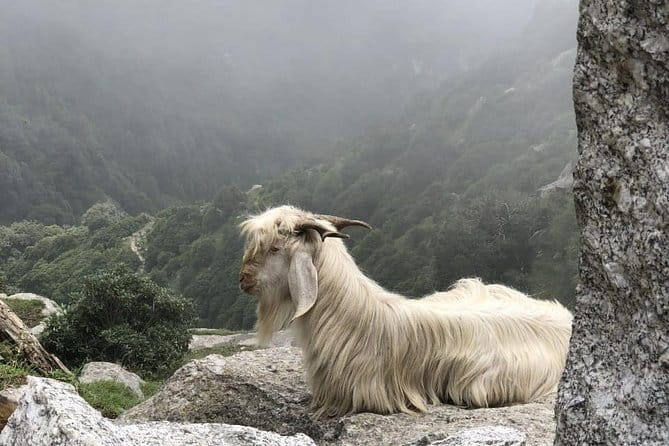
Triund is one of those treks that hits the sweet spot. You start near McLeod Ganj (in the Dharamshala area), you climb into the Dhauladhar mountain range viewpoints, then you sleep out at a hilltop campsite. Next day you continue your descent toward Dharamkot. It’s “Himalayas” without the commitment of a long expedition.
What makes it especially workable is how the trip is packaged. You don’t have to coordinate camping logistics or figure out the route alone. The operator builds the experience around a local guide, provided tents/gear, and included meals, which is exactly what you want on a short trek.
If you’re looking for a first big outdoor moment in north India, this is a strong candidate. One review called it beginner-friendly, and the rating backs up that it’s well-run. You’ll also get a moment of perspective: the trail feels like it’s getting you out of the town buzz and into open sky.
You can also read our reviews of more tours and experiences in Dharamsala.
Getting to the start: McLeod Ganj timing and first logistics
The trek starts in McLeod Ganj, Dharamshala (Himachal Pradesh), and the start time is 9:00 am. The trip ends back at the meeting point, so you’re not left hunting for transport at the end of a long day.
Here’s the key practical point: you’ll likely need to position yourself in Dharamshala first, then connect to McLeod Ganj. One route detail that helps: McLeod Ganj is about 7 km from Dharamshala, and you can use local transport between them. Give yourself buffer time to reach the meeting point by 9:00, because you don’t want to turn your day’s first climb into a stress session.
Also note the program uses a mobile ticket, and you should receive confirmation at the time of booking. That’s useful in areas where paper tickets can get lost in bags or pockets.
Day 1: Up to Triund Hill with a local guide
Day 1 centers on Triund Hill, with the day designed for the ascent and your overnight stay. The biggest value on this day is not “just walking uphill.” It’s walking uphill with a guide who knows the trail and can keep the pace steady.
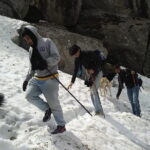
You’ll start from McLeod Ganj and climb toward Triund’s viewpoint/campsite area. This is where the trek earns its reputation as accessible. Reviews highlight that it feels easy to moderate for many people, and that first-timers can still have a smooth experience.
Two things to pay attention to as you go:
- Your pace matters more than your speed. Even on a short trek, a steady climb helps you enjoy the views instead of only managing breath.
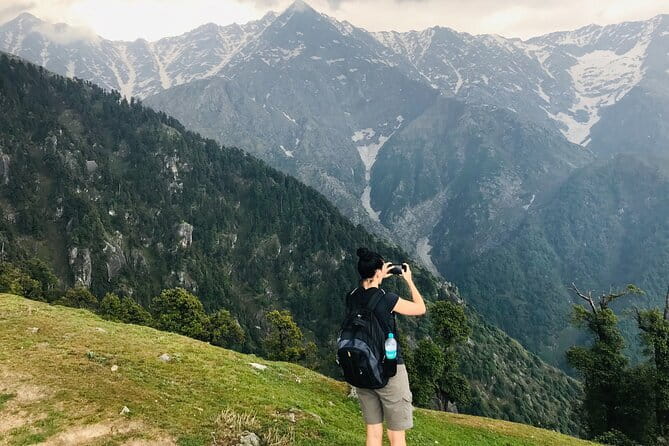
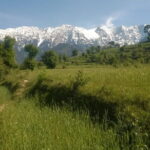
- The views come in layers. As the trail rises, you’ll start getting wide sightlines over the Kangra Valley and into the Dhauladhar range. That’s when the climb shifts from effort to reward.
A small drawback of Day 1 is that you’re investing time in the hill hike before you’ve “earned” the full payoff. If weather turns cloudy or hazy, you might not get the cleanest views early. The good news: you’re staying overnight, so you still have a shot at a great morning.
The Triund campsite experience: tents, meals, and star time
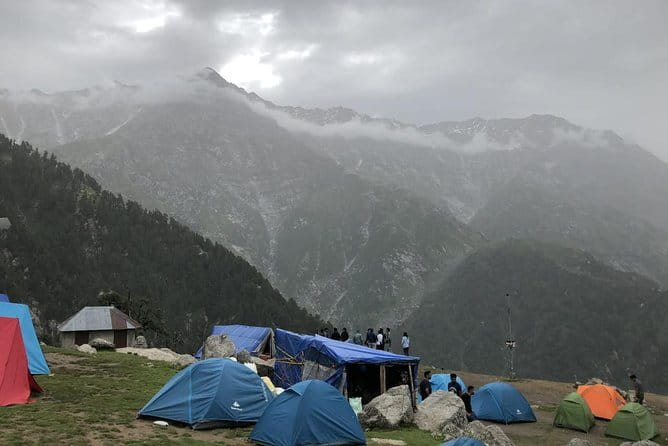
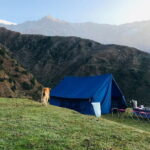
Once you reach Triund, the plan turns from hiking to settling in. The trip provides tents and camping gear, so you can focus on enjoying the night instead of assembling equipment in the dark. This matters. If you’ve ever tried to set up camp after a long walk, you know it can steal your energy fast. Here, it’s handled for you.
Meals are also included: you’ll have dinner and then breakfast the next morning. That turns the night into a more complete experience. You’re not scrambling to find food on the spot or worrying about what you’ll eat after the climb.
What stands out from reviews is the emotional side of this stage. People describe the night under the stars as magical, and another review notes a clean trek with no litter—so you’re walking on a trail that feels well cared for.
One more detail I appreciate in the way this trek is run: guides aren’t only there for direction. Some reviews mention climate awareness and practical guidance during the trek. That gives you more than “go left, go right.” It gives you context for what you’re seeing and how the region is changing.
Morning matters: the Triund view payoff
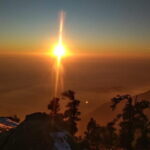
If you do one thing right, make sure you’re awake for morning views. One review specifically called out that the view from Triund is best in the morning. That makes sense: early light tends to cut through haze and gives sharper contrast to the peaks and valley.
So treat morning like part of the schedule, not an optional bonus.
Day 2: From Triund to Dharamkot in the afternoon
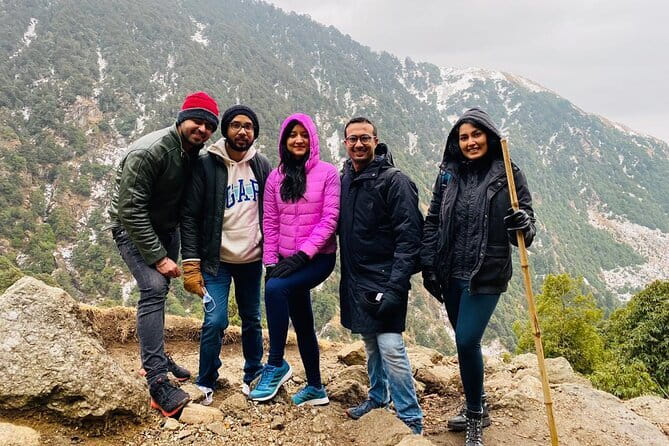
Day 2 begins with morning breakfast at the Triund campsite, then you start your trek toward Dharamkot. The plan has you reaching Dharamkot by evening, and the tour ends back at the meeting point.
This day feels different from Day 1 because the vibe shifts from uphill effort to downhill rhythm and viewpoint stops. Your legs may feel it more than you expect, especially if you’re not used to uneven steps.
A few practical notes for this segment:
- Downhill is harder on knees than the climb feels. Take slower steps and don’t let your speed outrun your balance.
- Fuel early. Breakfast before you start is there for a reason. Use it.
- Keep an eye on the sky. Since the experience requires good weather, overcast conditions can reduce the contrast and drama of the views.
Dharamkot is a satisfying finish point because it signals you’re leaving the highest viewpoint phase and heading back toward settled areas. Getting there by evening also helps you avoid late-day uncertainty.
How “private for just your party” works (and what to expect)
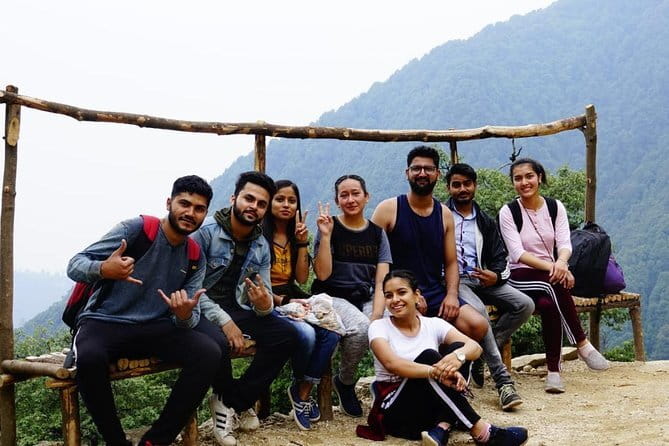
The experience is described as private for just your party, which is a big quality-of-life upgrade compared to mega-group treks where you can’t hear your guide and you constantly get separated.
At the same time, the activity listing includes a maximum of 100 travelers, which usually means the operator can run multiple groups on the same program. So “private” likely means you don’t mix into a random crowd mid-hike.
In practice, that combination can be ideal: you get your own party experience, but the trek still runs on a schedule and system.
Price and value: is $28 really worth it?
At $28 for about two days (approx.), this trek is priced for maximum accessibility. The big reason it feels like good value isn’t the hike itself—it’s what’s bundled with it:
- Local guide
- Tents and camping gear
- Breakfast and dinner
Those are the parts that usually cost real money when you plan trekking independently. Even if you think you can “figure it out” yourself, you’d still be paying for transportation, food, and a lot of hassle. Here, you’re paying a modest amount and buying simplicity.
I’d frame it like this: you’re paying for the structure that makes a Himalayan overnight achievable. For many first-time trekkers, that structure is the difference between a memorable trip and a frustrating one.
Who should book this trek (and who might not)
This trek is a strong match if you want:
- A first Himalayan hike
- A short overnight without complicated planning
- A guided route near McLeod Ganj and Dharamshala
- A camping night where gear and meals are handled
It may not be the best fit if:
- You hate hiking on uneven ground, even at an easy-to-moderate level
- You want guaranteed weather, since the experience requires good conditions
- You’re sensitive to cold or night conditions (you will be camping, and conditions can change fast in the hills)
But if you’re comfortable with a short, active climb and you like the idea of waking up to mountain views, you’re exactly the target.
The biggest practical tips I’d follow
Based on what the trek is designed around and what people emphasized in their feedback, these are the habits that help most:
- Start on time. A 9:00 am start is part of the schedule. If you’re late, you pay for it later.
- Bring layers. Even when days feel mild, nights at campsites can shift quickly.
- Aim for clean and responsible trail behavior. One review praised the litter-free trail. Help keep it that way.
- Listen to your guide’s pace advice. Several reviews mention guides being organized and helpful, including guidance around conditions and awareness.
And remember: you’re not only walking to a destination. You’re buying time in the hills—sunlight, stars, and that long view out over the Dhauladhar and Kangra Valley.
Should you book the Triund Trek?
If you want an overnight Himalayan experience that’s close to Dharamshala/McLeod Ganj, I’d say yes. The trek is built around the stuff that makes it work for real people: guide-led safety, provided camping gear, and included meals. At $28, it’s a rare deal where you’re not paying extra for the fundamentals.
The main reason to pause is weather. If conditions aren’t good, you may lose the view payoff. Still, the program is set up to work around that, and you’ll have a chance for a better day depending on how it’s scheduled.
If you’re flexible and you want a clean, well-run beginner-friendly overnight trek, this is the kind of trip you can recommend immediately.
FAQ
Where does the Triund Trek start?
The trek starts in McLeod Ganj, Dharamshala, Himachal Pradesh, India.
What time does the experience start?
The start time is 9:00 am.
How long is the Triund Trek?
The duration is about 2 days (approx.).
What does the trek include besides the hike?
It includes tent and camping gear, plus breakfast and dinner.
Do I need to bring camping equipment?
No. Tents and camping gear are provided as part of the experience.
Is there a local guide?
Yes. A local guide leads the way on the hike.
Is this a private experience?
Yes, it’s described as private for just your party.
How big can the group be?
The activity has a maximum of 100 travelers.
What kind of difficulty level should I expect?
Most travelers can participate, and the trek is generally described as beginner-friendly with an easy-to-moderate effort.
What happens if the weather is poor?
The experience requires good weather. If it’s canceled due to poor weather, you’ll be offered a different date or a full refund.
Is there free cancellation?
Yes. You can cancel up to 24 hours in advance for a full refund.