REVIEW · DHARAMSALA
McLeod Ganj: Triund Trek with Manu Adventures India
Book on GetYourGuide →Operated by Manu Adventures India · Bookable on GetYourGuide
Triund on a short weekend feels like cheating—in a good way. You get big Himalayan views in just two days, plus a first-leg walk that passes the Bhagsunag waterfall and ends with camping under a starlit sky. I also like how the trail is broken up with easy pause points for snacks and water, so you’re not just grinding uphill. One thing to keep real: parts of the route are steep, so it’s not an easy stroll for true beginners.
If you’re based around McLeod Ganj, this trek makes sense as a quick, guided taste of the Himalaya. You’ll walk from Bhagsu Nag up toward Triund, sleep in dome tents, and come back with time to visit the Tibetan market and temple—without needing a full week off. Just plan for warm layers, good shoes, and the fact that weather can slow things down.
In This Review
- Key things to know before you go
- Triund Trek from McLeod Ganj: why this 2-day plan works
- Meeting point and what happens on Day 1 (Bhagsu Nag to Triund)
- Upper Bhagsu and the Bhagsunag waterfall stop
- Shiva Café stop and the “don’t run out of energy” approach
- The climb via Katrani Dhar and arriving in Triund
- Leta Village Camps, dinner by bonfire, and sleeping under the stars
- Day 2: sunrise in the mountains, then back to McLeod Ganj
- Sunrise views and why this morning feels different
- Stop back at the Bhagsunag waterfall and time in the Tibetan market
- Price and value: what you get for about $18
- Difficulty level: how “easy” it really is
- What to bring (and what to skip)
- Guides and the feel of the group experience
- Weather, delays, and safety reality checks
- Who should book this trek?
- Should you book? My honest call
- FAQ
- How long is the Triund trek with Manu Adventures India?
- Where do we meet for the trek?
- What’s included in the price?
- What meals are provided?
- Do I need to arrange transport to McLeod Ganj?
- Is porter or pony support included for baggage?
- What should I bring for the trek?
Key things to know before you go
- Short, doable trek: designed as a 2-day weekend outing with guided pacing
- Bhagsunag waterfall on Day 1: a standout stop early in the walk
- Sunrise focus: you’ll rise early and watch golden light hit the mountain ranges
- Camping at Leta Village Camps: dome tents with meals and a bonfire night
- Real challenge in the climb: steep sections mean bring a walking stick
- Snacks are available along the way: you’ll find places to grab food and water during breaks
Triund Trek from McLeod Ganj: why this 2-day plan works
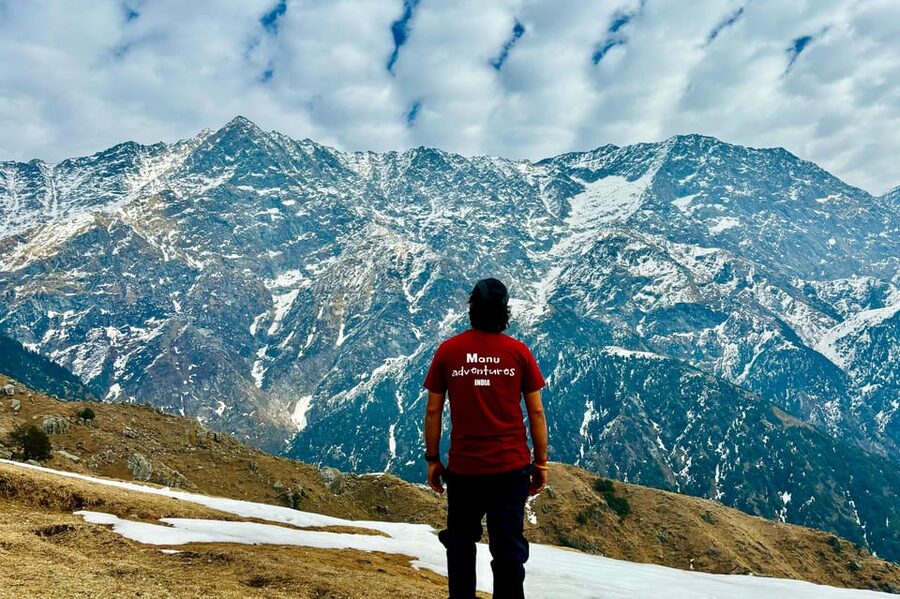
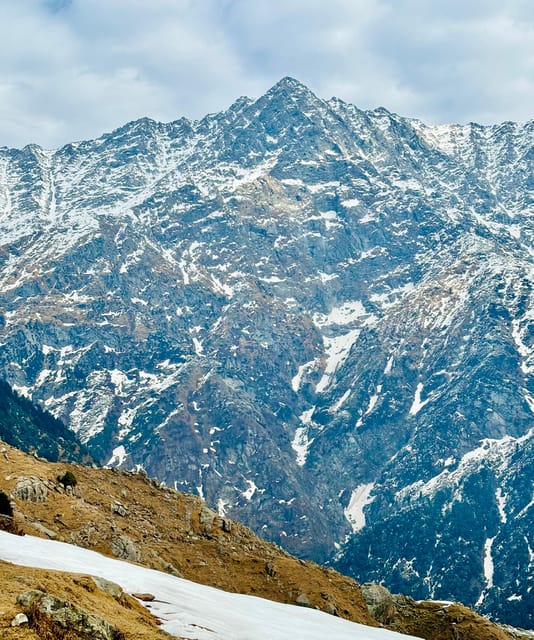
Triund trek is popular for a reason. It’s one of the shortest and easiest Himalayan treks in the McLeod Ganj area, and you can actually fit it into a weekend. The payoff comes fast: you start near Bhagsu Nag, climb through forested and hillside paths, and then you get long, sweeping views over the Kangra Valley with the Dhauladhar range laid out in front of you.
What makes this version especially practical is the way the days are structured. Day 1 is about climbing up with regular mental checkpoints—waterfall, café stop, and scenic stretches that keep you engaged—then you settle into camp at Leta for dinner and starlight. Day 2 is about the sunrise, then a quick enough descent that you’re back in McLeod Ganj by early afternoon.
This is also a trek where a guide matters. One of the reasons people enjoy it is that the trek leader helps the walk feel like more than just legs and lungs. In past groups, the guides have kept things lively with stories about the area, so the time passes quicker.
You can also read our reviews of more tours and experiences in Dharamsala.
Meeting point and what happens on Day 1 (Bhagsu Nag to Triund)
You meet at the Manu Adventures India office at 10:00 am. From there, the plan is straightforward: you start trekking from upper Bhagsu, moving through the village area and heading toward Bhagsunag.
Upper Bhagsu and the Bhagsunag waterfall stop
This first leg matters because it warms you up and sets the rhythm. You’ll cross the village area, then work your way toward the big highlight: the Bhagsunag waterfall. It’s described as the highest waterfall in the McLeod Ganj area, and it’s a great moment to stretch your legs and reset your energy before you continue upward.
You’ll likely get a break here long enough to take in the scenery without feeling rushed. And if you’re the type who likes to understand where you are, this is a good spot to ask quick questions—because the waterfall gives you a visible landmark in a landscape that otherwise can blur together once you’re focused on the steep parts.
Shiva Café stop and the “don’t run out of energy” approach
After the waterfall, there’s a stop at Shiva Café for snacks. This isn’t just about eating. It’s a reality check: this trek is short, but the trail has steep bits, so you want steady fuel rather than trying to power through on willpower alone.
One helpful detail is that along the route you can find cafés or places to buy snacks and water roughly every 20 minutes during breaks. That makes it easier to manage hydration, especially on warmer days. Still, you should pack your own water too, because “easy access” is not the same as “you’ll always have exactly what you want right when you want it.”
The climb via Katrani Dhar and arriving in Triund
From there you continue to Triund through Katrani Dhar. This is where the views start to feel like they’re opening up. The trail can be a bit demanding at points, so you’ll want a pace that lets you breathe without spiking your energy too early.
When you reach Triund, the atmosphere changes. The top area is the reward zone: you can linger for photos and just soak in the panorama. People love it because it gives you both sides of the story—Kangra Valley views on one side and the tall snow-capped Dhauladhar range on the other. Depending on the season and clouds, those peaks can look dramatically close.
Leta Village Camps, dinner by bonfire, and sleeping under the stars
After spending time at Triund, you trek back to Leta Village Camps. Overnight is in dome tents on a twin-sharing basis. Meals are included, with dinner on Day 1 and breakfast on Day 2, and the dinner setup is part of the fun: there’s dinner near a bonfire with soothing music, then time under the sky.
This is a key value piece. You’re not just paying for a hike—you’re paying for the whole “camp night” experience that makes the trek feel like an event instead of a single-day photo stop.
People also specifically mention that tents and bedding are set up well, with enough sleeping bags and blankets for warmth. You still need to bring warm layers, but the camp setup helps you avoid that stressful feeling of being underprepared.
Day 2: sunrise in the mountains, then back to McLeod Ganj
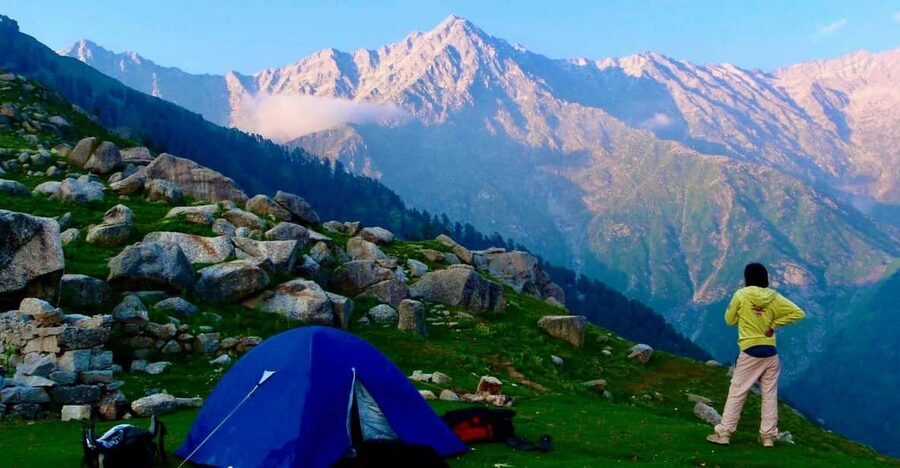
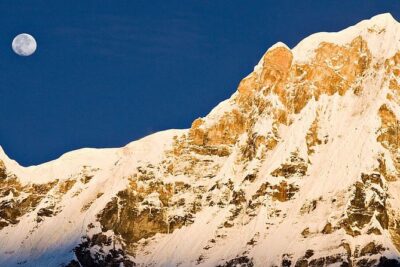
Day 2 starts early because sunrise is the main highlight. The timing is for a reason: you get to watch golden light wash over the mountain ranges, which is exactly the kind of payoff that makes an early start feel worth it.
After a hot breakfast, you head down. This descent is faster than Day 1, and the plan is to reach McLeod Ganj by early noon.
Sunrise views and why this morning feels different
I like sunrise treks because they force you to focus on the sky instead of the trail. It’s quieter, the air tends to feel fresher, and you’re not competing with the afternoon crowds at the viewpoints. Even if you’re not a morning person, the schedule here is tight enough that you still get your “big moment” without losing the whole day.
Stop back at the Bhagsunag waterfall and time in the Tibetan market
When you return, you’ll come through the waterfall area again. This time, you’re not doing the full grind; it’s a chance to linger, take photos, and check out the surroundings.
Then you get time in McLeod Ganj for culture and recovery. You can visit the local Tibetan market and an ancient temple. After that, your afternoon is free to rest, wander, and explore the city at your own speed.
This mix is a real reason the trek is worth it. You get the mountain payoff, then you come home with time for simple pleasures—tea, shopping, and not rushing to the airport or bus station.
Price and value: what you get for about $18
At around $18 per person for a 2-day guided trek, this stands out as a strong value—especially because the package includes more than just a walk.
What’s included:
- Dome tent accommodation (twin sharing)
- Veg meals: breakfast and dinner
- Permits
- Trek leader and support staff, plus a guide
- First aid medical kits and stretcher
- Washroom available
- All necessary permits (not just “some paperwork,” but the permits themselves)
What’s not included:
- Transportation to the starting area
- Hotel in Dharamsala
- Train ticket
- Extra meals outside what’s listed
- Porters/ponies (you carry your own bag)
- Forest entry fee
- Costs tied to bad weather, landslides, or road blocks
So, the deal is strongest if you’re already in the McLeod Ganj area (or can easily get there). If you’re coming from far away, your total cost will depend on transport. But even then, you’re still getting a well-packaged trek experience: guide, camp, meals, and safety gear.
Also keep your comfort math in mind. Because porters aren’t part of this package, you should travel light. If you try to carry too much, you’ll feel it in the steep sections.
Difficulty level: how “easy” it really is
Triund is often described as one of the easier Himalayan treks, and that’s mostly true compared to long multi-day routes. But the word easy can trick you.
Here’s the honest version: there are steep parts. People recommend a walking stick, and that’s good advice. One trekper even joked about using a stick to avoid a spill—exactly the kind of reassurance you want when the terrain varies.
If you’re comfortable walking uphill for hours and you have decent shoes, you’ll probably be okay. If you’re coming from flat ground and you hate stairs, you’ll likely struggle more than you expect—especially on Day 1.
What to bring (and what to skip)
Bring:
- Comfortable shoes with grip
- Warm clothing, especially for the camp night and early morning
- Camera
- Snacks and water (even if you can buy some during breaks)
Skip the heavy stuff. You want a load you can manage for two days, because there’s no pony/porter support for baggage.
Guides and the feel of the group experience
A big part of why this trek gets strong ratings is the people running it.
You might walk with different staff depending on your date, but there’s a pattern: the guides keep the experience moving and enjoyable. In one past group, the guide Shivam was singled out for making the trek feel magical, and that same group advice was clear—walking sticks help and the views are worth the effort.
Another group highlighted guide Anuc for being kind and making it easier to appreciate what you’re seeing. And there’s also mention of the owner Manu being friendly, which matters because a small personal touch at the start can set the tone for the whole trip.
I’d treat the guide quality as part of the value here. A good leader doesn’t change the mountains, but they can make the hike smoother, safer, and less boring.
Weather, delays, and safety reality checks
Even on a short trek, you’re in the Himalaya. Plans can shift if the weather turns or if there’s a landslide or road block. The package specifically notes expenses related to weather and natural disruptions are beyond control, so it’s smart to travel with some flexibility.
On the safety side, the trek includes first aid kits and a stretcher. That doesn’t mean you should act careless, but it does give you peace of mind that there’s support in place.
And because you’re carrying your own bag, use common sense: don’t overload, keep essentials accessible, and dress in layers so you can handle temperature swings through the day.
Who should book this trek?
This trek is best for you if:
- You want a short weekend Himalayan experience
- You like sunrise and big mountain views more than long technical hiking
- You can handle some steep uphill sections
- You don’t need a luxury hotel and you’re comfortable with camp life
It’s less ideal if:
- You’re a total beginner with low uphill stamina
- You want porter support for baggage
- You’re sensitive to cold at night and early morning (you can manage it with warm layers, but you do have to plan)
If you’re visiting McLeod Ganj and want a guided route that feels worthwhile without eating your entire weekend, Triund fits the bill.
Should you book? My honest call
Yes, you should book this if your goal is a memorable Himalayan viewpoint trip without a huge time commitment. The combination of Day 1 waterfall + camp night + Day 2 sunrise is a winning flow, and the package keeps the logistics simple by covering permits, meals, tents, and guide support.
If you’re on the fence because of fitness, don’t overthink it—just be honest about your comfort on steep trails. Bring trekking sticks, wear real shoes, pack warm layers, and keep your pace steady. You’ll still get the big views, and the short duration means you don’t have to sacrifice the rest of your trip to do it.
FAQ
How long is the Triund trek with Manu Adventures India?
The experience runs for 2 days.
Where do we meet for the trek?
You meet at the Manu Adventures India office at 10:00 am.
What’s included in the price?
The trek includes dome tent accommodation (twin sharing), veg meals (dinner and breakfast), permits, first aid kits and stretcher support, a professional mountaineering qualified trek leader, a guide, support staff, and washroom availability. Prices also note a forest entry fee is not included.
What meals are provided?
You get dinner on Day 1 and breakfast on Day 2. Other meals are not listed as included.
Do I need to arrange transport to McLeod Ganj?
Transportation is not included, so you’ll need to handle getting yourself to the starting area and returning afterward.
Is porter or pony support included for baggage?
No. Porters/ponies to carry your baggage are not included, so you carry your own items.
What should I bring for the trek?
Bring comfortable shoes, warm clothing, a camera, snacks, and water. Warm layers are especially useful for camping and early morning conditions.