REVIEW · KATHMANDU
Manaslu Circuit Trek 15 Days.
Book on Viator →Operated by Beyond The Limits Treks & Expedition P ltd · Bookable on Viator
A quieter trek with big-pass drama. The Manaslu Circuit balances mountain payoff with calmer, less-crowded days, plus forests, river valleys, and a mix of Nepalese and Tibetan culture. I love how the route builds from village trails and suspension bridges into higher alpine scenery, so the views feel earned, not just delivered.
What I also really liked is how much of the “paperwork and people” is handled for you. You get permits (including the Manaslu Special Permit, plus ACAP and MCAP), a trekking guide, and porter support, along with bus/jeep transfers. The main drawback to consider: this is real high-altitude trekking with long walk days, and the tour explicitly expects moderate physical fitness.
In This Review
- Key highlights worth your attention
- Why the Manaslu Circuit feels calmer than the bigger Nepal routes
- Price and what $1,395 covers (and what it doesn’t)
- Starting in Thamel: your Kathmandu first day and the briefing you need
- From Kathmandu to Arughat, then into Soti Khola by local jeep
- Machha Khola and Khola Bensi: the early trail gets you ready
- Jagat to Deng (with Saguleri views): a long, scenic push
- Namrung to Sho to Lho: alpine territory and Tibetan religious details
- Samagaon and the Lho-to-Shyala segment: mountain spotting in village rhythm
- The acclimatization day in Samagaon: rest, but choose your hike
- Samdo to Dharmasala: the trekking work increases and the terrain turns drier
- Larkya La Pass (Day 12): the main payoff day
- A smoother downhill stretch: Tilje and the Gurung village vibe on Day 13
- Tilje to Dharapani, then the jeep ride toward Beshisahar
- Back to Kathmandu: river drive memories on Day 15
- The guide and porter system: where safety and sanity come from
- Food and lodge life: B.L.D days make a difference
- Physical fitness: what moderate really means for this route
- Who should book this Manaslu Circuit 15-day plan
- Should you book Beyond The Limits Treks & Expedition for Manaslu?
- FAQ
- What is the highest point on this trek?
- How long is the Manaslu Circuit tour?
- Where does the trek start and end?
- Is airport pickup and drop-off included?
- What permits are included?
- Are meals included during the trek?
- What kind of hotel is included in Kathmandu?
- Is this a private tour?
- What fitness level do you need?
- What happens if the trek is canceled due to weather?
- Can I cancel for a full refund?
Key highlights worth your attention
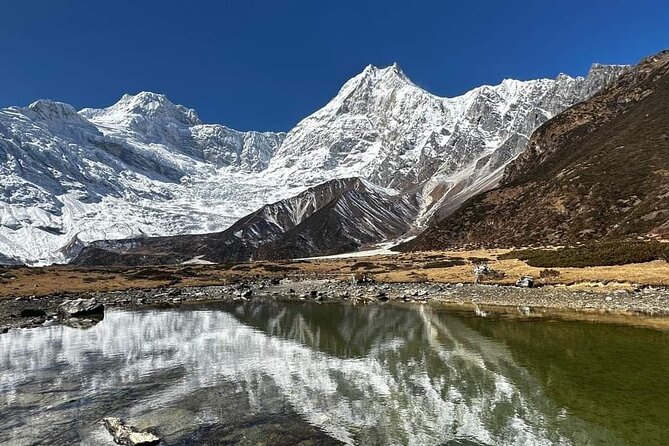
- Larkya La Pass (5167 m): the trek’s signature high point and major mental milestone
- Permits handled: Manaslu Special Permit, ACAP, and MCAP included
- Tibetan-influenced villages: Sho, Lho, Samagaon, Samdo, and monastery sights
- A sensible acclimatization day: rest day option before pushing toward higher terrain
- Guide + porter structure: you’re not left to figure it out alone on your own
- A less hectic alternative to Annapurna and Everest routes
Why the Manaslu Circuit feels calmer than the bigger Nepal routes
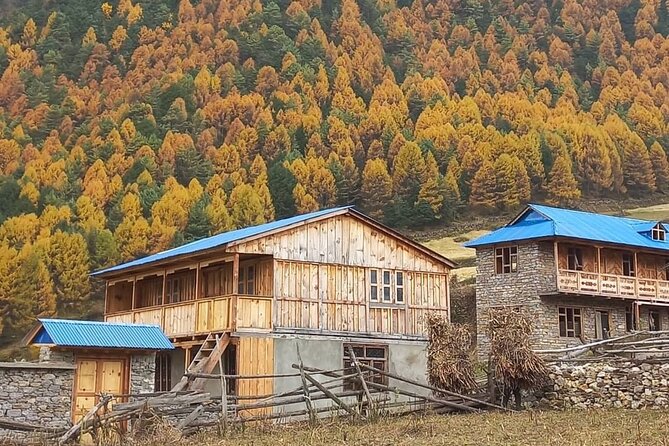
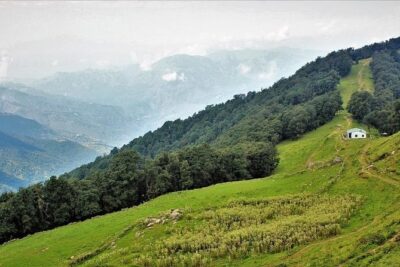
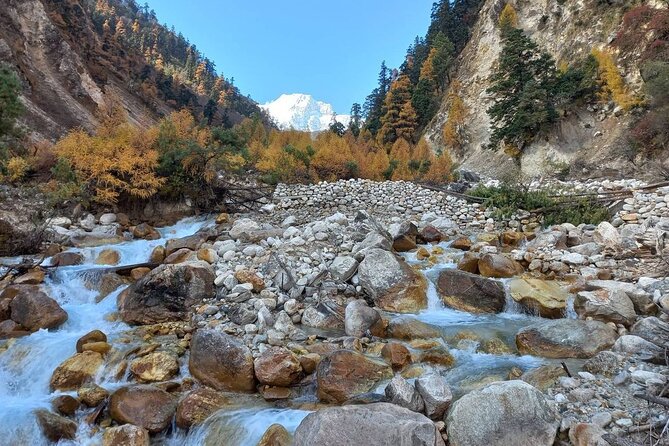
Manaslu is often sold as an alternative to the busier Annapurna and Everest areas, and you can see why. This circuit gives you a long arc of scenery: river crossings, forests, stone villages, and then alpine terrain that steadily changes the air and the mood of the trail. There’s a lot of time to notice what’s around you, not just what’s above you.
The cultural side matters too. You’re not stuck in one “single” Nepal. The Manaslu region is shaped by Nepalese and Tibetan ethnic groups, and the trekking route passes Tibetan-style villages and religious details like manis and chortens. On days around Lho and later near Samdo, the culture starts to feel more distinct from what you’ll see in Kathmandu.
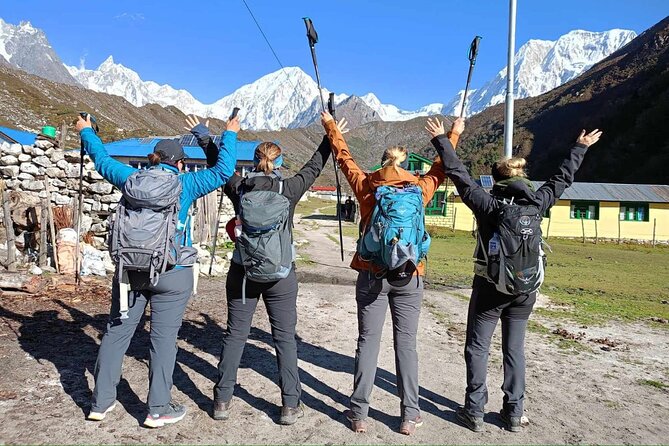
And yes, the mountains are the big reason you’ll say yes to this trek. Still, the route is built so that the mountain moments stack up slowly. Instead of one big photo day, you get a chain of mountain sightings—especially as you move toward the Larkya area and the later descent.
You can also read our reviews of more tours and experiences in Kathmandu.
Price and what $1,395 covers (and what it doesn’t)
At $1,395 per person, this trek is priced like a fully managed Nepal mountain holiday, not like a “buy a permit and good luck” situation. What’s included is a big part of the value: airport pickup and drop, Kathmandu hotel (3 nights) with breakfast, 12 nights in mountain lodges, a government-licensed guide, and a porter (between two clients). It also includes ground transportation by bus/jeep, plus all the government permits you need (ACAP, MCAP, and the Manaslu Special Permit).
You also get a detailed meal structure during the trek. The plan includes breakfast daily across the full 15 days, with lunch and dinner included on most trek nights (lunch 13 times, dinner 13 times). That matters because on remote trails, figuring out meals becomes part travel logistics and part guesswork.
What’s not included is where you should budget to avoid surprises. International airfare is on you. Meals in Kathmandu are not included, and drinks during the trek are not included. And you should set aside a plan for tips for your guide and porter, since those aren’t included either.
Starting in Thamel: your Kathmandu first day and the briefing you need
Day 1 is all about getting oriented in Kathmandu. You land at Tribhuvan International Airport and are met by staff from Beyond the Limits Treks and Expedition, then transferred to the hotel in a comfortable vehicle. You’ll spend the night at Royal suite Kathmandu with bed and breakfast, and there’s an itinerary briefing so the trek feels real before you start walking.
Thamel is a smart first base because it’s practical. You’ll be near public transportation, and you can handle last-minute needs without turning the first day into a scavenger hunt. The plan also notes you’ll get views of the Kathmandu valley while landing, which is a nice preview of how close the city is to dramatic terrain.
From Kathmandu to Arughat, then into Soti Khola by local jeep
Day 2 begins with a morning drive out of Kathmandu around 6:30 am, heading toward Arughat. From there, you take a local jeep and continue to Soti Khola, then sleep in a lodge.
This kind of “get moving, but don’t climb yet” transition is exactly what you want before the trek starts to stack real elevation. You’re leaving city life behind, but you’re not trying to muscle through steep climbs on day one of walking.
One small practical note: the route uses different vehicles in different segments (bus, then local jeep). That’s usually smoother than a single long ride, but it can still make you feel a little travel-sore. Plan on loosening up on the first trekking day’s legs rather than expecting them to feel perfect immediately.
Machha Khola and Khola Bensi: the early trail gets you ready
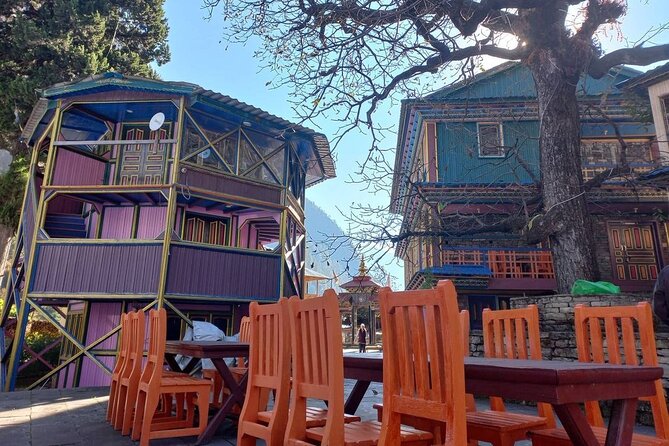
Day 3 takes you by bus to Machha Khola (around 6 hours). The lodge sleep here helps you settle into the rhythm: breakfast, walk time, then a real chance to recover before the next push.
Then Day 4 adds more texture to the trek. You pass Machha Khola, reach Khola Bensi and Tatopani, and switch via a suspension bridge. From there, the trail becomes more rugged and includes crossings like Doban, plus extensive gravel bed sections. It’s the kind of day where your feet tell you what kind of trekking shoes you bought.
The pay-off is you’ll also start getting glimpses of how the valley changes. You move toward Jagat, and that sets up the next day’s longer walking segment.
Jagat to Deng (with Saguleri views): a long, scenic push
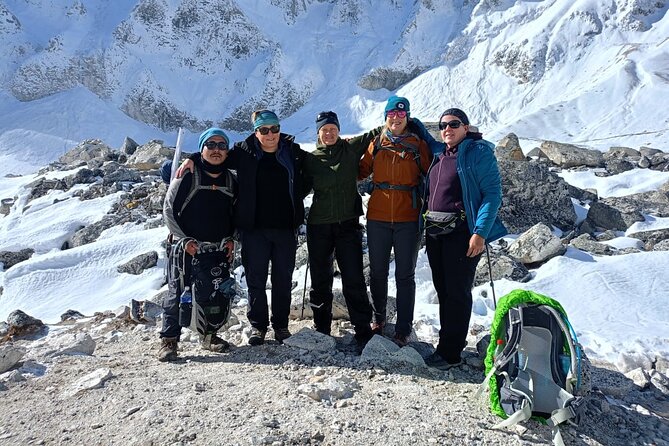
Day 5 is a heavy walk day (about 7 hours), with constant terrain change: upward and downward movement, river-side passing, and then an ascent toward Sagueleri. This is one of those segments where the trail avoids boredom. You’re repeatedly moving between vantage points and river crossings.
The plan also mentions you’ll capture sights of Sringi Himal from Sagueleri, then see Ganesh Himal as you pass Gata Khola. After scaling and descending through these river moments, you end in Deng for the night.
This is a good reminder for how to approach Manaslu: don’t just count hours, count changes. The route includes enough ups and downs that the “pace” feels different than a flat trail.
Namrung to Sho to Lho: alpine territory and Tibetan religious details
Day 6 takes you into alpine country, moving toward Namrung. The route describes mani walls and expanding mountain views, with the Buri Gandaki area on the way. You’ll also pass pastures and village scenery, which helps keep the day from feeling like straight ascent.
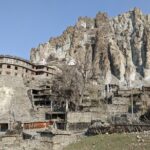
Day 7 continues the altitude story. You enter more elevated terrain and pass large streams flowing down toward Lindanda Glaciers. Then you arrive at Sho, a Tibetan village, and continue to Lho, where the plan highlights a monastery and manis/chortens.
This is one of the biggest “cultural shift” zones on the circuit. If you care about how religion and daily life blend into the landscape, this is where you’ll notice it.
Samagaon and the Lho-to-Shyala segment: mountain spotting in village rhythm
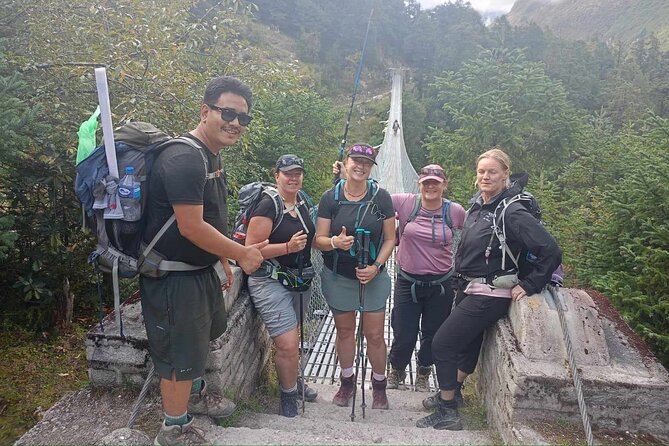
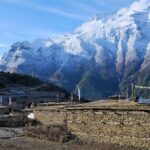
Day 8 moves you through a village sequence including Sho, Lho, and Shyala, and then you reach Samagaon. The plan mentions a right-side river view where you can observe 29 peaks, and it also lists standout mountains visible from around this area: Manaslu, Himal Chuli, Ngadi Chuli, and Ganesh Himal.
Even if you’re not a peak-spotting expert, the point is that the trail keeps offering sightlines. You’re not trudging through haze where nothing looks distinct.
Your night stays in a lodge with breakfast/lunch/dinner included on this plan (noted as B.L.D). Having meals handled here reduces decision fatigue, which is underrated when you’re tired.
The acclimatization day in Samagaon: rest, but choose your hike
Day 9 is your acclimatization day in an attractive village. It’s framed as a rest day, but you have options. The plan says you can hike to Manaslu Base Camp or Punggyen Gompa.
That’s a great setup for how acclimatization actually works in real trekking life. You can rest if you’re feeling off, or you can do a controlled shorter hike if you’re feeling strong. Either way, you gain confidence before the push toward higher terrain.
Samdo to Dharmasala: the trekking work increases and the terrain turns drier
Day 10 takes you from Samdo onward toward Dharmasala. It’s described as covering higher altitude, with views of Larkya Glacier and walking through juniper forests. You’ll ascend to Larke Phedi, again with a lodge night (B.L.D).
The key thing to understand: this isn’t a “one big climb” trek; it’s a series of altitude adjustments. The route keeps lifting you while giving you enough support (lodges, meals, guided route planning) to keep you safe.
Day 11 also includes the idea that the “difficulty adds” as you go. You’ll leave Samdo and climb through the juniper forests toward Larke Phedi, passing through a higher, harsher-feeling environment.
Larkya La Pass (Day 12): the main payoff day
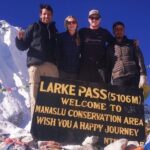
Day 12 is the trek’s highlight and longest walking day (about 8 hours). You start with views of Cho Danda and Larkya Peak, and then you climb gradually through snow-enclosed rock and intense Larkya La Pass crossing.
Even though the plan doesn’t give a minute-by-minute altitude profile, the message is clear: Day 12 is the big moment. This is where a calm, steady pace matters more than speed. The route then descends to Bimtang, ending the day with lodge accommodation (B.L.D noted).
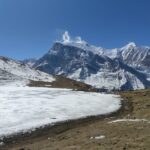
The view list is impressive and specific: you’ll observe Kangguru, Himlung, Annapurna II, Cheo, and later see Manaslu’s appearance from Bimtang. This is why people choose Manaslu instead of only Annapurna or Everest. The pass feels like a real achievement, and the sightlines are broad.
A smoother downhill stretch: Tilje and the Gurung village vibe on Day 13
Day 13 switches the tone. The plan says trekking downward toward Tilje makes you sense a trouble-less trek. You continue past forests and pasture land and arrive at Tilje, described as a Gurung village.
That matters because Tilje is a psychological reset. You’re coming off the pass, so the body is tired but the terrain is more forgiving. It’s the part of the trip that helps you enjoy the experience rather than just survive it.
Tilje to Dharapani, then the jeep ride toward Beshisahar
Day 14 brings you to Dharapani, and then you connect to the Annapurna Circuit trail. From there, you take a jeep to Beshisahar, experiencing snaking trails with mighty scenes along the drive. You sleep in a lodge overnight.
This day is a practical reward: after days of foot-only travel, you get a vehicle segment. It’s not a vacation from the physical demands, but it’s a welcome relief for knees and feet.
Back to Kathmandu: river drive memories on Day 15
Day 15 is the exit. You drive by jeep from Beshisahar back to Kathmandu, with relax time and views along the bank of the Marsyangdi and Trishuli rivers. Then the trip ends back at the meeting point in Kathmandu for onward travel.
It’s a good way to close the loop. You’re still moving through Nepal’s geography, but you’re no longer climbing toward a pass.
The guide and porter system: where safety and sanity come from
One of the best parts of this trek setup is that you’re not doing the complicated parts alone. The plan includes a government-licensed trekking guide and a porter shared between two clients.
That matters most on the high-stakes days. The circuit crosses significant terrain and hits the pass at 5167 meters, so route finding, pacing, and decision-making are not small tasks. A safety-conscious guide also keeps you from pushing too hard when altitude is doing its quiet work.
The experience feedback around this company highlights guides like Kumar Neupane and Jaya Gurung, plus experienced trip support roles including Dipendra and DB from other routes. The common thread: people describe good organization, thoughtful guidance, and a consultative style that helps nerves settle.
You’ll still want to stay responsible for your own body. But when the logistics and day-to-day navigation are handled, your brain can focus on breathing and footing.
Food and lodge life: B.L.D days make a difference
Your lodging is in mountain lodges for most trek nights (12 nights). The itinerary frequently notes B.L.D on trek days, and your Kathmandu hotel includes breakfast.
In real trekking terms, consistent meals mean you can plan your energy without bargaining each day for what might be available. The plan also includes tea/coffee style drinks as items you should budget for separately during the trek, since drinks aren’t included.
Packing tip that matters here: keep your water and snacks routine simple. If you rely on too many external options, you’ll waste energy asking and waiting.
Physical fitness: what moderate really means for this route
The tour says you should have moderate physical fitness level. For most people, that means you should be comfortable with multi-hour walking days and variable terrain, including rough sections like gravel beds and bridge crossings.
You should also be ready for longer days such as the one described as up to 7 hours (like the Jagat-to-Deng day) and the pass day around 8 hours. Acclimatization helps, and the itinerary includes a rest day option, but the route is still demanding.
If you’re a first-time high-altitude trekker, consider arriving in good condition and taking the acclimatization and pass day pacing seriously.
Who should book this Manaslu Circuit 15-day plan
This trek fits you if you want:
- A major high point trek with Larkya La Pass as the centerpiece
- Real village-to-village trekking with Tibetan-influenced stops
- A guided, permit-handled approach that removes the biggest administrative headaches
- A balance of mountain views and cultural details, not just “walk, reach summit, repeat”
It might not fit you if you dislike long walk days, rough footing, or if you’re not comfortable committing to a high pass trek.
Should you book Beyond The Limits Treks & Expedition for Manaslu?
If you want the Manaslu Circuit experience without needing to manage guides, permits, transport pieces, and the Kathmandu handoff yourself, this package makes a lot of sense. The inclusion of permits (ACAP, MCAP, and the Manaslu Special Permit) and the structured guide/porter setup are real value, especially on a remote route where mistakes get expensive fast.
I’d book this if you’re the kind of traveler who likes a clear plan, values safety-minded guidance, and wants authentic mountain villages more than a luxury travel bubble. Just be honest about your fitness and altitude readiness, because the pass day is the day that defines the story.
FAQ
What is the highest point on this trek?
The highest point is Larkya La Pass, at 5167 meters.
How long is the Manaslu Circuit tour?
The duration is 15 days (approx.).
Where does the trek start and end?
It starts and ends back at the meeting point: Beyond The Limits Treks and Expedition P. Ltd., Chaksibari Marg, Kathmandu, Nepal.
Is airport pickup and drop-off included?
Yes. Pickup from the international airport and the return drop-off are included.
What permits are included?
The price includes permits for ACAP, MCAP, and the Manaslu Special Permit.
Are meals included during the trek?
Breakfast is included for 15 days. Lunch is included 13 times, and dinner is included 13 times. Meals in Kathmandu are not included.
What kind of hotel is included in Kathmandu?
You stay 3 nights at Royal suite Kathmandu with bed and breakfast.
Is this a private tour?
Yes. It’s listed as a private tour/activity, and only your group participates.
What fitness level do you need?
The tour states you should have moderate physical fitness.
What happens if the trek is canceled due to weather?
The experience requires good weather. If it’s canceled due to poor weather, you’ll be offered a different date or a full refund.
Can I cancel for a full refund?
Yes, you can cancel up to 24 hours in advance for a full refund, based on the local time of the experience.