REVIEW · KATHMANDU
Annapurna Base Camp Trek
Book on Viator →Operated by Oriental Journeys · Bookable on Viator
Annapurna Base Camp changes your sense of scale. This 12-day trek through the Annapurna Sanctuary is one of those rare routes where waterfalls, terraced villages, and rhododendron forests keep showing up on the same day. You’ll walk a clockwise circuit from Nayapul up through Ulleri, Ghandruk, Chhomrong, Deurali, and finally to Base Camp, with time for Poon Hill along the way.
What I love most is the payoff: at Base Camp you get big mountain views, including Machhapuchhre and several Annapurna peaks, not just one dramatic frame. I also like the human side—Oriental Journeys runs a tight operation, and if you’re paired with an experienced English-speaking guide like Aneel, the days feel safer and more organized.
One possible drawback: you’re climbing into real altitude, and the trail can be slippery. Altitude is the main challenge, so you need a steady pace and smart rest days, especially as the air gets thinner.
In This Review
- Key Things That Make This Trek Worth Your Time
- Getting Started in Kathmandu (and the trip briefing you’ll actually use)
- From Nayapul to Ulleri and Ghandruk: first hits of village Nepal
- Ulleri to Chhomrong and the Gurung hospitality stop
- Chhomrong down the steps, across the bridge, into bamboo country
- Bamboo to Deurali: glacial river scenery and cold air creeping in
- Deurali to Annapurna Base Camp via Machhapuchhre Base Camp
- Base Camp morning photos, then the calm relief of retracing steps
- Bamboo to Chhomrong again, then Jhinu Danda hot springs
- Trek back to Siwai, then Pokhara: switching from steps to roads
- Kathmandu valley day: Pashupatinath, Boudhanath, Swayambhu, Durbar Square
- Price and value: what $1,440 per person actually buys you
- The practical reality: altitude, footing, weather, and what to pack
- Who this trek suits best (and who should think twice)
- Should you book Annapurna Base Camp with Oriental Journeys?
- FAQ
- How long is the Annapurna Base Camp trek?
- Where does the trek start?
- Is airport pickup and drop-off included?
- Do I get an English-speaking guide?
- Are meals included during the trek?
- Are domestic flights included?
- Is a hot shower included during the trek?
Key Things That Make This Trek Worth Your Time
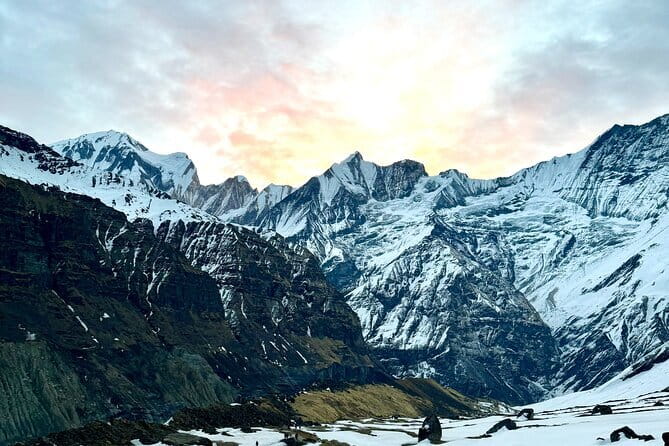
- Annapurna Sanctuary route, clockwise: you’re walking an iconic basin with glacier valleys, narrow river sections, and deep gorges.
- Poon Hill add-on: early views over the Annapurna range help you start the trip with that classic “I’m really here” feeling.
- Machhapuchhre Base Camp on the way: the trek to Base Camp runs via a highlight area with wide mountain perspectives.
- Teahouse nights (lodge-style stays): expect simple comfort, not luxury, but it keeps the schedule smooth.
- Jhinu Danda hot springs recovery: a bath after a stair-heavy day can do wonders for tired legs.
Getting Started in Kathmandu (and the trip briefing you’ll actually use)
Day 1 is all about getting you settled and oriented. After you land at Tribhuvan International Airport in Kathmandu, you’ll meet a representative from Oriental Journeys and transfer to your hotel in Thame, then get a trekking briefing with your guide.
This matters more than it sounds. A good briefing helps you understand what’s coming: altitude expectations, daily timing, and the reality that you’ll spend a lot of time on foot before you see the big final views. Also, having an English-speaking guide from the start means you can ask the questions that pop up right away.
Day 2 flips you from city mode into mountain mode. You’ll fly about 30 minutes to Pokhara, then transfer by private vehicle to Nayapul. From there it’s local transport to Ulleri before your first real uphill trek day kicks off.
You can also read our reviews of more tours and experiences in Kathmandu.

From Nayapul to Ulleri and Ghandruk: first hits of village Nepal
This trek starts at Nayapul area and climbs into the lower villages quickly enough that you feel the rhythm right away. Your Day 2 trek goes from Ulleri up to Fat Ghandruk (about 1,940 meters), and you’ll sleep in a teahouse lodge.
Ghandruk is a great early stop because it puts you in an actual trekking rhythm: trails that rise, a mix of farm terraces and village life, and viewpoints that feel earned. You’re not yet at the height where everything becomes difficult, but you are already adjusting to cooler air and more direct mountain light.
The itinerary keeps the cultural side strong here. On the next day, you’ll pass through areas tied to the Gurung community, where village life and hospitality are part of the trail experience, not just background scenery.
Ulleri to Chhomrong and the Gurung hospitality stop
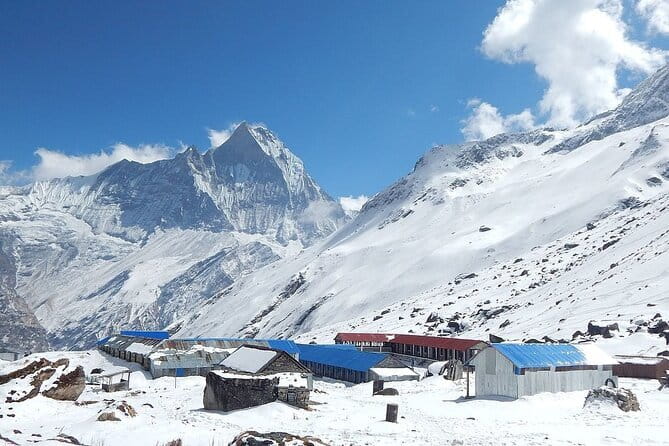
On Day 3, you’ll keep trekking after breakfast and spend the night at a local lodge in Chhomrong. The route here brings you through friendly villages and emphasizes Gurung culture alongside the natural scenery.
Chhomrong is one of those “you understand scale here” places. The views start to feel deeper, and you begin to notice how quickly weather can change from valley warmth to hillside chill. It’s also where your body starts paying attention to stairs and footing—especially when conditions are damp.
If you’re hoping to learn a little about local life, this is the part where it clicks. You’ll likely see how terraced farming supports the villages, and how the teahouse economy depends on trekkers coming through.
Chhomrong down the steps, across the bridge, into bamboo country
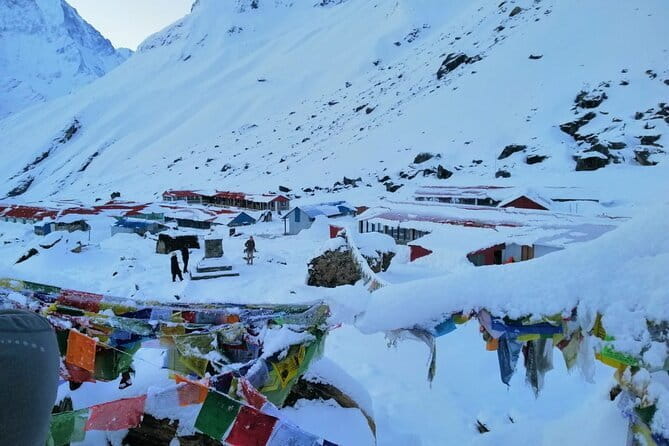
Day 4 is about descent first, then rebuild your legs for the next rise. You’ll go downhill via about 2,500 stone steps from Chhomrong, cross the Chhomrong Khola on a suspension bridge, then continue with a mix of uphill near Sinuwa and forest walking toward Kuldihar and Bamboo.
This is a long day, but it’s a useful one. The bridge crossing and step descent teach you a key trekking skill fast: control your pace and keep your eyes on stable footing. If you rush, you’ll feel it later, especially on slippery days.
Then comes the transition into bamboo forest. Bamboo isn’t just “pretty vegetation” here—it’s damp, cooler, and it changes the soundscape of your day, like the trail absorbs noise. You sleep in Bamboo at the end of Day 4.
Bamboo to Deurali: glacial river scenery and cold air creeping in
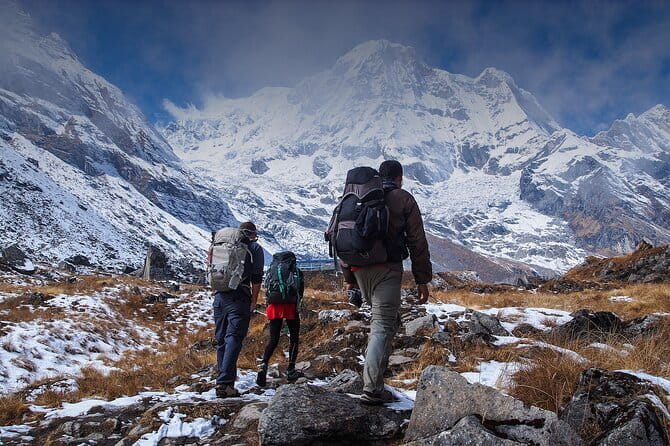
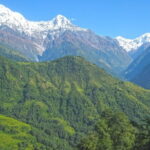
Day 5 continues through damp and cold bamboo forest early, then starts rewarding you with views of the glacial river and steep rock faces above with wispy waterfalls. You’ll also have the option to visit Hinku Cave along the way, and the trek keeps climbing toward Deurali.
This is where your packing choices start to matter. If your layers aren’t set up well, the mornings and shaded stretches can feel brutally cold. The good news: once you start moving steadily, the effort helps you warm up, even if the air stays thin and brisk.
Deurali is also a mental checkpoint. You’re nearing the higher, more exposed part of the trek where clouds can change how much you see. You sleep in Deurali after a day that mixes river scenery, cave time, and real uphill effort.
Deurali to Annapurna Base Camp via Machhapuchhre Base Camp
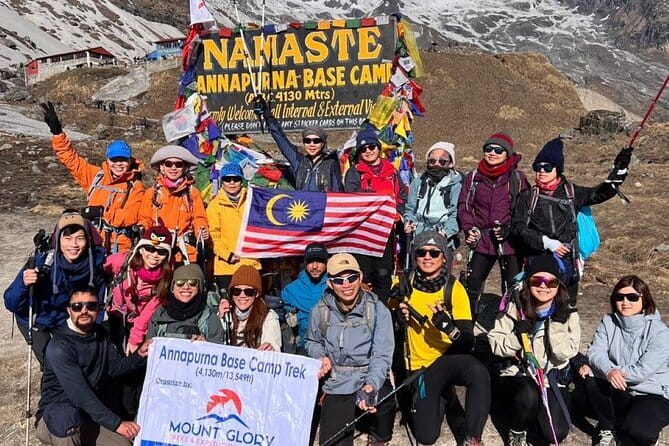
Day 6 is the big ascent day. You’ll hike from Deurali to Annapurna Base Camp (about 4,130 meters) via Machhapuchhre Base Camp (around 3,700 meters). The walk is listed around 5 to 6 hours, and it’s a mix of gentle climbing through a riverbed section and steeper trail work along the mountainside.
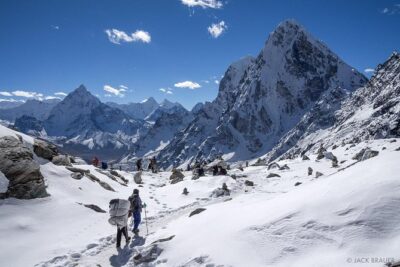
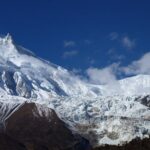
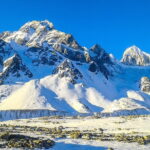
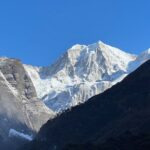
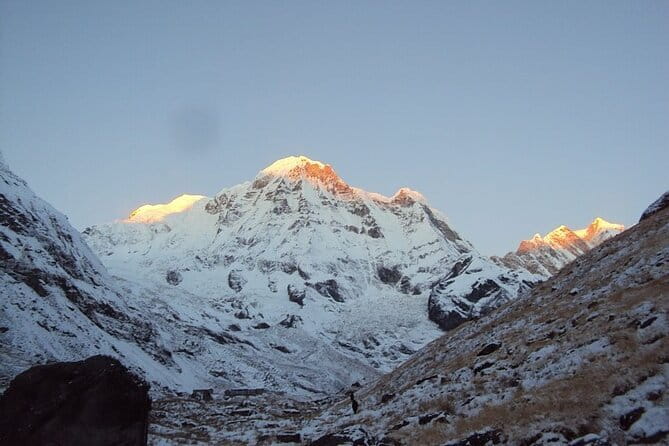
This is the day most people remember for the views. The route brings you past Machhapuchhre Base Camp, and you’re set up to see Machhapuchhre itself plus other peaks like Hiunchuli, Annapurna South, Annapurna I, Annapurna III, Gandharvachuli, and Gangapurna.
Two practical points here:
- Go slow enough that you can breathe comfortably. This trek is a moderate grade, but altitude turns “moderate” into “serious” fast.
- Keep water and snacks coming. Thin air makes you feel hungry in a different way, and you’ll want energy for the final approach.
You’ll overnight at Annapurna Base Camp. Even if you don’t feel like a photographer in the moment, you’ll likely want a long look around once you’re there.
Base Camp morning photos, then the calm relief of retracing steps
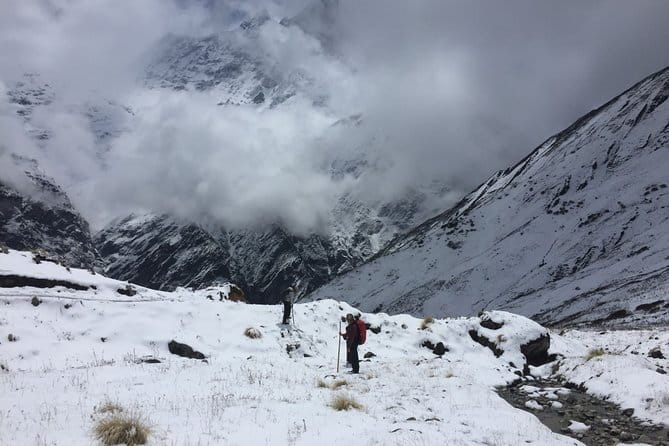
Day 7 starts with time for morning photos after breakfast. Then you retrace your steps back from Annapurna to Bamboo, which the itinerary calls an easier downhill walk.
Downhill days can feel easier in your mind, but they still test your knees and control. Watch your steps, especially where trail surfaces look smooth or damp. If it’s wet, treat every step like it’s the last one you’ll want to slip on.
The upside is big. After spending time at Base Camp, returning through the same dramatic corridors gives you a different appreciation for how the mountains “stack” in view. You’ll stay in Bamboo again overnight.
Bamboo to Chhomrong again, then Jhinu Danda hot springs
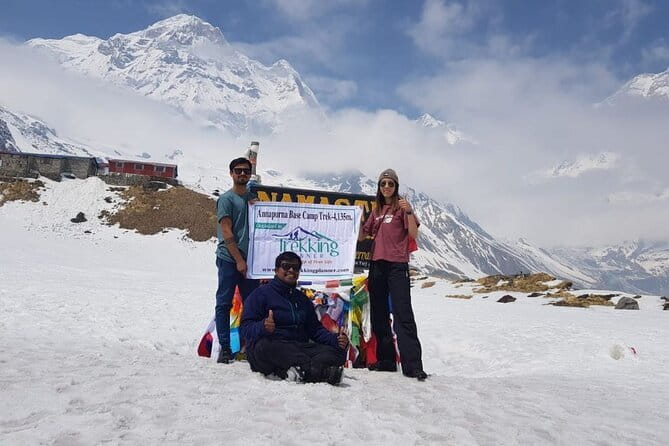
Day 8 brings a full day of ups and downs. You’ll go from Bamboo toward Kuldighar uphill, then down toward Chhomrong Khola, climb again to Chhomrong, and finally descend to Jhinu Danda.
This day is a perfect example of why trekking circuits work. It’s not just “same trail twice,” because your body and the weather feel different each time. The flora and fauna along the route also help keep your attention from drifting.
Then comes the best reward after a long walking day: Jhinu Danda hot spring time. After you check into your lodge, you can walk down a few minutes for a hot spring bath. That warm water can help you loosen stiff muscles and reset you for the transfer day.
Trek back to Siwai, then Pokhara: switching from steps to roads
Day 9 is your trekking-to-transport transition. You’ll trek down to Siwai, then catch a vehicle from there to Pokhara.
This day is about rhythm change. In the mountains you think about pace and footing; in Pokhara you’ll start thinking about rest, food choices, and how quickly your body returns to sitting still. It’s also a useful checkpoint because you’ll realize just how much walking you actually did over the past week and change.
Day 10 continues with Kathmandu. You’ll move to Kathmandu in the morning by flight or by driving, with driving listed as a 5 to 6 hour transfer. If you fly, you may fit in some Kathmandu time that same day.
Kathmandu valley day: Pashupatinath, Boudhanath, Swayambhu, Durbar Square
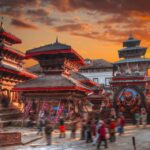
Day 11 is a full day Kathmandu Valley tour with an English speaking tour guide from Oriental Journeys. You’ll visit major UNESCO World Heritage sites: Pashupatinath, Boudhanath, Swayambhu, and Kathmandu Durbar Square.
This is a smart pairing after a trek. The physical challenge fades, and you get a different kind of scale—big temples, busy courtyards, and old urban layouts. It’s also a chance to learn something without strenuous hiking stress.
If you like photos, this day can be your “one day city break” to contrast with the trek. Bring patience for crowds and keep your schedule flexible enough to watch ceremonies and people moving through the space.
Day 12 wraps things up with farewell and final departure from Tribhuvan International Airport.
Price and value: what $1,440 per person actually buys you
At $1,440 per person, this is not a bargain trek, but it also isn’t inflated for what’s included. The key value points are that you’re paying for real support: airport picks up and drops, 2 nights in Kathmandu on bed and breakfast, an English speaking guide, government local taxes, Annapurna Conservation Area fees, and TIMS (Trekker’s information Management System) card.
You also get lodging during the trek on the guest house/lodge plan as listed, plus meals coverage: breakfast is included for 7 days, and lunch is included for 2 days and dinner for 4 days (with the rest of your trekking-day meals not covered in the included list). That combination matters because trekking food is often where costs and quality can vary.
What’s not included is also important for your budget planning. Domestic flights aren’t included, trekking equipment is personal, and hot shower during the trek is not included. Alcohol and laundry are also on your own tab, and tips and gratuities aren’t included.
Finally, the porter topic is something you should plan around. The package notes necessary porter 1:2 (one porter for two guests), but it’s listed under not included—so you’ll want to confirm how porter arrangements are handled in your specific booking. The porter can carry up to 30kg of luggage, which is a big deal on a trek like this.
The practical reality: altitude, footing, weather, and what to pack
The trek is described as moderate grade, but you still need to respect altitude. Higher elevations can make you feel slower and more breathless even when the trail is not technically hard. That’s why pacing matters more than bravado.
The route is also noted as slippery at times. Stone steps, wet dirt, and forest shade can all turn into slippery footing when conditions are damp. When weather is uncertain, treat every downhill as a careful work session for your balance.
Packing is taken seriously in the included guidance. You’ll want warm clothes like a down jacket, warm hat, gloves, warm socks, trekking boots, and layers like thermal garments and fleece. A goretex jacket and headlight are also listed, along with sunglasses and sunscreen/cold creams.
If you’re thinking about health fit, the package also flags some clear situations:
- Persons with back problems are not recommended.
- People with heart complaints or other serious medical conditions should not take part.
- Pregnant women are not recommended.
- It’s not accessible for wheelchair users.
Also note: operations are in all weather conditions, so dress appropriately and don’t assume every day will be clear and calm.
Who this trek suits best (and who should think twice)
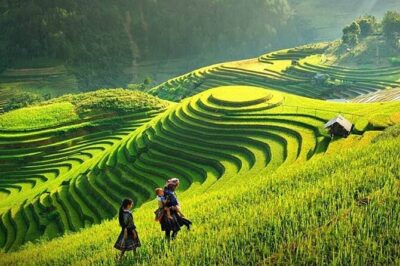
This trek suits people who want a classic Nepal trek with real scenery variety: terraced farmland, waterfalls, ethnic villages, and rhododendron forests along the way. It’s also for you if you want a structured plan with an English speaking guide and the major permits handled, including Annapurna Conservation Area fees and TIMS.
You’ll enjoy it most if you’re comfortable walking day after day and you can handle altitude with a steady pace. The circuit includes a lot of walking time, and even the “easier downhill” sections still require attention and careful footing.
If you want to keep it comfortable, the teahouse style is simple and functional. You should go in expecting basic lodging rather than modern comforts like hot showers.
Should you book Annapurna Base Camp with Oriental Journeys?
I’d book this trek if you want a well-supported Annapurna Sanctuary circuit with a guide, permits handled, and time for classic highlights like Machhapuchhre views, Poon Hill, and Jhinu hot springs. The value comes from the structure: transfers, lodging, an English speaking guide, and the conservation and TIMS setup.
Skip it or ask a lot of questions first if you know your body struggles with altitude, your health limits long walking, or you’re not ready for cold nights and potentially slippery trails. With the right gear and pacing, this is the kind of trip that stays with you long after your feet stop feeling sore.
FAQ
How long is the Annapurna Base Camp trek?
The trek is listed as 12 days approximately, plus it includes Kathmandu time before and after the walking.
Where does the trek start?
The trek route starts from the Nayapul area, with the walking beginning after getting to Ulleri.
Is airport pickup and drop-off included?
Yes. International airport pickup and drop-off are included.
Do I get an English-speaking guide?
Yes. An English-speaking guide is included during the trekking.
Are meals included during the trek?
Breakfast is included for 7 days, lunch is included for 2 days, and dinner is included for 4 days. Other meals are not listed as included, and tea or coffee with meals is not specified as included.
Are domestic flights included?
No. Domestic flights are not included.
Is a hot shower included during the trek?
Hot shower during the trek is not included.