REVIEW · KATHMANDU
Everest Gokyo Lake Trek
Book on Viator →Operated by Accessible Adventure Pvt. Ltd · Bookable on Viator
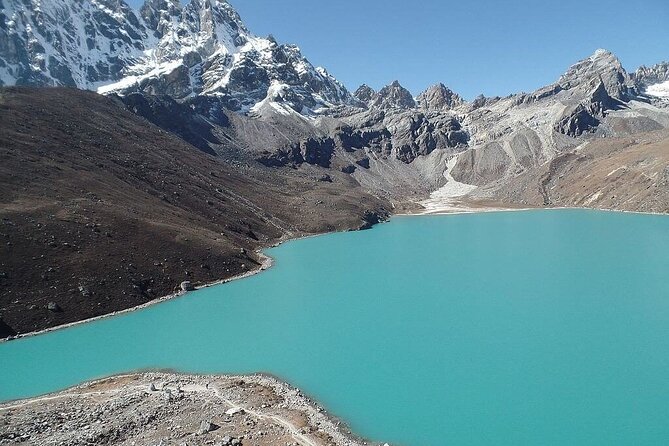
One mountain view, then another, then another. This Everest Gokyo Lake Trek is all about the Gokyo Lakes turquoise color, the sharp skyline of 8000-meter peaks, and that extra push up to Gokyo Ri for big panoramas.
I love two things most. First, you get genuine time at Namche and on the acclimatization hikes, not just a rushed “walk and hope” plan. Second, the trek focuses on the best parts of the Gokyo Valley—especially the third, fourth, and fifth lakes plus the hike up to the ridgeline for lake-and-peak sightlines.
One thing to consider: you’ll be relying on a domestic flight into and out of Lukla, and mountain weather can affect schedules. Also, the steep bits (like climbing up to the lake areas) mean you’ll want solid walking fitness and good trekking pace management.
In This Review
- Key highlights you should care about
- Gokyo Lakes instead of the usual Everest checklist
- What you’ll actually see
- Kathmandu start: a calm launch into the mountains
- Small practical tip
- The Lukla flight: part of the adventure, part of the risk
- Day-by-day: what each stage is really doing for you
- Day 1: Arrive and settle
- Day 2: Lukla to Phakding through green Khumbu
- Day 3: Namche Bazar acclimatization and first Everest peeks
- Day 4: Everest View Hotel and the museum stops
- Day 5: Forest climbing to Dole (and that Irish Pub reference)
- Day 6: The first big lake experience—into Gokyo Valley
- Day 7: Gokyo Ri early wake for the big panorama
- Day 8: Downhill day with Cho Oyu back-views and connections to the Everest trail
- Day 9: Namche to Lukla, back through the Dudh Koshi river crossings
- Day 10: Lukla to Kathmandu and a Thamel farewell dinner
- Day 11: Departure day with airport transfer help
- The comfort and logistics that make the trek easier on your brain
- Lodges and bathrooms where it counts
- Gear that reduces your packing burden
- The staff: guides and porters you can actually rely on
- How the price stacks up for what you’re getting
- Who this trek fits best
- Should you book the Everest Gokyo Lake Trek?
- FAQ
- Is pickup included?
- Where does the trek start and end?
- What time does the activity start?
- How long is the trek?
- What is the group size limit?
- Is airfare included?
- Are permits included?
- What accommodation is included?
- Are meals included during the trek?
- Is there free cancellation?
- Is this trek suitable for beginners?
Key highlights you should care about
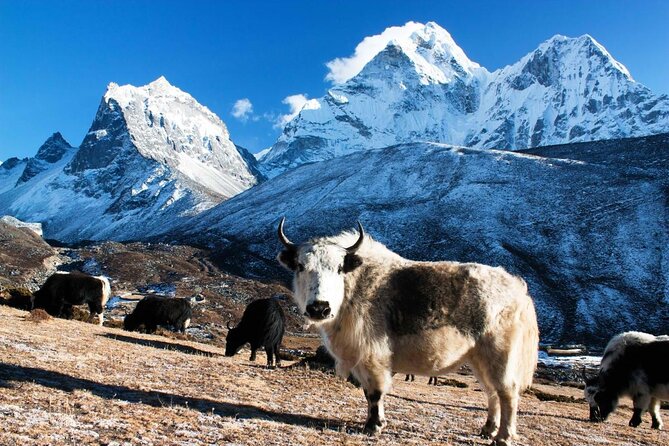
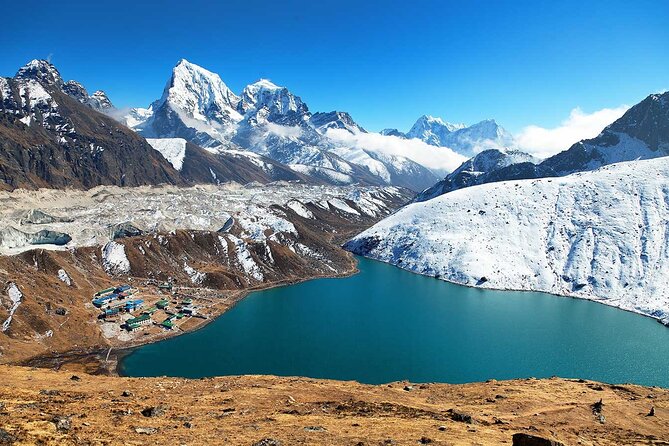
- Gokyo’s top lakes, not a scattershot route: you’ll visit the third to fifth lakes (including Dudh Pokhari, Thonak Tsho, and Ngozumpa Tsho) as the main show.
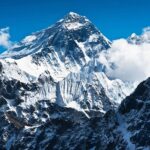
- Gokyo Ri for the “all directions” panorama: early wake-up climb gives sweeping views of Everest, Cho Oyu, Lhotse, Makalu, and more.
- Serious acclimatization built in: you’ll spend time in Namche and do additional altitude hikes like the Everest View Hotel area.
- More than lakes and peaks: you’ll also walk by Ngozumpa Glacier and hear story-telling on the trail, including a Bigfoot/Yeti-style theme.
- Private bathrooms at key stops: Phakding, Namche, and Lukla include private bathroom facilities (a big comfort upgrade for many trekkers).
- Organization that shows up in the details: guides and porters are a central part of the experience, and multiple past trekkers praised how helpful and responsive the team was.
Gokyo Lakes instead of the usual Everest checklist
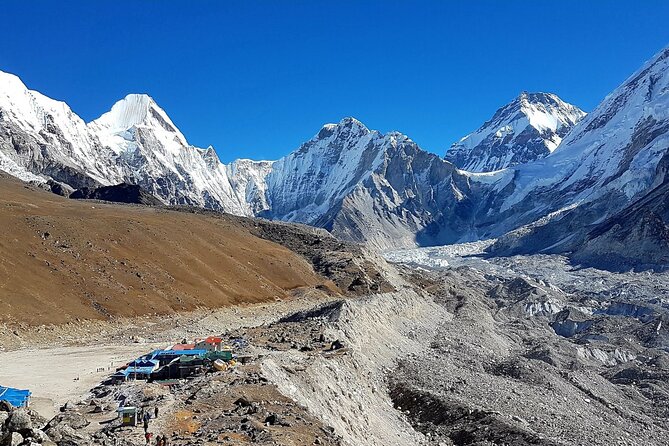
If you’re picking the Everest region because you want iconic high peaks, this trek makes a smart choice. Instead of making your whole trip about just one famous viewpoint, you spend your days in the Gokyo Valley where the mountains rise straight from the walls of the sky—and the lakes do that unreal turquoise thing that looks fake until you’re standing there.
I also like the way the route builds the trip around views you can earn. You don’t just walk to a single viewpoint and call it done. You gain elevation in steps, then the itinerary pays you back: a ridge climb for lake-and-peak sightlines, a major early start for Gokyo Ri, and a later downhill day that keeps bringing peaks back into view from new angles.
You can also read our reviews of more tours and experiences in Kathmandu.
What you’ll actually see
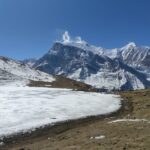
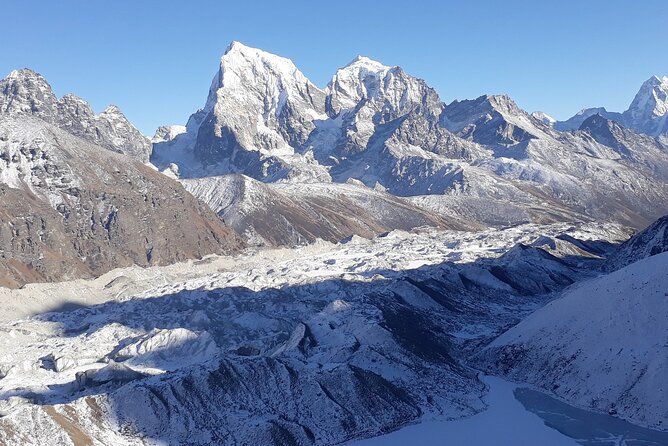
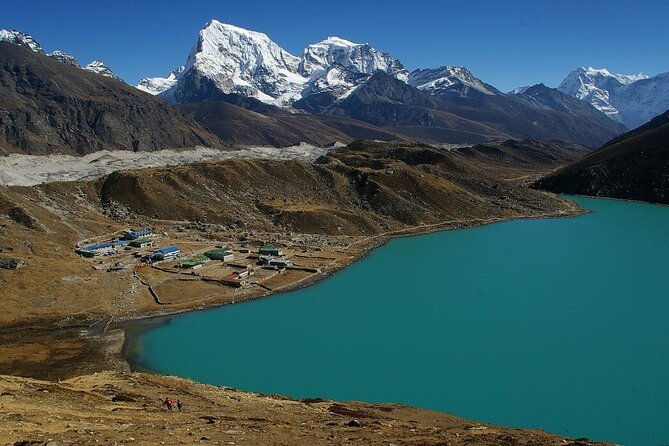
The Gokyo Lakes area is built around a chain of lakes in the valley. This trek highlights the third lake Dudh Pokhari, the fourth lake Thonak Tsho, and the fifth lake Ngozumpa Tsho as core attractions, plus time to enjoy the valley’s glacial feel. Then Gokyo Ri sits above it all, with the big “wide world” perspective over the Mahalangur range.
Kathmandu start: a calm launch into the mountains
Your trip starts in Kathmandu at Tribhuvan International Airport, with an airport representative meeting you and transferring you to your hotel in a private tourist vehicle. Two nights are included in a 3-star hotel with breakfast, which matters more than people expect. Jet-lag is real, and having a proper base day at the start helps you walk better during the first trekking stages.
You’ll also find that the trek organization here tries to reduce decision fatigue. Ground transport is handled, and later you’ll get help checking in and preparing for the domestic flight phase. One day includes a farewell dinner near Thamel, which is a nice way to close the loop with Nepalese culture and food.
Small practical tip
Use Kathmandu time for “tiny errands” like checking your gear, charging batteries, and doing laundry if you need it. When you’re going from city comfort to lodge life, even one missing item can become a distraction later.
The Lukla flight: part of the adventure, part of the risk
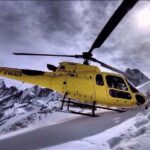
This itinerary includes round-trip flights Kathmandu–Lukla and Lukla–Kathmandu, plus departure taxes. That means you avoid an extra day (or more) of hiking before and after the trek, and you’ll reach the Khumbu region quickly.
But flights into Lukla come with mountain reality: they depend on weather and schedules. If you’re the type who hates uncertainty, this is the one place where the trip can feel less “controlled” than the rest of the plan. The upside is that once flights go smoothly, the whole trek feels more focused and efficient.
Day-by-day: what each stage is really doing for you
Day 1: Arrive and settle
You land, meet the airport rep, and ride to your hotel. The included setup is simple: get rest, get organized, and don’t overdo sightseeing if altitude is on your mind.
Day 2: Lukla to Phakding through green Khumbu
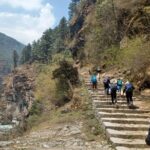
You start early with the trek out of Lukla toward Phakding, described with a firsthand feel: the Lukla runway experience is iconic, and the trek begins with green, forested scenery and views like Kusum Kangraru. This is a “get your legs working” day, not a finish-line day.
Why it’s valuable: walking into the valley gives your body a gentler rhythm before you push higher.
Day 3: Namche Bazar acclimatization and first Everest peeks
You’ll follow the Dudh Koshi up through pine and cedar forests to Namche Bazaar, a historic trading post. This is also where you start getting the “Everest region” mood: traders, shops, local life, and the mountains gradually appearing through the day.
Namche is a key part of this trek. You’ll spend two days here for acclimatization, plus market time and team time. The itinerary also notes early glimpses of Everest and nearby peaks on the hike.
What I like: Namche isn’t just a checkpoint; it’s part culture, part altitude strategy.
Day 4: Everest View Hotel and the museum stops
This is your structured acclimatization day. You hike to Syangboche Airport (3700m)—often billed as the highest airport in the world—then continue to Everest View Hotel for panoramic views of Everest, Lhotse, Ama Dablam, and more.
On the way back, you’ll visit the Sherpa Culture Museum and the Everest Photo Gallery.
Why this matters for value: it keeps your day from becoming only breathing practice. Even if the clouds shift, you’re still getting cultural context and a sense of the region’s relationship to high-mountain life.
Day 5: Forest climbing to Dole (and that Irish Pub reference)
Today you move through rhododendron forests and higher vegetation zones. The itinerary references juniper and large conifers as elevation rises, with a route through Kharkas—seasonal high pastures used when herds are grazed.
Stops named in the plan include Tongba (3950m) and Gyele (3960m) before reaching Dole, where there are few hotels. Views like Khumbila and Tawache (6542m) are described as incredible through the day.
The day title mentions an Irish Pub, which tells you the route includes a familiar lodge stop area where trekkers often gather for tea and stories. It’s not the point of the trek, but it can be a helpful mental break.
Day 6: The first big lake experience—into Gokyo Valley
This is the turning day where the trek shifts from “climb toward Gokyo” to “you’re here.” You’ll climb a ridge for a view both up toward Cho Oyu (8201m) and down the valley, then descend and begin the steeper work toward the terminal moraine of the Ngozumpa Glacier.
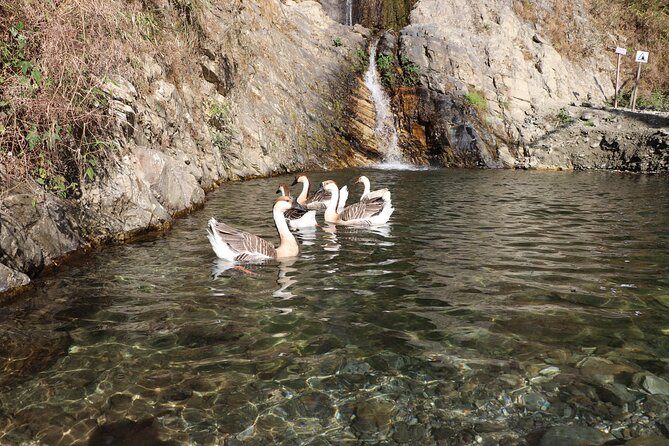
From there, you climb with switchbacks alongside a stream to reach the first small lake around 4650m, with a noted detail: a family of green ducks. That kind of small, real moment is why Gokyo can feel more personal than the larger, crowded-peak circuits.
Why it’s valuable: you’re learning the terrain in layers—ridge, valley, moraine—so later lake views feel like they “click” into place.
Day 7: Gokyo Ri early wake for the big panorama
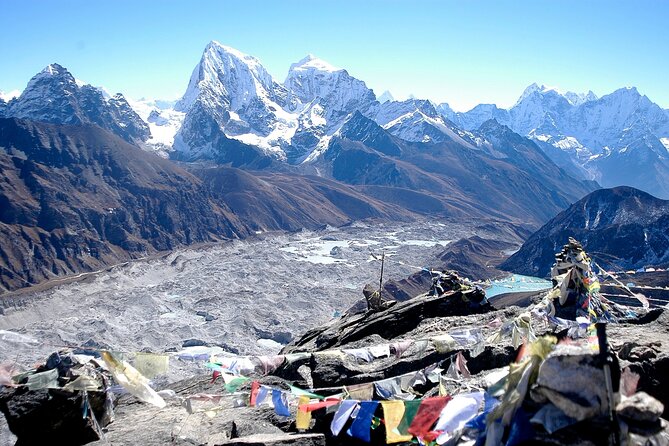
Early wake-up and a climb to Gokyo Ri is the headline day. The plan says it takes about two hours up to reach the top, then gives panoramic views of major peaks: Cho Oyu, Gyachung Kang, Everest, Lhotse, Makalu, Cholatse, Tawache, plus a strong look at Ngozumpa Glacier.
The itinerary also calls Ngozumpa Glacier the largest glacier in Nepal. Even if you treat that as a “local superlative,” it’s still a huge glacial setting you’ll notice immediately once you’re up there.
Practical reality: this day is about timing. You want your headlamp energy ready and your pace steady. Don’t sprint. Save your breath for the last stretch.
Day 8: Downhill day with Cho Oyu back-views and connections to the Everest trail
After Gokyo Ri, the trek follows downhill patterns. The itinerary notes opportunities to see snowcapped peaks like Amadablam and Tawache, plus a far view of Tengboche from Mongla.
You also get spring-season details—waterfalls and rhododendron flowering are specifically mentioned. Then the route continues toward Sansa, which connects you back to the main Everest trail into Namche.
Why this day matters: you’ll often see different versions of the mountains on the way down. Peaks can suddenly frame themselves between ridges, and it feels like the scenery is changing its mind about where it wants to show you the best angles.
Day 9: Namche to Lukla, back through the Dudh Koshi river crossings
You’ll do the return route with multiple suspension bridge crossings over Dudh Koshi, reaching Jorsale, where greenery and density increase as elevation drops.
The itinerary also mentions Everest souvenir shopping in Namche and the fact that a big Saturday market happens there (market goods geared toward trekking and climbing are traded). So if you time your trek to a Saturday, you’ll get a practical shopping bonus.
Day 10: Lukla to Kathmandu and a Thamel farewell dinner
You take a morning flight from Lukla to Kathmandu when scheduled for clear weather. Then you check into your hotel again and enjoy a farewell dinner near Thamel. Breakfast and dinner are included for this day.
This is also where you’ll feel the trek catch up with you. It’s a good day to keep your plans light and avoid long walks around the city just because you can.
Day 11: Departure day with airport transfer help
Your final day is straightforward. An office representative helps you transfer to the international airport about 3 hours before your scheduled flight. Today includes breakfast.
The comfort and logistics that make the trek easier on your brain
This trek includes a lot of the practical stuff that helps you focus on walking and views.
Lodges and bathrooms where it counts
Accommodation during the trek uses best available twin sharing lodges, plus private bathrooms in Phakding, Namche, and Lukla. That’s a real quality-of-life win because the trek includes multiple lodge nights, and not all routes offer consistent bathroom comfort.
Gear that reduces your packing burden
Down jacket and sleeping bag use while trekking are included. It can save you money and stress if you don’t want to rent or buy gear before arriving in Nepal.
You’ll also get a trekking map and a trip achievement certificate, plus a duffle bag, and a first aid medicine kit is included as part of the outfitter setup.
The staff: guides and porters you can actually rely on
The trip includes one highly experienced guide plus porters with a ratio of 1 porter for two people. Accident insurance for staff is included, and the plan notes that porter equipment and staff support costs are covered.
In past experiences with this company, people singled out helpful guidance and smooth teamwork, including names like Shiva (guide) and Shobit (porter). Other past mentions include Hari Kunar Shresta for responsive support, plus guides such as Himal, and team members like Lok. I can’t promise who you’ll get, but the repeated pattern is clear: the operation leans on real Sherpa guidance and dependable porter support, not just a generic “someone shows up.”
How the price stacks up for what you’re getting
This trek is priced at $1,290 per person for about 11 days in the Everest region. That number may look like a lot at first glance—until you list what’s being handled for you.
You’re not just paying for a guide and a path. You’re also getting:
- Round-trip flights to Lukla
- Private vehicle airport transfers in Kathmandu
- Two nights in Kathmandu at a 3-star hotel with breakfast
- Trekking permits including Sagarmatha National Park permit and TIMS fee
- Gear support like down jacket and sleeping bag use
- Lodge accommodations with twin sharing and private bathrooms at key stops
- A guide-led, structured itinerary with acclimatization time
What’s not included is also clear: three daily meals with tea/coffee during the trek aren’t included, and you should plan for tips/gratuities, possible fuel surcharge, and taxes like GST.
So in value terms, this feels best for you if you want the trip organized end-to-end so you can concentrate on walking and views. If you’re the type who wants to micromanage every part yourself, you might prefer a more DIY setup.
Who this trek fits best
This plan states moderate physical fitness is needed. In plain terms: you should be comfortable hiking daily with uphill segments, plus early starts.
It also suits you if:
- You want big Himalayan panoramas but prefer the lakes and ridgelines over only one iconic basepoint.
- You like having time in Namche rather than only moving on the days you arrive.
- You care about comfort details like private bathrooms at several lodge towns.
If you’re dealing with health constraints, or if you’re brand-new to altitude trekking, you’ll want to talk with a medical professional before committing.
Should you book the Everest Gokyo Lake Trek?
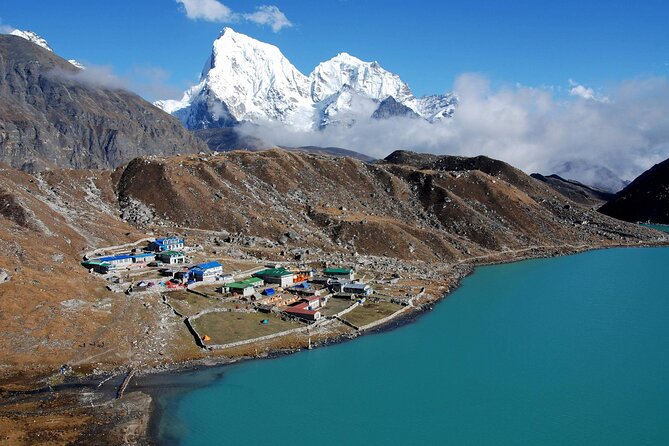
I’d book it if you’re chasing the combination of turquoise lakes + Gokyo Ri summit views + a well-paced acclimatization plan. The added value here is practical: flights to Lukla are included, gear is provided, permits are covered, and lodge comfort is handled better than some other options.
I wouldn’t book if you hate uncertainty from weather-dependent flights or you’re looking for a low-effort hike. This trek has steep moments—especially around the moraine and the early climb to Gokyo Ri—and you’ll feel it in your legs.
If your goal is to see the Everest region in a way that still feels fresh and distinct, this route makes a strong case.
FAQ
Is pickup included?
Yes. The tour includes pickup from Tribhuvan Airport, Kathmandu in connection with airport representative and ground transport.
Where does the trek start and end?
It starts at Tribhuvan Airport, Kathmandu, Nepal and ends back at the meeting point in Kathmandu.
What time does the activity start?
Start time is listed as 6:30 am.
How long is the trek?
The duration is 11 days (approx.).
What is the group size limit?
The tour lists a maximum of 20 travelers.
Is airfare included?
Yes. The package includes round trip flights Kathmandu–Lukla / Lukla–Kathmandu, including departure taxes.
Are permits included?
Yes. The package includes the Sagarmatha National Park Permit fee and the TIMS fee.
What accommodation is included?
In Kathmandu you get two nights in a 3-star hotel with breakfast. During the trek you get best available twin sharing lodge accommodation.
Are meals included during the trek?
Three daily meals with tea/coffee during the trek are not included. Only breakfast is explicitly included (breakfast is included for the two Kathmandu nights).
Is there free cancellation?
Yes. There is free cancellation up to 24 hours in advance for a full refund.
Is this trek suitable for beginners?
It’s listed for travelers with moderate physical fitness. That usually means you should be prepared for daily hiking, including steep segments and an early climb for Gokyo Ri.