REVIEW · HUE
Bach Ma National Park Trekking and Camping 2 days Tour
Book on Viator →Operated by Connect Travel · Bookable on Viator
Jungle trails and waterfall walks are a rare combo. This 2-day Bach Ma National Park trek adds overnight camping and a proper hike to the 300m Do Quyen Waterfall, with time to cool off at the Five Lakes area. You’ll also get organized meals, a BBQ night, and early-morning tea time that makes the whole trip feel more grounded than a quick day tour.
I especially like how the day is built around real nature moments: Ngu Ho for swimming, rhododendron-tied scenery at Do Quyen, and a campsite stop that gives you a break between hikes. The other big win is the structure and guidance—an experienced guide keeps the route moving and the schedule realistic, with admission fees handled so you’re not scrambling.
One drawback to plan around: this tour depends on good weather and asks for moderate fitness. Also, you’ll start early both days, so if you’re the type who hates mornings, you’ll want to mentally prepare.
In This Review
- Key highlights that make this trek feel worth it
- Bach Ma’s jungle-and-water mix works well for two days
- Day 1: Pickup, jungle trails, and the Ngu Ho swim break
- Do Quyen and the rhododendron story you can actually feel
- Camping at Thong Nang: BBQ night and real downtime
- Day 2 at 5:30 a.m.: tea, nature sounds, then back to Hue
- Price and what you’re really paying for ($142.86 per person)
- Pace, fitness, and weather: plan like you mean it
- Who this tour is best for (and who should reconsider)
- Should you book the Bach Ma 2-day trek and camping?
- FAQ
- What areas are pickups available from?
- How much time do I spend trekking?
- Is swimming included?
- What meals are included?
- Are tents provided for camping?
- Is the tour suitable for people with moderate fitness?
- What’s the group size limit?
- What happens if the weather is bad?
Key highlights that make this trek feel worth it
- Do Quyen Waterfall (300m): A named, tall waterfall with rhododendron connections in the scenery.
- Ngu Ho swimming stop: Time for a cool-water break in the Five Lakes area.
- Thủc-tế camping at Thong Nang campsite: Sleep in the park with a BBQ dinner at night.
- Sunrise-style tea and meditation: A calm start with hot tea and nature sounds.
- Small group size (max 20): Easier pace control on trails and at viewpoints.
- Food included beyond basics: Breakfast, picnic lunch, restaurant lunch, and dinner BBQ.
Bach Ma’s jungle-and-water mix works well for two days
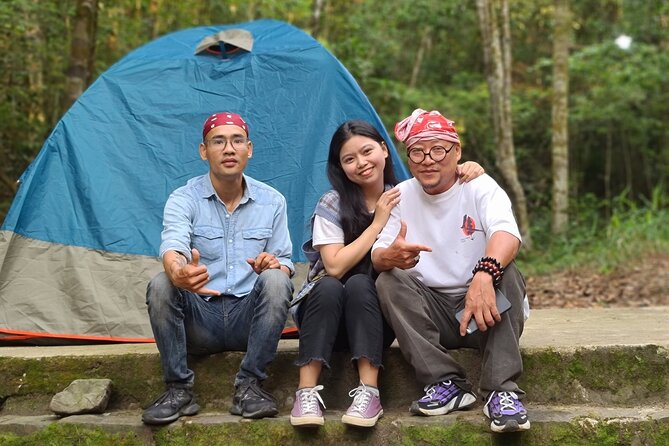
Bach Ma National Park is the kind of place where your day doesn’t feel like one long checklist. You go from forest trails to a major waterfall walk, then into a swimming moment, and finally you unwind at a real campsite setting. That flow matters because it gives your body a rhythm: hike, cool off, rest, repeat.
Also, this isn’t just about one scenic photo. You’re spending time in the park’s biodiversity zones—so even if you don’t track animals on purpose, the experience is still that thick, alive jungle feeling people rave about. It helps that you’re guided; you’re not guessing where to go or how to fit everything into daylight.
You can also read our reviews of more tours and experiences in Hue.
Day 1: Pickup, jungle trails, and the Ngu Ho swim break
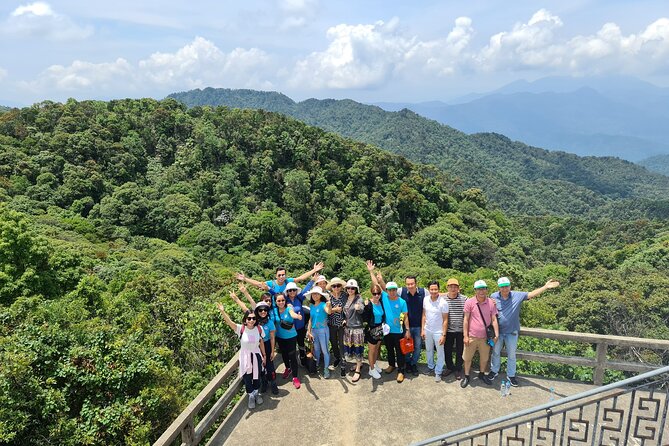
Your day starts with hotel pickup. Depending on your starting point, you’ll be collected in Hoi An or Da Nang early in the morning, or picked up in Hue a bit later, then transferred by an air-conditioned vehicle toward the park area. Once you meet your guide at the Bach Ma information center, the day becomes more “on foot” than “in transit.”
A big early payoff is the way the plan builds toward water. You trek through Bach Ma mountain nature, then reach Ngu Ho, which is described as an ideal swimming spot. This is one of those moments where you feel like you chose the right trip format—because swimming is hard to squeeze into a day tour without turning everything rushed.
After that lunch point, you continue trekking toward Do Quyen Waterfall. The waterfall is named after rhododendron flowers, which is a nice detail because it ties the hike to what you might see seasonally in the park. At 300 meters, Do Quyen is big enough that the effort feels earned, but the day still has built-in breaks so you’re not just grinding the whole time.
Then comes the overnight shift. By the afternoon, you move to Thong Nang Campsite, where camping and the night meal take over. Instead of ending the day right after the toughest viewpoint, you get a softer landing.
Do Quyen and the rhododendron story you can actually feel
A 300m waterfall can sound like a number on paper, but on the ground it changes your pacing. You’re hiking in a forest environment, then you’re pulled toward the roar and the visual drop of Do Quyen. That contrast is what makes the waterfall walk memorable: you leave the quieter trail and step into something dramatic.
The rhododendron connection is more than trivia here. Even if you don’t see flowers at exactly the peak time, you’re still walking through a landscape where that naming makes sense—Bach Ma isn’t a generic forest. The guide-led framing helps you connect the name to the scenery, so you’re not just standing there wondering what you’re looking at.
One practical tip: wear shoes you trust on uneven ground. The “just challenging enough” feeling people talk about only holds up if you’re stable. If you rush or wear slippery footwear, the walk stops being fun and starts being stressful.
Camping at Thong Nang: BBQ night and real downtime
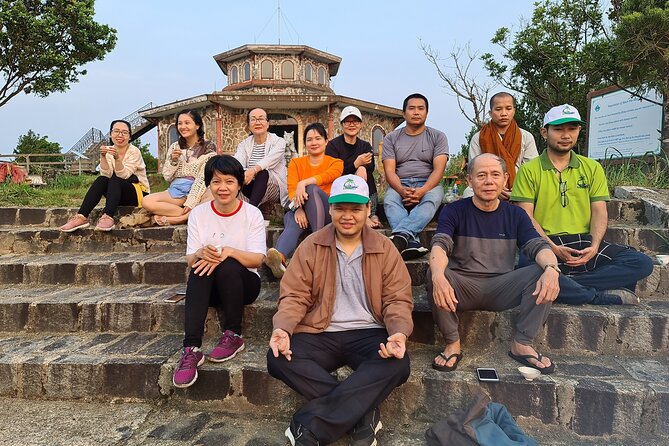
The move to Thong Nang Campsite is more than “sleep included.” Camping changes the whole vibe of the trek because you’re not racing to squeeze everything into daylight. You reach camp after trekking, then you can slow down, eat, and reset for the next morning.
Dinner is a BBQ, and the included setup removes a lot of hassle. You also get tents provided, with each tent accommodating up to four people. That matters if you’re traveling with friends—you’ll likely share the space with your group rather than dealing with renting or sourcing gear.
The campsite also gives you a chance to enjoy the slower side of the park. Even though you’re tired, it’s not the same kind of exhaustion you get from a packed city tour. This is the good kind: legs tired, mind calmer, and the sense that you’re actually staying in the environment instead of just passing through.
Day 2 at 5:30 a.m.: tea, nature sounds, then back to Hue
Day two starts early, with a 05:30 a.m. wake-up. You’ll have breakfast and then gather for a pot of hot tea, with a tea-and-meditation style moment that’s focused on the sounds around you—wind, birds, and streams. It’s the kind of routine that can feel silly if you’re not into quiet moments, but in this setting it works because you’re already surrounded by nature.
You’ll then regroup and start leaving the park. By around 09:00, you’re heading back toward your accommodation in Hue or onward to Da Nang/Hoi An, depending on your pickup/drop option. So even though you’re camping overnight, the second day doesn’t drag on. It’s a clean wrap-up.
One thing I appreciate about this structure: it respects your day-after energy. Some overnight hikes leave you wrecked and schedule you into a full travel day. Here, you return by morning, which helps you keep your plans in Hue (or nearby cities) realistic.
Price and what you’re really paying for ($142.86 per person)
At $142.86 per person, this trek-and-camp is priced like a guided, everything-handled nature day. You’re not just paying for “walking in a park.” You’re paying for logistics: round-trip transfers by air-conditioned vehicle, entrance fees, an experienced guide, campsite equipment (tents), and full meal coverage.
Here’s what the inclusions add up to in real terms:
- Meals that cover most of the big moments: breakfast, picnic lunch, restaurant lunch, and BBQ dinner
- Core camping support: tents (shared, up to four per tent)
- Park access costs: entrance fees included
- Comfort basics: bottled water
- Morning tea and meditation time
- Admission and guided flow so you don’t spend your energy planning instead of enjoying
What’s not included is simple: drinks beyond what’s provided and personal expenses. That’s fairly normal for tours in this style. If you’re the type who buys lots of snacks and drinks along the way, you’ll want to budget a bit extra.
Value-wise, I’d call it fair if you want a managed route. If you’re hoping for “DIY pricing” and already know the trails well, this won’t be the cheapest way to do it. But if you want a smooth experience that includes camping gear, food, and park entry, it’s a solid deal.
Pace, fitness, and weather: plan like you mean it
The tour is aimed at people with moderate physical fitness. That usually means you’ll be hiking on uneven ground for extended stretches, not sprinting up steep climbs like a summit day. Still, the best outcome depends on you being comfortable walking with some endurance.
Weather matters here. The experience requires good weather, and if it’s canceled due to poor conditions, you’ll be offered a different date or a full refund. That’s important because the vibe of the trip relies on being able to move through the park comfortably and (at least at some point) do the swimming.
Also, think about the “early start” factor. Pickup timings are morning-heavy, and day two begins at 05:30. If you’re sensitive to sleep loss, you might feel it more than the average traveler. But if you accept the rhythm, you’ll likely love the quiet morning energy and the tea moment.
Finally, group size is capped at 20 travelers. That keeps things manageable for a trek with camping, especially when you’re dealing with timing on trails, lunch breaks, and swimming windows.
Who this tour is best for (and who should reconsider)
This trek-and-camp suits you if you want an outdoor experience with structure. You like the idea of hiking to a standout waterfall, then cooling off in the Five Lakes area, then ending with a BBQ dinner instead of trekking until dark.
You’ll probably enjoy it even more if you’re the kind of traveler who appreciates nature moments that are simple and sensory—birds, streams, and early light—because the morning tea-and-meditation timing is a real part of the day.
You might reconsider if you dislike:
- Early mornings and fast mornings-after sleep changes
- Any dependence on weather conditions
- Camping in shared tents (up to four people per tent)
Should you book the Bach Ma 2-day trek and camping?
I’d book it if you want a true two-day nature outing with everything handled: guide, park entry, camping setup, meals, and transfers. The combination of Do Quyen’s big waterfall scale, the Ngu Ho swimming stop, and the campsite night makes this feel like a full experience rather than a rushed day trip.
I’d also choose this if you’re traveling from Hue, Da Nang, or Hoi An and want the logistics solved. The pickup-and-return setup is a practical plus, because you don’t want to spend your energy figuring out how to get to trailheads.
If you’re booking last minute or you’re highly weather-dependent, wait with flexibility in mind. But for most people with moderate fitness and a “let’s go” attitude, this is the kind of tour that rewards you for going a little slower and staying overnight.
FAQ
What areas are pickups available from?
You can be picked up in Hoi An/Da Nang or in Hue, depending on the option you choose. After the tour, you’ll return to Hue or to Da Nang/Hoi An.
How much time do I spend trekking?
You’ll hike on day 1 after meeting your guide at the Bach Ma information center, then camp overnight. On day 2, you start early and leave the park around the morning return time.
Is swimming included?
Yes. The experience includes swimming in the cool water of the Five Lakes area, including time at Ngu Ho, described as an ideal swimming spot.
What meals are included?
Breakfast is included, plus a picnic lunch and lunch at a restaurant. Dinner is included as a BBQ.
Are tents provided for camping?
Yes. Tents are provided, and each tent fits up to 4 people.
Is the tour suitable for people with moderate fitness?
The tour recommends moderate physical fitness. It’s not described as extreme, but it does involve trekking.
What’s the group size limit?
This tour has a maximum of 20 travelers.
What happens if the weather is bad?
The experience requires good weather. If it’s canceled due to poor weather, you’ll be offered a different date or a full refund.
If you want, tell me your travel dates and where you’re staying (Hue, Da Nang, or Hoi An). I can help you sanity-check the timing and what to pack for the two-day camping vibe.