REVIEW · PHERICHE
Everest Base Camp Trek: A short EBC Trek to Iconic Himalaya
Book on GetYourGuide →Operated by Bold Himalaya Treks and Travels · Bookable on GetYourGuide
You feel the Himalaya fast on this trek. It’s a short Everest Base Camp itinerary that gets you from Lukla into Sherpa country, with big views, real acclimatization stops, and the payoff of Everest Base Camp plus the Khumbu Icefall. You’ll also get practical support built into the schedule: a trained guide, guesthouse trekking lodges, and enough structure to keep the altitude challenge manageable.
Two things I like a lot: the pace includes acclimatization days in Namche Bazaar and Dingboche, and the route is set up to give you the classic highlights without turning the whole trip into a month-long project. One thing to consider: this version is still high-altitude trekking, and it’s designed for physically fit walkers—if you’re new to altitude hikes, you’ll likely want 1–2 extra days.
In This Review
- Key highlights worth knowing before you go
- Why this short Everest Base Camp trek works so well in 9 days
- Lukla flights, early starts, and the Ramechhap backup drive
- Namche Bazaar acclimatization: where the climb starts to feel real
- Tengboche monastery: a spiritual stop with big views
- Dingboche and Lobuche: altitude work in small doses
- Gorak Shep, Everest Base Camp, and the Khumbu Icefall
- Kala Patthar sunrise: the early hike you’ll remember
- The “value” question: what $681 buys you on the mountain
- Pace, packing, and comfort: what you should plan for
- Who should book this trek (and who should slow down)
- Should you book this Everest Base Camp trek with Bold Himalaya?
- FAQ
- How long is the Everest Base Camp trek and how much walking is involved each day?
- What is the highest elevation on this trek?
- Is food and lodging included on the trek?
- What trekking gear is provided, and what do I still need to bring?
- How do the flights work between Kathmandu and Lukla?
- What is the cancellation and payment flexibility?
Key highlights worth knowing before you go
- Lukla flight first, trek second: You start right where the mountains begin, so every day is spent moving through the Khumbu.
- Acclimatization built in: Namche Bazaar and Dingboche both get dedicated time to help your body adjust.
- Kala Patthar sunrise mission: An early hike to 5,545m for dramatic Everest views.
- Everest Base Camp and Khumbu Icefall: You reach the famous launch point below the Khumbu Glacier.
- Tengboche monastery stop: A spiritual pause in the middle of your climb.
- Gear and lodging support: Sleeping bag, down jacket, trekking poles (if needed), and lodge stays are included.
Why this short Everest Base Camp trek works so well in 9 days
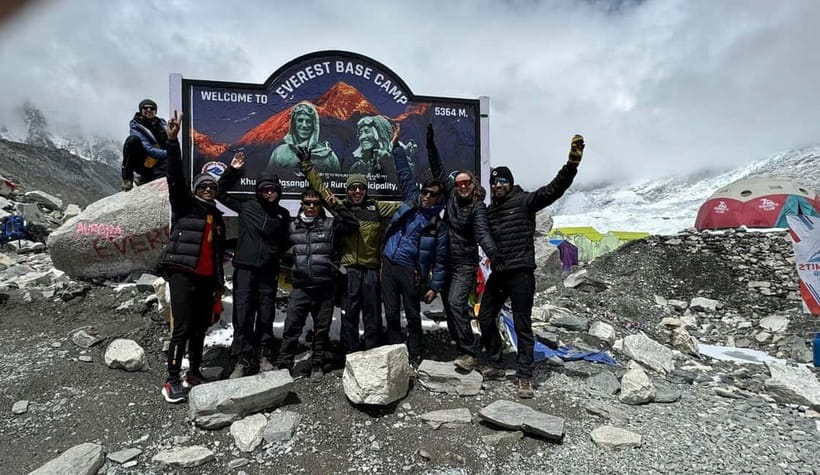
A lot of Everest Base Camp trips get long for one simple reason: altitude doesn’t care about your calendar. This 9-day plan keeps things focused. You walk a total of about 130 kilometers round trip, climb to a maximum altitude of 5,364m, and still build in the key acclimatization days that help most people avoid rushing.
The “short” part isn’t magic; it just means you’ll be more intentional about pace. The itinerary includes clear daily walking goals (often 5–7 hours, sometimes longer on summit-style days) and then anchors your body with rest and acclimatization at the right moments. If you like the idea of hitting the iconic sights without drifting through endless extra trek days, this is the style that fits.
It also keeps the emotional payoff tight. You don’t just “pass through” Sherpa towns—you spend enough time in places like Namche Bazaar and Dingboche to feel the culture and then feel the altitude settle in. That matters, because Everest trekking is equal parts hiking and adjustment.
You can also read our reviews of more tours and experiences in Pheriche.
Lukla flights, early starts, and the Ramechhap backup drive
Most Everest Base Camp treks start with the same head-scratching question: how do you actually get to Lukla? Here, you fly from Kathmandu to Lukla, and the trek officially begins right after you land.
Two practical notes:
- You’ll want to leave Kathmandu with a little buffer in your mind and schedule. Mountain weather can be unpredictable, and you need to return from Lukla to Kathmandu with at least one buffer day before any international departure.
- Sometimes your flight departs from Ramechhap instead of Kathmandu. If that happens, you’ll drive about 4 hours from Kathmandu to Ramechhap before the flight to Lukla.
Your exact pickup time in Kathmandu depends on your airport location and flight schedule, but pickup is included and you should show up at least 1 hour before your flight.
This “backup plan” matters because Lukla is not just a destination—it’s the bottleneck. Knowing that the itinerary anticipates a Ramechhap option helps you plan less stress and more breathing room.
Namche Bazaar acclimatization: where the climb starts to feel real
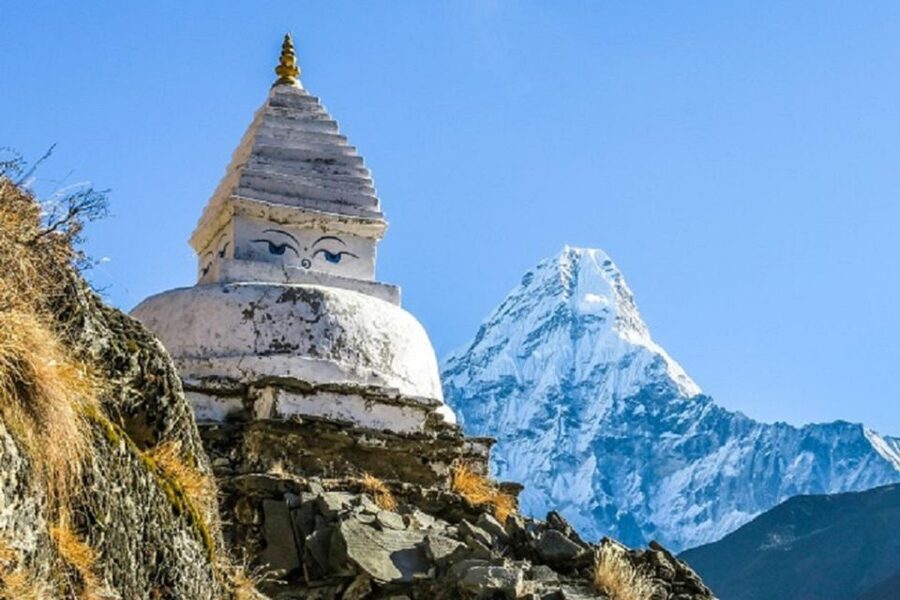
Namche Bazaar is where many trekkers first notice altitude isn’t theoretical. It’s where your walking turns into a steadier, slower rhythm. In this trek, you reach Namche Bazaar on day 2 and then get an acclimatization day there.
Why that pause is valuable: Namche is at 3,440m, and your body needs time to adapt before you push higher toward Tengboche (3,860m) and beyond. That extra day gives you a chance to breathe better on the next climbs, and it also lets you experience the town’s Sherpa life—shops, tea houses, and the daily flow of people preparing for higher routes.
There’s also a sensible fit here for different traveler types. The trek is designed for physically fit travelers, but you can customize by adding 1–2 extra days for better acclimatization in Namche Bazaar and Dingboche. If you’re a strong hiker but cautious about altitude, those optional days can turn a hard trek into a more enjoyable one.
Tengboche monastery: a spiritual stop with big views
From Namche, you trek to Tengboche (about 3,860m). The schedule includes a visit to Tengboche Monastery, which gives the day more meaning than just “walk uphill, sleep, repeat.”
The practical benefit of this kind of stop is simple. Religious sites are often located where there’s a reason people gather—views, access, and community. You get a pause that feels cultural rather than purely logistical.
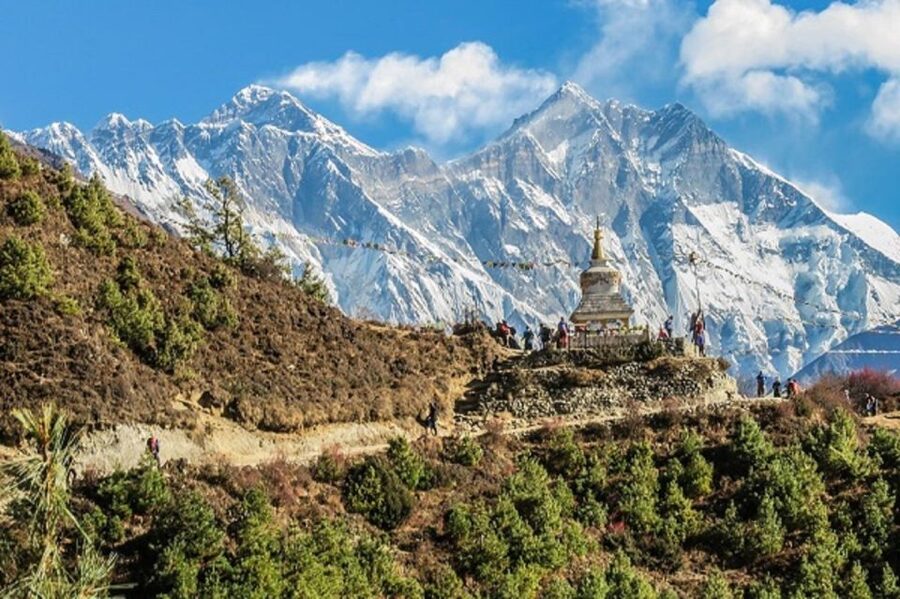
It’s also a point where the trek’s panoramic promise starts to sharpen. You’re surrounded by Himalayan giants in the Khumbu area, including Ama Dablam and Lhotse in the broader view corridor of the route. Even when the weather changes, the mountain drama here is part of why people come.
The one consideration: Tengboche is high enough that cold can feel quick, especially early morning and in wind. Layering matters, and you’ll be thankful the trek gives you structured progress rather than nonstop climbing.
Dingboche and Lobuche: altitude work in small doses
After Tengboche, the itinerary continues to Dingboche (about 4,410m) with another acclimatization day. Then you move onward to Lobuche (about 4,910m).
These two stops are where your trek becomes more about altitude management than about distance. You can walk 5–6 hours and still feel steady, because the schedule is built to reduce the feeling of being “behind.” Dingboche is where acclimatization is specifically called out, and it’s a great place to slow down if you need to.
Then comes Lobuche, higher and colder, and typically the day where you start to feel the approach to the glacier country. This is also the point where trekking poles and good foot habits start paying off. The trek is doable, but the mountain environment is unforgiving of rushed steps.
One thing I appreciate is that the itinerary doesn’t hide the reality: you’re meant to be able to walk 4–5 hours a day, even at high altitude. If that describes you, the climb feels like a challenge you can control.
Gorak Shep, Everest Base Camp, and the Khumbu Icefall
This is the main event. You’ll trek to Gorak Shep (about 5,140m) and continue to Everest Base Camp (about 5,364m). Expect roughly 7–8 hours for this day, then you sleep overnight back at Gorak Shep.
Here’s what makes the day special:
- You reach the iconic Everest Base Camp, the moment your planning turns into a real, breath-stealing location.
- You get the setting for one of the most famous sights in the Everest region: the Khumbu Icefall. This is a glacial spectacle that looks like a sculptor got carried away—broken, layered, moving in its own slow rhythm.
There’s also a psychological shift. At Gorak Shep and Everest Base Camp, you’re no longer just passing through mountain villages. You’re in the working zone of serious altitude and serious scenery. It can be loud in your head, even when you’re quiet in your breath.
The one consideration is effort and cold. At these heights, you’ll feel every break. The better you paced earlier days, the easier it is to enjoy the arrival instead of just surviving it.
Kala Patthar sunrise: the early hike you’ll remember
After sleeping near the Base Camp zone, you get an early morning hike to Kala Patthar (about 5,545m) for sunrise. Then you descend to Pheriche (about 4,371m), which can take 7–8 hours.
Kala Patthar is a specific kind of reward. It’s not only the height; it’s the timing. The sunrise push is why people plan their whole Everest trip around this day.
This hike also shows you what the trek is really selling: perseverance. The sunrise panorama gives meaning to the hard part of the climb—every step you made earlier has a payoff you can actually see.
Then comes the long descent to Pheriche. Descents can feel easier than climbs, but they can also be tough on knees and feet. You’ll want good shoes, trekking poles if you use them, and the patience to walk carefully even when you feel energized.
The “value” question: what $681 buys you on the mountain
At $681 per person for 9 days, the value depends on one thing: what you’d otherwise need to arrange yourself. This package covers a lot that can quietly add up on Everest trips.
Included items that matter:
- All meals on trek days (breakfast, lunch, dinner). The food is basic lodge fare, and the plan notes each time you get one item, so don’t expect an all-you-can-eat buffet.
- Guesthouse / trekking lodge stays throughout the trek.
- A trained trekking guide throughout.
- Park and permit fees, including Sagarmatha National Park entrance, TIMS, and the Pasang Lhamu Rural Municipality Entrance fee.
- Some major gear support: sleeping bag, down jacket, duffle bag, and trekking pole if you need to return after trekking.
- A T-shirt or cap and a trip certificate, plus a special cultural show and farewell dinner in Kathmandu.
On top of that, you get strong human support. In the trip feedback you can tell the operation is running like a team: guides such as Ramesh and Palden get praised for attentiveness and friendliness, and the coordinator Sobit shows up as someone who helps with issues from Kathmandu. You’re not just buying a route—you’re buying guidance.
Two cautions about costs:
- Personal items like drinks and extra snacks are not included. Tea/coffee and beverages are listed as not included, so plan to pay for them yourself on the way up.
- Flights can be tricky. The package mentions arranging flights to/from Lukla by airplane (or helicopter) upon request, but it also lists Kathmandu-to-Lukla-to-Kathmandu flight as not included. Translation: you need to confirm exactly what your booking includes for flights, and what you’ll pay separately.
If you want to travel light on logistics and don’t want to build a whole trek spreadsheet yourself, this package has strong value. If you already have gear and you’re confident arranging permits and guides, you might find cheaper options—but that usually comes with more work.
Pace, packing, and comfort: what you should plan for
This trek is built for people who can walk 4–5 hours a day, even at high altitude. If you’re fit but new to altitude, the itinerary’s built-in acclimatization days help, and adding 1–2 extra days can make a noticeable difference.
Bring basics that actually match the altitude:
- Warm clothing, including a jacket, gloves, socks, and thermal layers
- Hiking shoes and hiking pants
- A plan for cold mornings and windy ridge weather
The good news: you’re not walking in totally blind gear-wise. The trek includes a sleeping bag and down jacket. That can save you from buying expensive cold-weather gear right before your trip.
Food is taken care of on trek days, but hydration and hot drinks are not. Since drinks aren’t included, you should assume you’ll buy water and beverages as you go, and you’ll want to budget for that.
Also keep expectations realistic about the walking days. You’ll start easy-ish on day 1 (about 3 hours to Phakding), then settle into longer mountain days, including a bigger push when you reach Gorak Shep and Everest Base Camp.
Who should book this trek (and who should slow down)
This itinerary is not for wheelchair users, and it’s not for babies under 1 year. There’s also an upper age limit listed (not suitable for people over 95).
In the real world, the more important filter is fitness and altitude experience. The trek is designed for physically fit travelers. If you’re a beginner, you can still consider it, but the data clearly says you should plan additional days to make the journey more comfortable and enjoyable.
Who it suits best:
- You want the Everest Base Camp story—Base Camp, Icefall, Kala Patthar—without a super-long trek
- You like structure: acclimatization days are scheduled, not optional guesswork
- You want Sherpa culture stops built into the route, like Tengboche and Namche Bazaar
If you know you need more time to adjust to altitude, this is one of those cases where “same route, extra days” can be the difference between a great trip and a miserable one. The option to add days is built into how the plan is described.
Should you book this Everest Base Camp trek with Bold Himalaya?
If you can walk 4–5 hours a day and you want a tightly planned Everest Base Camp experience, I’d say it’s a sensible choice. The biggest reasons are practical: acclimatization is scheduled, the key sights are all here (Base Camp, Khumbu Icefall, Kala Patthar), and the package handles a lot of the “hard-to-organize” pieces like lodge stays, guide support, and key gear.
Book it with extra care if:
- You’re sensitive to altitude and you’re tempted to keep the schedule as-is.
- You’re unclear about what flight costs are included for your exact dates and routing. Lukla flights can shift to Ramechhap, so confirm your plan early.
If you want one final decision tool: match your confidence to the trek style. A short EBC plan rewards steady walkers and people who respect altitude. If you do, the mountains are going to feel close—almost like they’re following you day after day.
FAQ
How long is the Everest Base Camp trek and how much walking is involved each day?
The trek is 9 days. Hiking time varies by day, with walking durations listed around 3 hours early on and commonly 5–7 hours, plus longer days like the trip to Everest Base Camp and the Kala Patthar day.
What is the highest elevation on this trek?
The route reaches a maximum elevation of 5,364m. There is also a climb to Kala Patthar at about 5,545m for sunrise.
Is food and lodging included on the trek?
Yes. You stay in guesthouse / trekking lodge accommodations, and the package includes all food on trek days (breakfast, lunch, dinner), with one item provided each time.
What trekking gear is provided, and what do I still need to bring?
Provided gear includes a sleeping bag, down jacket, duffle bag, and trekking pole if needed. You still need to bring your own personal trekking clothing and items such as warm clothing, hiking shoes, gloves, socks, hiking pants, and thermal clothing.
How do the flights work between Kathmandu and Lukla?
The trek starts with a flight from Kathmandu to Lukla. The plan notes that if flight conditions require it, departures may shift to Ramechhap, with a 4-hour drive from Kathmandu beforehand. Your exact pickup time is based on your schedule, and pickup is included.
What is the cancellation and payment flexibility?
You get free cancellation up to 24 hours in advance for a full refund. The offer also includes reserve now & pay later, which lets you book without paying immediately.