REVIEW · DARJEELING
5-Days Singalila Ridge Trek in Darjeeling
Book on Viator →Operated by Off Road Adventure · Bookable on Viator
Five days, one ridge, jaw-dropping summits. This Singalila Ridge trek is built around big Himalayan viewpoints, with sunrise starts at key spots and clear chances to spot Nepal and Sikkim peaks. I also like that the package handles real logistics for you—private transport, national park fees, and even trek photo gear.
My second favorite thing is the practical comfort layer: food and accommodation are included, plus a guide who keeps the day moving and the mood up. The route stays inside the national park, so it feels like you’re walking in a protected wilderness, not just passing through trail scenery.
One thing to weigh: it’s not a casual stroll. Day 3 is the longest push (about 21 km), so you’ll want a solid moderate fitness level and the patience to move uphill for long hours.
In This Review
- Key Highlights You’ll Care About
- Why the Singalila Ridge Trek Delivers Big Views Fast
- Price and What $460 Really Buys (No Hand-Waving)
- Your 5-Day Plan: From Dhotrey to Sirikhola
- Day 1: Drive to Dhotrey, then start settling in
- Day 2: Sandakphu sunrise, dwarf rhododendron, and Kala Pokhari
- Day 3: Phalut is the long one (about 21 km)
- Day 4: Down to Gorkhey with forest hiking and mountain views
- Day 5: Villages, Sirikhola by noon, then back to Darjeeling
- Guides, Pace, and Why the Group Setup Matters
- Food on the Trail: More Than Just Fuel
- Wildlife and the Red Panda Odds
- Packing Tips That Match This Exact Route
- When This Trek Fits Best (and When It Doesn’t)
- Booking Sense: Should You Choose This 5-Day Singalila Ridge Trek?
- FAQ
- How long is the Singalila Ridge trek?
- What time does the trek start, and is pickup included?
- What parts of the route are known for major views?
- Are meals and accommodation included?
- What trekking gear is included?
- Is a porter available, and what does it cost?
- What if the weather is bad?
Key Highlights You’ll Care About

- Sunrise timings multiple days make the early wake-ups worth it on Sandakphu, Phalut, and Gorkhey
- A specific peak-view lineup from Sandakphu and Phalut includes Everest, Makalu, Lhotse, and Kanchenjunga
- National park trekking feel with possible wildlife sightings like red pandas if conditions line up
- Fuel plus recovery built in: 4-night accommodation and a full mix of breakfast/lunch/dinner
- Trek gear and photos included with walking poles, head torch, and a GoPro 7 Black
- Private transportation from Darjeeling and back to reduce hassle on a tight 5-day schedule
Why the Singalila Ridge Trek Delivers Big Views Fast

If you want one Darjeeling trek that does the whole “ridge + mountains + sunrise” combo, Singalila Ridge is a strong pick. You don’t just look at distant peaks—you get repeated chances to see them from high points like Sandakphu and Phalut. And because the route runs through a national park, the experience feels more grounded in nature than in a tourist corridor.
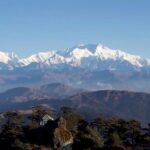
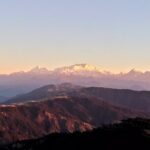
The star of the show is the viewpoint math. From Sandakphu and Phalut, you can enjoy views of Everest, Makalu, Lhotse, and Kanchenjunga. That’s not a vague “mountain range” promise. Those names matter because they shape what you’ll be watching for on clear mornings.
I also like that the trek structure makes mornings purposeful. The plan includes early sunrise starts on multiple days, so you’re not stuck hiking only in flat daylight. You’ll spend more time on the trail when the weather is calmer and the views are sharper.
You can also read our reviews of more tours and experiences in Darjeeling.
Price and What $460 Really Buys (No Hand-Waving)
$460 for a 5-day trek in the Singalila range can feel like a lot until you break down what’s included. This package isn’t just a guide and a trail map.
Here’s what you’re getting that directly affects your comfort and workload:
- Private transportation for pickup and transfers, not shared chaos
- National park entry fees taken care of
- Trek essentials: walking poles and a head torch
- 4-night accommodation included
- Meals: breakfast (5), lunch (5), dinner (4)
- Photo support: GoPro 7 Black for trekking photos and videos
- A private group setup, so the pacing is coordinated for your crew
Not included matters too. Alcoholic drinks and personal expenses are on you. Travel insurance isn’t included, so you’ll want to arrange that separately. If you want porter support, it’s optional and priced separately at 1000 per day.
For value, what stands out is the mix of “reduce hassle” and “reduce cost surprises.” You’re not buying park passes on the fly, and you’re not scrambling for gear on day one. The food plan also helps you avoid the most common trek problem: getting to camp hungry and cold because you didn’t plan meals.
Your 5-Day Plan: From Dhotrey to Sirikhola
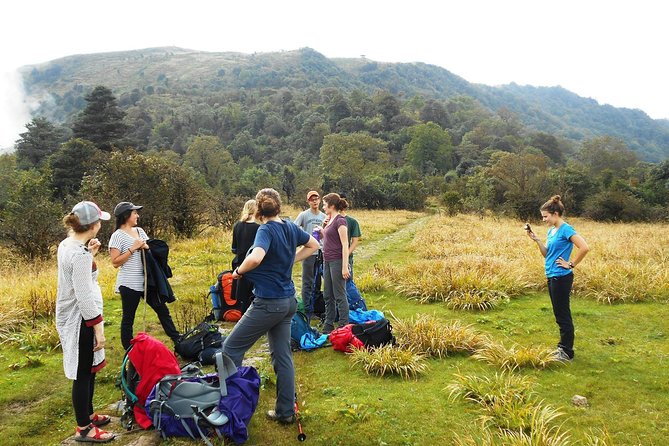
This route is a customized 5-day version of a trek that’s often done over 6 days. That’s good if you want the signature ridge experience without a longer time commitment—just remember that compressing days usually means bigger hiking effort on at least one stretch.
You’ll start early, with meeting at 7:00 am, and pickup from your hotel happens early morning. The first day includes a significant drive, then you settle into the trekking rhythm.
Day 1: Drive to Dhotrey, then start settling in
Day 1 begins with a longer vehicle transfer from Darjeeling to Dhotrey area. After around an hour drive, you’ll reach Maneybhanjyang, the border between India and Nepal. That brief border stop adds a real sense of place to the start of your hike.
Then you continue onward into the trek day experience. The practical benefit of day one isn’t the mileage—it’s acclimation and rhythm. You’re getting your bearings, learning how your guide handles timing, and letting your legs wake up gently before the higher-country trekking kicks in.
Day 2: Sandakphu sunrise, dwarf rhododendron, and Kala Pokhari
Day 2 is where the trek starts feeling like a true high Himalayan ridge mission. You’ll rise early for sunrise. Gairibans is called out as a bird watching and red panda destination, which is the kind of detail that makes you pay attention beyond just the mountains.
After breakfast, the trail climbs through dwarf rhododendron forest. This kind of forest gives the walk a different texture than bare slopes: more shade in places, more sound from birds, and a calmer feeling as you gain altitude.
Then you reach Kala Pokhari, meaning black lake. Even if the lake isn’t the main attraction for you, the name helps frame it—this is a scenic waypoint on a route that builds toward Sandakphu’s panorama.


Day 3: Phalut is the long one (about 21 km)
Day 3 is the longest day, covering around 21 km, so it’s the day you’ll feel in your legs. The plan starts early again, with sunrise and panoramic views.
From a strategy point of view, you’ll want to treat this as a steady-effort day, not a race. The best way to enjoy the views without burning out is to keep your pace consistent through the climbs and save your big energy bursts for when the trail levels out.
Phalut is also a key viewpoint. This is part of the route where the peak list becomes the headline: from Sandakphu and Phalut, you can enjoy views including Everest, Makalu, Lhotse, and Kanchenjunga (weather permitting, of course). If you’re thinking about where the trek earns its reputation, this is one of those days.
Day 4: Down to Gorkhey with forest hiking and mountain views
Day 4 takes you from Phalut to Gorkhey, trekking about 15 km. It’s shorter than Day 3, but don’t assume it’s easy. Descent can still be hard on knees, and ridge walking can be mentally tiring even when the total distance is smaller.
This day includes early sunrise and mountain views too. After breakfast you head down through dense forest, giving you a different kind of scenery: more greenery, more birdlife potential, and a softer-feeling day compared with the biggest ascent days.
Day 5: Villages, Sirikhola by noon, then back to Darjeeling
Day 5 starts early from Gorkhey. You walk through Sammanden and Rammam villages, then reach Sirikhola around 12 pm. After about a one-hour lunch break, you transfer back to Darjeeling in a private vehicle (around 4 hours).
This is a great ending pattern because it prevents that last-day problem where people arrive late and stressed. You get a clear finish window, a proper lunch pause, and then a smoother drive back.
Guides, Pace, and Why the Group Setup Matters
One of the best parts of this trek setup is that it’s private. You’re not stuck reacting to a mixed group’s pace. Your guide can manage timing around your group, which is especially helpful on a ridge trek where small delays can snowball.
The guides also come through in the small stuff: being active, keeping you moving, and making the day feel social without turning it into a distraction. In past experiences with this operator, guides have included Rakesh and Sekhar, and communication from Sangay is noted as clear and easy through email and phone.
Now, about pace: because the trek is customized to 5 days, you’re hiking multiple long days. That doesn’t mean it’s a death march, but it does mean you should show up ready to walk. The route expects moderate physical fitness, and you’ll feel that most on Day 3.
Food on the Trail: More Than Just Fuel
The meal plan is a major quality-of-life upgrade on this kind of trek. You’ll have Indian and Nepali food, with dinner provided for 4 nights. Breakfast is listed for 5 mornings, and lunch for 5 days.
Why this matters: on ridge treks, you’re spending energy and also getting cold when the sun drops. Having predictable meals reduces decision fatigue. It also keeps you from chasing snacks that might not be available at the time you need them.
I also like that the included meals reduce the “how much should I pack?” stress. You can focus on comfort items and water handling rather than trying to build an entire food plan for a multi-day walk.
Wildlife and the Red Panda Odds

The trek sits inside a national park, and that’s where wildlife potential becomes real. There’s an explicit mention that if you’re lucky, you might spot red pandas.
No guide can guarantee that, and you shouldn’t plan your entire trip around one animal sighting. But the national park setting changes your experience: you’ll be more likely to notice movement in trees and hear things you’d miss on a more open route.
If you want to maximize your chances without stressing yourself out, keep your attention wide—watch treetops during calmer moments and avoid blasting through the forest sections too fast.
Packing Tips That Match This Exact Route
Because the package provides walking poles and a head torch, you can pack lighter. But you still need to bring the basics for a Himalayan ridge trek.
Here’s what to think about:
- Layers for morning cold (sunrise starts mean chilly starts are part of the schedule)
- Good footwear for long-distance walking and uneven surfaces
- A water plan you can stick to every day (rhythm matters as much as volume)
- A simple rain layer (the trek is weather dependent)
Also, you’ll be trekking inside a national park, so treat the trail with respect—stay on marked paths when possible and keep trash minimal.
If you want photos beyond the GoPro, you’ll probably still want your phone for quick sharing, but the included GoPro 7 Black is a nice bonus for action shots.
When This Trek Fits Best (and When It Doesn’t)
This trek fits you if you:
- Want major Himalayan viewpoint stops like Sandakphu and Phalut
- Are okay with early mornings and long walking days
- Prefer private, organized logistics instead of DIY transfers
- Like the idea of possible wildlife sightings inside a protected area
It may not fit you if:
- Your fitness is low and you’d struggle with the longest day (about 21 km on Day 3)
- You get anxious about weather dependency (this experience requires good weather)
Booking Sense: Should You Choose This 5-Day Singalila Ridge Trek?
If your goal is a classic Singalila Ridge experience with big mountain views, clear inclusion of meals and gear, and private transfers, this package makes practical sense. The price looks more reasonable once you factor in park fees, accommodation, meals, and the included photo gear.
I’d book it if you’re the type who loves sunrise views and wants the hike to feel organized from start to finish. I’d think twice if you’re looking for a short, relaxed walk. This is a ridge trek with at least one demanding day, and that’s the deal you’re signing up for.
If you’re flexible and you can handle a long day, you’ll likely end up feeling like the trail delivered what it promised: high viewpoints, ridge walking, and that special sense of being out in the national park world.
FAQ
How long is the Singalila Ridge trek?
It’s a 5-day trek (approx.).
What time does the trek start, and is pickup included?
The start time is 7:00 am, and pickup from your hotel is offered early in the morning. Private transportation is included.
What parts of the route are known for major views?
Sandakphu and Phalut are the key viewpoint areas, and the trek offers panoramic views of the Nepal and Sikkim Himalayas.
Are meals and accommodation included?
Yes. The package includes 4-night accommodation, breakfast (5), lunch (5), and dinner (4). Nepali and Indian food are provided.
What trekking gear is included?
Walking poles and a head torch are provided. A GoPro 7 black camera is included for photos and videos.
Is a porter available, and what does it cost?
Porter support is optional. If you book a porter, the cost is 1000 per day.
What if the weather is bad?
The experience requires good weather. If it’s canceled due to poor weather, you’ll be offered a different date or a full refund.