REVIEW · DARJEELING
Singalila Trek from Darjeeling
Book on Viator →Operated by Adventures Unlimited · Bookable on Viator
Four Everest-sized peaks, one ridge trek. This hike along the Singalila Ridge is built for huge Himalayan panoramas, with chances to look toward Mt. Everest, Mt. Kanchenjunga, Mt. Lhotse, and Mt. Makalu. It starts near the Sherpa village of Manebhanjang, then works through the Singalila National Park area toward the famous viewpoints.
I also like how the trip keeps things practical on the ground: you get trained local guides from the trek area (including guides like Tenzi and Jigme, depending on your group) plus full meal coverage and a real sleep setup. A possible drawback: this is a weather-dependent trek, so if skies don’t cooperate you may be asked to switch dates, and you’ll want to take the moderate fitness requirement seriously.
In This Review
- Quick takeaways before you lace up
- Why the Singalila Ridge gives you world-class views
- From Darjeeling pickup to Manebhanjang trail life
- Singalila National Park: where the walk turns into a nature show
- Sandakphu: the point where the Himalaya goes wide
- Nepal without visa hassle: what the program says
- Sleeping and eating well: how the comfort package helps you enjoy the trek
- Sleep setup
- Homestays with private rooms
- Meals and hot drinks
- Guides on the trail: names you might meet and why it matters
- Transport that reduces stress before and after the hike
- Price and value: is $476 per person a fair deal?
- Who should do this trek (and who should plan carefully)
- Weather, altitude, and packing basics you shouldn’t ignore
- Should you book the Singalila Ridge trek from Darjeeling?
- FAQ
- How long is the Singalila trek from Darjeeling?
- What time does the trek start?
- Where does the trek route begin?
- What are the main trekking areas or stops?
- What mountain peaks are you aiming to see?
- Is pickup available from Darjeeling?
- What kind of accommodation do you get?
- What’s included for sleep and meals?
- What’s included for health and altitude support?
- What costs are not included in the price?
Quick takeaways before you lace up
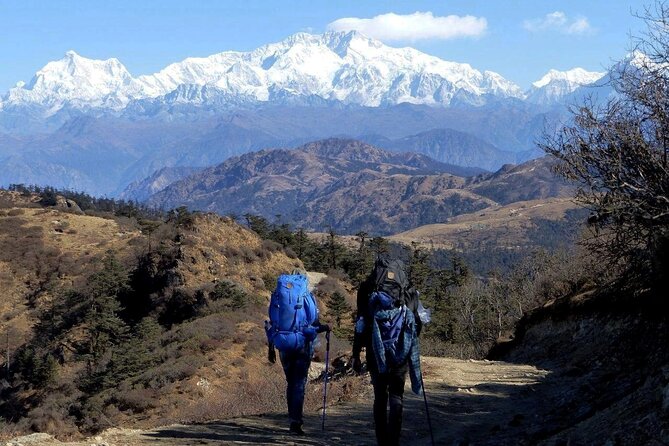
- Four high-peaks viewpoints: Everest, Kanchenjunga, Lhotse, and Makalu are all part of the promise.
- National Park walking: the route threads through Singalila National Park with border-crossing scenery.
- Sandakphu is the headline: you’ll focus on the mountain-view payoff point.
- Local guide energy: names you might get include Tenzi, Jigme, and Nhikil.
- Comfort isn’t an afterthought: down sleeping bag + homestay with a private room, plus hot tea and coffee.
Why the Singalila Ridge gives you world-class views
The Singalila Ridge trek is one of those routes that sells you one simple idea: the views are the whole point. The mountains you’re aiming for are not small. You’re set up for the kind of wide, day-by-day viewing where the Himalaya shows up again and again, instead of just once from a single viewpoint.
What makes this trek stand out is the mix of famous peaks and a ridge-walk feeling. The promise is seeing four of the five highest mountain peaks in the world: Mt. Everest, Mt. Kanchenjunga, Mt. Lhotse, and Mt. Makalu. You’re not just chasing one postcard. You’re walking in a zone where multiple peaks can line up depending on the day’s visibility.
And you don’t just get rock-and-ice. You also get the living stuff: rhododendron and orchids show up along the way, and there’s even a chance at seeing wildlife like the red panda if you’re lucky.
You can also read our reviews of more tours and experiences in Darjeeling.
From Darjeeling pickup to Manebhanjang trail life
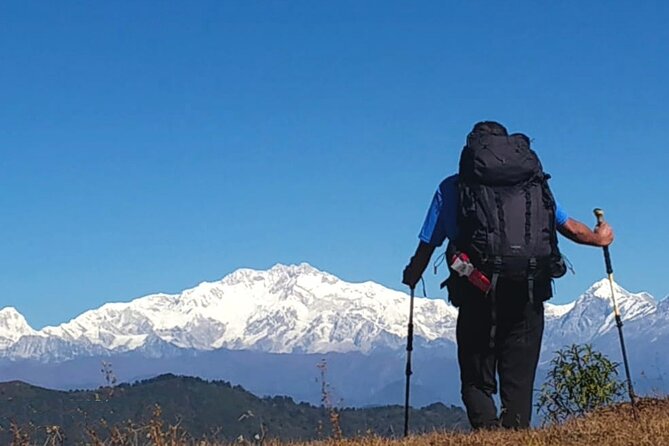
The trip runs from Darjeeling, starting with a start time of 8:00 am. Pickup is offered, and the meeting point is near public transportation—helpful if you’re arriving in town and don’t want to hunt for a ride. You also get a mobile ticket, which reduces the amount of paper juggling you’ll do once you’re in India.
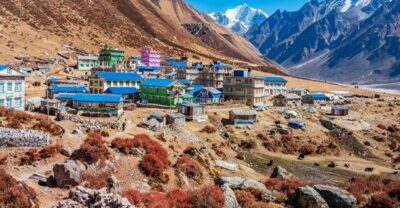
The trek starts around the Sherpa village of Manebhanjang. That matters because the first walking days aren’t just about altitude—they’re about stepping into a different rhythm: village paths, ridge movement, and the feeling that you’re traveling through communities rather than just trekking through scenery.
From there, the route weaves in and out of Nepal. That border-crossing element is not just trivia—it shapes the vibe. You’re in an area where cultures overlap and where the landscape changes as you move along the ridge lines.
Singalila National Park: where the walk turns into a nature show
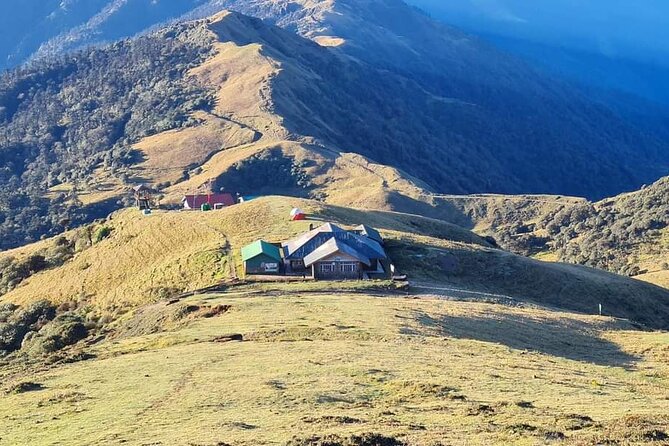
Your first big focus is Singalila National Park. This is where the trek feels most like a true ridge hike with wildlife and plant life in the mix, not just a long stair-step toward a peak.
If you like flora and fauna, this is one of the main reasons to choose the Singalila trek. Expect rhododendron and orchid sightings along the way when conditions allow. You may also get guide-led bird and wildlife spotting, and this is where having a local guide makes a real difference. Names you might get include Nhikil, who’s described as sharing plenty of local knowledge and helping people notice what they’d otherwise miss.
One practical consideration: forest walks and ridge weather can shift fast. Even when your goal is mountain views, you’ll want to dress for cool air and changing cloud cover because that’s what controls whether you see peaks clearly.
Sandakphu: the point where the Himalaya goes wide
Sandakphu is the other major target on this trek, and it’s usually the part that makes people say the hike felt bigger than expected. This is where the route’s promise of panoramic viewing is most likely to hit.
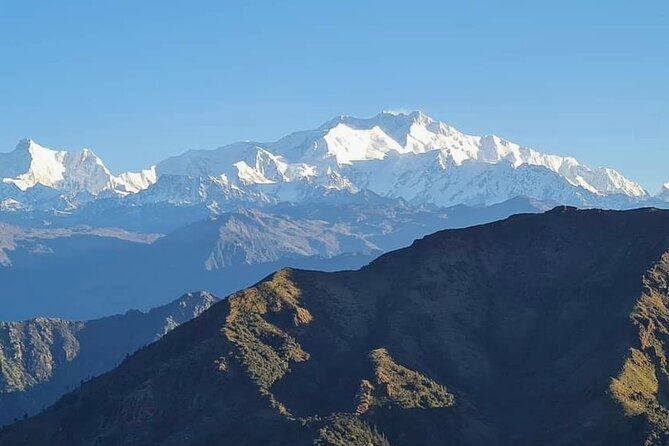
You’re walking in a zone known for broad sightlines—so instead of only seeing mountains straight ahead, you get the sense of layers. On clear days, the peaks you came for feel close enough to point at, including the four highlighted giants: Everest, Kanchenjunga, Lhotse, and Makalu.
If you’re trying to time your expectations, keep this in mind: visibility is a daily variable. Clouds can blur views, and fog can erase them. That’s why the trek is run with the expectation of good weather, and it’s why you should mentally plan to be flexible with dates if skies are stubborn.
Nepal without visa hassle: what the program says
A standout selling point here is the idea of crossing into Nepal during the hike without the usual visa hassle. The trek info you’re given is that no visa is required to enter Nepal for this route.
That said, treat this as a program-level statement and plan based on your own passport rules. You don’t want bureaucracy surprises. In practice, having a knowledgeable guide and a well-organized operator helps because paperwork details tend to come up fast in border areas.
Either way, the real travel value is what happens on the ground: your walking days include that Nepal-meets-India feel, with the trail weaving across the border and returning to the Indian side as you move along the ridge system.
Sleeping and eating well: how the comfort package helps you enjoy the trek
At altitude, the “small” stuff makes or breaks your mood. This trek is unusually clear about what you get to sleep in and eat during the journey.
Sleep setup
You’re provided a down feather sleeping bag plus a freshly laundered fleece inner liner. That’s the kind of inclusion that keeps you from worrying about whether your bag will stay warm enough or clean enough once you’re done walking.
Homestays with private rooms
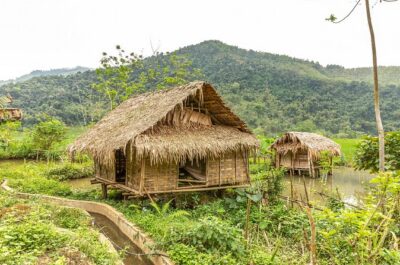
Accommodation is described as the best available family-run homestay/guesthouse with private room. Private space matters on multi-day treks. You get a place to dry out gear, rest your body, and reset without sharing a room with other people’s wake-up schedules.
Meals and hot drinks
All meals are included—breakfast, lunch, dinner—plus copious amounts of tea and coffee. That’s not just convenience. It’s the fuel strategy that keeps you walking with steady energy instead of rationing snacks.
Also included is a basic medical kit with high altitude sickness pills. That doesn’t mean altitude is risk-free, but it does mean you’re not traveling without any tools if you start feeling off.
Guides on the trail: names you might meet and why it matters
This trek uses government-registered and trained guides from the trek area. That matters because ridge walking isn’t only about distance—it’s about reading the trail, spotting interesting plants and wildlife, and managing the pace based on conditions.
The reviews and operator notes give you examples of guides you could get. People have mentioned Tenzi, Jigme, and Nhikil, and the common theme is care plus local awareness. I like that the guide approach includes adjusting to the group’s physical needs when necessary. On a trek like this, your best day is the one you can actually enjoy, not just the one you technically completed.
It also sounds like the trip organization is handled by Catherine (with her husband). People describe smooth communication and thoughtful handling before the trek, which helps you arrive without feeling like you’re figuring everything out on your own.
Transport that reduces stress before and after the hike
You get all transport in a well-maintained company car both before and after the trek. That takes away the biggest headache for independent travelers: getting from Darjeeling to the start and back without wasted time.
You also don’t need to plan logistics for each day of walking—this is structured as a private experience, meaning only your group will participate. If you don’t want a crowd and you’d rather move as a unit, that’s a real quality-of-life upgrade.
Price and value: is $476 per person a fair deal?
The listed price is $476.00 per person for a trek of roughly 6 days. To judge value, don’t just look at the number. Look at what you’re not paying for and what you get to avoid worrying about.
What you do get included:
- Guide support with trained, local trek guides
- All meals (breakfast, lunch, dinner) and hot tea/coffee
- Down sleeping bag + laundered fleece inner liner
- A medical kit including altitude sickness pills
- Transport by company car before and after the trek
- Homestay-style lodging with a private room
- Optional pickup, plus mobile ticket convenience
What you still need to budget for:
- Alcoholic beverages are not included
- Insurance for the trek is not included
- Porters, if you want help, are charged extra at ₹1400 INR per day during trekking days
For a trek that includes equipment basics, most meals, lodging, and guide costs, $476 can make sense—especially if you’d otherwise be paying separately for guide time, food logistics, and warm sleep gear. The optional porter cost is the main “watch this” item.
Who should do this trek (and who should plan carefully)
This trek is best for people with moderate physical fitness. That usually means you can handle sustained uphill walking for multiple days without needing frequent stops to recover.
It also suits you if you want:
- Ridge hikes with frequent nature and viewpoint payoff
- A route that mixes Indian and Nepal Himalayan scenery
- Wildlife and plant interest (rhododendron, orchids, and possible red panda sightings)
- A supported trek with medical basics and clear meal coverage
If you’re expecting an easy stroll with guaranteed peak visibility, you might feel disappointed. You’re walking in a mountain environment where clouds can roll in and change what you see. The operator also flags that it requires good weather.
Weather, altitude, and packing basics you shouldn’t ignore
The trek runs in a high-mountain context, and the program explicitly treats it as weather-dependent. If conditions aren’t right, you might be offered a different date or a full refund.
Altitude is the other big factor. You get high altitude sickness pills in the kit, but you still need a smart approach: pace yourself, don’t sprint in the first hours, and take breaks when you feel off. Since the trek is rated for moderate fitness, you should be ready for a steady effort rather than a casual walking day.
For packing: you’ll want warm layers (especially at night), a rain plan, and comfortable walking shoes. The trek provides a sleeping bag setup, so you don’t need to bring your own sleeping bag, but you should bring layers you can wear during the day.
Should you book the Singalila Ridge trek from Darjeeling?
I’d book this trek if your priority is multiple mountain viewpoints over a multi-day walking experience, and if you want the trail to include both scenery and culture across the India–Nepal border. The best part is that you’re not just chasing one view. You’re trekking through Singalila National Park, walking toward Sandakphu, and getting the kind of Himalayan presence that shows up repeatedly—when the weather cooperates.
I wouldn’t book it if you can’t be flexible with mountain weather or if you’re looking for guaranteed clear skies every day. Also, if you don’t have a moderate fitness base, you may find the pacing stressful even with a careful guide.
If you want a supported Himalayan ridge trek with strong value—meals, lodging, guide help, sleep kit, and medical basics—this one fits the bill.
FAQ
How long is the Singalila trek from Darjeeling?
The trek is listed as 6 days (approx.).
What time does the trek start?
The start time is 8:00 am.
Where does the trek route begin?
The trek starts in a Sherpa village called Manebhanjang.
What are the main trekking areas or stops?
The highlights include Singalila National Park and Sandakphu.
What mountain peaks are you aiming to see?
The trek is described as offering views of Mt. Everest, Mt. Kanchenjunga, Mt. Lhotse, and Mt. Makalu.
Is pickup available from Darjeeling?
Yes, pickup is offered, and there is also transport provided in a company car before and after the trek.
What kind of accommodation do you get?
You stay in the best available family-run homestay/guesthouse with a private room.
What’s included for sleep and meals?
You get a down feather sleeping bag with a freshly laundered fleece inner liner, and all meals (breakfast, lunch, dinner) plus tea and coffee.
What’s included for health and altitude support?
A basic medical kit is provided, including high altitude sickness pills.
What costs are not included in the price?
Alcoholic beverages and trek insurance are not included, and porters (if needed) cost ₹1400 INR per day during trekking days.