REVIEW · MARRAKECH
2- Day Guided Cultural Trek in the Atlas Mountains from Marrakech
Book on Viator →Operated by Marrakech Day Trips · Bookable on Viator
Marrakech is loud. Then, in two days, the Atlas Mountains quiet you down with serious views and real Berber villages. I love how this trip pairs high passes like Tizi M’zzik (2684m) with village walking that feels hands-on and human, and I also love that you get an included overnight in a pre-booked guesthouse instead of turning it into a rushed day hike.
One thing to consider: this is a moderate-fitness trek with long walking stretches (about 6 hours on Day 1), and good weather matters for the routes and views. If you’re not feeling steady on your feet, you’ll want to think twice.
In This Review
- Quick hits
- From Marrakech to Imlil: the drive that prepares you for real mountains
- What I’d watch for on the transfer
- Tizi M’zzik Pass and Tamsoulte’s 100m waterfalls on Day 1
- Why this day works (even if you’re not a hardcore hiker)
- A realistic downside
- Down the Azzaden Valley: juniper forests and the approach to Tizi Oussem
- Overnight in a village guesthouse: simple, practical, and part of the story
- Day 2: colorful Berber villages, Tizi Oudid pass, and walnut-grove lunch
- Lunch under walnut groves
- Then the return to Marrakech
- The people behind the trek: guides, group pace, and what support feels like
- Muleteer mentioned, and why you’ll probably appreciate it
- Meals and lodging: what’s included, what to plan, and what to expect
- What “comfortable guesthouse” really means in practice
- Price and value: what $116.19 buys you in real terms
- Who should book this Atlas Mountains trek (and who might not love it)
- Practical prep: how to make the two days feel easy
- Should you book this trek from Marrakech?
- FAQ
- What time does the trek start, and how long is it?
- What parts of the Atlas Mountains route are included?
- What meals are included?
- Where do I stay overnight?
- Is there a vegetarian option?
- What happens if weather is poor?
Quick hits
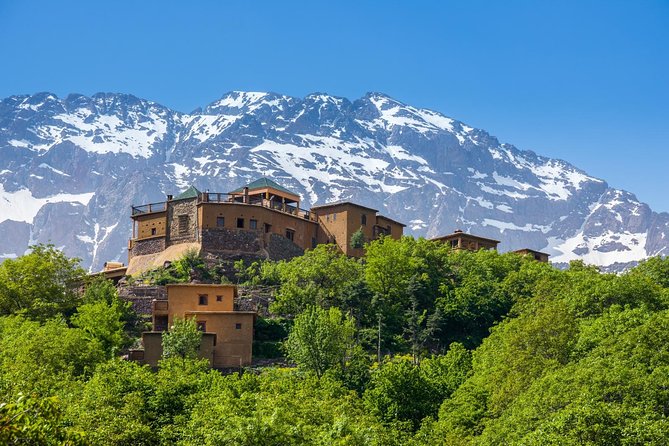
- Climb Tizi M’zzik (2684m) for sweeping views over Imlil, the valley, and Toubkal in the distance
- Tamsoulte’s 100m waterfalls are the standout natural moment on Day 1
- Juniper-forest descent through Azzaden Valley on Day 1 brings a cooler, calmer hiking feel
- Tizi Oussem village overnight gives you an authentic rhythm beyond sightseeing
- Tizi Oudid pass (2000m) and Matat village on Day 2 keep the hike varied
- Walnut-grove lunch by the river is the kind of meal that makes time slow down
From Marrakech to Imlil: the drive that prepares you for real mountains
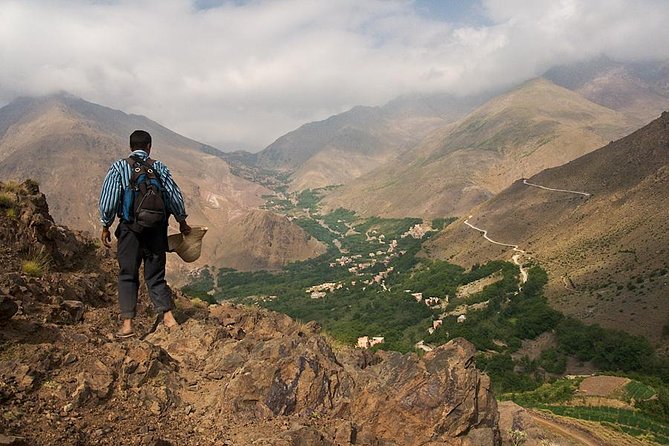
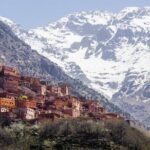
The day starts early, with pickup after breakfast and a drive through Tahnnaout, Oued Ghighaya, and Asni. The route matters more than you might think. It slowly shifts your brain from city logistics to mountain geography, and you start seeing why the High Atlas towns cling to the slopes the way they do.
You arrive in Imlil, about 65 km from Marrakech, meet your guide and the muleteer, and then the hiking part begins. This is one of the smartest pieces of the overall plan: you don’t spend your first hour lost in transition. You’re walking while the day is still fresh.
You can also read our reviews of more tours and experiences in Marrakech.

What I’d watch for on the transfer
If you get motion-sick easily, this is the moment to prepare. Roads in mountainous areas can twist, and the trip is long enough that you’ll appreciate arriving calm rather than grumpy.
Also, going with a shared group trek means you get a set pace. That’s a good thing for most people. If you like to wander alone, you may feel gently “managed.”
Tizi M’zzik Pass and Tamsoulte’s 100m waterfalls on Day 1
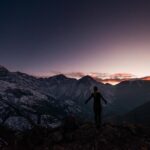
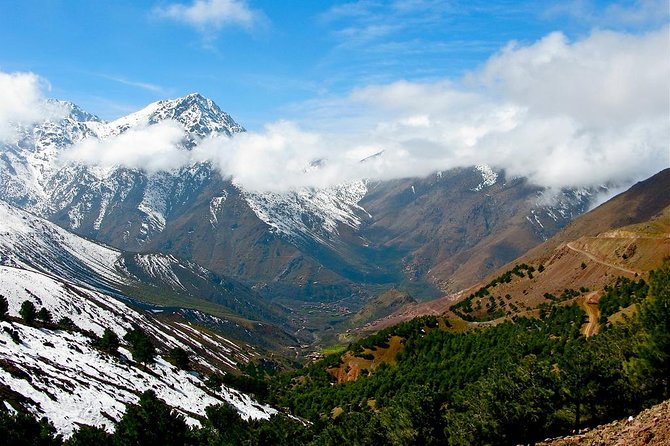
Day 1 is the big altitude push. After starting from Imlil, you climb toward Tizi Mzik pass (2684m). This is the climb that sets the tone: the higher you go, the more the landscape opens up, including a wide view over the Imlil valley and the Toubkal summit area on clear days.
Then you continue to Tamsoulte, where you visit what’s described as the highest waterfalls in the Atlas Mountains, around 100m high. Even if you’ve seen waterfalls before, a 100m drop changes the experience. It’s louder, it soaks the air nearby, and it gives you that physical sense of scale that photos never fully capture.
Why this day works (even if you’re not a hardcore hiker)
This itinerary doesn’t just climb and stop. It balances:
- a peak moment (Tizi Mzik pass)
- with a natural payoff (the 100m waterfalls)
You get that classic “work for it, then reward” arc, but the whole day is still tied to real village routes, not just scenic viewpoints.
A realistic downside
Day 1 involves around 6 hours of walking. That doesn’t mean it’s a brutal grind, but it does mean you’ll want to pace yourself on the early climb. If you sprint up hoping it will make the later walking easier, it usually backfires.

Down the Azzaden Valley: juniper forests and the approach to Tizi Oussem
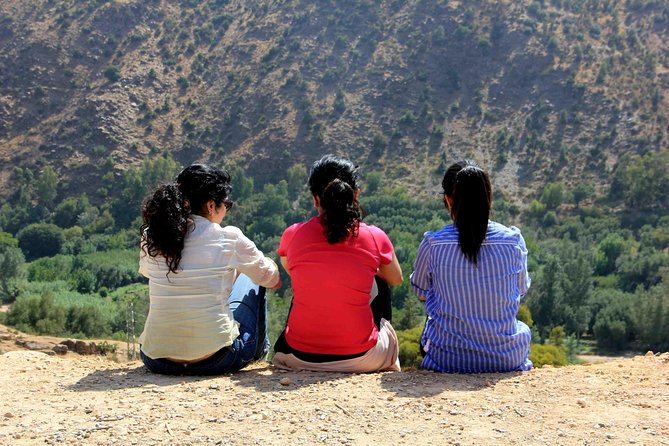
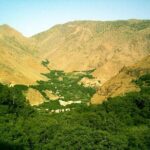
After the waterfalls, the hiking shifts. You go down the Azzaden Valley through juniper forest toward Tizi Oussem village. This part often feels like a mental reset. Forest walking tends to be cooler and more shaded, so your effort feels more sustainable, and your focus naturally shifts away from the big views toward the trail and your surroundings.
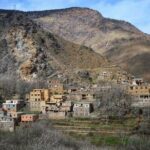
By the time you reach Tizi Oussem, you’re not just at a destination. You’re arriving into a place. That matters because overnight is where this kind of trek becomes more than a photo stop.
Overnight in a village guesthouse: simple, practical, and part of the story
Your night is in a comfortable, pre-booked guesthouse in the village. Based on guest experiences, the accommodation level is generally simple but functional, with what you need to rest and recover. People also mention warm hospitality from the family hosts.
And yes, meals are included. There’s dinner after the hiking day, with Moroccan-style cooking that’s served with hot Moroccan tea. Some groups have specifically noted standout local meals prepared by a chef during the trek.
Day 2: colorful Berber villages, Tizi Oudid pass, and walnut-grove lunch
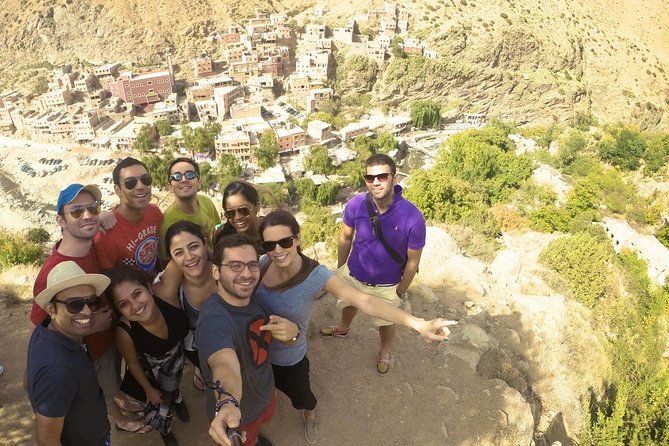
Day 2 begins with breakfast and then the route turns toward more village-to-village walking. You leave Tizi Oussem for Id Issa village, then head up toward Tizi Oudid mountain pass (2000m). That second pass matters because it keeps the trek from feeling like just a long downhill stroll. It adds another “look around and take it in” moment without repeating the full Day 1 altitude effort.
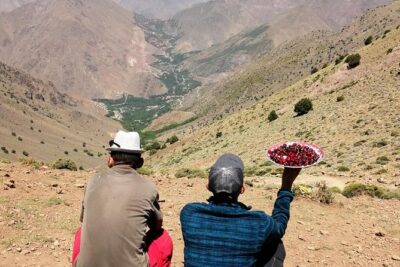
From the pass you cross Matat village after a stretch of wild thurifer juniper forest. Those details are useful because they hint that this trek changes scenery on purpose. It’s not only about getting from point A to point B; it’s about moving through different ecological zones and village patterns.
Lunch under walnut groves
Lunch is included and is served under walnut groves, followed by relaxing near the river. If you’re the type who usually skips meals during travel because of timing, this is the opposite of that problem. The trek schedule builds in time to sit down, eat well, and cool off before the transfer back.
Then the return to Marrakech
In the afternoon, you transfer back to Marrakech, arriving around 17:00. The drive is about 5 hours. This is one of those “plan your evening” moments: you’ll likely want dinner close to your lodging and an early night.
The people behind the trek: guides, group pace, and what support feels like
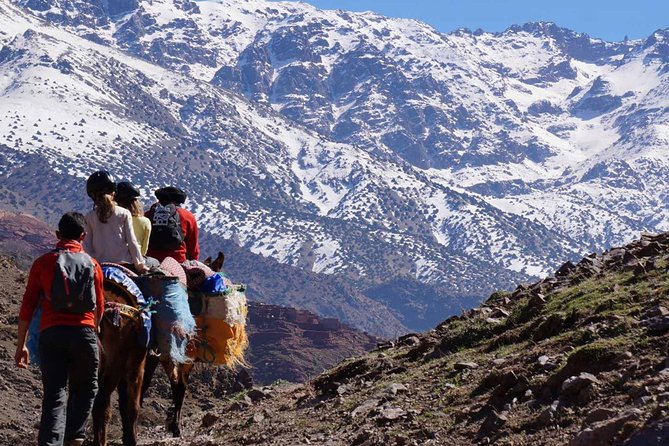
This is a guided experience with a local guide, and it stays small-ish with a maximum of 30 travelers. That size is a sweet spot for most people. It’s not so crowded that you can’t breathe, and it’s not so tiny that you feel like you’re on someone else’s private itinerary.
Guides can make or break an overnight trek, and the experiences tied to this trip highlight that. Some groups mention guides such as Mohammed and Hesain, with guides described as patient, kind, and focused on making sure everyone is comfortable and has what they need.
Muleteer mentioned, and why you’ll probably appreciate it
Your Day 1 start includes meeting your guide and the muleteer. Even if you never think about logistics on a hike, having this kind of support system in place often makes the difference between a stressful carry and a smoother trek flow.
Meals and lodging: what’s included, what to plan, and what to expect
Included meals and lodging are a big part of the value here. You get:
- Breakfast and dinner
- Lunch (listed as two lunches across the trip)
- Accommodation in the village guesthouse
Alcoholic drinks aren’t included, but you can purchase them. Vegetarian options are available too, as long as you request it at booking. If you have dietary requirements, tell the operator ahead of time so meals can be planned properly.
What “comfortable guesthouse” really means in practice
Mountain village guesthouses are rarely resort-level. But “comfortable” here is about having a bed, basic facilities, and a place to recover. Since dinner and tea are part of the overnight rhythm, the guesthouse functions like a warm base after a long walking day.
Price and value: what $116.19 buys you in real terms
At about $116.19 per person for a 2-day guided trek with pickup and round-trip transfer, this price makes sense when you count what’s covered:
- guide service
- meals (breakfast, dinner, and lunches)
- overnight accommodation
- transportation from Marrakech
A lot of Morocco day trips charge similar money but don’t include lodging, or they slice the hiking short to reduce costs. Here, you’re paying for the full “leave the city and actually spend time in the mountains” package. That makes it good value if you want authenticity without spending extra days organizing everything yourself.
The main thing you should ask yourself is whether you want a guided overnight instead of a solo hike plan. If you’d rather have structure and local navigation, this price feels fair. If you prefer total independence, you may find it less flexible than arranging your own transport and a guide.
Who should book this Atlas Mountains trek (and who might not love it)
You’ll probably enjoy this trek if:
- you want scenery plus cultural stops, not just trails
- you’re comfortable with a full walking day (Day 1 is about 6 hours)
- you like the idea of sleeping in the Tizi Oussem village area and eating included meals in the mountain rhythm
- you want a guided route with someone managing timing and direction
You might want to skip or choose a lighter option if:
- you struggle with steady uphill and downhill hiking
- your schedule is tight and you don’t want a full afternoon return to Marrakech
- you don’t do well with early starts (it begins at 8:00)
Practical prep: how to make the two days feel easy
Because the route includes high passes (including 2684m on Day 1), weather and temperature can shift quickly. Plan for layering. Even in pleasant weather, mountain air can feel different at altitude.
Bring:
- sturdy walking shoes with good traction
- a light rain layer, since mountainous areas can change fast
- a small daypack for water and essentials
And since the itinerary includes waterfall time and forest walking, expect damp patches near the falls. Your feet will thank you for sensible footwear.
Also, if you’re traveling with dietary needs or want a vegetarian meal, flag it at booking so the kitchen can plan.
Should you book this trek from Marrakech?
If you want an overnight Atlas experience with real village walking, passes with wide views, a proper waterfall stop around 100m, and meals and a guesthouse handled for you, this trek is a strong choice. The value is in the full package: transport, guide, food, and sleep—not just a walk.
Book it when:
- you’re fit enough for a long walking Day 1
- you like guided structure
- you’re chasing the feeling of waking up in the mountains, not the city
Skip it when:
- you can’t commit to the walking time
- you’re highly sensitive to weather changes, since the experience depends on good conditions for the route and views
If your idea of a great Morocco trip includes mountains that feel lived-in, not staged, this one fits.
FAQ
What time does the trek start, and how long is it?
The start time is 8:00 am. The experience runs for about 2 days, with Day 1 including roughly 6 hours of walking and Day 2 followed by a return transfer to Marrakech.
What parts of the Atlas Mountains route are included?
You’ll trek around Imlil, climb Tizi Mzik pass (2684m) on Day 1, visit the waterfalls at Tamsoulte (about 100m high), and on Day 2 you cross Tizi Oudid mountain pass (2000m). You also pass through villages including Tizi Oussem, Id Issa, and Matat.
What meals are included?
Breakfast is included, along with dinner and two lunches over the two days. Alcoholic drinks are not included.
Where do I stay overnight?
You sleep overnight in a pre-booked guesthouse in the village area of Tizi Oussem.
Is there a vegetarian option?
Yes. A vegetarian option is available if you request it at booking. You should also advise any specific dietary requirements when you book.
What happens if weather is poor?
This experience requires good weather. If it’s canceled due to poor weather, you’ll be offered a different date or a full refund.